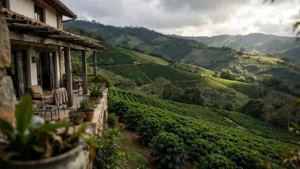
A tea plantation escape is a holiday built around a landscape and a harvest. You stay in or beside tea country, walk the rows in the morning, watch the leaves being plucked and processed, taste the season’s teas in the afternoon, and eat food that reflects the region you are in. It is slower than a city break and quieter than a beach resort, and that is the point. The best trips of this kind are planned around the tea, not fitted around a hotel.
Planning one well takes a little more care than booking a standard holiday, because the places worth staying in are small, remote and seasonal. A Darjeeling bungalow may have only four rooms. A Sri Lankan estate may be a two-hour drive from the nearest town. A Chinese tea village may have limited English and a short spring season. None of that is a reason to avoid the trip. It is a reason to plan it in the right order, with the region and the season decided before the hotel.
This guide walks through that order in nine steps, from choosing a region to packing for the fields, so you can plan a tea plantation escape in 2027 that works in practice, not just in photographs.
Key takeaways
- Choose the region and the season first, then the stay, because the tea calendar decides when a plantation trip is at its best.
- Small estate stays book out early for spring, so the best dates need three to six months of lead time.
- Price the whole trip, not just the room: transfers, meals, tastings and taxes can add a large amount to a headline rate.
- Book tastings, factory visits and guided walks in advance, as the best ones are limited to small groups.
- No plan guarantees clear views, a specific harvest or a particular tea, and small estates often have strict cancellation terms, so check the details before you pay.
What a tea plantation escape actually involves
A tea plantation escape is a stay in tea growing country, and the day follows the estate’s rhythm. Mornings are for walking the fields, when the light is soft and the pickers are at work. Midday is for a factory visit or a rest, when the sun is strongest. Afternoons are for tastings, when the teas of the season are poured and compared. Evenings are slow: dinner, a walk, and an early night, because the next morning starts early again.
The accommodation varies. Some travellers sleep in a working estate’s planter’s bungalow, with a handful of rooms and communal meals. Others stay in a boutique hotel beside a famous tea region, with a spa and a proper restaurant. A third option is a village guesthouse, such as those in Longjing or Uji, where the tea fields start at the door and the stay is simpler but closer to the growers. Each works, but they suit different travellers, and the choice shapes the whole trip.
What an escape does not involve is a packed itinerary. Tea country rewards a slow pace, and the best days are often the least planned: a long walk, a second cup, a conversation with a guide who has worked the estate for twenty years.
How to plan a tea plantation escape well
Start with the tea, not the hotel. Decide which tea you want to experience, because that decides the region: Darjeeling for light, muscatel first-flush teas, Assam for strong, malty black tea, Sri Lanka’s high country for classic Ceylon black tea, Hangzhou for Dragon Well green tea, and Uji for matcha and shaded green tea. Once the region is fixed, the season follows, because each region has a harvest window when the estates are liveliest and the weather is kindest.
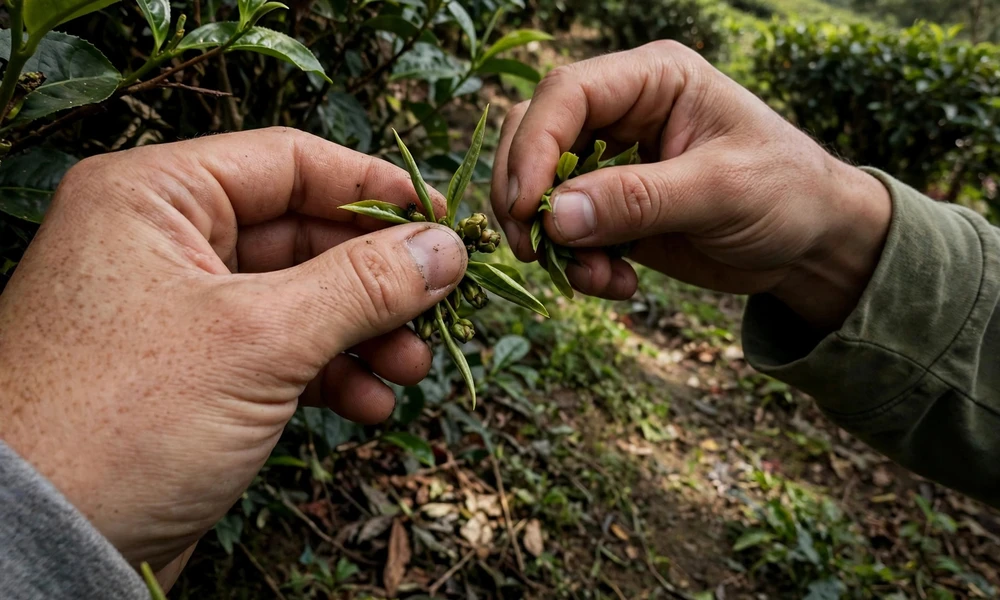
Then look at the practical side: how you will get there, how long the transfer takes, what is included in the room rate, and whether meals, tastings and walks are part of the price. A rate that looks expensive can be good value once everything is included, while a cheap rate can grow quickly. Our guide to planning an olive grove escape follows the same method, because grove and plantation trips share the same planning logic: the setting is remote, the stay is small, and the details matter more than the headline price.
Finally, be honest about who is travelling. Tea estates are often on steep, uneven ground, with steps, muddy paths and long walks. Tell the property before you book, and choose a stay with flat, short walks if the terrain is a concern.
The 9 steps that matter most
Pick your tea region first
What to do: Choose the region by the tea you want to experience, then check the harvest calendar and the weather for that region before looking at hotels. What to avoid: Do not pick a hotel first and hope the tea works out, because the best rooms are often far from the best fields.
Best for: Every traveller, because this decision shapes the whole trip. Time needed: An evening of reading and comparing regions. Standout tip: If you are unsure, start with Darjeeling or Sri Lanka, which are the most forgiving regions for a first tea trip.
Time it with the harvest
What to do: Aim for the spring flush in Darjeeling and Sri Lanka, or April and May in Hangzhou and Uji, when the new tea is being picked and the estates are at their busiest. What to avoid: Do not book in the middle of the monsoon without checking what the estate offers indoors, as heavy rain can close the field paths.
Best for: Travellers who want the full estate experience. Time needed: A few hours of research on harvest dates and rainfall. Standout tip: The week the first flush is picked is the liveliest time on an estate, and the rooms sell out first.
Decide between an estate stay and a nearby hotel
What to do: Choose an estate stay if you want to walk the fields at dawn and eat with the estate team, or a nearby hotel if you want a spa, a longer menu and more privacy. What to avoid: Do not assume a hotel near a tea region is a tea experience, as some are simply hotels with a view of the fields.
Best for: Couples who want intimacy, or families who want facilities. Time needed: An hour comparing two or three options side by side. Standout tip: Read recent guest reviews for mentions of tastings and walks, not just the rooms.
Book the stay early, and read the details
What to do: Book three to six months ahead for spring dates, and read the cancellation terms, the meal inclusions and the check-in times before you pay. What to avoid: Do not book a non-refundable rate before your flights are confirmed, as a delayed flight can cost you the first night.
Best for: Anyone travelling in spring, when small estates sell out. Time needed: A day to compare dates and terms. Standout tip: Email the property directly if you have questions, as small estates often answer faster and more helpfully than a booking site.
Sort transport before you arrive
What to do: Arrange the transfer from the airport through the property, confirm the price and the meeting point, and leave plenty of time for the drive. What to avoid: Do not rely on finding a taxi at a small regional airport, as drivers may not know the estate roads.
Best for: Travellers arriving on a late or connecting flight. Time needed: One email and a confirmation the week before travel. Standout tip: Ask the property how long the drive really takes in the season you are travelling, not just the distance.
Set a total budget, not just a room price
What to do: Add transfers, meals, tastings, factory visits, taxes and tips to the room rate, and compare the totals, not the headlines. What to avoid: Do not forget the cost of getting to the region, as flights and long drives can be a large part of the trip.
Best for: Anyone comparing two or three estates. Time needed: An hour with a simple spreadsheet or a notebook. Standout tip: An estate that includes meals and walks can be cheaper overall than a cheaper room that charges for everything separately.
Book tastings and estate tours in advance
What to do: Reserve the tasting, the factory visit and any guided walk when you book the room, and ask what time they start and how long they last. What to avoid: Do not leave tastings until arrival, as the best ones are limited to small groups and fill up quickly in spring.
Best for: Travellers who want the full tea experience rather than just the scenery. Time needed: A few minutes when you book. Standout tip: Ask whether the tasting includes the estate’s own teas and whether you can buy them afterwards.
Pack for the fields, not the hotel
What to do: Pack light layers, sturdy walking shoes with grip, a rain jacket, sun protection and a small bag for the day’s walk. What to avoid: Do not pack only smart clothes and smooth-soled shoes, as estate paths are often steep, muddy and uneven.
Best for: Anyone planning to walk the fields properly. Time needed: An evening before you travel. Standout tip: Bring a light scarf or shawl, which works for cool mornings, temple visits and chilly evenings alike.
Leave gaps in the day on purpose
What to do: Plan one main activity a day, such as a walk or a tasting, and leave the rest of the day open for the garden, the veranda and a second cup. What to avoid: Do not stack a walk, a factory visit, a tasting and a drive into a single day, as you will be too tired to enjoy any of them.
Best for: Travellers who want to actually rest on holiday. Time needed: Ten minutes when you sketch the day’s plan. Standout tip: The best tea conversations happen in the gaps, when a guide has time to talk properly.
Timing, regions and tea seasons
Spring is the classic season for a tea plantation escape, and for good reason. In Darjeeling and Sri Lanka, March to May brings the first flush, dry days and fresh growth. In Hangzhou and Uji, April and May are the months when the new tea is picked and the villages are at their busiest. The weather is usually mild, the fields are green, and the estates are fully staffed.
Autumn is the quieter alternative. The second flush in Darjeeling, around October and November, produces a different, richer tea, and the crowds are thinner. Sri Lanka’s high country is pleasant in the cooler months, and the south of Korea is at its best in late spring and early autumn.
Winter and monsoon need more care. Winter in the Himalayan foothills can be cold and misty, though the views on a clear morning are extraordinary. The monsoon, roughly June to September in India and Sri Lanka, brings heavy rain that can close paths and hide the scenery. A monsoon trip can still work if the retreat has a strong indoor offer, but it is not the season for a first visit. A citrus grove retreat can be a good alternative in the wetter months, as the groves are often at lower altitude and the weather is more forgiving.
The caveats that matter
Tea country is remote, and that remoteness is both the appeal and the risk. Medical facilities can be a long drive away, mobile signal can be patchy, and a delayed flight can mean a missed first night.
| Detail | What is known |
|---|---|
| Best season for most regions | Spring and early summer, when the harvest is active and the weather is driest |
| How far ahead to book | Three to six months for spring dates at small estates |
| Minimum stay that works well | Three nights, giving time to arrive, explore and rest |
| What to budget beyond the room | Transfers, meals, tastings, factory visits, taxes and tips |
| Getting there | Most estates need a car transfer from the nearest airport, arranged through the property |
| Who should check access first | Travellers with limited mobility, as estate paths are often steep and uneven |
| What to pack | Light layers, sturdy walking shoes, rain protection and sun protection |
| What no plan can guarantee | A specific harvest, clear mountain views, or a particular tea being available |
If anyone in your party has a medical condition, a dietary need or limited mobility, tell the property before you book. Small estates are usually happy to help, but they need notice to prepare suitable meals, arrange a shorter walk, or organise a car for a longer transfer. A short email in advance is the difference between a smooth trip and a difficult one.
Checklist: planning a tea plantation escape honestly
Use these checks before you book, and again a week before you travel.
- Check the region and the season: confirm the harvest dates and the rainfall for your travel dates.
- Check the stay: confirm what is included in the rate, and whether meals, tastings and walks cost extra.
- Check the journey: confirm the transfer, the price, the meeting point and what happens if your flight is delayed.
- Check the budget: add transfers, meals, tastings and taxes to the room rate before you compare options.
- Check the access: ask about steps, steep paths and uneven ground if anyone in your party has limited mobility.
- Check the cancellation terms: small estates often have stricter policies, so know what happens if your plans change.
Frequently asked questions
How many days should I spend at a tea plantation?
Three nights is a good minimum. The first day is for arriving and settling in, the second for the full estate experience, and the third for a longer walk, a second tasting or a nearby town. Two nights can work, but it often feels rushed after a long journey.
What is the best time of year to visit a tea plantation?
Spring and early summer are usually best, when the harvest is active and the weather is at its driest. In Darjeeling and Sri Lanka, March to May is a good window. In Hangzhou and Uji, April and May are the classic months for new tea.
Do I need a guide for a tea plantation visit?
For a proper visit, yes. A guide explains what you are looking at, which teas are being picked, and how the factory works, and they can take you to parts of the estate you would not find alone. Most good estates include a guide in the stay, so check before you book.
Can I visit a tea estate with children?
Often yes, especially in larger estate stays with gardens and short walks. Small, remote estates with steep paths and communal meals can be harder with very young children, so check the property’s policy and the terrain first. A lavender farm retreat can be a gentler alternative for families, as the fields are usually flatter and the walks shorter.
What should I wear on a tea plantation walk?
Light layers, sturdy walking shoes with grip, a hat and sun protection, plus a rain jacket if the forecast is uncertain. Avoid smooth-soled shoes and anything you would mind getting muddy, as estate paths are often steep and uneven after rain.
Can I buy tea at the estate?
Almost always, and it is usually the best tea you will find from that estate, because it is fresh and sold at the source. Ask the estate team which tea is in season and how to store it at home, and leave room in your luggage for a few packets.
The bottom line
A good tea plantation escape is planned in the right order: region first, season second, stay third, and the details last. Choose the tea you want to experience, travel when it is being picked, stay somewhere small and close to the fields, and leave room in the day for the slow parts. That is the formula that works, whether you are going to Darjeeling, Sri Lanka, Hangzhou or Uji.
Book three nights, arrange the transfer before you arrive, and do not try to fill every hour. The morning walk, the afternoon tasting and the evening on the veranda are the trip, and they are worth more than any number of extra activities squeezed in between.