

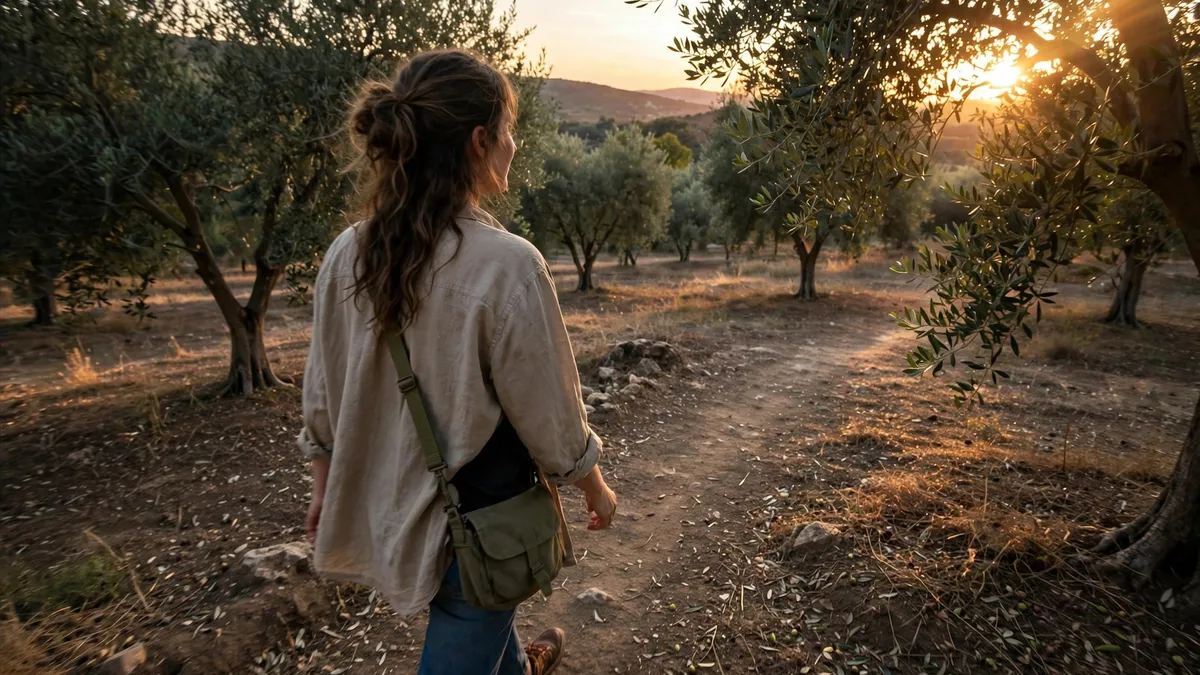

An olive grove escape sounds simple: find a beautiful grove, book a room, and spend a few days under the trees. In practice it needs more planning than a city break, because olive groves are rural, seasonal and spread across several countries, and the difference between a wonderful stay and a frustrating one is usually decided before you leave home. The retreat you choose, the month you travel, and the car you hire matter as much as the room itself.
The good news is that none of this is complicated once you know what to check. The grove calendar is predictable, the regions are well served by airports, and the properties themselves are used to helping guests plan. The mistakes people make are almost always the same ones: booking harvest season without confirming what is actually happening, choosing a remote farm stay without a car, or picking a resort for its photographs and discovering the grove is a view rather than an experience.
This guide walks through the planning in order, from choosing a region to packing, so that by the time you arrive, the only decisions left are which path to walk and where to have lunch.
Key takeaways
- Choose the region first, then the retreat: Andalusia, Puglia, Sicily, the Alentejo and the Greek Peloponnese all feel very different.
- April to June and September to October suit most travellers; October to November adds the harvest but also farm noise and cooler evenings.
- A hire car is almost always essential at a rural grove retreat, and should be booked at the same time as the room.
- Confirm what is open on your dates, whether tastings are included, and whether harvest activities are actually running.
- No property can guarantee harvest dates, pressing demonstrations or a specific grove walk, because all three depend on the crop and the weather.
What planning an olive grove escape actually involves
Planning an olive grove escape is planning around a landscape and a calendar. The landscape is rural, which means narrow roads, long drives and limited public transport. The calendar is agricultural, which means the grove looks and feels different in April, in August and in November, and the activities on offer change with it. A good plan respects both.
Start by deciding what kind of escape you want. Some travellers want a working estate, with tastings, harvest and long walks. Others want a resort that happens to sit in a grove, with a spa, a pool and a restaurant every night. Both are valid, but they lead to different regions, different properties and different budgets, so the choice should come first. If you are unsure, think about your last good holiday: did you spend it walking and exploring, or resting and being looked after?
Then work backwards from the dates. School holidays, harvest season and local festivals all change prices and availability, and the smallest farm stays can book out months ahead for October.
How to plan the trip, step by step
The steps below follow the order that works best in practice. Region first, then dates, then the retreat, then transport, then the details that make the stay feel easy rather than improvised.
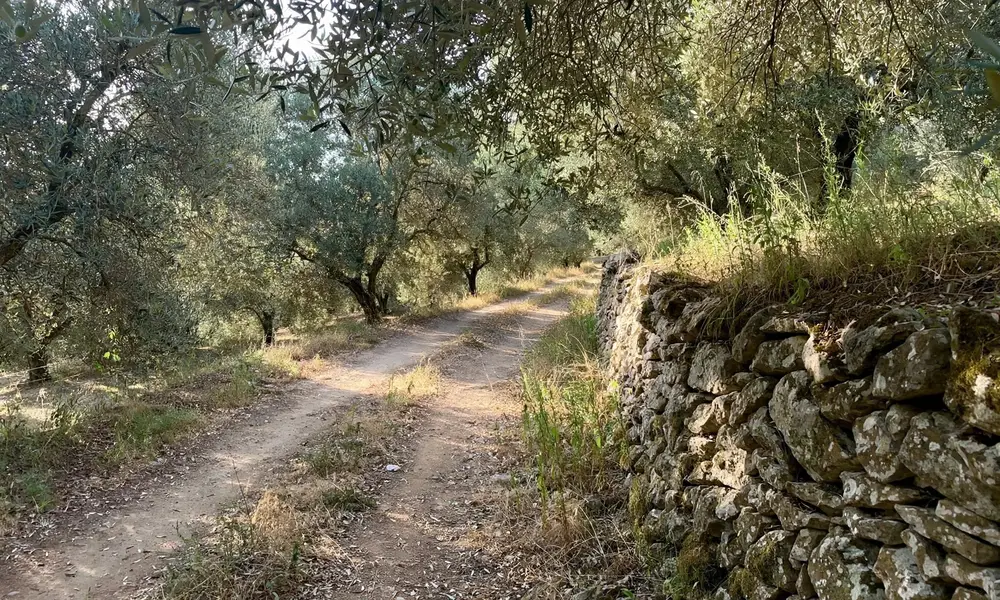
Work through them in order, and keep notes as you go. The questions to ask each property are listed in the checklist at the end, and they are worth sending in one email rather than several, because rural properties often reply once a day. Our guide to how to plan a vineyard escape follows the same logic, and the two trips share the same rural planning habits.
Allow more time than you think for the first two steps. Choosing a region and a season is the part of the plan that shapes everything else, and it is the part most people rush.
The 9 steps to planning an olive grove escape
Pick your region first, not your hotel
What to do: Compare the main grove regions before looking at properties. Andalusia is grand and dry, Puglia is flat and bright with ancient trees, Sicily adds the sea, the Alentejo is quiet and empty, and the Greek Peloponnese mixes groves with coast and ruins. What to avoid: Choosing a hotel from a photograph without knowing what the region feels like. Best for: Every traveller, at the start of planning. Time needed: An evening of reading. Standout tip: Read one honest travel account of the region, not just hotel marketing, before you decide.
The region sets the food, the light, the walks and the day trips. A hotel can be excellent and still be the wrong choice if the region does not suit you, so this step is worth doing properly.
Choose your season with the harvest in mind
What to do: Match your dates to what you want from the grove. Spring brings wildflowers and mild walking weather. Early autumn brings warm days and full services. October to November brings the harvest, with tastings and pressing demonstrations at working estates. What to avoid: Booking harvest season and assuming the harvest will happen on your dates. Best for: Travellers who want tastings or the prettiest groves. Time needed: Half an hour of checking harvest dates. Standout tip: If you want the harvest, email the property and ask what is actually scheduled for your week.
Season also affects price and crowds. High summer is the most expensive and the hottest, while late autumn is quieter and cooler, with shorter days and some restaurants closed.
Decide between a working estate and a resort
What to do: Ask each property whether the grove is worked, who manages it, and what guests can actually do among the trees. A working estate will answer in detail. A resort will talk about views and gardens. What to avoid: Assuming that a hotel with olive trees in its photographs is a grove retreat. Best for: Travellers who care whether the grove is the point or the scenery. Time needed: One email per property. Standout tip: The words “estate”, “mill” and “harvest” in a property’s own description are a good sign; the word “inspired” usually is not.
This is the single most useful question in the whole plan. It separates the stays that will give you a grove experience from the ones that will give you a nice hotel with trees outside.
Book the room type, not just the resort
What to do: Compare room types as carefully as resorts. A grove-view room, a farmhouse suite, a garden room and a pool villa can feel like different hotels, at very different prices, in the same property. What to avoid: Booking the cheapest room and expecting the view from the photographs. Best for: Couples and honeymooners, where the room shapes the trip. Time needed: Half an hour of comparing room pages. Standout tip: Ask which direction the room faces, because a west-facing grove room gets the evening light.
At rural properties, the room is where you will spend the quiet hours, so it deserves the same attention as the location. A good room in a modest estate often beats a basic room in a grand resort.
Sort transport before you arrive
What to do: Book a hire car at the same time as the room, and check the drive from the airport in daylight hours. Confirm parking at the property, and ask whether it arranges drivers for tastings. What to avoid: Relying on taxis or public transport in a rural area, or driving an unfamiliar narrow road at night for the first time. Best for: Every traveller, without exception. Time needed: An hour to compare car hire and routes. Standout tip: Choose the smallest car you are comfortable with, because grove lanes are narrow and parking is often tight.
Transport is the part of the plan people leave too late. A hire car booked early is cheaper and gives you a better choice, and a driver arranged in advance makes tasting days easy and safe. Our guide to how to plan a garden escape makes the same point, because garden retreats share the same rural roads.
Set a total budget, not just a room budget
What to do: Add up the room, the car, transfers, meals, tastings, spa treatments and any excursions before you book, and compare totals rather than nightly rates. What to avoid: Comparing a farm stay with breakfast included against a resort where every meal is extra, and calling the cheaper nightly rate the cheaper trip. Best for: Anyone travelling for more than three nights. Time needed: An hour with a simple spreadsheet or list. Standout tip: Ask what is included in the rate, in writing, before you pay a deposit.
Rural retreats vary widely in what is included. Some include breakfast, tastings and grove walks; others charge for each one separately. The total is the only number that matters.
Book tastings and farm visits in advance
What to do: Reserve oil tastings, mill visits, cooking classes and guided grove walks when you book the room, especially in harvest season. What to avoid: Arriving and expecting to join a tasting the same day, when the estate manager may be in the fields. Best for: Travellers visiting in October or November. Time needed: One email, sent with the booking. Standout tip: Ask for the name of the person who runs the tasting, and the time it starts, so you can plan the day around it.
Small estates run tastings when the people who make the oil are free, not on a fixed timetable. Booking ahead is not formality; it is how you make sure the experience happens at all.
Pack for the grove, not the hotel
What to do: Pack flat, sturdy walking shoes with grip, layers for cool mornings and evenings, sun protection, and a light waterproof jacket for autumn. What to avoid: Packing only smart clothes and heeled shoes, which are wrong for gravel, dry earth and uneven ground. Best for: Walkers and anyone visiting in spring or autumn. Time needed: Half an hour, the night before. Standout tip: Pack a small day bag for walks, with water, a hat and a phone charger.
The grove is the reason you are going, so dress for it. The hotel will look after the evenings; your shoes need to look after the mornings.
Leave gaps in the day on purpose
What to do: Plan one main activity a day, and leave the rest open for a long lunch, a walk, a nap or a second tasting that someone recommends. What to avoid: Filling every day with excursions, tastings and drives, which turns a slow retreat into a tiring tour. Best for: Anyone staying four nights or more. Time needed: Ten minutes, when you sketch the itinerary. Standout tip: Ask the property what guests usually do on a slow afternoon, and copy that.
An olive grove escape works because it is slow. The best days are often the ones with the least in them: a morning walk, a long lunch under the trees, and an evening that ends early. A guide to the best luxury orchard retreats makes the same point about orchards, and it holds for groves too.
Which planning style suits you
Some travellers plan every detail, and some prefer to book the room and work the rest out on arrival. An olive grove escape suits the first group better, because the rural setting rewards preparation and punishes improvisation. If you like to plan, the steps above will feel natural, and the trip will run smoothly. If you prefer to improvise, keep the plan light but do not skip the essentials: the car, the room type, and one confirmed tasting.
The other question is how much of the grove you actually want. A working estate suits travellers who enjoy early starts, farm visits and long walks, while a resort suits those who want the landscape with a spa and a restaurant at the end of the day. Neither is better, but they are different holidays, and the honest answer to which one you want is the answer that should shape the booking.
The caveats that matter
The main caveat is that a grove retreat is a rural, seasonal stay, and rural and seasonal both mean uncertainty. Harvest dates move with the weather. A mill visit depends on the crop. A restaurant may close for a private event. None of this is a problem if you know it in advance, and all of it is a problem if you discover it on arrival.
| Detail | What is known |
|---|---|
| Best months overall | April to June and September to October, for mild weather and open groves |
| Harvest season | Roughly October to November; confirm activities directly with the property |
| Transport | A hire car is almost always essential; book it with the room |
| Booking order | Region, then season, then retreat, then transport, then tastings |
| Budget | Compare total trip costs, not nightly rates, and ask what is included |
| Packing | Sturdy flat shoes, layers, sun protection and a light waterproof jacket |
| Daily pace | One main activity a day, with the rest left open for slow time |
| What is not guaranteed | Harvest dates, pressing demonstrations and specific grove walks |
If anyone in your party has limited mobility, ask about steps, slopes and distances before you book. Historic estates often have gravel paths, stairs and uneven ground, and not every room or route is step-free. A short email before booking is the simplest way to avoid a difficult arrival.
Checklist: planning an olive grove escape honestly
Use these checks before you book, and again before you travel.
- Check the region: read one honest account of it, not just hotel marketing, before you decide.
- Check the season: confirm harvest dates and what is actually scheduled for your week.
- Check the grove: ask whether it is worked, who manages it, and what guests can do among the trees.
- Check the room type: compare grove-view rooms, farmhouse suites and villas, and ask which way the room faces.
- Check transport: book the hire car with the room, confirm parking, and arrange drivers for tasting days.
- Check the ground: ask about steps, slopes and distances if anyone in your party has limited mobility.
Frequently asked questions
How far ahead should I book an olive grove retreat?
Three to six months ahead for the best rooms, and longer for harvest season in October, when small farm stays book out early. Larger resorts usually have more availability, but the best room types still go first.
Do I need to speak the local language?
No, but a few phrases help at small farm stays, where the people who work the grove may not speak much English. Hotel staff at larger resorts usually speak English well. A translation app covers the rest.
Can I visit an olive grove retreat without a car?
It is possible at a few larger resorts that offer airport transfers and on-site activities, but it is limiting. Most grove retreats are rural, and a car is the practical way to reach villages, markets and neighbouring estates.
What if it rains during my stay?
Rain in a grove is usually short and followed by clear light, and it is rarely a reason to change plans. Pack a light waterproof jacket, plan a tasting or a cooking class for the wettest day, and keep the rest of the itinerary flexible.
Are olive grove retreats good for a short break?
Three nights is a good minimum, because the first day is often spent arriving and settling in. Four or five nights lets the pace slow down properly, which is the point of the trip.
Can I buy olive oil to take home?
Yes, and most estates sell their own oil on site, often at a better price than in shops. Check airline liquid allowances if you are flying, and ask the estate to pack bottles safely for travel.
The bottom line
Planning an olive grove escape is mostly a matter of order: region first, then season, then the retreat, then transport, then the tastings and details. Get that order right, and the rest of the trip takes care of itself. Get it wrong, and you can find yourself in the wrong region, without a car, in a hotel whose grove is a view rather than an experience.
Ask the direct questions before you book, leave gaps in your days on purpose, and pack for the grove rather than the hotel. Do that, and the escape delivers what it promises: slow mornings under old trees, food that tastes of the place it came from, and evenings that end early and well.


