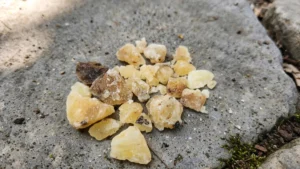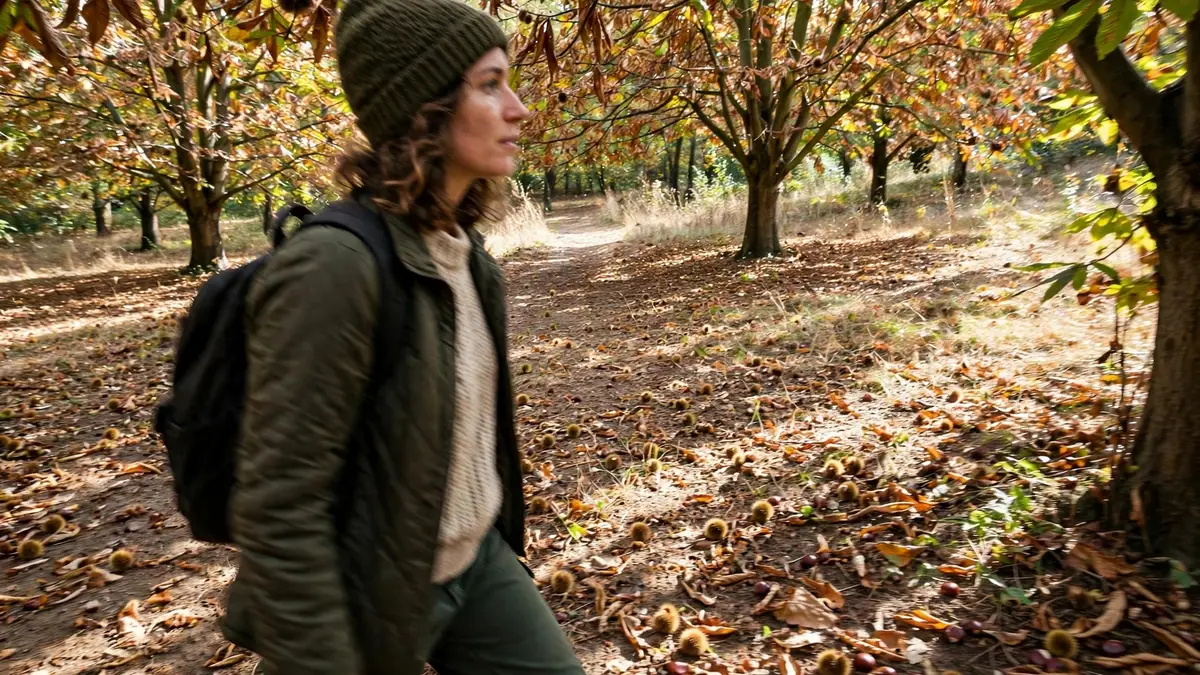

A chestnut grove escape is one of the simplest trips you can plan, and one of the easiest to get wrong. The idea is straightforward: a few slow days in a rural valley, staying in a small estate or village inn, walking under old chestnut trees, and eating what the season offers. The reality depends on a handful of decisions made early, and if you get those right, the rest of the trip almost plans itself.
Chestnut country is spread across France, Italy, Spain, and Portugal, and each region has its own harvest dates, its own food, and its own rhythm. Autumn is the obvious season, but the harvest can shift by weeks with the weather, and the best rooms sell out months ahead.
This guide walks through the nine steps that make a chestnut grove escape work, from picking your region to packing for the groves, with the practical details that are easy to miss.
Key takeaways
- Pick your region first, because harvest dates, food, and the feel of the trip all follow from where you go, not from a single hotel.
- Book the autumn season three to six months ahead, because the best small estates sell out early and many close or reduce service in winter.
- A hire car is almost always essential, and it should be booked at the same time as your stay, not left until the last minute.
- Plan your days around one main activity, not three, because grove days work best when they are slow and unhurried.
- No escape can guarantee a harvest, a festival, or a particular menu, so build flexibility into your dates and your expectations.
What a chestnut grove escape actually involves
A chestnut grove escape is a short rural stay built around old chestnut trees and the season that surrounds them. You will usually stay in a small estate, a converted farmhouse, a village inn, or a chateau, and your days will be shaped by walking, eating, and resting rather than by sightseeing. The groves themselves are the main attraction: broad, old trees, fallen leaves, and in autumn, the harvest itself.
It is a trip for slowing down.
The season changes the trip more than the destination does. In autumn, the harvest is the centre of the stay, with festivals, markets, and menus that change week by week. Knowing which season you are travelling in is the first step to planning well.
How to plan a chestnut grove escape well
Start with the season, not the hotel. Decide whether you want the autumn harvest, the green quiet of late spring, or the warmth of summer, and let that choice narrow your region and your dates.

Then pick your region, and be honest about how you like to travel. The chestnut regions of France, the Auvergne, the Dordogne, and Corsica, offer a French country experience with good food and quiet villages. Our guide to planning an olive grove escape follows the same logic, because grove trips work best when the region is chosen before the hotel.
Finally, choose a stay that matches your season and your region, and check the practical details before you book. Confirm the harvest dates, the restaurant opening days, and whether the pool and spa run in your month.
The 9 steps to planning a chestnut grove escape
Pick your region first
What to do: Choose between the French chestnut regions, Tuscany and Piedmont, or Galicia and northern Portugal, based on the food, the language, and the feel you want. What to avoid: Picking a hotel first and then discovering the region does not suit you. Best for: Every traveller, because the region shapes the whole trip. Time needed: An evening of reading and comparing. Standout tip: If you want the harvest, France and Italy have the most established chestnut festivals; if you want quiet and value, look at Galicia.
The region is the trip. Read about the food, the villages, and the walking in each region, and choose the one that sounds like a place you would enjoy even if the hotel were ordinary. That way, the stay is a bonus, not the whole trip.
Choose your season with the harvest in mind
What to do: Aim for late September to early November for the harvest, late April to June for green groves and quiet lanes, or July and August for warm, shaded days. What to avoid: Assuming the harvest falls on the same dates every year, because the weather can shift it by weeks. Best for: Travellers who want the full chestnut experience. Time needed: An hour of checking harvest dates and festival calendars. Standout tip: Ask the estate directly about the harvest, because local knowledge beats a general calendar.
The harvest is the heart of the autumn season, but it is not a fixed date. If the harvest matters to you, choose a window rather than a single week, and ask the estate what the season looks like before you book.
Decide between a working estate and a village inn
What to do: Choose a working estate if you want privacy, grounds, and a self-contained stay, or a village inn if you want to walk to dinner and explore a village on foot. What to avoid: Booking a remote estate and then realising you wanted a village, or the other way round. Best for: Couples and families, who suit different settings. Time needed: An evening of comparing stays and their locations. Standout tip: A village inn suits a short stay; a working estate suits a longer, slower one.
The setting decides how your days will feel. A working estate gives you grounds, privacy, and a sense of being removed from the world, but it also means driving for dinner and for anything outside the estate. A village inn gives you a village to wander, restaurants to choose from, and a more social feel, but less privacy and less space. Neither is better. They are different trips, and the right choice depends on how you like to spend your evenings.
Book the stay early, and check the details
What to do: Book three to six months ahead for the autumn season, and confirm the harvest dates, the restaurant opening days, and the pool and spa seasons before you pay. What to avoid: Booking a beautiful room without checking whether the restaurant is open on your nights. Best for: Anyone travelling in the harvest season. Time needed: An hour of reading and one email to the estate. Standout tip: Ask the estate about the harvest and the menu in a single email, and keep the reply for your trip notes.
Small estates have few rooms, and the best ones sell out early in autumn. The email to the estate is the most useful step in this guide. A short, direct message asking about the harvest, the restaurant, and the transfers will tell you more than an hour of reading reviews.
Sort transport before you arrive
What to do: Book a hire car at the same time as your stay, and check the drive from the airport or station to the estate. What to avoid: Leaving the car until the last minute, when prices rise and the right size of car may be gone. Best for: Every traveller, because grove retreats are rural. Time needed: An hour of comparing hire cars and routes. Standout tip: Choose a small car for narrow country lanes, and check whether the estate has parking.
Transport is the practical heart of a grove escape. Most estates sit at the end of a country lane, an hour or more from the nearest airport or station, and public transport is rarely a realistic option. Book it early, because autumn is a busy season for hire cars in rural France and Italy.
Set a total budget, not just a room price
What to do: Add the room, the hire car, meals outside the estate, and any guided activities, and set a total figure before you book. What to avoid: Budgeting only for the room and then being surprised by the cost of the car, the meals, and the transfers. Best for: Travellers who want to avoid an expensive surprise. Time needed: An hour of adding up the real costs. Standout tip: A three-night stay for two, including a car and most meals, often comes to between €1,500 and €3,500.
The room price is only part of the cost. A hire car for four days, dinners outside the estate, a guided walk, and a spa treatment can add a third to the total, and that is before you count the flight or the train. It also stops the trip from feeling expensive after the fact.
Book tastings and farm visits in advance
What to do: Book any chestnut tastings, harvest walks, cooking sessions, and vineyard visits before you travel, because the best ones are small and fill up. What to avoid: Assuming you can arrange everything on arrival, when the estate and the local producers may be fully booked. Best for: Food lovers and anyone travelling in the harvest season. Time needed: An hour of emailing the estate and local producers. Standout tip: Ask the estate to recommend local producers, because their suggestions are usually better than a web search.
The best grove experiences are small and personal, and that means they book up. Our guide to planning a vineyard escape makes the same point, because the same logic applies: the small, local experiences are the ones that fill first.
Pack for the grove, not the hotel
What to do: Pack sturdy walking shoes, layers for cool mornings and warm afternoons, a light waterproof jacket, and something smart enough for dinner. What to avoid: Packing only smart clothes, or only walking clothes, and having nothing suitable for the other half of the day. Best for: Every traveller, because grove days mix walking and dining. Time needed: An evening of packing with a checklist. Standout tip: In autumn, add a warm layer for the evenings and a bag for gathering chestnuts if the estate allows it.
Grove days are a mix of walking and dining, and your packing should reflect that. Layers matter next, because the mornings are cool and the afternoons are warm, especially in autumn.
Leave gaps in the day on purpose
What to do: Plan one main activity a day, and leave the rest of the day open for walking, reading, and resting. What to avoid: Filling every day with three activities, and turning a slow trip into a rushed one. Best for: Everyone, because a grove escape works best when it is slow. Time needed: No time at all, just the discipline to stop planning. Standout tip: The best grove days are often the ones with nothing planned, so protect at least one of them.
This is the step that makes the whole trip work. A grove escape is not a sightseeing trip, and it does not reward a packed schedule. Leave the gaps in, and let the trip breathe.
Choosing your region and season
If you want the classic chestnut harvest, start with the Auvergne, the Dordogne, or Tuscany. The Auvergne and the Dordogne are the heart of French chestnut country, with old groves, village festivals, and a strong food culture built around the nut. Tuscany offers a more polished stay, with chestnut woods alongside vineyards and hill towns, and a food scene that is easier to navigate if you do not speak French. Piedmont sits between the two, with the Langhe hills, the chestnut and hazelnut woods, and a kitchen that is at its best in autumn.
A garden escape follows a similar seasonal logic, and it can be a good alternative if your dates fall outside the chestnut season.
If you want a winter stay, choose a village inn rather than a remote estate, and check that the restaurant and the village are open in your month.
The caveats that matter
A chestnut grove escape is a slow, rural trip, and it is not for everyone. The best way to enjoy this kind of trip is to accept its pace and its limits, and to plan for them rather than against them.
| Detail | What is known |
|---|---|
| Best season | Late September to early November for the harvest; late April to June for green groves and quiet lanes |
| How far ahead to book | Three to six months ahead for the autumn season; two to three months for spring and summer |
| Typical budget | Between €1,500 and €3,500 for a three-night stay for two, including a car and most meals |
| Transport | A hire car is almost always essential; book it at the same time as your stay |
| Ideal length | Three to five nights, with one main activity a day and gaps left open on purpose |
| Who it suits | Couples, food lovers, walkers, and anyone who wants a slow, rural stay |
| What to check before booking | Harvest dates, restaurant opening days, pool and spa seasons, and whether the estate offers transfers |
| What is not guaranteed | Harvest dates, festivals, and menus can shift with the weather, so treat them as flexible, not fixed |
One practical note: chestnut allergies exist, and chestnut flour, chestnut honey, and chestnut dishes are common in these regions. If you have a nut allergy, tell the estate and the restaurant in advance, and ask about the ingredients in the dishes you are offered.
Checklist: planning a chestnut grove escape honestly
Use these checks before you book, and again before you travel.
- Choose your season first, then your region, and let the stay follow from those two decisions.
- Book the stay three to six months ahead for autumn, and confirm the harvest dates and restaurant opening days by email.
- Book the hire car at the same time as your stay, and check the drive from the airport or station.
- Set a total budget that includes the room, the car, meals outside the estate, and any guided activities.
- Book tastings, harvest walks, and cooking sessions in advance, because the best ones are small and fill up.
- Pack for the grove and the dining room: sturdy shoes, layers, a waterproof jacket, and one smart outfit.
Frequently asked questions
How far ahead should I book a chestnut grove escape?
Three to six months ahead for the autumn harvest season, because the best small estates sell out early. If your dates are fixed and the harvest matters to you, book as early as you can.
Do I need a car for a chestnut grove escape?
Almost always, yes. Grove retreats sit in rural valleys and hill country, often an hour or more from the nearest station or airport, and public transport is rarely a realistic option.
What is the best region for a first chestnut grove escape?
Tuscany is the easiest first choice, because the food, the walking, and the hill towns are straightforward to navigate, and the chestnut woods are part of a wider landscape of vineyards and olive groves.
Can I take part in the chestnut harvest?
Often, yes, in season. Many estates welcome guests to join a guided harvest walk, and some offer chestnut picking, roasting, and cooking sessions.
What should I pack for a chestnut grove escape?
Sturdy walking shoes, layers for cool mornings and warm afternoons, a light waterproof jacket, and something smart enough for dinner. In autumn, add a warm layer for the evenings and a bag for gathering chestnuts if the estate allows it. A small day pack is useful for walks.
How much should I budget for a chestnut grove escape?
A three-night stay for two, including a hire car and most meals, often comes to between €1,500 and €3,500.
The bottom line
Planning a chestnut grove escape comes down to three decisions made early: the season, the region, and the stay.
Book early, hire a car, set a total budget, and leave gaps in the day on purpose. The groves will do the rest. That is the honest way to plan a chestnut grove escape, and it is what makes this kind of trip worth taking.