Elemi is the quiet resin in perfumery. It rarely gets the headline, and most people who love a perfume with elemi in it have never heard the name. Yet it shows up in some of the best-known bottles of the last sixty years, from a 1960s Dior classic to a modern Hermès favourite, doing the same job every time: lifting the opening, adding a fresh lemon-pepper sparkle, and holding the citrus notes steady while the deeper woods and resins arrive.
The reason it stays in the background is simple. Elemi smells fresh rather than heavy. Where frankincense smells smoky and church-like, and myrrh smells warm and medicinal, elemi smells like lemon peel, green pine and a little black pepper, with a soft balsamic warmth underneath.
Below are nine perfumes where elemi does real work in 2027, from affordable everyday bottles to one serious splurge.
Key takeaways
- Elemi is a resin from the Canarium luzonicum tree, and it smells fresh, lemony and lightly peppery, with a woody, balsamic warmth underneath.
- Perfumers use elemi as a bridge note: it lifts citrus openings and helps them last, while blending smoothly into woods, spices and other resins.
- Elemi appears in well-known perfumes from Dior, Hermès, Chanel, Viktor & Rolf and Amouage, usually alongside citrus, vetiver, labdanum or spice.
- Try elemi perfumes on skin, not just on paper, because the fresh opening fades within an hour and the resinous base is the part you will live with.
- No elemi perfume is a cure for a weak base or poor lasting power on its own, and a bottle that smells sharp or chemical on your skin should be tested again on a different day before you buy it.
What elemi actually smells like
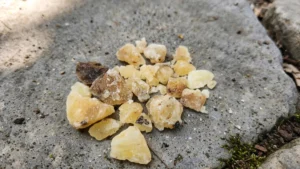
Elemi resin comes from the Canarium luzonicum tree, which grows in the Philippines and parts of South-East Asia. The resin is collected by tapping the bark, in the same broad way frankincense and myrrh are harvested, and it hardens into pale, slightly sticky tears. Steam-distilled, it gives an essential oil that perfumers describe as fresh, tart and peppery-lemon, with a woody, balsamic character and sometimes a faint dill or green-herb nuance.
That freshness is what makes elemi unusual among resins. Most resins are heavy, slow and warm, and they sit in the base of a perfume. Elemi is lighter and more volatile, so it shows up early, in the top and heart, and it keeps citrus notes from disappearing too fast. It is often called a fixative for citrus, which is a practical way of saying that a bergamot or lemon opening lasts longer and smells rounder when elemi is holding it up. It also blends well with labdanum, cinnamon, lavender, rosemary and sage, which is why it appears so often in aromatic, woody and fougère-style perfumes.
On skin, elemi usually opens bright and slightly sharp for the first fifteen minutes, then softens into a clean, woody warmth. It rarely dominates a fragrance. Instead, it adds lift and a kind of transparency, so a scent that might otherwise feel dense or sweet feels clearer.
How we chose these perfumes and what to look for
Look first at where elemi sits in the composition. In some perfumes it is a clear top note, listed right alongside bergamot or lemon, and you will smell it immediately. In others it works in the heart, connecting citrus to woods, and you notice it more as a fresh lift than as a distinct smell.
Look next at what elemi is paired with. With vetiver and cedar it smells clean, dry and modern. With labdanum and vanilla it smells warmer and more amber-like. With pepper, cardamom and nutmeg it smells spicy and energetic. The pairings tell you more about the finished perfume than the elemi alone, so read the note list as a whole. Our guide to how to choose a perfume explains how to read those note lists without getting lost in them, and why testing on skin matters more than any list.
Finally, look at concentration and price honestly. Elemi itself is not a rare or wildly expensive material, so a perfume does not need to cost a fortune to use it well. Several of the best elemi perfumes are mainstream bottles at ordinary prices.
The 9 best elemi perfumes of 2027
Hermès Eau des Merveilles
What we like: Elemi sits right in the opening alongside orange and lemon, giving this 2004 classic its sparkling, slightly peppery lift before amber, pepper and woods take over. It is fresh without being thin, and genuinely unisex despite being sold as a women’s perfume.
What to consider: The opening is bright and unusual, and some people find the first ten minutes too sharp. It softens quickly, so give it time on skin. Best for: Daytime, spring and summer, anyone who wants a fresh resinous scent. Material: Elemi resin, orange, lemon, amber, vetiver. Price range: Around £85 to £110 for 100 ml. Standout feature: The most famous elemi opening in mainstream perfumery.
This is the first elemi perfume to try if you have never smelled the note on its own.
Dior Eau Sauvage Parfum (2017)
What we like: A modern reworking of the 1966 classic, with elemi in the heart bridging a bergamot and citron opening to a vetiver and labdanum base. It smells clean, warm and grown-up, with real depth.
What to consider: It is richer and warmer than the original Eau Sauvage, so it suits cooler weather and evening wear more than a hot day. Best for: Evening, autumn and winter, lovers of classic French perfumery. Material: Elemi resin, bergamot, citron, vetiver, labdanum. Price range: Around £90 to £120 for 100 ml. Standout feature: Elemi doing its classic bridging job between citrus and woods.
Dior Sauvage Parfum
What we like: The Parfum version of Dior’s bestseller keeps the familiar bergamot and pepper opening and adds elemi resin and sandalwood for a smoother, warmer, longer-lasting drydown. It is powerful without feeling harsh.
What to consider: It is strong, so two sprays are plenty, and it is very widely worn, which matters if you want something unusual. Best for: Evening, cooler months, anyone who wants a bold, long-lasting scent. Material: Elemi resin, bergamot, nutmeg, sandalwood, vanilla. Price range: Around £100 to £135 for 100 ml. Standout feature: Elemi smoothing out one of the most popular perfumes in the world.
This is elemi at its most commercial.
Viktor & Rolf Spicebomb
What we like: Elemi joins bergamot, grapefruit, cinnamon, pink pepper and saffron in an opening that is spicy, fresh and deliberately explosive, before settling into leather, tobacco and vetiver. It is fun, warm and very easy to like.
What to consider: The spice is loud, and the grenade-shaped bottle is not subtle, so this is a statement perfume rather than a quiet one. Best for: Night out, autumn and winter, spice lovers. Material: Elemi resin, bergamot, cinnamon, pink pepper, leather. Price range: Around £70 to £95 for 90 ml. Standout feature: Elemi adding freshness to a heavy spice bomb.
Spicebomb shows the other side of elemi.
Chanel Allure Homme Sport
What we like: Elemi appears in a clean, sporty composition with orange, mandarin, cedar and white musk, giving a fresh, slightly resinous edge to a scent that is otherwise all citrus and woods. It smells polished and effortless.
What to consider: It is light, so lasting power is moderate rather than huge, and it is a very safe, crowd-pleasing choice rather than a daring one. Best for: Daytime, office, gym bag to dinner, warm weather. Material: Elemi resin, orange, mandarin, cedar, white musk. Price range: Around £90 to £120 for 100 ml. Standout feature: Elemi in a fresh, sporty Chanel that never smells heavy.
Giorgio Armani Stronger With You Absolutely
What we like: A warm, sweet flanker of Stronger With You, with elemi, lavender and rum in the opening, and a rich base of vanilla, chestnut and cedarwood. The elemi keeps the sweetness from feeling cloying.
What to consider: It is sweet and strong, so it suits cold weather and evening far better than a summer afternoon. Best for: Date night, winter, lovers of warm, sweet perfumes. Material: Elemi resin, rum, lavender, vanilla, chestnut. Price range: Around £90 to £125 for 100 ml. Standout feature: Elemi cutting through a rich, gourmand base.
This is the best example of elemi as a balancing act. With it, the perfume stays bright at the top.
Diptyque Eau Duelle
What we like: Elemi bridges vanilla and spices in this 2010 creation, giving a warm, slightly smoky vanilla that never turns foody. It smells like a spice market at dusk: warm, dry and quietly exotic.
What to consider: It is softer and more understated than the other perfumes here, so it rewards close wearing rather than big projection. Best for: Evening, cooler months, vanilla lovers who dislike sweet perfumes. Material: Elemi resin, vanilla, cardamom, saffron, pink pepper. Price range: Around £120 to £160 for 100 ml. Standout feature: Elemi and vanilla in a dry, spicy balance.
Eau Duelle is the connoisseur’s pick on this list.
Amouage Portrayal Man
What we like: A modern, artistic take on elemi, with violet leaf, vetiver and elemi in a clean, slightly smoky composition that feels both fresh and serious. It is the most unusual elemi perfume here.
What to consider: It is expensive, and the violet leaf and elemi combination is distinctive rather than universally liked, so sample it first. Best for: Special occasions, lovers of niche perfumery, cooler weather. Material: Elemi resin, violet leaf, vetiver, sandalwood. Price range: Around £260 to £340 for 100 ml. Standout feature: Elemi treated as a leading note, not a supporting one.
This is the splurge of the list, and the one where elemi is most clearly the point.
Moschino Toy Boy
What we like: Elemi joins pink pepper, nutmeg and clove in a playful, spicy opening, with a warm base of sandalwood, vetiver and cashmeran. It is young, energetic and surprisingly easy to wear.
What to consider: The teddy-bear bottle divides opinion, and the spice is bold, so it is not a quiet office scent. Best for: Night out, autumn, anyone who likes spicy perfumes with a sense of humour. Material: Elemi resin, pink pepper, nutmeg, clove, sandalwood. Price range: Around £60 to £85 for 100 ml. Standout feature: The most affordable elemi perfume on this list.
Toy Boy proves that elemi does not belong only to serious, expensive perfumes.
Which elemi perfume is right for you
If you want freshness first, start with Hermès Eau des Merveilles or Chanel Allure Homme Sport. Both put elemi in a bright, citrus-led opening, and both are easy to wear in warm weather and in the daytime. They are the best introduction to the note, because you can actually smell what elemi does before the base arrives.
If you want warmth and depth, look at Dior Eau Sauvage Parfum, Diptyque Eau Duelle or Amouage Portrayal Man. In these, elemi works underneath the citrus, holding the structure together while vetiver, labdanum, vanilla or woods do the talking. They suit cooler weather, evening wear and anyone who likes a perfume with a slow, unfolding drydown. Our roundup of frankincense perfumes is a useful next step if you enjoy this warmer, resinous style, because frankincense and elemi are cousins in the same resin family and often appear together.
If you want spice and energy, try Viktor & Rolf Spicebomb, Armani Stronger With You Absolutely or Moschino Toy Boy. In these, elemi is the fresh counterweight to cinnamon, pepper, rum and vanilla, and it is what stops the spice from feeling too thick.
The caveats that matter
Elemi is a well-established perfumery material, but it is not the most common one, and that creates two practical problems. First, it is rarely the star of a perfume, so a bottle listed as containing elemi may smell only faintly of it. Second, because it is uncommon, it is easy to pay too much for a bottle on the strength of the note alone. Judge the perfume, not the ingredient list.
| Detail | What is known |
|---|---|
| What elemi is | A resin from the Canarium luzonicum tree, steam-distilled into an essential oil |
| What it smells like | Fresh, lemony and lightly peppery, with a woody, balsamic warmth |
| Where it sits in a perfume | Usually top to heart, bridging citrus openings and woody or resinous bases |
| Best pairings | Citrus, vetiver, cedar, labdanum, cinnamon, lavender and other resins |
| Who should try it first | Anyone who finds frankincense too smoky or myrrh too medicinal |
| What to watch for | A sharp or chemical opening on skin; test again on a different day before deciding |
| Price | Elemi itself is not rare, so good elemi perfumes exist at ordinary prices |
| What it does not do | It does not fix a weak base, guarantee longevity, or smell the same on everyone |
Sensitivity is worth a mention. Elemi essential oil can irritate skin in high concentration, and some people are sensitive to its terpenes, so always test a new perfume on a small area first and wait a day before committing to a full bottle.
Checklist: buying an elemi perfume honestly
Use these checks before you buy, and again after a week of wearing.
- Smell it on skin, not just on paper: the fresh elemi opening fades within an hour, and the base is what you will live with.
- Check where elemi sits in the note list: top means fresh and obvious, heart means it works as a bridge.
- Check the pairings: vetiver and cedar mean clean and dry, labdanum and vanilla mean warm and amber-like.
- Test it twice: once in the shop, once at home on a different day, because skin, weather and mood all change how it smells.
- Start with one spray: elemi perfumes can be stronger than they smell in the first minute, especially the spicy ones.
- Do not pay extra for the note alone: elemi is not rare, so judge the whole perfume, not the ingredient list.
Frequently asked questions
What does elemi smell like in perfume?
Fresh, lemony and lightly peppery, with a woody, balsamic warmth underneath. Some people also notice a faint green, dill-like or pine-like nuance.
Is elemi the same as frankincense?
No, although they are related. Both are resins from trees in the Burseraceae family, but frankincense comes from Boswellia trees and smells smoky and incense-like, while elemi comes from Canarium luzonicum and smells fresher, more lemony and less heavy. They are often used together, but they are not interchangeable.
Which famous perfumes contain elemi?
Hermès Eau des Merveilles, Dior Eau Sauvage Parfum, Dior Sauvage Parfum, Viktor & Rolf Spicebomb, Chanel Allure Homme Sport and Diptyque Eau Duelle all list elemi among their notes.
Is elemi a top, heart or base note?
Usually a top to heart note. It is more volatile than most resins, so it shows up early and fades sooner than frankincense or myrrh. Perfumers value it precisely because it bridges the bright opening and the deeper base, rather than sitting in one place.
How long do elemi perfumes last?
It depends on the perfume, not the elemi. A light eau de toilette with elemi may last four to six hours, while a rich parfum built on elemi, vetiver and labdanum can last eight or more. Our guide to how to make perfume last longer covers the application habits that matter most, because where and how you spray makes more difference than any single note.
Is elemi safe for sensitive skin?
Usually yes in a finished perfume, which contains only a small amount, but elemi essential oil can irritate skin in high concentration. Patch-test any new perfume on your inner arm, wait a day, and stop using it if you notice redness or itching. If you have a known resin or terpene sensitivity, ask a dermatologist before trying a new resinous perfume.
The bottom line
The best elemi perfume in 2027 is the one that uses the resin for a reason, not the one that lists it most loudly. Hermès Eau des Merveilles is the clearest introduction, Dior Eau Sauvage Parfum is the most polished classic, and Diptyque Eau Duelle is the most interesting for anyone who already loves resinous perfumes. All three show what elemi does best: keeping a perfume fresh at the top and steady underneath.
Start with a sample, wear it for a full day, and judge it on the drydown, not the first spray. If the fresh, lemony lift is still there an hour later, and the base smells clean rather than heavy, you have found an elemi perfume worth keeping.