
A walnut grove escape is a slow kind of trip. It is not a city break with a list of sights, and it is not a beach holiday with a fixed routine. It is a few days among wide, low trees, in a region where walnuts are a real crop, with a stone house as a base, markets to visit, and walks that start at the front door.
The mistake most people make is treating a grove escape like any other holiday. They book a hotel that looks rural, arrive without a car, and discover that the nearest village is a forty-minute walk along a road with no pavement, that the restaurant is closed on Tuesdays, and that the grove they imagined is a single tree behind the car park. A little planning avoids all of that, and it costs nothing.
Below are nine steps that cover the whole trip, from choosing a region to leaving gaps in the day on purpose. Each step explains what to do, what to avoid, and how long it takes, so you can plan a walnut grove escape that is genuinely about the grove, not just near one.
Key takeaways
- Choose the region first, because the Périgord, Napa Valley and Umbria offer very different grove escapes.
- September and October are the harvest months, but rooms in the smallest hotels book out three to six months ahead.
- A hire car is usually essential, because most grove estates sit at the end of a country lane, far from taxis and buses.
- Book tastings, farm visits and restaurant tables in advance, and check which nights the kitchen is closed.
- No plan survives contact with a harvest, and a day with nothing booked in it is often the best day of the trip.
What a walnut grove escape actually involves
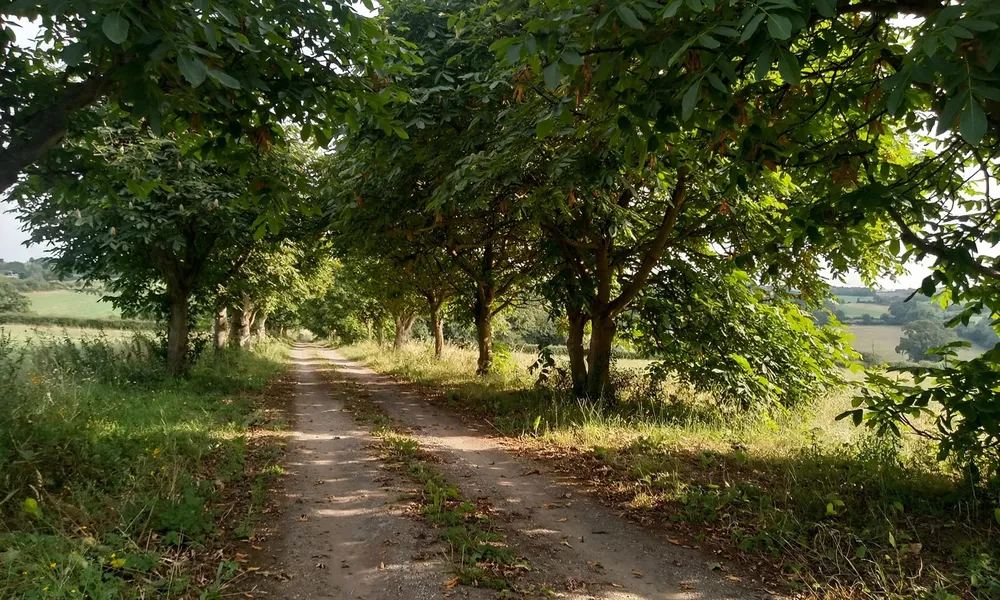
A walnut grove escape is built around a working landscape. The trees are planted in rows, the harvest happens in autumn, and the villages around the groves live off what the land produces: walnuts, walnut oil, duck, truffles in the Périgord, wine in Napa Valley, olive oil in Umbria. The days are shaped by that landscape, with walks in the morning, markets at midday, and long dinners in the evening.
The stay itself is usually a small hotel, a converted mill, a château or a farmhouse, and the best ones are inside the groves rather than beside them. You will spend more time outside than in, so the room matters less than the setting, the garden and the walks.
The trip also needs a different rhythm from a city break. Distances are longer, everything takes a little more time, and the best moments are often unplanned: a market stall you had not read about, a path that opens onto a valley, a lunch that stretches into the afternoon. Planning a grove escape means planning the fixed points, the room, the car and the restaurant tables, and leaving the rest open.
How to plan well and what to look for
Start with the region, not the hotel. The Périgord is the classic walnut landscape, with villages, rivers and markets close together, and it suits a first grove escape. Napa Valley is more polished and more expensive, with wine as the main event and walnuts as part of the landscape. Umbria is the most remote and the most rewarding for walkers, but it needs more driving and more patience.
Look next at the stay itself. A genuine grove retreat should be able to say where its trees are and whether the nuts are harvested on the property. Ask about the restaurant’s opening days, because small estate kitchens often close one or two nights a week, and ask whether tastings and grove tours are included or priced separately. Our guide to planning a chestnut grove escape uses the same checks, because the questions that matter in a grove are the same whatever the tree.
Finally, look at the practical details before you book anything else. Check the drive from the nearest airport or station, confirm that a hire car is available, and check the room for stairs, ground-floor access and a view of the grove rather than the road. A short call or email to the hotel answers all of this in five minutes, and it is the most useful planning you will do.
The 9 steps to planning your walnut grove escape
Pick your region first
What to do: Choose between the Périgord, Napa Valley and Umbria based on what you want most: the Périgord for villages and markets, Napa for wine and polish, Umbria for walking and scale. What to avoid: Picking a hotel before you pick a region, because the best hotel in the wrong region is still the wrong trip. Best for: First-time grove travellers. Time needed: An evening of reading. Standout tip: If you want the classic walnut landscape, the Périgord is the safest first choice.
Choose your season with the harvest in mind
What to do: Go in September or October for the harvest, May or June for green groves and quiet villages, or late spring for long evenings and open restaurants. What to avoid: Booking January or February without checking, because many estates close or run on a skeleton staff. Best for: Anyone who wants the groves at their most alive. Time needed: A quick check of opening dates. Standout tip: Harvest season is the most rewarding and the hardest to book, so decide early.
The harvest is the reason the groves exist, and being there for it changes the trip. The markets are full, the kitchens are cooking with fresh walnuts, and the villages are busy in the best way.
Decide between a working estate and a village inn
What to do: Choose a working estate if you want tastings, walks and farm life, and a village inn if you want restaurants, markets and shops within walking distance. What to avoid: Booking a remote estate and then expecting village life, or booking a village inn and then expecting a private grove. Best for: Couples and small groups. Time needed: An hour of comparing stays. Standout tip: A working estate suits slow days; a village inn suits days with more variety.
Book the stay early, and check the details
What to do: Book three to six months ahead for harvest season, and confirm the room, the view, the stairs and the restaurant’s opening days in the same email. What to avoid: Booking on a photo alone, because a beautiful terrace can face a road and a charming room can be up three flights of narrow stairs. Best for: Harvest-season travellers. Time needed: One email and a reply. Standout tip: Ask for a ground-floor room if stairs are a problem, and ask which rooms face the grove.
Small hotels have few rooms, and the best ones go first. Booking early also gives you time to ask the questions that matter, while the hotel still has the room you want.
Sort transport before you arrive
What to do: Hire a car at the nearest airport or station, and confirm the drive time to the estate before you book the flight. What to avoid: Arriving by train and hoping for a taxi, because rural taxis are scarce and expensive, and buses rarely reach the groves. Best for: Everyone, without exception. Time needed: Half an hour to book a car. Standout tip: A small car is easier on narrow lanes and dirt tracks than a large one.
Set a total budget, not just a room price
What to do: Add up the room, the car, fuel, tastings, transfers, meals and market shopping, and set a daily total you are comfortable with. What to avoid: Budgeting only for the room, because tastings, transfers and dinners in the Périgord and Napa Valley add up quickly. Best for: Anyone travelling for more than three nights. Time needed: An evening with a calculator. Standout tip: Ask the hotel what a typical dinner costs, so the budget is based on a real number.
Grove escapes look cheap on a booking site and feel expensive on the ground, because the best parts are often priced separately. A total budget keeps the trip relaxed instead of anxious.
Book tastings and farm visits in advance
What to do: Reserve walnut oil tastings, farm visits and cooking sessions before you travel, and confirm the times a day or two before. What to avoid: Turning up at a farm or a mill and expecting a tour, because small producers work around the harvest and may not be free. Best for: Food lovers and curious travellers. Time needed: A few emails. Standout tip: Ask the hotel to book for you, because local producers answer hotels faster than strangers.
The tastings are often the best part of a grove escape, and they are also the easiest part to miss. A short email in advance is the difference between a tour and a closed gate.
Pack for the grove, not the hotel
What to do: Pack sturdy walking shoes, layers for cool mornings and warm afternoons, a light waterproof jacket, and a small bag for market shopping. What to avoid: Packing only smart clothes, because the ground under the trees is damp and uneven in autumn, and flat shoes with grip are far more useful. Best for: Walkers and market lovers. Time needed: An evening of packing. Standout tip: Bring a reusable bag, because the markets sell walnuts, oil and cheese by weight.
You will spend more time on dirt tracks than in dining rooms, so pack for the tracks. The hotel will not mind, and your feet will thank you.
Leave gaps in the day on purpose
What to do: Plan one fixed point a day, a lunch or a tasting, and leave the rest of the day open for walks, markets and long meals. What to avoid: Filling every hour, because the best moments in a grove are unplanned, and a full schedule turns a slow trip into a rushed one. Best for: Everyone, especially first-timers. Time needed: Nothing, just restraint. Standout tip: The day with nothing booked in it is often the best day of the trip.
Choosing your region and season
The Périgord suits a first grove escape because everything is close together: the villages, the rivers, the markets and the groves. You can base yourself in one village and see a different grove every day, and the food is the best reason to go. September and October are the harvest months, when the region is at its busiest and its best, and May and June are the quiet alternative.
Napa Valley suits travellers who want wine as well as walnuts, and who are comfortable with higher prices and a more polished stay. The groves are part of a landscape that also grows grapes and olives, and the valley is easy to drive. The harvest in September and October is the busiest season, and the spring is the quietest and often the most pleasant.
Umbria suits walkers and travellers who want scale. The estates are large, the groves are part of a working landscape, and the days are longer and slower. Our guide to planning an olive grove escape follows the same regional logic, because the question is always the same: do you want villages, vineyards or open hills.
The caveats that matter
A walnut grove escape is a wonderful trip, but it is not a trip for everyone, and it is not a trip that plans itself. The estates are remote, the restaurants close on some nights, the harvest brings machinery and early mornings, and the rooms in old buildings have stairs, low beams and small bathrooms. None of that is a reason not to go. It is a reason to plan with your eyes open.
| Detail | What is known |
|---|---|
| Best months | May to June for green groves, September to October for the harvest |
| When to book | Three to six months ahead for harvest season, six to eight weeks for spring |
| Transport | A hire car is usually essential, as estates are often at the end of a dirt track |
| What to book in advance | Tastings, farm visits, cooking sessions and restaurant tables |
| Who should ask about access | Anyone who struggles with stairs, slopes or uneven stone paths |
| Harvest season | Working days with early starts, machinery and some closed paths |
| Restaurant hours | Small estate restaurants sometimes close one or two nights a week |
| What to budget for | Room, car, fuel, tastings, transfers, meals and market shopping, not just the room |
If you have a nut allergy, tell the hotel and the restaurants before you arrive, not at the table. Walnut oil, walnut cake and walnut liqueur are common in these regions, and a kitchen that knows in advance can plan around it. A vineyard escape can be a gentler alternative if walnuts are a problem, because vineyard kitchens work with a wider range of local produce.
Checklist: planning a walnut grove escape honestly
Use these checks before you book, and again a week before you travel.
- Check the region: pick the Périgord, Napa Valley or Umbria based on what you want most, not on a hotel photo.
- Check the season: confirm the restaurant, spa and grove tours are open on your dates, especially in winter.
- Check the stay: ask where the trees are, whether the nuts are harvested on the property, and which rooms face the grove.
- Check transport: hire a car in advance, confirm the drive time, and check that a small car suits the lanes.
- Check the bookings: reserve tastings, farm visits and restaurant tables before you travel, and confirm them a day or two before.
- Check the gaps: leave one fixed point a day and keep the rest open, because the best moments are unplanned.
Frequently asked questions
How many nights should I plan for a walnut grove escape?
Three nights is the minimum, and five is better. Three nights gives you time to learn the paths, visit a market and eat well. Five nights lets you see a second village or a second grove, and gives you a day with nothing booked in it.
Is a walnut grove escape suitable for children?
Often yes, especially on larger estates with gardens and space to walk. Small, quiet hotels and fine-dining restaurants suit older children better.
Do I need to speak French or Italian?
Not fluently, but a few words help a lot in the villages, where English is less common than in the cities. Hotel staff usually speak English, and market stallholders appreciate a greeting in their own language. A phrasebook or a translation app covers the rest.
What should I pack for a walnut grove stay?
Sturdy walking shoes, layers for cool mornings and warm afternoons, a light waterproof jacket, and a small bag for market shopping. In autumn the ground under the trees can be damp and uneven, so flat shoes with grip are more useful than anything smart.
Can I buy walnuts and walnut oil to take home?
Yes, most estates and village markets sell walnuts, walnut oil and walnut liqueur. Ask at reception or in the market, and check customs rules before flying home with food, because some countries restrict plant products.
How far in advance should I book?
For harvest season, three to six months ahead is sensible for the smaller hotels, because they have few rooms and the season is short. For spring and summer, six to eight weeks is usually enough, and midweek stays are easier to find than weekends.
The bottom line
Planning a walnut grove escape is simple once you know the order: region first, then season, then the stay, then the car, then the bookings, and finally the gaps. Get the region right and the rest follows. Book early for the harvest, hire a car, reserve the tastings, and tell the hotel about allergies before you arrive.
Give yourself at least three nights, plan one fixed point a day, and leave the rest open. That is enough time to learn the paths, to eat well, and to understand why a walnut grove is worth travelling for, rather than just looking at.