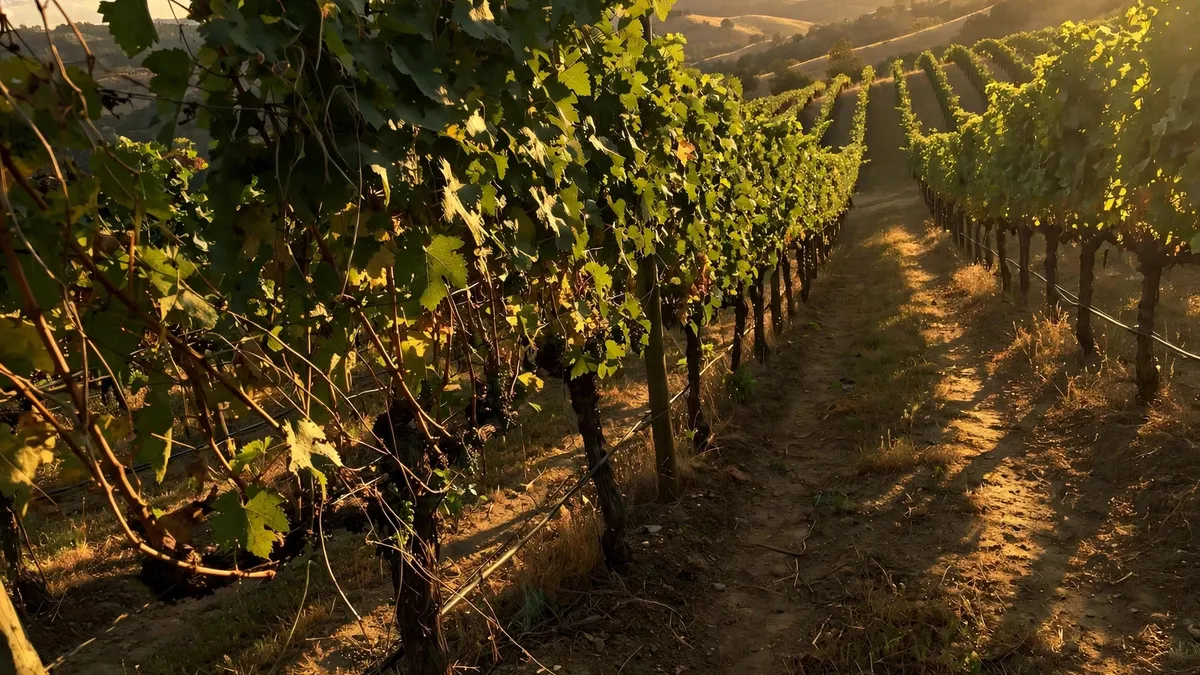

A vineyard escape is a slower kind of luxury trip. It is not a city break with a packed itinerary, and it is not a beach holiday where the days blur together. It is a few days built around vines, long lunches, and the particular quiet of a working landscape, where the best moments are often unplanned: a tasting that runs an hour over, a walk between the rows at golden hour, a dinner that starts at sunset and ends when the candles burn low.
The reason these trips go wrong is rarely the destination. It is the planning. Vineyards are seasonal, rural, and often far from the nearest town, which means transport, tasting bookings, and restaurant reservations all need more thought than they would on a city trip. And a region that is glorious in September can be cold, wet, and half-closed in February.
This guide walks through the nine steps that make a vineyard escape work in 2027, from choosing a region and a season to booking tastings, sorting transport, and packing for days that move between cellar floors and vineyard paths. It is written for first-time vineyard travellers as much as for people who have done it before, and every step is practical rather than aspirational.
Key takeaways
- A vineyard escape is built around a region and a season, not a single hotel, so choose both before you book anything else.
- Book tastings and restaurants ahead, especially in harvest season, because the best rooms seat very few people and fill up fast.
- Sort transport before you arrive, because vineyard regions are rural and taxis are scarce, slow, and expensive.
- Plan one tasting a day at most, and leave long gaps between activities, because the best vineyard days are unhurried.
- No region is good all year round, and a vineyard escape in the wrong season can mean closed tasting rooms, bare vines, and long drives for very little.
What a vineyard escape actually involves
A vineyard escape is a trip where wine is the frame, not the whole picture. The days usually run on a simple rhythm: a slow morning, a tasting or a vineyard walk in the late morning, a long lunch, a rest, and then a second tasting or a dinner in the evening. Some travellers add a cooking class, a cycling route between estates, or a spa treatment. Others do almost nothing at all, which is also a legitimate plan.
What makes it different from a wine tour is the staying. A tour visits a vineyard and leaves. An escape stays in one, or near several, for two to four nights, so the pace is closer to a retreat than a sightseeing trip.
The other thing to know is that vineyards are working farms. Harvest, pruning, and bottling all happen on real schedules, and the people pouring your tasting may be the same people who picked the grapes. That is part of the charm, and part of why the planning needs care. A vineyard is not a hotel with a concierge desk. It is a place with opening hours, limited seats, and a calendar that follows the vines.
How to choose where to go and when
Start with the season, then the region. Harvest, usually September and October in the northern hemisphere and February and March in the southern, is the most atmospheric time to visit, but it is also the busiest, the most expensive, and the hardest to book.
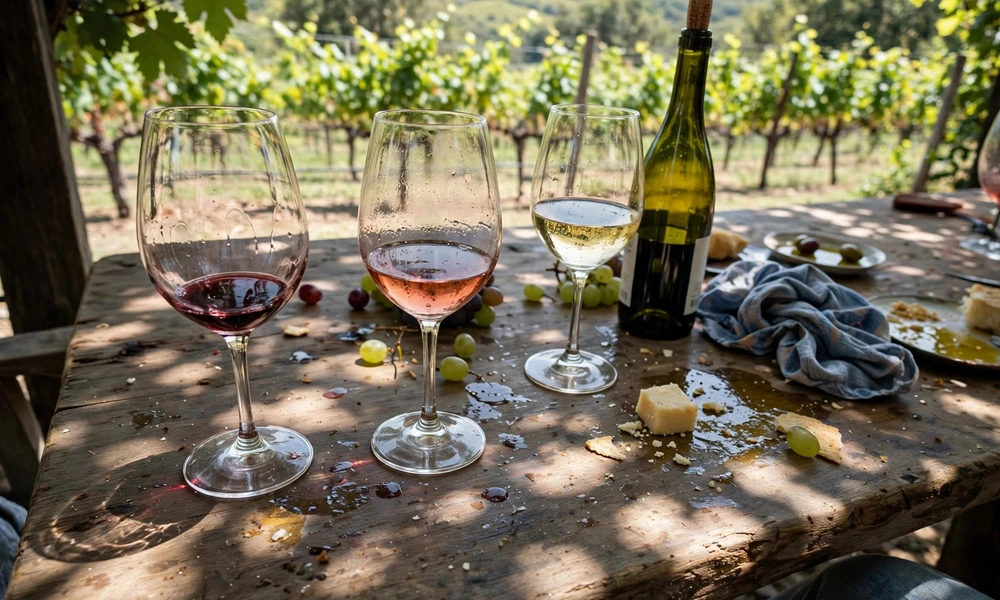
Once you have a season, choose a region that fits how you like to travel. Napa and Sonoma suit first-timers who want well-organised tastings and good restaurants. Tuscany and Piedmont suit travellers who want food and landscape as much as wine. The Douro Valley suits people who do not mind steep roads and long drives. Champagne and Burgundy suit those who want small, focused tastings and are happy to plan ahead. Our roundup of luxury vineyard retreats is a good place to compare estates once you have a region in mind, because it shows how different the stays themselves can be.
Think about how you will move around before you fall in love with a place. Some regions are easy to explore by car, some by bicycle, and some only with a driver. If you do not want to drive, look for a region with a compact cluster of estates near one town, or book a stay that offers transfers.
The 9 steps to plan a vineyard escape
Pick a region and a season together
What to Do: Choose the region and the month in the same conversation, because the two shape each other. Look at harvest dates, local festivals, and weather averages before you commit. What to Avoid: Picking a region first and then discovering the season you want is fully booked, or the vines are bare. Best For: Every vineyard escape, without exception. Time Needed: An evening of research. Standout Tip: If you are flexible on dates, aim for the shoulder weeks just before or after harvest, when the vines are still beautiful and the crowds thin out.
Choose a base, not just a hotel
What to Do: Pick a town or an estate that puts you within easy reach of three or four vineyards, with at least one good restaurant you can walk to. What to Avoid: Booking the prettiest room in a region and then discovering it is an hour from everything else. Best For: First-time vineyard travellers, and anyone travelling without a car. Time Needed: A few hours of comparing locations on a map. Standout Tip: Stay in the vineyard itself if you can. Waking up among the vines changes the whole trip, and it removes the drive home after dinner.
Book tastings before you book flights
What to Do: Reserve your tastings as soon as you have dates, especially for small estates and famous names, and confirm whether the tasting is a walk-in, a seated tasting, or a full tour. What to Avoid: Assuming you can walk in. Many of the best tasting rooms take bookings only, and some take only a handful of guests a day. Best For: Harvest season, weekends, and any estate with a well-known name. Time Needed: An hour of emails or online bookings. Standout Tip: Book one tasting a day, two at the very most, and leave at least three hours between them.
Sort transport before you arrive
What to Do: Decide how you will move between vineyards, and book a driver, a rental car, or a cycling route in advance. Check whether your hotel offers transfers, because many vineyard stays do. What to Avoid: Relying on taxis or ride-hailing in a rural wine region, where both are scarce and slow. Best For: Anyone planning more than one tasting a day, and anyone travelling in a group. Time Needed: Half a day to compare options and book. Standout Tip:
Set a total budget, not just a room budget
What to Do: Add up the room, the tastings, the transport, the meals, and the wine you will almost certainly buy, and set a daily total before you start booking. What to Avoid: Budgeting for the hotel and then being surprised by tasting fees, which can run from modest to very expensive at famous estates. Best For: Travellers who want to enjoy the trip without watching every bill. Time Needed: An hour with a simple spreadsheet or a notebook. Standout Tip: Ask each estate whether the tasting fee is waived with a purchase, because at many places it is, and that changes the maths.
Plan meals as carefully as tastings
What to Do: Book lunch and dinner in advance, especially in harvest season and at weekends, and ask your hotel for recommendations near each tasting. What to Avoid: Finishing a tasting at four in the afternoon and discovering the only restaurant nearby closed at two. Best For: Anyone visiting a rural region, where restaurants are few and fill up early. Time Needed: An hour of booking, spread over a few days. Standout Tip: A long lunch between tastings is not a luxury, it is the plan. It is when you rest, eat properly, and let the morning settle.
Pack for the vineyard, not the hotel
What to Do: Pack comfortable shoes for uneven ground, layers for mornings and evenings, a light jacket for cellar visits, and a bag that can carry a bottle or two home. What to Avoid: Heels on gravel paths, or a suitcase so full there is no room for the wine you will want to bring back. Best For: Anyone walking between vines, visiting cellars, or cycling between estates. Time Needed: An evening of packing. Standout Tip: Cellars are cool even in summer, so bring a layer even on a hot day, and wear shoes you can stand in for an hour.
Leave gaps in the day on purpose
What to Do: Build in two to three hours of unscheduled time every day, for a walk, a nap, a swim, or a tasting that runs long. What to Avoid: Filling the day with back-to-back tastings and then rushing between them, which is how a vineyard escape turns into a wine marathon. Best For: Anyone who wants to actually enjoy the place, rather than tick it off. Time Needed: Nothing, it is the absence of planning. Standout Tip:
Plan the wine home before you buy it
What to Do: Before you buy, check shipping rules, customs limits, and whether the estate can ship directly to your home, because many can. What to Avoid: Buying a case at the first estate and then carrying it through airports, or discovering at customs that you have bought more than you can bring home. Best For: International travellers, and anyone buying more than a couple of bottles. Time Needed: Half an hour of checking rules before the trip. Standout Tip: Shipping from the estate is often cheaper and safer than carrying bottles yourself, and it means you can buy more freely while you are there.
If you are still choosing where to stay, our guide to luxury vineyard hotels compares stays that put you in the vines themselves, which makes the transport and the evenings far simpler.
Vineyard seasons and what changes through the year
Spring is the gentlest season for a vineyard escape. The vines are green, the weather is mild, and the tasting rooms are quiet, which means longer conversations and more attention. Prices are usually lower than in harvest season, and restaurants are easier to book.
Summer is warm, long, and lively, with outdoor lunches, vineyard walks, and late sunsets. If you go in summer, plan tastings for the morning and the late afternoon, and keep the middle of the day for lunch and rest.
Harvest is the most atmospheric season, and the most demanding. The vines are full, the villages are busy, and the energy is real, but so are the prices, the crowds, and the booking pressure. Winter is the quietest season of all. The vines are bare, some tasting rooms close, and the weather can be cold and wet,
The caveats that matter
A vineyard escape is not a trip to improvise. The regions are rural, the tasting rooms are small, and the seasons are real, which means a little planning goes a very long way, and a little carelessness can cost you the best parts of the trip.
| Detail | What is known |
|---|---|
| Best time to visit | Late spring and early autumn, with harvest season the busiest and most atmospheric |
| How many tastings a day | One is ideal, two at most, with at least three hours between them |
| How far ahead to book | Four to eight weeks for harvest season, two to four weeks at other times |
| Transport | Book a driver or a rental car in advance, because taxis are scarce in wine regions |
| Tasting fees | Often waived with a purchase, but they can be high at famous estates, so check first |
| What to pack | Comfortable shoes, layers for cellars and evenings, and room for bottles |
| Who should plan carefully | Non-drivers, large groups, and anyone visiting in harvest season |
| What it does not suit | It does not suit a rushed itinerary, a tight budget with no slack, or a group that wants nightlife |
Drink responsibly, and treat the driver question as part of the plan, not an afterthought. If you are tasting, someone in your group needs to be driving, or you need a driver booked. That is not a footnote, it is the decision that makes the rest of the trip possible. And if you are pregnant, taking medication, or managing a health condition, check with your clinician before a trip built around wine, and plan plenty of non-tasting activities alongside it.
Checklist: planning a vineyard escape honestly
Use these checks before you book, and again a week before you travel.
- Choose the region and the season together, and check harvest dates and weather before you commit.
- Book tastings first, one a day, and confirm whether each one is a walk-in, a seated tasting, or a tour.
- Sort transport in advance, with a driver, a rental car, or hotel transfers, and do not rely on taxis.
- Book lunch and dinner ahead, especially in harvest season, and plan a long lunch between tastings.
- Set a total daily budget that includes tastings, transport, meals, and the wine you will buy.
- Pack for uneven ground and cool cellars, and check shipping and customs rules before you buy wine.
Frequently asked questions
How many days do I need for a vineyard escape?
Two to four nights is the sweet spot. Two nights gives you one full day of tastings and one slower day, while four nights lets you explore a region properly without rushing.
Do I need to book tastings in advance?
Usually yes, and always in harvest season. Many of the best tasting rooms take bookings only, and some seat as few as eight people at a time.
Is a vineyard escape suitable for non-drinkers?
Yes, and most estates now offer a non-alcoholic tasting, a grape juice flight, or a vineyard walk without wine. The food, the landscape, and the walks are worth the trip on their own.
What is the best season for a vineyard escape?
Late spring and early autumn are the easiest seasons, with mild weather, green or golden vines, and fewer crowds. Winter is quiet and cheap, but some tasting rooms close, so check opening hours before you go. A similar seasonal logic applies to other retreat trips, as our guide to planning a garden escape shows, because the garden and the vineyard both follow the year.
How much should I budget per day?
It varies widely by region, but a realistic daily total for a comfortable vineyard escape is the room, plus one tasting, plus transport, plus two meals, plus a bottle or two. Setting a total daily budget before you book, rather than adding it up afterwards, is the only way to keep the trip comfortable without surprises.
Can I visit vineyards without a car?
Yes, if you choose the right region and the right base. Look for a compact cluster of estates near one town, a stay that offers transfers, or a local driver you can book for the day. What does not work is relying on taxis or ride-hailing in a rural wine region, where both are scarce.
The bottom line
The best vineyard escape in 2027 is not the one with the most tastings, the most famous names, or the most expensive room. It is the one with a region and a season that fit each other, a base that puts you close to the vines, tastings booked in advance, transport sorted before you arrive, and enough unscheduled time for the trip to breathe. One tasting a day, a long lunch, and a walk between the rows will give you more than three tastings, a rushed dinner, and a long drive home.
Start with the season, choose a region that fits how you like to travel, book the tastings and the transport, and leave gaps in the day on purpose. That is the honest way to plan a vineyard escape, and it is what turns a good wine region into a trip you will actually remember.