A garden escape is a holiday built around a garden, and planning one is different from planning a city break or a beach holiday. The garden sets the pace, the season, and the mood, and the best garden escapes are the ones where the planning is done quietly in advance, so the holiday itself feels unhurried. That means choosing the right garden, the right season, and the right room, and then leaving enough space in the days to do very little.
The mistake most people make is treating a garden retreat like any other luxury hotel. They book the cheapest room, arrive at midday in the hottest month, and wonder why the garden feels crowded and the outdoor dining is closed. A garden escape rewards a different approach: book the garden-facing room, arrive in the season the garden is at its best, and plan your days around the light, not around an activity list.
This guide walks through the nine steps that matter most, from picking the garden and the season to packing, budgeting, and building rest into the days. Follow them in order, and the garden will do the rest.
Key takeaways
- Choose the garden first and the hotel second, because the garden style sets the mood of the whole holiday.
- Match your dates to the garden, not just to the flight price, since a garden in the wrong season is a different holiday.
- Book a garden-facing room early, as those rooms sell out first and change the stay more than any upgrade.
- Plan days around the light: mornings in the garden, afternoons in the shade, evenings on a terrace.
- No plan guarantees peak bloom or perfect weather, so build in flexibility and a good indoor fallback.
What a garden escape actually involves
A garden escape is a short break, usually three to five nights, at a hotel or estate where the garden is the main attraction. The days are slow by design. You walk the grounds in the morning, eat outside when the weather allows, read or rest in the afternoon, and end the day with a drink on a terrace. There is no pressure to fill the time, and that is the point.
That sounds simple, and it is, but it means the planning is about the garden: what it looks like, when it is at its best, and how you will spend time in it.
The nine steps below cover the decisions that make the difference between a garden escape that feels restful and one that feels like a missed opportunity. They are in the order you should make them, because each one depends on the one before it.
How to plan a garden escape, step by step
Planning a garden escape is mostly about timing and choice. The garden, the season, and the room matter more than the flight or the restaurant reservation, and they should be decided first. Get those three right, and the rest of the plan is simple. Get them wrong, and no amount of planning will fix the holiday.
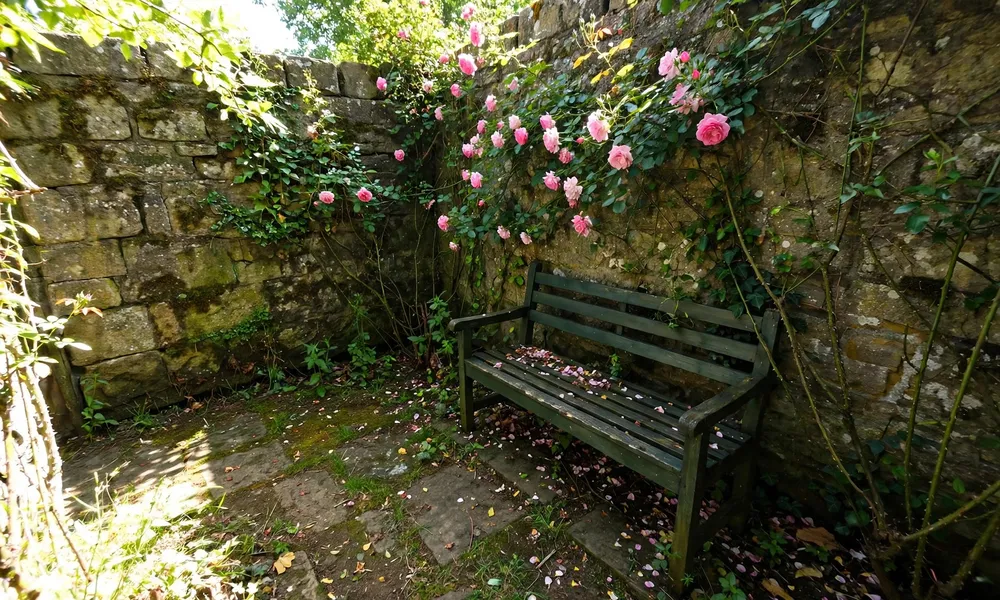
The steps below are written for a first garden escape, but they work just as well for a return visit. If you have been to a garden retreat before, you will know which steps you skipped last time, and which ones you wish you had taken seriously. Our guide to planning a meadow escape follows the same logic for open landscapes, and the same principle applies here: the setting is the holiday, so plan around it.
Work through the steps in order, and keep a note of the answers. By the end, you will have a garden, a season, a room, a budget, and a plan for the days that leaves room for doing nothing, which is the whole point of a garden escape.
The 9 steps to planning a garden escape
Pick the garden and the season together
What to do: Choose the garden style first, then check when that garden is at its best, and only then pick your dates. A formal Italian garden is best in early summer, an English garden in late spring, and a tropical garden year-round. What to avoid: Do not pick dates first and hope the garden cooperates. A garden in the wrong season is a different holiday. Best for: Everyone, because this is the decision the whole trip depends on. Time needed: An evening of research. Standout tip: Ask the hotel what will be in bloom on your exact dates, not just what the season is supposed to look like.
Decide how long to stay
What to do: Book three to five nights. Three nights is enough to slow down, five nights lets you see the garden at different times of day. What to avoid: Do not book one night. You will arrive, unpack, and leave before you have slowed down. Best for: Couples and solo travellers who want to rest properly. Time needed: Ten minutes, once you know your dates. Standout tip: If you can only spare a weekend, arrive on Friday morning rather than Friday evening, so you get a full day in the garden.
A garden escape needs time to work. The first day is for arriving and settling in, the second day is for the garden, and the third day is when you actually start to relax. A longer stay is better, but three nights is the minimum that feels like a holiday rather than a visit.
Choose the retreat before the transport
What to do: Pick the hotel and the room first, then work out how to get there. The best garden retreats are often in the countryside, and the journey is part of the escape. What to avoid: Do not book a cheap flight to the wrong city and then discover a three-hour transfer. Best for: Travellers who want a calm arrival, not a stressful one. Time needed: An hour of research. Standout tip: Ask the hotel about transfers when you book, because many garden retreats arrange them and it is often cheaper than a taxi.
Sort the transfer before anything else
What to do: Book the transfer at the same time as the hotel, and confirm the time and the meeting point in writing. What to avoid: Do not leave the transfer to the day of travel, especially in the countryside, where taxis are scarce. Best for: Anyone arriving by train or plane. Time needed: Twenty minutes. Standout tip: Keep the hotel’s phone number saved, so you can call if your train or flight is delayed.
Garden retreats are often in places where public transport is thin and taxis need booking. A transfer arranged by the hotel is usually reliable, and it means someone is expecting you. If you are driving, check the parking and the route in advance, because country lanes and sat-nav do not always agree. Our guide to planning a hilltop escape has the same advice for remote locations, and it applies just as well to a garden in the countryside.
Set a total budget, not just a room budget
What to do: Add up the room, meals, spa treatments, garden tours, and transfers, and set a total for the trip. What to avoid: Do not budget for the room alone and then be surprised by the cost of meals and activities. Best for: Anyone who wants to relax without worrying about money. Time needed: Half an hour. Standout tip: Ask what is included when you book, because breakfast, garden tours, and parking are often included and spa treatments are not.
Plan activities for the morning and evening
What to do: Plan the garden for the morning, when the light is best and the gardeners are at work, and plan the evening for the terrace. Leave the afternoon open. What to avoid: Do not fill every hour. A garden escape with a full schedule is not a garden escape. Best for: Everyone, because the garden is best in the morning and the evening. Time needed: An evening of planning. Standout tip: Ask the hotel when the garden is quietest, and plan your walk for then.
The garden changes through the day. Morning is cool and quiet, with the best light for photographs and the most birdsong. Midday is hot and bright, and best spent in the shade or indoors. Evening is soft and golden, and the terrace is the place to be. Plan around that rhythm, and the garden will feel like three different places in one day.
Pack for the garden, not the hotel
What to do: Pack comfortable walking shoes, layers for cool mornings and evenings, sun protection, and a book. What to avoid: Do not pack as if you are going to a city hotel. Heels and a stiff jacket have no place in a garden. Best for: Anyone who wants to spend the day outdoors. Time needed: An hour of packing. Standout tip: Pack a light rain jacket even in summer, because gardens are outdoors and the weather changes.
Book meals and activities early
What to do: Book the restaurant, the garden tour, and any spa treatments when you book the room, especially in spring and early summer. What to avoid: Do not assume you can book on arrival. The best tables and the best tours go first. Best for: Food lovers and anyone who wants a guided garden walk. Time needed: Half an hour. Standout tip: Ask whether the restaurant uses the kitchen garden, and book a table on the terrace if the weather allows.
Meals are part of a garden escape, not an afterthought. A restaurant that cooks from its own kitchen garden is worth booking in advance, and a garden tour with the head gardener is often the highlight of the stay. Both sell out, especially in peak season, so book them early and then stop planning. Our guide to planning a valley escape makes the same point about booking ahead for popular activities, and it is just as true in a garden.
Build rest into the days
What to do: Leave the afternoons empty on purpose. Read, nap, sit in the garden, and do nothing. What to avoid: Do not treat rest as wasted time. It is the holiday. Best for: Everyone, because a garden escape without rest is just a hotel stay. Time needed: No time at all, which is the point. Standout tip: Choose a favourite spot in the garden on the first day, and return to it every afternoon.
When to go and what the garden will look like
Spring is the best season for most garden escapes, because the flowers are out, the light is soft, and the gardens are fresh. Late spring, from late April to early June, is the sweet spot for English and Italian gardens, when the roses, the bulbs, and the herbaceous borders are all at their best. Early summer brings long evenings and full leaf, which suits terraced gardens and outdoor dining.
Autumn is the quieter choice, and often the better one. The crowds thin, the light turns golden, and the gardens take on colour. Ireland and the Mediterranean are at their best in September and October, when the summer heat has gone and the gardens are still green. Winter suits warm-climate gardens, like Udaipur and Bali, where the planting is green year-round and the weather is kindest when Europe is cold.
The hotel will know, and a short email before you book is the best way to avoid disappointment.
The caveats that matter
A garden escape is a simple holiday, but it is not a guaranteed one. The garden will not be at peak bloom on every date, the weather will not always cooperate, and parts of the garden may be closed for maintenance. That is normal, and it is part of visiting a living garden, but it means you should plan for imperfection.
| Detail | What is known |
|---|---|
| Best length of stay | Three to five nights, with three as the minimum that feels like a holiday |
| Best season for most gardens | Late spring to early summer, with autumn as the quieter alternative |
| Best season for warm-climate gardens | Winter for Udaipur, year-round for Bali, spring and autumn for Marrakech |
| Rooms to book first | Garden-facing rooms and private terraces, which sell out first |
| What to book early | The restaurant, the garden tour, spa treatments, and the transfer |
| What to pack | Comfortable walking shoes, layers, sun protection, and a light rain jacket |
| What to leave open | Afternoons, which should be kept free for rest in the garden |
| What it does not guarantee | Peak bloom, perfect weather, or a garden free of maintenance work |
If the weather turns, have a fallback. Most garden retreats have a library, a spa, a good restaurant, or a nearby town worth visiting. A rainy afternoon in a garden hotel can still be a good afternoon, as long as you have not planned every hour around being outdoors. Flexibility is part of the plan, not a failure of it.
Checklist: planning a garden escape honestly
Use these checks before you book, and again before you travel.
- Check the garden and the season together: pick the garden style first, then the dates when it is at its best.
- Check the room: ask for a garden-facing room or a private terrace, and book it early.
- Check the transfer: book it with the hotel, confirm the time in writing, and save the hotel’s number.
- Check the total budget: add up the room, meals, spa, tours, and transfers before you book.
- Check the bookings: reserve the restaurant, the garden tour, and any spa treatments in advance.
- Check the packing: comfortable shoes, layers, sun protection, and a light rain jacket, plus one smart outfit for dinner.
Frequently asked questions
How far in advance should I book a garden escape?
Three to six months is sensible for spring and early summer, when the best rooms and the best tables go first. For autumn and winter, six to eight weeks is usually enough. If you want a specific garden-facing room, book as early as you can.
Is a garden escape suitable for a short weekend?
Yes, if you arrive on Friday morning and leave on Sunday evening. Three nights is better, but a well-planned weekend in the right garden can still feel restful.
What if it rains for the whole trip?
It happens, and it does not have to ruin the holiday. Gardens look beautiful in the rain, and most retreats have a library, a spa, and a good restaurant. Pack a rain jacket, plan one indoor activity a day, and treat the garden walks as short and frequent rather than long and exposed.
Do I need to be a gardener to enjoy a garden escape?
No. You do not need to know the names of the plants to enjoy a garden. The pleasure is in the walking, the sitting, and the quiet, and a guided tour will teach you enough to make the garden more interesting without turning it into a lesson.
Are garden retreats good for solo travellers?
Yes, often very good. Gardens are safe, quiet, and easy to enjoy alone, and many garden retreats welcome solo travellers. Book a garden-facing room, eat on the terrace, and take the guided walk, which is a good way to meet other guests without any pressure.
How much should I budget for a garden escape?
Most luxury garden retreats start at around £450 to £800 a night, before meals and activities. Add meals, spa treatments, garden tours, and transfers, and a three-night stay will usually cost between £1,500 and £3,000 per person, depending on the destination and the season.
The bottom line
Planning a garden escape is mostly about three decisions: which garden, which season, and which room. Get those right, book the transfer and the restaurant early, and then leave the afternoons empty. The garden will do the rest, and the holiday will feel unhurried in a way that a busy itinerary never does.
Choose the garden first, ask what will be in bloom, and give yourself enough time to sit in it. That is the whole plan, and it is enough.