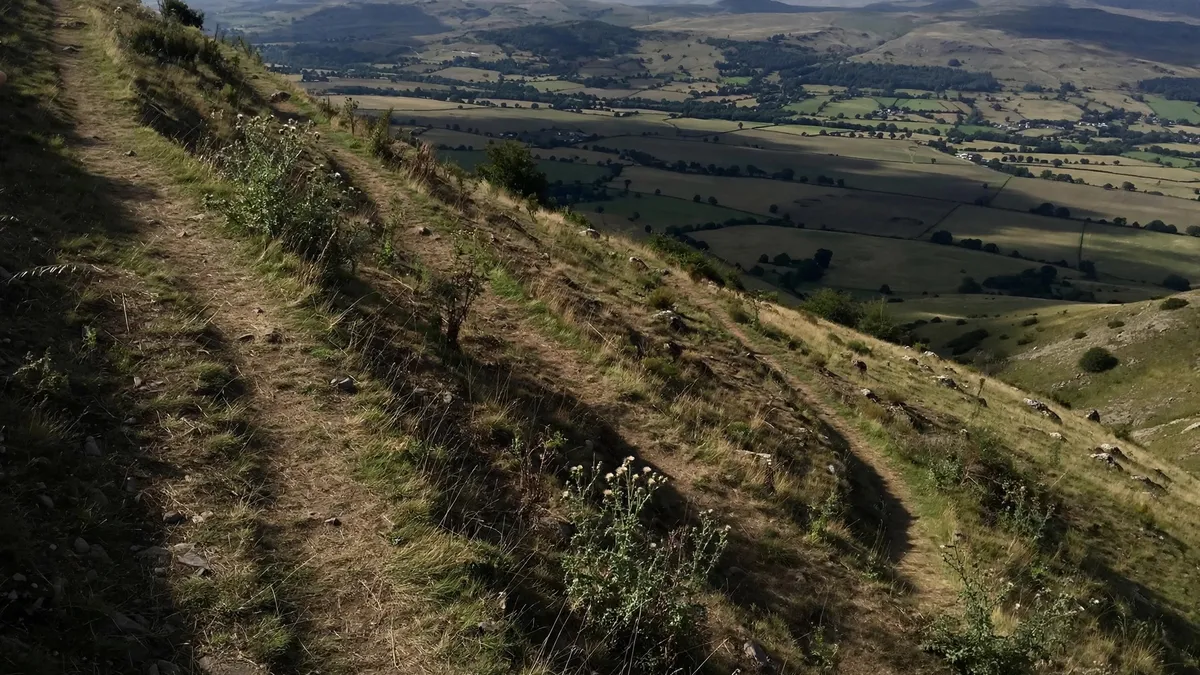

A hilltop escape is a short trip built around height: a stay on a summit or a high plateau, with the valley, the sea or the vineyards below and the horizon in front of you. It is not a sightseeing tour with a hotel at the end of it. The hill is the trip, and the days are shaped by the climb, the weather and the view.
The appeal is simple. Hilltops are quieter than towns, cooler than valleys in summer, and calmer at night, when the lights below switch on one by one. Mornings start earlier up high, with mist in the valley and clean air, and evenings stretch longer, because the sun sets in front of you rather than behind a building. For a long weekend, that feeling of being above the everyday is hard to beat.
This guide walks through the nine steps that make a hilltop escape work, from picking the hill and the season together to packing for the climb and building rest into the days. Follow them in order, and the trip should feel easy rather than effortful, even if the road up is steep.
Key takeaways
- Pick the hill and the season together: hilltops are cooler and windier than valleys, and the best views come with changeable weather.
- Choose the stay before the transport, because the hotel’s position decides the transfer, the driving and the walking.
- Sort the transfer before anything else, and arrive in daylight, because the road up is often narrow, steep or winding.
- Set a total budget, not just a room budget, because transfers, meals and activities at a hilltop stay add up quickly.
- No hilltop escape suits everyone, and steep paths, thin air at altitude and long drives can make a beautiful trip the wrong choice for some travellers.
What a hilltop escape actually involves
A hilltop escape is a stay on high ground, where the elevation is the main attraction. It is not simply a hotel with a nice view from the top floor. The whole property is placed to use the height: terraces face the sunset, pools sit at the edge of the slope, dining rooms look across the valley, and the best rooms are the ones that sit highest. The difference is easy to feel. Down in a town, a view is something you look at. Up on a hill, you live inside it.
The best hilltop escapes share three things. First, they are genuinely high, with open views rather than a glimpse between buildings. Second, they are calm, because the height puts distance between you and traffic, crowds and noise. Third, they make the outdoors easy to enjoy, with terraces, gardens, walking paths or a pool that faces the right way.
Hilltop escapes also come with honest trade-offs. The road up is often narrow and winding, and a stay that feels remote and romantic in daylight can feel a long way from a restaurant or a pharmacy after dark. Wind is stronger up high, mornings can be misty, and in the mountains the air is thinner, so walking uphill takes more effort than you expect. A valley escape is the gentler alternative, with easier roads and flatter walking, while a hilltop trip trades that convenience for the full panorama.
How to plan a hilltop escape well
Start with the hill, not the hotel. Decide what you want the height to give you: vineyards and slow food, drama and altitude, or the sea as well as the height. A Tuscan or Douro hilltop suits wine and long dinners. A mountain lodge suits walking and big skies. A Riviera or Amalfi hilltop suits the coast and the harbour below. Once the hill is chosen, the season and the stay follow naturally.
Next, check the practical details before you fall in love with a photograph. Ask which direction the rooms face, because a west-facing terrace gives you sunsets while an east-facing one gives you sunrise. Check how you get up the hill, whether the hotel runs a shuttle, and whether walking into town is realistic or a steep climb back. A retreat that feels peaceful for two days can feel cut off by day four if you have no easy way down.
Finally, plan the days around the height rather than against it. Mornings are the best time for walking, because the air is cool and the light is soft. Midday is for the spa, the pool or a long lunch in the shade. Evenings are for the terrace, because the sunset is the main event. A stay that could sit anywhere, and happens to be on a hill, is not really a hilltop escape.
The 9 steps to planning a hilltop escape
Pick the hill and the season together
What to do: Choose the hill and the month at the same time, because the same hilltop feels different in May and in August. What to avoid: Booking a summer hilltop in the Mediterranean without checking the heat, or a mountain stay without checking the mist. Best for: Every hilltop trip, before anything else is booked. Time needed: An evening of reading and comparing. Standout tip: Late spring and early autumn give the clearest air and the softest light.
Decide how long to stay
What to do: Allow three or four nights, so the first day can be light and the last day is not a rush. What to avoid: A single night, which spends most of its time on the road up and the road down. Best for: Travellers who want to settle into the height. Time needed: A few minutes with the calendar. Standout tip: Add a night in a nearby town at the start or the end, so the hilltop stay is the middle of the trip, not the whole of it.
Choose the stay before the transport
What to do: Pick the hotel first, then work out how to reach it, because the position decides the transfer. What to avoid: Booking flights and a car before you know whether the hotel runs a shuttle or needs a private driver. Best for: Every hilltop trip. Time needed: An hour of comparing stays and their locations. Standout tip: Ask the hotel directly about the road, the parking and the nearest town before you book anything else.
Sort the transfer before anything else
What to do: Book the transfer at the same time as the room, and ask for a daytime arrival. What to avoid: Arriving after dark on a narrow mountain road you have never driven, or assuming a taxi will be waiting at a small station. Best for: Mountain and remote hilltop stays. Time needed: One email or call to the hotel. Standout tip: A private driver costs more than a taxi, but it is worth it on a steep, unfamiliar road.
Set a total budget, not just a room budget
What to do: Add up the room, the transfer, the meals, the activities and the tips, then compare that total across stays. What to avoid: Comparing room rates alone, when one hotel includes dinner and a shuttle and the other charges for both. Best for: Travellers comparing two or three hilltop stays. Time needed: Half an hour with a spreadsheet or a notebook. Standout tip: Ask what is included before you book, especially breakfast, parking, the shuttle and the spa.
Plan for the climb and the altitude
What to do: Keep the first day light, drink water, and plan the hardest walk for the second or third day. What to avoid: A long uphill walk on arrival, or a full programme on the first morning at real altitude. Best for: Mountain stays above 1,500 metres. Time needed: A few minutes when planning the days. Standout tip: If you feel a headache or tiredness at altitude, rest, drink water and take it slowly.
Pack for the hill, not the hotel
What to do: Pack layers, flat shoes, a light waterproof and sun protection, whatever the forecast says. What to avoid: Heels, a single heavy coat, or no sun protection because the morning was misty. Best for: Every hilltop trip. Time needed: An evening before you travel. Standout tip: A light, packable waterproof is the single most useful item on a hilltop.
Book meals and activities early
What to do: Book the hotel restaurant, the spa and any vineyard or walking tour before you travel. What to avoid: Assuming a small hilltop restaurant will have a table, or that the spa will be free on arrival. Best for: Small hilltop stays and high season. Time needed: An hour, a week or two before departure. Standout tip: Ask the hotel to book the restaurant and the activities for you, as they know what is open.
Build rest into the days
What to do: Leave an afternoon free every day, for the terrace, the pool or the spa. What to avoid: Filling every hour with visits, walks and meals, then arriving home more tired than you left. Best for: Travellers who want to feel rested, not just busy. Time needed: A few minutes when planning the days. Standout tip: The sunset hour is the main event on a hilltop, so keep it free.
Choosing the right hilltop, season and stay
Start with what you want the height to give you. If you want vineyards and slow food, a Tuscan or Douro hilltop is the right call, with wine, walking and long dinners built in. If you want drama and altitude, the Omani mountains or the Himalayan foothills will give you thin air, big skies and a real sense of being far away. If you want the sea as well as the height, the Riviera and the Amalfi Coast offer both, with a harbour or a coastline below. Our roundup of luxury valley retreats covers the lower, gentler alternative if a hilltop feels too exposed.
Think next about how much effort you are happy with. A hilltop stay in Tuscany or the Douro is an easy drive from an airport and a town, with a car and a map. A mountain lodge in Oman or a plateau in the Dolomites needs more planning, a transfer, and a day to adjust to the altitude. Both are worth it, but they are different trips, and the one that suits a relaxed weekend may not suit a first mountain stay.
Finally, match the stay to the season. Hilltops are at their best in late spring and early autumn, when the air is clear, the light is soft, and the temperature is comfortable. Summer can be hot in the Mediterranean and the Douro, and misty in the mountains. Winter is quiet and atmospheric, but some terraces and pools close, and the roads can be slow. A mountain retreat uses the same seasonal logic, because height and weather are always linked.
The caveats that matter
Hilltop escapes are beautiful, but they are not always easy. The road up is often narrow, steep or winding, and driving it at night or in rain is harder than it looks on a map. Altitude affects some people more than others, with headaches, tiredness and poor sleep on the first night, especially above 2,000 metres. Wind and mist can hide the view for a day, and a hilltop that is magical in sunshine can feel exposed in a storm.
| Detail | What is known |
|---|---|
| What makes a true hilltop stay | Built at or near the summit, with open views and real quiet at night |
| Best seasons | Late spring and early autumn, when the air is clear and the light is soft |
| Who should take care | Travellers with mobility issues, vertigo, or sensitivity to altitude |
| Getting there | Often a winding road, a funicular or a private transfer; arrive in daylight |
| Weather up high | Cooler and windier than the valley, with mist and fast-changing conditions |
| What to book first | The stay, then the transfer, then the meals and activities |
| What to pack | Layers, flat shoes, a light waterproof, and sun protection |
| What it does not suit | Trips that need easy town access, nightlife, or flat, step-free walking |
If you have a heart condition, breathing problems, or you are pregnant, check with your doctor before booking a stay at real altitude, and tell the hotel when you arrive. Most hilltop stays are happy to help with a slower first day, a room close to the main building, or a driver for the steepest sections. Asking in advance is always better than struggling on the hill.
Checklist: planning a hilltop escape honestly
Use these checks before you book, and again before you travel.
- Check the hill and the season together: ask what the weather is usually like in your month, and what is open.
- Check the stay: ask which direction the room faces and whether the pool and restaurant face the view too.
- Check the transfer: confirm how you get up the hill, how long it takes, and what it costs.
- Check the budget: add up the room, the transfer, the meals and the activities, and compare the totals.
- Check the walking: ask about steps, slopes and distances between the room, the spa and the restaurant.
- Check the plan: keep the first day light, arrive in daylight, and keep the sunset hour free every day.
Frequently asked questions
How far in advance should I plan a hilltop escape?
Three to six months ahead for the best rooms in spring and autumn, and earlier for a view-facing room or a special occasion. Hilltop stays are often small, with few rooms, so the best ones sell out first. Book the transfer at the same time as the room.
Do I need a car for a hilltop escape?
It depends on the stay. A car is useful in Tuscany, the Douro and the Amalfi Coast, where villages and vineyards are spread out. In the mountains and on small plateaus, a hotel shuttle and a cable car are often easier. Check before you book, and ask about parking if you drive.
What is the best time of year for a hilltop escape?
Late spring and early autumn are usually best, with clear air, soft light and comfortable temperatures. Summer can be hot in the Mediterranean, and winter is quiet but can be misty, with some terraces and pools closed. Check what is open in your month.
Is altitude a problem on a hilltop escape?
Most hilltop stays are below 1,500 metres, where altitude is rarely an issue. Above 2,000 metres, as in Oman, some people notice headaches, tiredness or poor sleep on the first night. Drink water, keep the first day light, and ask your doctor if you have a heart or breathing condition.
Are hilltop escapes suitable for older travellers?
Often yes, if the property has a shuttle, a lift and flat paths between the main areas. Ask the hotel directly about steps and slopes, and choose a room close to the restaurant and spa. Avoid stays that need a long, steep walk to reach the rooms.
How many nights should a hilltop escape last?
Three or four nights is ideal. One night spends most of its time on the road up and the road down, while three nights gives you two full days on the hill. Add a night in a nearby town at the start or the end if you want to explore the area as well.
The bottom line
The best hilltop escape in 2027 is not the highest or the most expensive. It is the one whose hill, season and setting match the trip you actually want, with a stay that faces the view, a transfer that is already sorted, and a first day kept light enough to enjoy the height rather than recover from it. Pick the hill and the season together, choose the stay before the transport, and set a total budget before you book.
Give yourself three or four nights, keep the sunset hour free, and let the view do the work. That is the honest way to plan a hilltop escape, and the reason these trips, above all others, reward a little planning before you go.