



A valley retreat is a different kind of luxury escape. There is no beach to compete with, no city to distract you, and no mountain summit to chase. The pleasure is quieter: a long view down a green floor between two ridges, morning mist that burns off slowly, and a lodge that feels like it belongs to the landscape rather than sitting on top of it. The best valley retreats understand that stillness is the point, and they build everything around it.
The problem is that “valley” is used loosely in travel writing. A hotel on a hillside with a glimpse of a valley floor is not the same as a retreat set inside a valley, where the land wraps around you and the pace slows whether you plan it or not. Some so-called valley retreats are really vineyard hotels, spa resorts, or ranch stays that happen to be near a valley, and the difference matters once you arrive and realise the view you booked is a car park with a hill behind it.
Below are nine luxury valley retreats worth considering in 2027, from a wine valley in Australia to an Alpine valley in Switzerland.
Key takeaways
- A true valley retreat sits inside the valley, not above it, and the setting shapes the whole stay.
- Valley stays reward slow travel: long mornings, short walks, and one or two planned activities a day.
- Choose the valley for the season, because a wine valley in harvest and a mountain valley in snow are different trips.
- Book the stay before the transport, since the best valley retreats are often the hardest to reach.
- No retreat suits every traveller, and a remote valley stay can feel isolating if you want nightlife, shopping, or a busy social scene.
What a valley retreat actually is
A valley retreat is a stay where the valley itself is the attraction. The land between two ridges creates a sheltered microclimate, a slower rhythm, and a sense of enclosure that open coastline or flat countryside does not offer. Mornings tend to be cool and misty, afternoons warm and still, and evenings quiet enough to hear water, birds, and wind rather than traffic. That enclosure is what guests remember most, and it is why a valley stay feels restorative in a way a city hotel rarely does.
The best retreats work with the valley rather than against it. Buildings are low and use local stone and timber, rooms face the valley floor or the river that runs through it, and the schedule follows the light: early breakfasts, long lunches, and afternoons left open.
Valley retreats also suit a particular kind of traveller. They are ideal for couples who want privacy, for walkers who like gentle terrain, for wine and food lovers in vineyard valleys, and for anyone who wants to switch off properly for three or four days.
How we chose these retreats and what to look for
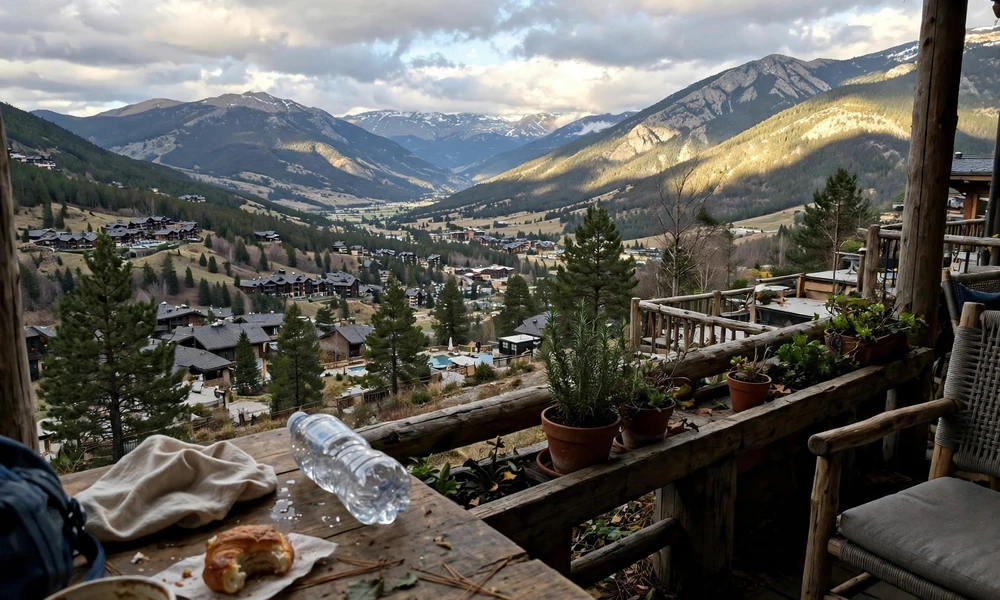
Look first at the setting. A genuine valley retreat should sit on the valley floor or on a low slope inside the valley, with the valley visible from the room and from the main dining and spa areas. If it is on a busy road above the valley, it is a hillside hotel with a view, which is a different stay.
Look next at how the stay is structured. The strongest valley retreats include the things that matter in the rate, such as breakfast, a daily activity, and use of the spa and pools, so you are not paying extra for every small pleasure.
Finally, look at the season and the transfer. A wine valley is at its best in harvest, an Alpine valley in late spring or early autumn, and a river valley after the rains when the water runs clear. The transfer matters too, because valley retreats are often an hour or more from the nearest airport, and a retreat that arranges the transfer well is already looking after you before you arrive. Our guide to planning a mountain escape covers the same transfer logic, and it applies just as well to valleys, where the last stretch of road is often the slowest part of the journey.
The 9 best luxury valley retreats of 2027
Emirates One&Only Wolgan Valley, Australia
What we like: A conservation reserve in the Wolgan Valley in the Blue Mountains, with freestanding villas, a private plunge pool each, and wildlife that wanders past at dawn. What to consider: Remote, with a long drive from Sydney, and a high nightly rate that reflects the all-inclusive format. Best For: Couples and nature lovers who want privacy. Style: Rustic-luxury villa resort. Price Range: Premium, all-inclusive. Standout Feature: A 7,000-acre private reserve in a dramatic sandstone valley.
This is the valley retreat that feels most like a private estate. The villas are spaced far apart, the valley walls rise on both sides, and the included activities, from horse riding to guided walks, are led by people who know the land well.
The Louise, Barossa Valley, Australia
What we like: A stylish stay in the heart of the Barossa, with vineyard views, a celebrated restaurant, and suites that open onto the vines. What to consider: The valley is quiet in winter, and the best suites book out well ahead in vintage season. Best For: Wine lovers and food-focused couples. Style: Contemporary vineyard suites. Price Range: Premium. Standout Feature: Fine dining and cellar-door access in one of Australia’s great wine valleys.
The Louise works because it never tries to be more than it is: a calm, well-designed base in a working wine valley. It is a gentle valley, and the retreat matches it.
Auberge du Soleil, Napa Valley, California
What we like: A hillside retreat above the Napa Valley floor, with olive groves, a sculpture garden, and a restaurant that has defined Napa dining for decades. What to consider: Premium Napa pricing, and the valley gets busy at weekends in harvest. Best For: Couples celebrating, and first-time Napa visitors. Style: Mediterranean hillside inn. Price Range: Premium. Standout Feature: A sculpture garden and valley views from almost every room.
Auberge du Soleil is the classic Napa stay, and it has earned that position by staying consistent: warm service, strong food, and rooms that feel private even when the valley is full.
Meadowood Napa Valley, California
What we like: A wooded estate in the Napa Valley with cottages, suites, and lodges set among oaks, plus golf, tennis, and a renowned restaurant. What to consider: Large grounds mean a walk or a cart to reach some facilities, and rates rise sharply in harvest. Best For: Families and groups who want space and activities. Style: Wooded estate resort. Price Range: Premium. Standout Feature: Private cottages and lodges spread through 250 acres of oak woodland.
Meadowood suits travellers who want a valley stay with more to do. The cottages feel private, the grounds are beautiful, and the activity list is long enough to fill a week without leaving the estate.
Amangani, Jackson Hole, Wyoming
What we like: A stone-and-timber resort on a butte above the Snake River valley, with huge windows, a long outdoor pool, and views across to the Tetons. What to consider: Winter is cold and the valley is snowbound, so it suits travellers who enjoy winter properly. Best For: Couples and skiers who want calm after a day out. Style: Minimalist mountain lodge. Price Range: Premium. Standout Feature: Floor-to-ceiling valley and mountain views from the suites and pool.
Amangani is quiet in the best sense: low buildings, warm materials, and a staff that leaves you alone until you need them. Summer brings hiking and wildlife; winter brings skiing and long evenings by the fire.
The Ranch at Rock Creek, Montana
What we like: A working ranch in a Montana valley, with cabins, lodge rooms, and glamping tents, plus horse riding, fly fishing, and a full activity programme included in the rate. What to consider: Remote, with limited phone signal in places, and a minimum stay in peak season. Best For: Families and active travellers who want an all-inclusive ranch. Style: Luxury ranch resort. Price Range: Premium, all-inclusive. Standout Feature: A 6,600-acre ranch valley with riding, fishing, and a spa.
This is the valley retreat for people who want to be busy outdoors and well looked after indoors. It is also genuinely family-friendly, which many luxury valley stays are not.
Rosewood Castiglion del Bosco, Tuscany, Italy
What we like: A restored medieval hamlet in the Val d’Orcia, with a winery, a golf course, and suites in old stone farmhouses. What to consider: The estate is large and spread out, so a car helps, and the valley is hottest in high summer. Best For: Couples and wine lovers who want a Tuscan valley stay. Style: Restored hamlet estate. Price Range: Premium. Standout Feature: A private Brunello winery in a UNESCO-listed valley.
Castiglion del Bosco feels like a small village that happens to be a luxury hotel, which is exactly its charm. The Val d’Orcia is one of the most photographed valleys in Europe, and staying inside it, rather than driving through it, changes the experience completely.
COMO Shambhala Estate, Bali, Indonesia
What we like: A wellness estate in the Ayung River valley near Ubud, with villas in the jungle, a spa, and a strong programme of yoga, hikes, and treatments. What to consider: Steep paths and many steps, so it is not ideal for limited mobility, and the jungle setting means insects and humidity. Best For: Wellness travellers and couples who want a proper reset. Style: Jungle wellness estate. Price Range: Premium, wellness-focused. Standout Feature: Private villas in a river valley with a dedicated wellness programme.
Shambhala Estate is the most inward-looking stay on this list, and it works because the valley does half the work. The river runs below the villas, the jungle is close and loud with birds, and the programme gives structure to days that could otherwise drift.
The Chedi Andermatt, Switzerland
What we like: A large Alpine hotel in the Urseren Valley, with a long indoor pool, a serious spa, and easy access to skiing, hiking, and the Gotthard Pass. What to consider: A big hotel rather than an intimate retreat, and the village is small and quiet out of season. Best For: Skiers, hikers, and families who want Alpine comfort. Style: Contemporary Alpine hotel. Price Range: Premium. Standout Feature: A 35-metre indoor pool and spa in a high Alpine valley.
Andermatt is a working Alpine valley rather than a postcard one, and The Chedi suits it: solid, warm, and well run, with a spa that is genuinely good rather than decorative.
Which valley is right for you
Wine valleys suit travellers who want food and drink to lead the trip. The Barossa, Napa, and Val d’Orcia are the obvious choices, and they work best when you slow down: one cellar door a day, a long lunch, and an afternoon back at the retreat.
Mountain valleys suit active travellers. Jackson Hole, the Urseren Valley, and the Montana ranch valley all reward early starts and full days outdoors, followed by a proper dinner and an early night. A hillside retreat can offer similar views, but a valley floor stay keeps you closer to the river, the trails, and the wildlife.
River and jungle valleys suit travellers who want warmth and a slower pace. The Ayung Valley in Bali is lush and humid, with a focus on wellness and rest rather than sightseeing, and it works best as a three- or four-night reset rather than a single stop on a longer trip. Whichever valley you choose, match it to your energy: a quiet wine valley for rest, a mountain valley for activity, and a river valley for warmth.
The caveats that matter
Valley retreats are not for everyone, and the setting that makes them special can also make them difficult. Remote valleys mean long transfers, limited phone signal, and few alternatives if the weather turns or the restaurant does not suit you. That is part of the deal, but it is worth knowing before you book, not after you arrive.
| Detail | What is known |
|---|---|
| Best length of stay | Three to four nights, so the valley has time to slow you down |
| Best seasons | Harvest for wine valleys, late spring and early autumn for mountain valleys |
| Transfers | Often one to three hours from the nearest airport; arrange it in advance |
| Who it suits | Couples, walkers, wine and food lovers, and anyone who wants quiet |
| Who should think twice | Travellers who want nightlife, shopping, or many sights in one trip |
| What to check before booking | What is included, the minimum stay, and how far the retreat is from town |
| Weather risk | Valleys trap mist and rain, and mountain valleys change fast |
| What it does not offer | A busy social scene, late bars, or a new restaurant every night |
If you have limited mobility, check the terrain before booking. Valley retreats often involve slopes, steps, and uneven paths, and a jungle or mountain valley can be difficult to navigate.
Checklist: planning a valley retreat honestly
Use these checks before you book, and again before you pack.
- Check the map: the retreat should sit inside the valley, not just near it.
- Check what is included: meals, activities, spa use, and transfers should be clear.
- Check the season: harvest for wine valleys, late spring or early autumn for mountain valleys.
- Check the transfer: arrange it before you travel, and allow extra time for the last stretch.
- Check the minimum stay: two or three nights is normal, and one night is rarely enough.
- Check the pace: plan one activity a day, and leave the rest of the day open.
Frequently asked questions
How long should I stay at a valley retreat?
Three to four nights is the sweet spot. One night is barely enough to arrive and slow down, and two nights can feel rushed if the transfer is long.
Are valley retreats good for families?
Some are, and some are not. Ranch valleys and larger estate resorts usually welcome children and have activities for them, while small wellness estates and wine-focused retreats are better suited to adults. Check the retreat’s policy and the activity list before booking.
What is the best season for a valley retreat?
It depends on the valley. Wine valleys are at their best in harvest, usually late summer or early autumn. Mountain valleys are best in late spring and early autumn, when the weather is settled and the trails are open.
Do I need a car at a valley retreat?
Often not, and sometimes a car is more trouble than it is worth. Many retreats include transfers and activities, and the best valley stays are designed to be enjoyed on foot. If you want to explore beyond the retreat, a car helps, but check the roads first: valley roads can be narrow and slow.
Are valley retreats expensive?
Usually, yes. The best ones are remote, small, and staffed generously, which costs money. All-inclusive rates can look high, but they often include meals, activities, and spa use, so compare the total cost, not just the room rate. A vineyard retreat in the same region can be a useful price comparison, since the setting and the season are similar.
What should I pack for a valley retreat?
Layers, comfortable walking shoes, and something warm for the evening, even in summer, because valleys cool quickly after sunset. Add sunscreen and a hat for the day, and leave the formal clothes at home: valley retreats are relaxed, and most have a smart-casual dress code at most.
The bottom line
The best luxury valley retreat in 2027 is not the most expensive or the most remote. It is the one whose valley matches what you want from the trip: a wine valley for slow days and long lunches, a mountain valley for walking and fresh air, or a river valley for warmth and rest. Choose the valley first, then the retreat, and give yourself three or four nights to enjoy it properly.
Book the stay before the transport, check what is included, and plan one activity a day rather than five. A valley retreat works when you let the valley set the pace, and the travellers who enjoy it most are the ones who arrive ready to slow down.



