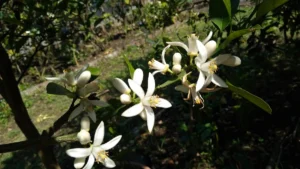
Petitgrain is the quiet note that makes a fresh perfume smell clean rather than sweet. It comes from the leaves and small green twigs of the bitter orange tree, and it smells green, woody and slightly floral at the same time, like crushed leaves with a hint of orange blossom in the background. It is the note behind many of the best-loved citrus colognes, from classic eau de Cologne to modern neroli blends, and it is what keeps a bright opening from turning sugary or sharp.
The problem is that petitgrain rarely appears on the front of a bottle. Brands talk about neroli, bergamot and orange blossom, and petitgrain sits in the middle of the formula doing the balancing work. That makes it hard to shop for. Two perfumes can both list petitgrain and smell nothing alike, because the note changes with the other ingredients around it, with the concentration, and with the quality of the oil itself.
Below are nine petitgrain perfumes worth considering in 2027, from classic colognes to modern eau de parfums. Each one is described by what it does well, what to watch for, and who it suits best, so you can choose by the kind of freshness you actually want, not just by the name on the bottle.
Key takeaways
- Petitgrain is distilled from the leaves and twigs of the bitter orange tree, and it smells green, woody and lightly floral.
- It is most often a top or heart note, so it shapes the opening of a perfume and then fades within a few hours.
- Petitgrain pairs best with citrus, neroli, lavender and light woods, and it keeps sweet or heavy formulas feeling fresh.
- Longevity varies widely: eau de Cologne formulas last two to four hours, while eau de parfum blends can last six or more.
- No petitgrain perfume is a long-lasting evening scent on its own, and a formula that smells harsh or soapy on your skin will not improve with age.
What petitgrain actually smells like
Petitgrain smells like the bitter orange tree itself. The oil is steam-distilled from the leaves and young twigs, which gives it a green, slightly bitter edge that flower oils do not have. At first spray it is bright and herbal, with a clean citrus lift and a faint floral softness underneath. As it settles, the woody, slightly resinous side comes forward, and the scent becomes calmer and more rounded. It is fresh without being cold, and floral without being sweet.
It is easy to confuse petitgrain with neroli and bergamot, because all three come from the same tree. Neroli is distilled from the blossoms, so it is softer, sweeter and more floral. Bergamot comes from the peel of a different citrus fruit, and it is brighter, more sparkling and more lemony. Petitgrain sits between them: greener than neroli, woodier than bergamot, and more herbal than either.
Petitgrain also has a practical job in a formula. It is a natural fixative for citrus notes, which are famously short-lived. A citrus perfume without a green, woody anchor can vanish in an hour. Petitgrain gives the opening something to hold on to, so the brightness lasts longer and the drydown feels more complete.
How we chose these perfumes and what to look for
Look first at the concentration. Eau de Cologne and eau de toilette formulas with petitgrain are usually light, bright and short-lived, which is exactly right for hot weather and daytime wear. Eau de parfum formulas last longer and smell rounder, because the petitgrain is supported by woods, musk or amber in the base. Neither is better in general. The right choice depends on when you will wear it, and how long you need it to last.
Look next at what sits beside the petitgrain. With neroli and orange blossom, it smells soft and Mediterranean. With lavender and rosemary, it smells aromatic and classic, like a traditional barbershop cologne. With vetiver, cedar or sandalwood, it smells drier and more modern, and it works well as an office or evening scent. Our guide to how to choose a perfume is a useful frame here, because the supporting notes decide the character far more than the petitgrain itself.
Finally, test on skin, not on paper. Petitgrain is a volatile note, and it changes quickly. On a blotter it can smell sharp and green for a few minutes and then disappear. On skin, warmed by body heat, it opens more slowly and the woody base comes through. Give any petitgrain perfume at least twenty minutes before you decide, and try it on a warm day if you can, because heat is where this note does its best work.
The 9 best petitgrain perfumes of 2027
Tom Ford Neroli Portofino
What we like: A bright, polished Mediterranean blend in which petitgrain sharpens the neroli and bergamot, with a clean amber and musk base that keeps it elegant rather than casual.
What to consider: Premium price, and the freshness fades after four to five hours on most skin. Best For: Warm days, holidays, and anyone who wants a luxury fresh scent. Material: Petitgrain, neroli, bergamot, amber. Price Range: $250–$400 for 50 ml. Standout Feature: The most refined neroli and petitgrain pairing in this list.
This is the perfume other fresh luxury scents are measured against. It is not the longest-lasting, and it is not the cheapest, but for a clean, sunlit freshness that feels expensive, it remains a strong first choice.
Penhaligon’s Blenheim Bouquet
What we like: A classic English cologne built around petitgrain, lemon and lime, with a dry, woody base that feels traditional without feeling old-fashioned.
What to consider: Light projection, so it sits close to the skin, and it needs reapplying after three to four hours. Best For: Classic tastes, office wear, and warm weather. Material: Petitgrain, lemon, lime, pine. Price Range: $150–$220 for 100 ml. Standout Feature: A heritage cologne that has stayed in production for over a century.
A practical, well-made option for people who want a traditional citrus cologne with real structure. Two or three sprays are enough. More does not make it last longer.
Acqua di Parma Colonia
What we like: The original Italian cologne, with petitgrain lending a green, leafy edge to the lemon, bergamot and lavender, and a soft, soapy drydown that feels effortlessly clean.
What to consider: Short longevity, around three hours, and the scent is deliberately understated. Best For: Everyday freshness, hot climates, and minimalists. Material: Petitgrain, lemon, bergamot, lavender. Price Range: $130–$190 for 100 ml. Standout Feature: The benchmark Italian cologne, unchanged in spirit since 1916.
This is a good starting point if you are new to petitgrain and want to understand the note in its purest, most classic form.
Guerlain Eau de Cologne Impériale
What we like: A bright, sparkling cologne in which petitgrain supports neroli and bergamot, with a soft musk base that keeps it smooth and wearable.
What to consider: Very light, so it works best in heat and needs reapplying through the day. Best For: Summer mornings, light layering, and sensitive noses. Material: Petitgrain, neroli, bergamot, musk. Price Range: $100–$160 for 100 ml. Standout Feature: One of the lightest and most refreshing colognes in this list.
The lightness is genuinely useful. It means the perfume never overwhelms a room, which is exactly what a cologne is for on a hot day.
Annick Goutal Eau d’Hadrien
What we like: A sharp, green citrus built on petitgrain, lemon and citron, with a dry, slightly woody base that keeps it crisp rather than sweet.
What to consider: The opening is bracing and can feel sharp for the first few minutes, and longevity is modest. Best For: Citrus lovers, morning wear, and anyone who finds most fresh scents too sweet. Material: Petitgrain, lemon, citron, cypress. Price Range: $120–$180 for 100 ml. Standout Feature: The greenest, most herbal citrus in this list.
For people who want their freshness to smell like crushed leaves and green fruit rather than flowers, this is an easy, distinctive place to start.
Maison Francis Kurkdjian Aqua Universalis
What we like: A clean, musky fresh scent in which petitgrain gives lift to bergamot and lemon, with a soft white musk base that lasts well into the afternoon.
What to consider: Quiet projection, so it is a skin scent rather than a room-filling perfume, and the price is high for a fresh scent. Best For: Office wear, clean-scent lovers, and layering. Material: Petitgrain, bergamot, lemon, white musk. Price Range: $200–$280 for 70 ml. Standout Feature: The longest-lasting clean musk and petitgrain blend here.
This is the understated, polished entry point. It will not announce itself across a room, but it will still be there, clean and calm, hours after you sprayed it.
Le Labo Bergamote 22
What we like: A bright, modern citrus in which petitgrain adds a green, slightly bitter edge to bergamot, grapefruit and vetiver, with a dry, woody drydown.
What to consider: The vetiver base makes it drier than most citrus scents, so it suits people who like woody freshness. Best For: Modern tastes, daytime wear, and unisex styling. Material: Petitgrain, bergamot, grapefruit, vetiver. Price Range: $200–$300 for 100 ml. Standout Feature: The most modern, vetiver-led take on petitgrain in this list.
A straightforward, contemporary choice for people who want citrus with backbone, and who find classic colognes a little too soft.
Atelier Cologne Orange Sanguine
What we like: A juicy, sunny citrus in which petitgrain keeps the blood orange and geranium from turning too sweet, with a soft woody base.
What to consider: The orange is prominent, so it smells fruitier than the rest of this list, and longevity is around four hours. Best For: Summer, holidays, and anyone who likes a juicy citrus. Material: Petitgrain, blood orange, geranium, sandalwood. Price Range: $130–$190 for 100 ml. Standout Feature: The juiciest, most orange-led petitgrain perfume here.
If your skin is warm and you find green scents too sharp, this fruitier balance is often much more comfortable, while still showing what petitgrain does.
Dior Escale à Portofino
What we like: A bright, almond-softened citrus in which petitgrain and bergamot open the scent, with neroli and a gentle woody base that feels relaxed and Mediterranean.
What to consider: Softer and sweeter than the other entries, so it suits people who want freshness with warmth. Best For: Holidays, spring and summer, and relaxed daytime wear. Material: Petitgrain, bergamot, neroli, almond. Price Range: $130–$190 for 75 ml. Standout Feature: The softest, most almond-rounded petitgrain opening in this list.
A sensible warm-weather choice, especially if you want a fresh scent that still feels gentle and easy to wear all day.
Which petitgrain perfume is right for you
If you want the classic cologne experience, start with Acqua di Parma Colonia or Penhaligon’s Blenheim Bouquet. Both are built around petitgrain in its traditional role, and they teach your nose what the note actually smells like before you spend more.
If you want something more modern, look at Le Labo Bergamote 22 or Maison Francis Kurkdjian Aqua Universalis. Both use petitgrain as a lift rather than the main event, and both pair it with dry woods or clean musk, which makes them feel contemporary and understated. They are better choices if you find classic colognes a little too sharp or too old-fashioned. A citrus perfume guide is a useful frame here, because the supporting notes decide the character far more than the petitgrain itself.
If you want the most luxurious option, Tom Ford Neroli Portofino is the obvious pick. It is the most polished and the most expensive, and it shows petitgrain at its most refined, balancing neroli and amber rather than leading the scent. It is a good choice for special occasions and warm evenings, when you want freshness that still feels like a luxury perfume.
The caveats that matter
Petitgrain is a volatile top note, so it fades fast. Most colognes built around it last two to four hours, and even the longer-lasting eau de parfum blends lose their green lift by the afternoon. That is normal, not a flaw. Fresh scents are designed to be reapplied, and a small travel spray is more useful than a larger bottle you never finish.
| Detail | What is known |
|---|---|
| Source | Leaves and small twigs of the bitter orange tree, steam-distilled |
| Scent profile | Green, woody, lightly floral, with a clean citrus lift |
| Role in a formula | Usually a top or heart note; lifts citrus and anchors freshness |
| Best pairings | Neroli, bergamot, lavender, vetiver, cedar, light musk |
| Typical longevity | Two to four hours for cologne; up to six for eau de parfum |
| Best season | Spring and summer, and warm climates year-round |
| Who should test first | Anyone sensitive to green or herbal notes; test on skin, not paper |
| What it does not do | It does not provide long-lasting base depth on its own |
If you are sensitive to fragrance, or you wear perfume in a scent-free workplace, patch-test first and use one spray. Petitgrain itself is not a common irritant, but citrus oils can sensitise skin in strong sun, so avoid spraying directly on skin that will be in bright sunlight for hours. That is a practical caution, not a reason to avoid the note.
Checklist: choosing a petitgrain perfume honestly
Use these checks before you buy, and again after a week of wear.
- Test on skin and wait twenty minutes: the green opening softens and the woody base appears.
- Check the concentration: cologne for light daytime freshness, eau de parfum for longer wear.
- Check the supporting notes: neroli for softness, lavender for tradition, vetiver for a modern dry finish.
- Spray once, then again after an hour: petitgrain perfumes are meant to be reapplied, not oversprayed.
- Try it on a warm day: heat is where petitgrain smells its best and lasts its longest.
- Keep the bottle cool and dark: citrus and green notes fade faster in heat and light.
Frequently asked questions
What is petitgrain made from?
Petitgrain oil is steam-distilled from the leaves and small green twigs of the bitter orange tree, Citrus aurantium. It is different from neroli, which comes from the blossoms of the same tree, and from bitter orange oil, which comes from the peel of the fruit.
Is petitgrain the same as neroli?
No, although they come from the same tree. Neroli is softer, sweeter and more floral, because it comes from the blossoms. Petitgrain is greener, woodier and more herbal, because it comes from the leaves and twigs. Many perfumes use both together, and our guide to what a neroli perfume is explains the blossom side of the family.
Does petitgrain perfume last long?
Usually two to four hours for an eau de Cologne, and up to six hours for an eau de parfum with a woody or musky base. Petitgrain is a top note, so it fades first. Reapplying through the day is normal for this kind of scent.
Is petitgrain a men’s or women’s note?
Neither. Petitgrain is used in men’s colognes, women’s perfumes and unisex scents alike. Its green, clean character suits anyone, and the supporting notes decide whether a perfume leans traditional, floral or woody.
Can I wear petitgrain perfume in winter?
Yes, but it shines in warm weather. In winter, choose a petitgrain perfume with a woody or amber base, such as a vetiver or sandalwood blend, so the freshness has something warm to hold on to in the cold.
Why does my petitgrain perfume smell different on me than on paper?
Body heat changes volatile top notes quickly. On paper, petitgrain can smell sharp and green and then vanish. On skin, it opens more slowly, the woody base comes through, and the scent lasts longer. Always test on skin before buying.
The bottom line
The best petitgrain perfume in 2027 is not the most expensive or the most famous. It is the one whose supporting notes match your taste, that you enjoy reapplying, and that smells good on your skin in warm weather. For a classic cologne, Acqua di Parma Colonia is a strong choice. For a modern, polished freshness, Maison Francis Kurkdjian Aqua Universalis is the smarter start, and it will still feel clean and calm hours after you sprayed it.
Choose one perfume, wear it for a week in the weather you actually live in, and judge it on how it smells after twenty minutes, not on the first spray.