An itchy scalp is hard to ignore. It distracts you in meetings, it makes you reach for your head without thinking, and it can leave your scalp sore and flaky if you scratch at it for days. The cause is usually simple: dryness, product build-up, a reaction to a new shampoo, or a scalp that is irritated by weather and overwashing. The right hair oil for an itchy scalp does not just coat the hair. It calms the skin underneath it, loosens flakes, and helps the scalp hold on to moisture instead of drying out again by midday.
That is why this guide is organised by scalp type and cause, not just by popularity. A cooling peppermint oil can feel wonderful on a hot, irritated scalp and far too much on skin that is already raw. A gentle rosemary oil can be the right daily choice for a beginner, even if it works more slowly than a targeted treatment. Price is a poor guide on its own. Some of the most reliable scalp oils are mid-priced, and some of the most expensive are designed for shine, not for itch.
Below are nine hair oils worth considering in 2027, from a classic rosemary pre-wash oil to gentle, fragrance-free options for sensitive scalps. Each one is described by what it is good at, what to watch for, and who it suits best, so you can choose with your scalp in mind, not just a bestseller list.
Key takeaways
- An itchy scalp is most often caused by dryness, product build-up, sensitivity to a product, or overwashing, and the cause decides which oil will help.
- Tea tree, rosemary and peppermint oils are the ingredients most often used for itchy scalps, because they cool, calm and help loosen flakes.
- Apply scalp oil to the scalp itself, not just the lengths, and leave it on for at least 20 minutes before washing it out.
- Patch-test every new oil behind your ear first, and use a light hand: too much oil can trap build-up and make itching worse.
- No hair oil treats an underlying skin condition, and an itch that lasts more than a few weeks, or comes with sores, heavy flaking or hair loss, should be checked by a dermatologist.
What makes a scalp itch
A healthy scalp sheds skin cells quietly and keeps its own moisture. When that balance breaks down, the skin tightens, flakes, and sends the itch signal. Dry air in winter, hot showers, and washing too often can strip the scalp of its natural oils. At the other end, washing too little lets sebum, styling products and dead skin pile up, which irritates the skin in a different way. Both ends of the spectrum itch.
Sensitivity is the third common cause. A new shampoo, a fragranced styling product, or a hair dye can leave the scalp red and itchy within a day. The itch usually fades once the product is removed, but it is a sign to simplify the routine. A fourth cause is the yeast that lives naturally on every scalp. When it overgrows, it can cause dandruff, and dandruff almost always itches. Our guide to hair oils for dandruff covers that angle in detail, because dandruff and itch often arrive together.
A good scalp oil softens flakes, calms irritation, and gives the skin a chance to recover, but it is not a cure for eczema, psoriasis or a fungal infection, and it will not work if the real problem is a product you keep using.
How we chose these oils and what to look for
Look first at the active ingredients. Rosemary oil is the most widely used scalp oil for itch, and it is usually paired with tea tree or peppermint for a cooling effect. Tea tree oil is the strongest of the three for flaky, irritated scalps, but it should always be diluted in a carrier oil, never applied neat. Peppermint oil feels cooling and refreshing, which helps when the itch is worst, but it can sting on broken or scratched skin.
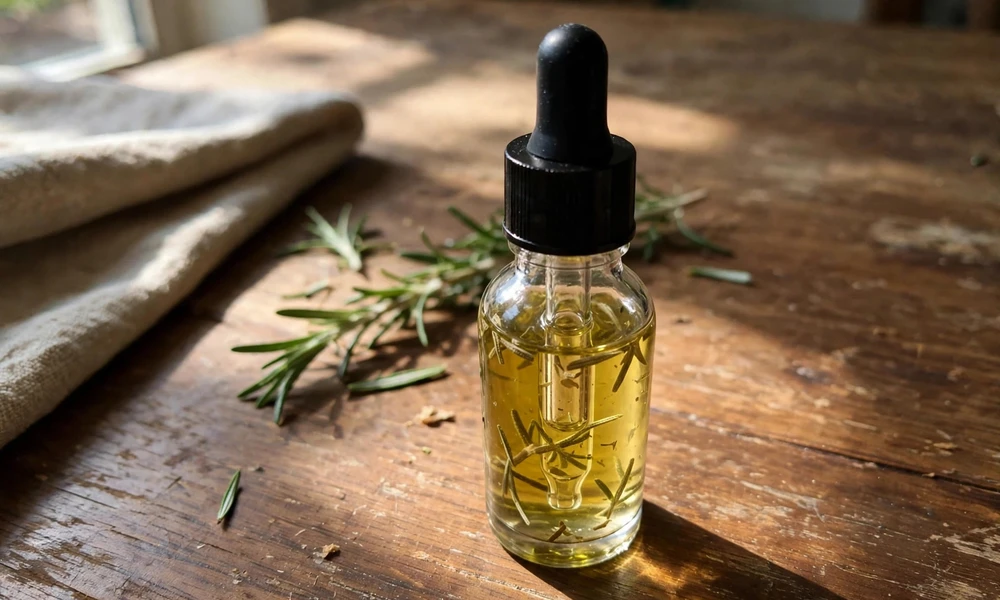
Look next at the carrier oil, because that decides how the product feels on your head. Jojoba oil is close to the scalp’s own sebum and suits most people. Argan oil is light and easy to wash out. Castor oil is thick and rich, which suits very dry scalps but can feel heavy on fine hair. Coconut oil suits coarse, dry hair but can clog pores on some scalps, so use it sparingly if you are prone to spots along the hairline.
Finally, look at the texture and the scent. An oil you enjoy using twice a week is worth more than a stronger one you avoid. A thin, fast-absorbing oil is easier to wash out and less likely to leave residue. A strongly fragranced oil can irritate a sensitive scalp, so fragrance-free or lightly scented formulas are the safer start. Our guide to how to use hair oil explains the basic routine, because the right application matters as much as the right bottle.
The 9 best hair oils for itchy scalp of 2027
Briogeo Scalp Revival Rosemary Pre-Wash Oil
What we like: A rosemary, tea tree and peppermint blend made for the scalp, with a cooling tingle that eases itch quickly, and a texture that washes out cleanly without residue.
What to consider: The tingle is strong, so it may sting on a scratched or very sensitive scalp. Best For: Itchy, flaky scalps and product build-up. Material: Rosemary, tea tree and peppermint oils in a carrier blend. Price Range: $30 to $40. Standout Feature: The pre-wash format, designed to be massaged in and rinsed out after 10 minutes.
Mielle Rosemary Mint Scalp & Hair Strengthening Oil
What we like: A rosemary and mint oil with biotin, widely used for itchy, dry scalps, with a dropper that makes it easy to part the hair and apply it directly to the skin.
What to consider: The mint scent is strong, and the oil is best used as a pre-wash treatment rather than a leave-in. Best For: Dry, itchy scalps and protective styles. Material: Rosemary, mint and soybean oils with biotin. Price Range: Under $15. Standout Feature: The price, which makes it easy to use generously and often.
Act+Acre Cold Processed Scalp Detox Oil
What we like: A lightweight cold-processed oil with baobab, rosemary and amla, designed to dissolve build-up on the scalp without stripping it, and gentle enough for sensitive skin.
What to consider: A lighter touch than the stronger tea tree formulas, so results are more gradual on a very flaky scalp. Best For: Sensitive scalps and product build-up. Material: Baobab, rosemary and amla oils. Price Range: $50 to $70. Standout Feature: The cold-processed method, which keeps the oils stable and the texture very light.
Fable & Mane HoliRoots Hair Oil
What we like: A pre-wash oil based on ashwagandha and dashmool, with castor oil for richness, made to be massaged into the scalp and left on before washing.
What to consider: The castor oil makes it thick, so it needs a thorough shampoo to wash out, and the scent is herbal and distinctive. Best For: Very dry, tight scalps. Material: Ashwagandha, dashmool and castor oils. Price Range: $30 to $40. Standout Feature: The Ayurvedic-inspired formula, built around scalp massage rather than shine.
Paul Mitchell Tea Tree Hair and Scalp Treatment
What we like: A long-running tea tree treatment with peppermint and lavender, designed for itchy, flaky scalps, with a cooling feel that brings quick relief.
What to consider: Tea tree oil is potent, so patch-test first, and do not use it on broken skin. Best For: Flaky, itchy scalps and dandruff-prone skin. Material: Tea tree, peppermint and lavender oils. Price Range: $15 to $25. Standout Feature: The strong tea tree concentration, which makes it one of the most direct options for flake-related itch.
Kiehl’s Magic Elixir Hair Restructuring Concentrate
What we like: A rosemary and avocado oil concentrate that has been sold for decades, with a simple formula and a track record for calming dry, itchy scalps.
What to consider: The rosemary scent is strong, and the oil is rich, so it suits a pre-wash treatment better than a leave-in. Best For: Dry, itchy scalps and damaged hair. Material: Rosemary and avocado oils. Price Range: $30 to $40. Standout Feature: The long history, which makes it one of the most tested scalp oils on the market.
Ceremonia Aceite de Moska
What we like: A lightweight scalp oil with chia, passion fruit and babassu, made for pre-wash scalp massage, with a fresh scent and a texture that does not weigh hair down.
What to consider: A gentler formula, so it is best for mild itch and maintenance rather than a severe flare-up. Best For: Mild itch and sensitive scalps. Material: Chia, passion fruit and babassu oils. Price Range: $30 to $40. Standout Feature: The light texture, which suits fine hair and frequent use.
Davines OI Oil
What we like: A roucou oil blend that adds shine and softness while soothing a dry scalp, with a light texture that works as both a pre-wash oil and a finishing oil.
What to consider: It is made more for shine and softness than for itch, so pair it with a targeted scalp treatment if the itch is strong. Best For: Dry scalps that also need shine and softness. Material: Roucou, jojoba and buriti oils. Price Range: $40 to $55. Standout Feature: The dual use, which makes it the most versatile oil on this list.
Moroccanoil Treatment Light
What we like: A light argan oil treatment that absorbs quickly, calms a dry scalp, and leaves no greasy residue, with a familiar scent and a texture that suits fine hair.
What to consider: A modest amount of active scalp ingredients, so it is a maintenance oil rather than a strong treatment for a bad flare-up. Best For: Fine hair and mildly itchy scalps. Material: Argan and linseed oils. Price Range: $30 to $50. Standout Feature: The light version, which is one of the easiest scalp oils to wash out.
Which oil is right for your scalp
A dry, tight scalp usually does well with a rich oil such as castor or avocado, used as a pre-wash treatment twice a week. The goal is comfort without residue, so an oil that leaves the scalp feeling calm after 20 minutes is a better sign than one that feels strong on application. A flaky scalp often needs tea tree or rosemary, which help loosen flakes and calm the skin underneath them.
A sensitive scalp needs a slower start. Choose a fragrance-free or lightly scented oil, use it once a week for two weeks, and only increase to twice a week if your scalp stays calm. Avoid starting a strong tea tree oil at the same time as a new shampoo or a scalp scrub. Introduce one product at a time, so you know what is helping and what is irritating. A good scalp oil routine is a useful frame here, because the right oil changes as the scalp changes, and a routine that worked in summer may be too light, or too heavy, in winter.
A scalp that itches because of build-up needs a different approach again. Use a clarifying shampoo first, then follow with a light scalp oil, because oil on top of build-up traps it against the skin.
The caveats that matter
Scalp oil is well established as a routine, but it is not a cure-all. It will not clear seborrhoeic dermatitis on its own, it will not replace a medicated shampoo where one is needed, and it will not work if the bottle is rancid or the oil is applied to dirty hair. It can also make things worse if it is overused. Too much oil, left on too long, can trap sweat and bacteria against the scalp, especially in warm weather.
| Detail | What is known |
|---|---|
| Best oils for itch | Rosemary, tea tree and peppermint, diluted in a carrier oil such as jojoba or argan |
| How to apply | Part the hair, apply a few drops to the scalp, massage with fingertips for 2 to 3 minutes |
| How long to leave on | At least 20 to 30 minutes before washing, or overnight for very dry scalps |
| How often to use | Once or twice a week for most scalps; daily use only with a very light oil |
| Who should start gently | Sensitive, reactive or broken skin; start once a week and patch-test first |
| What to avoid | Neat essential oils on the scalp, heavy oil on top of build-up, scratching with nails |
| When to replace it | If it smells rancid, feels sticky, or has been open for more than a year |
| What it does not do | It does not treat eczema, psoriasis or fungal infection, or replace medicated shampoo |
If you are pregnant, breastfeeding, or using prescription scalp treatment, check with your clinician or dermatologist before adding a new oil, especially a strong tea tree or peppermint formula. That is not a formality. Prescription treatments change what your scalp can tolerate, and a simple check avoids weeks of irritation.
Checklist: choosing a hair oil for an itchy scalp honestly
Use these checks before you buy, and again after two weeks of use.
- Check the cause first: dryness, build-up, sensitivity or dandruff, because the cause decides the oil.
- Check the ingredients: rosemary, tea tree or peppermint for itch, in a carrier oil such as jojoba or argan.
- Check the scent: fragrance-free or lightly scented if your scalp is sensitive or easily irritated.
- Patch-test first: apply behind your ear for two to three days before using it on your whole scalp.
- Start slowly: once a week for two weeks, then twice a week if your scalp stays calm.
- Shampoo properly after: wash twice with a gentle shampoo, because leftover oil traps build-up and can make itching worse.
Frequently asked questions
How often should I use hair oil for an itchy scalp?
Once or twice a week is enough for most people. Apply it as a pre-wash treatment, leave it on for 20 to 30 minutes, then shampoo it out. Daily use only suits a very light oil on a very dry scalp.
Can I leave hair oil on my scalp overnight?
Yes, for a dry scalp it can help, but only if the oil is light and your scalp is clean underneath. Use a towel on the pillow, wash thoroughly in the morning, and do not leave oil on a flaky or infected scalp overnight.
Can hair oil make an itchy scalp worse?
Yes, if it is the wrong oil or too much of it. Heavy oil on top of build-up traps residue against the skin, and neat essential oils can irritate. Use a small amount on a clean scalp and wash it out properly.
Is tea tree oil safe for an itchy scalp?
Usually yes, when it is diluted in a carrier oil and patch-tested first. Choose a product that already contains tea tree oil rather than adding drops yourself, and stop if you feel burning or see redness that lasts more than a few minutes.
Should I oil my scalp if I have dandruff?
Often yes, because dandruff and itch usually arrive together, but pair the oil with an anti-dandruff shampoo rather than relying on oil alone. If flakes are thick, yellow or greasy, or the itch does not improve in three weeks, see a dermatologist.
Do I still need shampoo if I use hair oil?
Yes, every time. Oil is a treatment, not a cleanser. Shampoo twice after oiling, because residue left on the scalp is one of the most common reasons an itch comes back.
The bottom line
The best hair oil for an itchy scalp in 2027 is not the strongest or the most expensive. It is the one that matches your cause, that you will use once or twice a week, and that leaves your scalp feeling calm rather than coated. For a dry, tight scalp, a rich rosemary or castor oil is a strong choice. For a flaky scalp, a tea tree blend is the smarter start, and it will still need a good shampoo alongside it.
Choose one oil, use it consistently for three weeks, wash it out properly, and judge it on whether the itch fades, not on how strong it feels on day one. That is the honest way to get the benefit scalp oil is known for, without the build-up that makes people give up on it.