



Lip gloss is designed to stay put. The same oils, waxes and film-formers that give it shine and grip also make it cling to the lips long after you want it gone, and scrubbing it off with a rough tissue usually makes things worse. It leaves a sticky residue, drags at dry skin, and can leave lips red and sore by the next morning.
Removing lip gloss properly is a small skill, but it matters. Lips have thin, delicate skin with no oil glands of their own, so they are easy to irritate and slow to recover. A gentle removal routine protects that skin, keeps the lip line smooth, and means your next gloss or lipstick goes on evenly instead of catching on flakes and sore patches. The difference between a five-minute gentle removal and a rough scrub shows up the next morning, in lips that are either smooth and ready for gloss again or sore, flaky and in need of a day off.
This guide covers nine simple steps for removing lip gloss in 2027, from blotting the top layer to the balm you apply afterwards. Each step explains what to do, what to avoid, and how long it takes, so you can take gloss off in under five minutes without scrubbing your lips raw.
Key takeaways
- Blot first, then dissolve the gloss with an oil, balm or micellar water, rather than scrubbing it off dry.
- Let the remover sit for a minute so it can break down the gloss, then wipe gently in one direction.
- Use a soft cloth or cotton pad, not a rough tissue or a harsh makeup wipe, on the delicate lip skin.
- Clean the lip line and corners carefully, because that is where gloss and liner residue hides.
- Scrubbing, hot water and alcohol-based removers can strip and irritate lips, and a gloss that will not budge may be a long-wear formula, not a true gloss.
Why lip gloss is hard to remove
Modern lip gloss is built to last. Most formulas combine plant oils or mineral oil with waxes, silicones and film-forming polymers that create a flexible layer over the lips. That layer resists water, survives a cup of tea, and holds shine for hours. That staying power is exactly what people want from a gloss, which is why the removal step deserves the same attention as the application.
Long-wear and plumping glosses are the hardest to remove, because they add extra film-formers or a light stain underneath the shine. If a gloss survives a meal and still looks fresh, it is probably closer to a liquid lipstick than a true gloss, and it needs an oil-based remover rather than a water-based one. Knowing which type you are wearing is the first step to removing it without a fight.
How to remove lip gloss gently
The principle is simple: dissolve, do not scrub. An oil-based remover, a cleansing balm or a plain lip balm will break down the waxes and film-formers in a gloss far more effectively than water or a dry wipe. Micellar water also works for lighter glosses, because the tiny cleansing molecules lift oil and pigment from the skin without harsh rubbing.
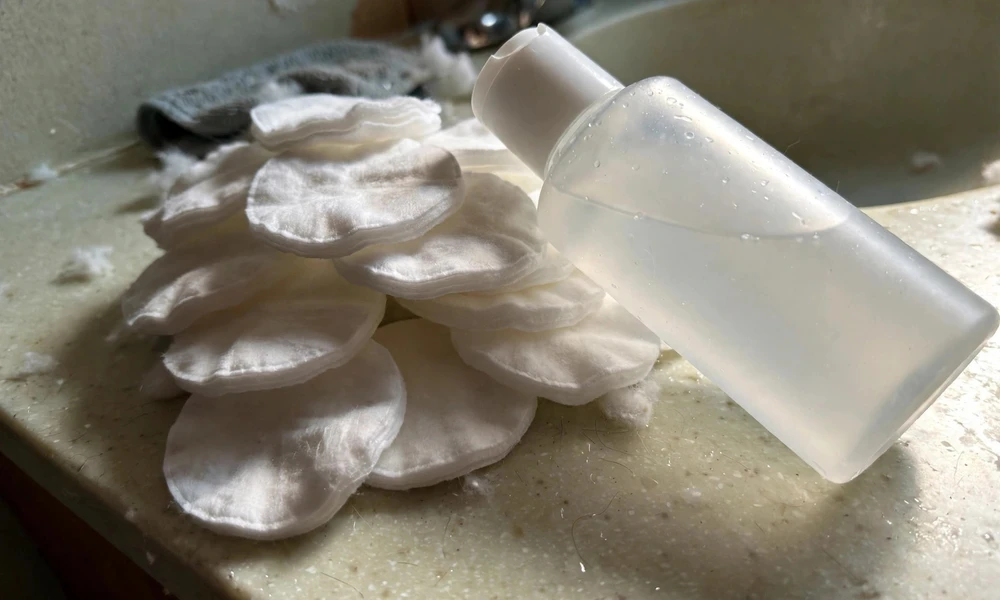
Start by blotting the top layer of gloss away with a tissue, which removes the bulk of the product in seconds. Then apply your remover, wait about a minute, and wipe gently in one direction. One slow, soft wipe removes more gloss than ten quick scrubs, and it leaves the lip surface intact. Our guide to how to apply lip gloss covers the other end of the routine, because a gloss that goes on smoothly over cared-for lips is also easier to take off.
The tools matter as much as the product. A soft cotton pad, a damp flannel or a reusable cloth is enough. Avoid rough paper towels, exfoliating wipes and anything with a gritty texture on the lips, because the skin there is thinner than the skin on your face and it bruises easily. If you wear gloss daily, keep a small pot of cleansing balm and a stack of cotton pads by the sink, so removal becomes a habit rather than a chore. A small, dedicated removal kit also saves time, because you are not hunting through drawers for a cotton pad while gloss dries on your lips.
The 9 steps to remove lip gloss
Start with clean, dry hands
What to do: Wash your hands with a mild soap and dry them before you touch your lips. What to avoid: Touching your lips with hands that have handled food, cleaning products or sunscreen. Best for: Every removal, especially after eating. Time needed: 30 seconds. Standout tip: Clean hands stop you transferring dirt and bacteria to freshly cleaned lips.
It is a small step that is easy to skip, but it matters. Lips are quick to react to anything irritating, and clean hands are the cheapest way to keep the routine gentle.
Blot away the top layer first
What to do: Press a clean tissue gently against your lips and hold it for a few seconds, then lift it away. What to avoid: Rubbing the tissue back and forth, which smears gloss into the lip line. Best for: Thick, high-shine glosses and layered gloss over lipstick. Time needed: 15 seconds. Standout tip: One firm press removes more product than several quick dabs.
Blotting takes off the loose top layer, so the remover underneath has less work to do. It also stops the gloss from spreading across your chin and cheeks during the next steps. If the gloss is very thick, blot twice with a fresh section of tissue before you reach for the remover.
Choose a gentle remover
What to do: Pick an oil-based remover, a cleansing balm, a plain lip balm, or micellar water for a light gloss. What to avoid: Alcohol-based toners, nail polish remover, or harsh makeup wipes with strong fragrance. Best for: Matching the remover to the gloss: oil for long-wear, micellar water for sheer gloss. Time needed: 10 seconds. Standout tip: If you have nothing else, a plain lip balm rubbed over the gloss will dissolve it.
The right remover does the work for you. Oil dissolves oil, so an oil-based product breaks down gloss quickly, while a water-based wipe has to rely on friction, which is exactly what irritates lips.
Apply the remover and wait a minute
What to do: Smooth a generous layer of remover over the lips and leave it for about a minute. What to avoid: Wiping immediately, which wastes the remover and forces you to scrub. Best for: Long-wear, plumping and layered glosses. Time needed: 1 minute. Standout tip: Use the waiting minute to remove eye makeup, so nothing is wasted.
Waiting is the step most people skip, and it is the one that makes the biggest difference. A minute is enough for the oils to soften the waxes and film-formers, so the gloss lifts off instead of resisting.
Wipe gently in one direction
What to do: Take a soft cotton pad or damp cloth and wipe from the centre of the lips outward, in one smooth direction. What to avoid: Scrubbing back and forth, which drags at dry skin and pushes pigment into cracks. Best for: Every gloss, especially tinted and dark shades. Time needed: 20 seconds. Standout tip: Fold the pad to a clean side for the second wipe, so you are not pushing gloss back on.
One-direction wiping is gentler and more effective than scrubbing. It lifts the dissolved gloss away from the lips instead of grinding it into the surface. If the pad comes away clean on the second wipe, the gloss is gone, and there is no need to keep wiping.
Use a soft cloth, not a rough wipe
What to do: Choose a soft cotton pad, a damp flannel, or a reusable makeup cloth with a smooth side. What to avoid: Rough paper towels, dry tissues, and exfoliating wipes on the lips. Best for: Sensitive, dry or easily irritated lips. Time needed: No extra time. Standout tip: A damp flannel is often gentler than a dry cotton pad, because the water softens the cloth.
The lip surface is thinner than the skin on your cheeks, so it shows rough treatment quickly. A soft cloth costs nothing extra and saves you from waking up with sore, flaky lips.
Clean the lip line and corners carefully
What to do: Use the edge of a cotton pad or a cotton bud with a little remover to clean the lip line and the corners of the mouth. What to avoid: Digging at the corners with a fingernail, which can split the skin. Best for: Dark glosses, gloss worn over liner, and layered lip looks. Time needed: 20 seconds. Standout tip: Check in a mirror with good light, because residue hides in the corners.
Gloss and liner collect at the edges, and a faint ring of leftover colour is the most common sign of a rushed removal. A cotton bud reaches the corners without any pressure on the skin.
Rinse with lukewarm water
What to do: Splash the lips with lukewarm water, or wipe them with a damp cloth, to remove any leftover remover. What to avoid: Hot water, which strips moisture from already delicate lips. Best for: Removing oily residue before you apply balm. Time needed: 15 seconds. Standout tip: Lukewarm water is enough; you do not need a cleanser on the lips at this stage.
A quick rinse leaves the lips clean and ready for balm. It also removes any remover residue that could sit on the lips overnight and cause irritation.
Follow with balm straight away
What to do: Apply a plain, fragrance-free lip balm as soon as the lips are clean and dry. What to avoid: Leaving bare lips for hours, or applying another gloss straight over freshly cleaned lips. Best for: Every removal, and especially before bed. Time needed: 10 seconds. Standout tip: A thicker balm at night works as an overnight treatment while you sleep.
Freshly cleaned lips lose moisture quickly, so balm straight away is the step that protects all the gentle work you have just done. It seals in moisture and gives the lips time to recover before the next gloss. Overnight, the balm has hours to work without being disturbed by eating, drinking or talking. For more on keeping lips smooth between gloss days, our guide to lip exfoliation at home explains how a gentle weekly exfoliation keeps the surface even.
What to use, and what to avoid
The best removers for lip gloss are the simplest ones. A cleansing oil or balm dissolves gloss quickly and leaves the lips soft. Micellar water is a good lighter option for sheer glosses, and a plain lip balm works in a pinch, because its oils break down the gloss underneath. Coconut oil, jojoba oil and olive oil all work too, if you prefer a single-ingredient option, though they can feel heavy on some skin.
What to avoid is anything that relies on friction or harsh solvents. Alcohol-based toners dry the lips and sting on any small crack. Rough wipes and paper towels drag at the skin. Nail polish remover and hand sanitiser should never go near the lips. If a gloss will not come off with oil and a soft cloth, it is probably a long-wear stain, and a second round of remover with a minute of waiting will do more than harder scrubbing. Patience is the real remover here, and it costs nothing.
The caveats that matter
Removing gloss should never hurt. If wiping makes your lips sting, bleed or feel raw, stop and switch to a gentler method. Pain is a sign that the skin barrier is already damaged, and continuing to scrub will make it worse. Let the lips heal with plain balm for a day or two before wearing gloss again, and skip plumping formulas until the surface is smooth.
| Detail | What is known |
|---|---|
| Best method | Blot first, dissolve with oil or balm, wipe gently in one direction |
| Best removers | Cleansing oil, cleansing balm, micellar water, plain lip balm |
| What to avoid | Alcohol toners, rough wipes, hot water, scrubbing back and forth |
| Hardest glosses to remove | Long-wear, plumping and layered gloss over lipstick or liner |
| How long it takes | Three to five minutes for a full, gentle removal |
| Aftercare | Plain balm straight away, thicker balm overnight |
| When to stop | If lips sting, bleed or feel raw, switch to balm only and let them heal |
| What it does not do | Removal does not exfoliate or repair lips on its own |
If your lips are chronically dry, removal is only half the routine. A daily balm habit, gentle exfoliation once or twice a week, and drinking enough water all matter more than any single remover. Our roundup of hydrating lip balms is a useful starting point for the balm step, because the right balm makes every gloss easier to wear and easier to remove.
Checklist: removing lip gloss without damaging your lips
Use these checks every time you take gloss off, and again when a gloss feels hard to remove.
- Wash your hands first, then blot the top layer of gloss away with a clean tissue.
- Choose a gentle remover: oil, cleansing balm, micellar water, or plain lip balm.
- Let the remover sit for a minute so it can dissolve the gloss before you wipe.
- Wipe gently in one direction with a soft cotton pad or damp cloth, never scrub back and forth.
- Clean the lip line and corners with a cotton bud, and rinse with lukewarm water.
- Apply a plain balm straight away, and use a thicker balm overnight for repair.
Frequently asked questions
Can I remove lip gloss with just water?
Water alone will not dissolve most glosses, because they are oil-based. It can remove a very sheer gloss, but for anything with real shine or colour, you need an oil, balm or micellar water to break it down first.
Is micellar water good for removing lip gloss?
Yes, for light and sheer glosses. Soak a cotton pad, hold it against the lips for a few seconds, then wipe gently. Give the micelles a moment to work before you wipe, so the gloss lifts off instead of smearing. For long-wear or plumping glosses, an oil-based remover works better and needs less rubbing.
Can I use makeup wipes to remove lip gloss?
You can, but choose soft, fragrance-free wipes and do not rely on scrubbing. Many wipes are rough and rely on friction, which irritates lips. A cotton pad with cleansing oil is usually gentler and more effective.
Why is my lip gloss still there after I wash my face?
Most face cleansers are water-based and are not designed to dissolve gloss. The film-formers in a gloss need an oil-based remover first. Remove the gloss before you cleanse your face, and the rest of your routine will be easier.
Should I exfoliate my lips after removing gloss?
Not every time. Gentle exfoliation once or twice a week is enough. Exfoliating after every gloss removal can strip the lips and make them sorer, especially if they are already dry.
What should I put on my lips after removing gloss?
A plain, fragrance-free lip balm, applied straight away. A thicker balm at night works as an overnight treatment. Avoid another gloss or a lipstick straight after removal, and give your lips a little time to recover.
The bottom line
Removing lip gloss well is not about force. Blot the top layer, let an oil or balm dissolve the rest, wipe gently in one direction, and finish with balm. The whole routine takes three to five minutes, and it leaves your lips smooth, comfortable and ready for the next time you want to wear gloss.
Make it a habit, and the difference shows quickly. Lips that are cleaned gently stay smoother, hold gloss better, and rarely need rescuing with a heavy repair balm. That is the honest payoff of a five-minute routine done properly.



