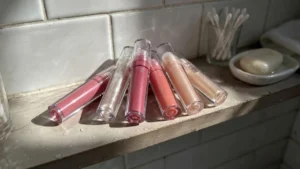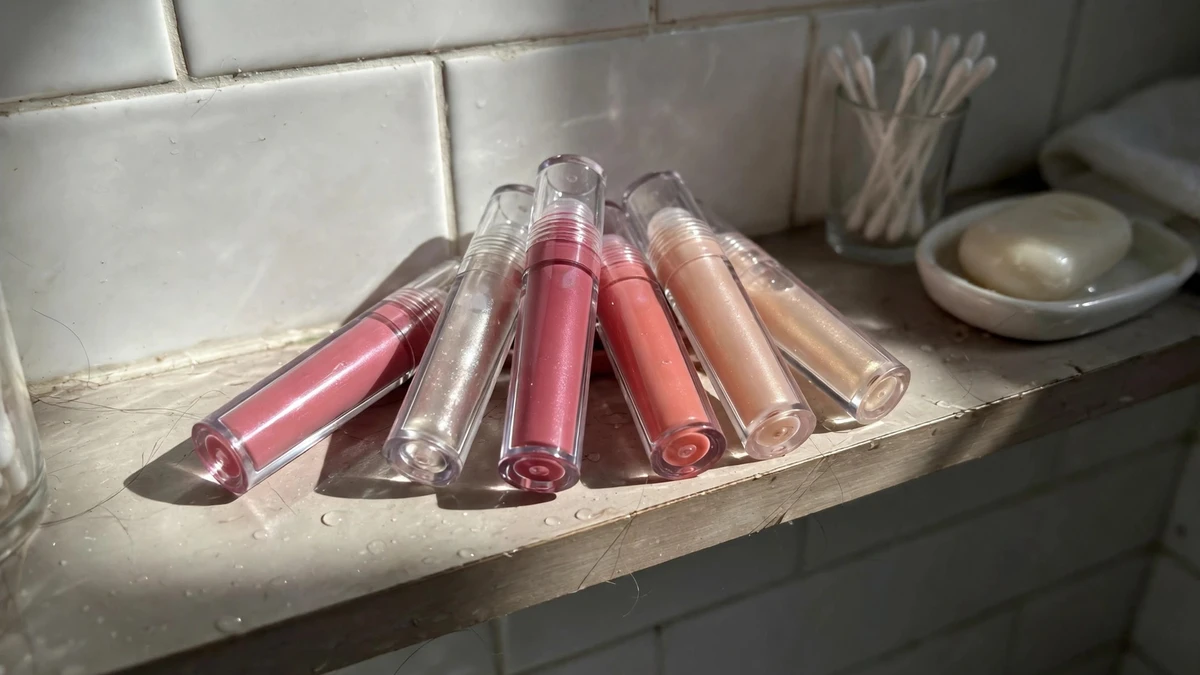

Dry lips and lip gloss have a complicated relationship. A gloss can make lips look instantly healthier, softer and more cared for, and it can also make dryness worse if the formula is mostly shine and no substance. The difference is not the brand name or the price. It is what is inside the tube: whether the gloss carries real hydrating ingredients, whether it sits comfortably for hours, and whether it leaves lips in better condition when it wears off.
The best lip glosses for dry lips in 2027 are the ones that behave like a treatment and a colour product at the same time. They use oils, butters and humectants such as hyaluronic acid, shea butter and squalane, and they avoid the drying alcohols and heavy menthol that make some glosses feel tingly for a minute and tight for hours. They also come in textures that suit real life: a cushion-soft gloss for daytime, a thicker balm-gloss for cold weather, and a sheer wash of colour for days when a full lipstick feels like too much.
Below are nine glosses worth considering in 2027, chosen for dry, flaky or easily chapped lips. Each one is described by what it does well, what to watch for, and who it suits best, so you can pick a gloss that actually helps your lips, not one that only photographs well.
Key takeaways
- The best lip glosses for dry lips combine shine with hydrating ingredients such as hyaluronic acid, shea butter, squalane or plant oils.
- A gloss that feels comfortable after an hour is a better sign than one that looks impressive in the first minute.
- Sheer and tinted glosses are usually kinder to dry lips than opaque, high-pigment formulas, which can settle into flakes.
- Apply gloss over a thin layer of lip balm, and exfoliate gently once or twice a week so the gloss sits smoothly.
- No gloss heals severely cracked or bleeding lips on its own, and a formula that stings, burns or leaves lips drier after it wears off should be set aside.
What lip gloss actually does for dry lips
A lip gloss is, at its simplest, a thick liquid that coats the lips with shine. For dry lips, that coating matters more than it looks. Lips have no oil glands of their own, so they lose moisture quickly, especially in cold air, wind and centrally heated rooms. A gloss forms a light barrier over the surface, slowing that moisture loss, and if the formula contains humectants it can also draw a little moisture into the top layer of skin while it sits there.
The trouble starts when a gloss is mostly film-formers, wax and pigment with nothing underneath to hydrate. Those formulas look glossy for twenty minutes, then dry down, tighten, and make flakes more visible than before. That is why the ingredient list matters more than the shade name. Look for hyaluronic acid, glycerin, squalane, jojoba oil, shea butter or ceramides near the top of the list, and be cautious with formulas that lead with alcohol denat or a strong cooling agent.
How we chose these glosses and what to look for
Look first at the texture. A gloss for dry lips should feel cushiony, not sticky in a dragging way, and it should spread easily over lips that are not perfectly smooth. A thick, balm-like gloss is often the most comfortable in winter, while a lighter, oil-like gloss suits warmer months and layering over lipstick.
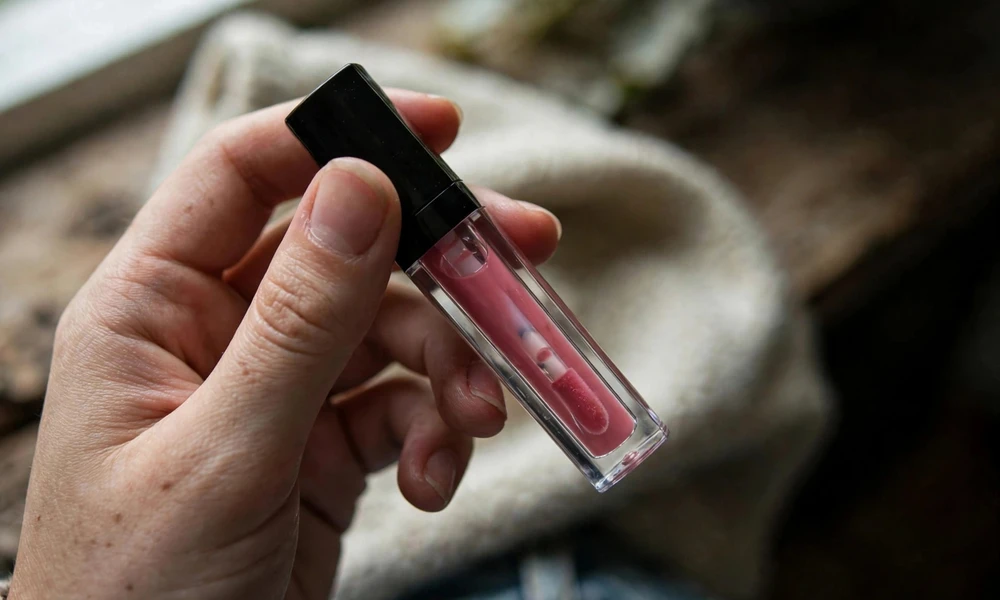
Look next at the finish and the pigment level. Sheer and lightly tinted glosses are the most forgiving on dry lips, because they do not pool in cracks or outline flakes the way an opaque colour can. A sheer wash of rose, nude or berry flatters most skin tones and is easy to reapply without a mirror. If you want more colour, layer the gloss over a lip liner in a matching shade, which also stops the gloss from travelling outside the lip line. Our guide to how to apply lip gloss walks through that layering step by step.
Finally, check the applicator and the wear time. A large, soft doe-foot applicator lays down an even layer in one pass, which matters when lips are flaky and every extra swipe shows. Anything that claims eight hours of wear is usually a long-wear liquid, not a true gloss, and long-wear formulas are rarely kind to dry lips.
The 9 best lip glosses for dry lips of 2027
Dior Addict Lip Maximizer
What we like: A plumping gloss with hyaluronic acid and cherry oil that feels cool and cushiony, gives a sheer wash of colour, and leaves lips noticeably softer after it wears off. What to consider: Premium price, and the plumping tingle may be too much for very sensitive lips. Best for: Dry lips that want shine plus visible fullness. Material: Hyaluronic acid, cherry oil, mint. Price range: Premium. Standout feature: The cushion applicator and the soft, non-sticky finish.
This is the gloss to reach for when lips are dry but you still want a polished look. The colour is sheer enough to forgive flakes, and the formula keeps working after the shine fades, which is the real test for dry lips.
Fenty Beauty Gloss Bomb Universal Lip Luminizer
What we like: A non-sticky gloss with shea butter that gives a glassy shine in universally flattering shades, with a large applicator that covers the lips in one pass. What to consider: The shine is high, so it needs a liner on very dry lips to stop it travelling. Best for: Everyday shine on dry lips that like a soft, buttery feel. Material: Shea butter, vitamin E. Price range: Mid-range. Standout feature: The buttery texture that never feels tacky.
Gloss Bomb earns its reputation on texture alone. It is one of the few high-shine glosses that does not leave lips feeling stripped once the shine is gone, which makes it a safe daily choice for dry lips.
Lancôme Juicy Tubes
What we like: A classic ultra-shiny gloss with a cushiony, comfortable texture and a wide shade range, including soft pinks and nudes that suit dry lips. What to consider: It is a traditional gloss, so it wears off faster than a stain and needs reapplying after eating. Best for: A high-shine finish on lips that are only mildly dry. Material: Vitamin E, plant oils. Price range: Mid-range. Standout feature: The iconic juicy shine and the comfortable, non-drying feel.
Juicy Tubes has survived for decades because the formula is genuinely comfortable. It will not rescue severely chapped lips, but for everyday dryness it is a reliable, cheerful option.
NYX Butter Gloss
What we like: A soft, buttery gloss that is affordable, widely available, and comes in a huge shade range, with a texture that smooths over flakes rather than highlighting them. What to consider: The wear time is short, around an hour or two, and the applicator is small. Best for: Budget-friendly daily gloss for dry lips. Material: Buttery emollients, light oils. Price range: Budget. Standout feature: The soft, whipped texture at a drugstore price.
For the price, Butter Gloss is hard to fault. It is the gloss to keep in a coat pocket or a handbag, ready for a quick top-up when lips start to feel tight.
Tower 28 ShineOn Lip Jelly
What we like: A clean, non-sticky jelly gloss with apricot kernel oil and shea butter, in sheer shades that flatter most skin tones and a formula that suits sensitive lips. What to consider: The colour is very sheer, so it will not replace a lipstick when you want real pigment. Best for: Sensitive, dry lips that react to fragrance and strong actives. Material: Apricot kernel oil, shea butter, raspberry seed oil. Price range: Mid-range. Standout feature: The jelly texture that feels like a balm, not a gloss.
ShineOn is the quiet achiever of this list. It does not shout about colour, but it leaves lips soft for hours, which is what dry lips actually need from a gloss.
Rare Beauty Stay Vulnerable Glossy Lip Balm
What we like: A hybrid gloss-balm that gives a soft, glossy finish with a comfortable, cushiony feel and a range of muted, wearable shades. What to consider: It is more balm than gloss, so the shine is softer and the colour is deliberately understated. Best for: Dry lips that want gloss without the high-shine look. Material: Plant oils, soft waxes. Price range: Mid-range. Standout feature: The balm-gloss hybrid texture that feels like skincare.
This is a good choice for people who find most glosses too shiny or too sticky. It wears like a balm, looks like a gloss, and leaves lips in better condition at the end of the day.
Buxom Full-On Plumping Lip Polish
What we like: A plumping gloss with hyaluronic acid and vitamin E that gives a visible fullness and a high shine, with a cooling tingle that fades quickly. What to consider: The plumping effect can sting on cracked lips, so wait until lips are healed before using it. Best for: Dry lips that are intact and want extra fullness. Material: Hyaluronic acid, vitamin E, peptides. Price range: Mid-range. Standout feature: The plumping effect combined with real hydration.
Full-On Plumping Lip Polish works best on lips that are dry but not damaged. Used on healthy lips, it gives a fuller look without the tight, drying finish that some plumping glosses leave behind.
Charlotte Tilbury Collagen Lip Bath
What we like: A rich, cushiony gloss with marine collagen and coconut oil that smooths the lip surface and gives a soft, luminous finish in flattering nudes and pinks. What to consider: Premium price, and the texture is richer than a light everyday gloss. Best for: Mature or very dry lips that want a plush, smoothing gloss. Material: Marine collagen, coconut oil, mustard sprout extract. Price range: Premium. Standout feature: The plush, spa-like texture that smooths fine lines on the lips.
Collagen Lip Bath feels more like a treatment than a colour product. It is the gloss to choose when lips are very dry and you want something that pampers rather than just shines.
Maybelline Lifter Gloss with Hyaluronic Acid
What we like: A drugstore gloss with hyaluronic acid that gives a high shine and a comfortable, non-sticky feel, in a wide shade range including nudes that suit every skin tone. What to consider: It is a thinner formula, so it needs reapplying every couple of hours on very dry lips. Best for: Affordable, hydrating shine for dry lips. Material: Hyaluronic acid, vitamin E. Price range: Budget. Standout feature: Hyaluronic acid hydration at a drugstore price.
Lifter Gloss proves that a hydrating gloss does not need a luxury price. The hyaluronic acid makes a real difference to comfort, and the shade range makes it easy to find a nude that works.
Which lip gloss is right for your dry lips
Mildly dry lips do well with almost any gloss on this list, so choose by finish and shade. A sheer gloss such as Tower 28 ShineOn or NYX Butter Gloss is the easiest daily option, while a high-shine gloss such as Fenty Gloss Bomb or Lancôme Juicy Tubes suits evenings and occasions.
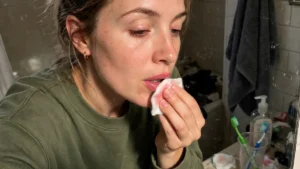
Very dry or flaky lips need a thicker, balm-like gloss and a little preparation first. Exfoliate gently, apply a thin layer of balm, wait a minute, then add the gloss on top. A gloss layered over balm lasts longer and sits more smoothly than a gloss applied to bare, flaky lips. For a deeper look at that layering habit, our guide to lip oils for dry lips explains how oil-based formulas can sit underneath a gloss for extra comfort.
The caveats that matter
A gloss is a cosmetic, not a treatment for damaged lips. If your lips are cracked, bleeding or peeling in sheets, a gloss will not fix them, and a plumping or fragranced gloss can make the sting worse. Heal the lips first with a plain balm, then bring the gloss back once the surface is smooth again. That is also why patch-testing matters: apply a new gloss to one lip first, wait an hour, and only wear it fully if there is no burning or swelling.
| Detail | What is known |
|---|---|
| Best ingredients | Hyaluronic acid, shea butter, squalane, jojoba oil, ceramides |
| Ingredients to be cautious with | Drying alcohols, heavy menthol, strong fragrance on cracked lips |
| Best finish for flakes | Sheer or lightly tinted gloss, which does not outline dry patches |
| How to layer | Balm first, wait a minute, then gloss on top for a smoother finish |
| How long it lasts | Two to three hours for a hydrating gloss before a top-up is needed |
| When to skip gloss | Cracked, bleeding or peeling lips, until the surface has healed |
| When to replace it | If it smells off, feels gritty, or has been open for more than a year |
| What it does not do | It does not heal damaged lips or replace a daily lip balm habit |
Storage matters more than people think. A gloss kept in a hot car or a sunny windowsill can separate, turn gritty, or go off faster than one kept in a cool drawer.
Checklist: choosing a lip gloss for dry lips honestly
Use these checks before you buy, and again after a week of use.
- Check the ingredients: hyaluronic acid, shea butter, squalane or plant oils near the top of the list.
- Check the texture: it should feel cushiony and spread easily, not tug or drag across dry lips.
- Check the finish: sheer or lightly tinted glosses are the most forgiving on flakes.
- Patch-test first: wear it on one lip for an hour before wearing it fully, especially if it plumps.
- Layer it properly: balm first, wait a minute, then gloss, and exfoliate gently once or twice a week.
- Protect the result: reapply after eating or drinking, and keep a plain balm for overnight repair.
Frequently asked questions
Is lip gloss good for dry lips?
Yes, if the formula is hydrating. A gloss with hyaluronic acid, shea butter or plant oils can lock in moisture and make lips look healthier.
Should I use lip gloss or lip oil for dry lips?
Both can work, and they can be layered. A lip oil usually absorbs more and feels lighter, while a gloss gives more shine and stays on the surface longer. For very dry lips, an oil under a gloss is often the most comfortable combination.
Can I wear lip gloss over lip balm?
Yes, and for dry lips it is the best way to wear gloss. Apply a thin layer of balm, wait a minute so it settles, then add gloss on top. The gloss will sit more smoothly and last longer than on bare, flaky lips.
Why does lip gloss make my lips feel drier?
Some glosses contain drying alcohols or strong plumping agents that feel tingly at first and then leave lips tight. If a gloss makes your lips feel drier after it wears off, switch to a formula with hyaluronic acid or shea butter, and skip plumping glosses until your lips are healed.
How often should I reapply lip gloss?
Every two to three hours is realistic for a hydrating gloss, and after eating or drinking.
Which lip gloss shade is best for dry lips?
Sheer nudes, soft pinks and light berries are the most forgiving, because they do not pool in cracks or outline flakes. Opaque, dark or very bright shades show dryness more, so save them for days when your lips are smooth. Our roundup of lip glosses for mature lips has more guidance on choosing shades that flatter lips with fine lines.
The bottom line
The best lip gloss for dry lips in 2027 is not the shiniest or the most expensive. It is the one that feels comfortable after an hour, leaves your lips softer when it wears off, and comes in a shade you will actually reach for every day. For most people, that means a sheer or lightly tinted gloss with hyaluronic acid, shea butter or plant oils, layered over a thin coat of balm.
Start with one gloss, wear it for a week, and judge it on how your lips feel at the end of the day, not on how it looks in the first minute. If your lips are softer by Friday than they were on Monday, you have found the right one.