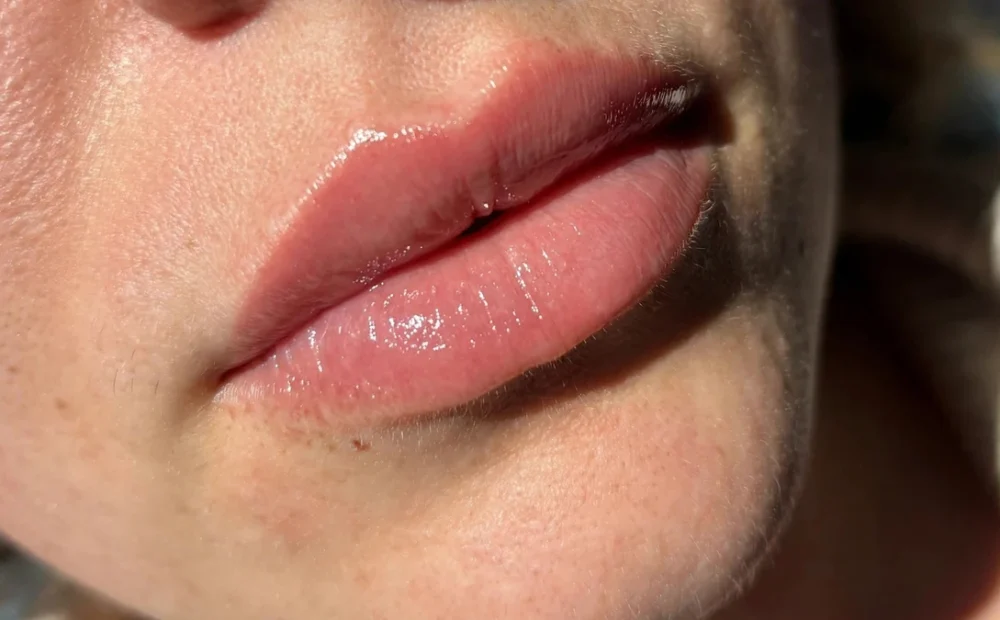
Dry lips are not a small problem when they hurt. They crack, they flake, they sting when you smile, and every lipstick you own seems to make them look worse. A lip oil is one of the simplest fixes, because it does two jobs at once: it coats the lips in a flexible, glossy layer that stops moisture escaping, and it delivers nourishing oils that soften the surface underneath. Unlike a balm, which can sit on top of the lips, a good oil sinks in a little and keeps working after the shine fades.
The trouble is that not every lip oil is made for dry lips. Some are mostly shine, with a thin formula that disappears in twenty minutes and leaves the lips exactly as dry as before. Others are thick and sticky, or packed with fragrance that irritates already sore skin. The best lip oils for dry lips combine real conditioning oils, such as squalane, jojoba, cherry oil or honey, with a texture you actually want to wear.
Below are nine lip oils worth trying in 2027, from a luxury icon to a drugstore favourite, chosen for dry, flaky and chapped lips. Each one is described by what it does well, what to watch for, and who it suits best, so you can choose by your lips, not just by the prettiest tube.
Key takeaways
- A lip oil protects dry lips by sealing in moisture and softening the surface, while adding shine that a balm does not give.
- The best formulas for dry lips use conditioning oils such as squalane, jojoba, cherry oil or honey, and avoid heavy fragrance on sore skin.
- A thick, cushiony oil lasts longer on very dry lips, while a light oil suits everyday wear and layering under lipstick.
- Exfoliate gently first, then apply the oil to clean lips, and reapply through the day rather than waiting for the lips to crack again.
- No lip oil heals deeply cracked or bleeding lips on its own, and a formula that stings, smells strongly, or makes flaking worse should be stopped.
What a lip oil actually does for dry lips
A lip oil is a liquid treatment that sits between a balm and a gloss. It is mostly oil, so it spreads easily and feels light, but it is thicker than a face oil, so it stays where you put it. The oils in the formula, such as squalane, jojoba, cherry oil or rosehip oil, soften the top layer of the lips and fill in the tiny cracks that make them look rough. At the same time, the oil forms a flexible barrier that slows down water loss, which is the main reason lips dry out in cold air, wind and heated rooms.
That barrier is what separates a lip oil from a lipstick or a tinted balm. A lipstick adds colour but often dries the lips out further, especially a matte formula. A balm protects, but it can feel waxy and it rarely adds shine. A lip oil does both jobs: it protects and it shines, and the tinted versions add a wash of colour that looks natural because the formula is sheer.
The shine is also a useful signal: when the gloss fades, the protective layer is wearing thin, and it is time to reapply. Most people need to reapply two or three times a day, more in winter.
How we chose these lip oils and what to look for
Look first at the oils in the formula. Squalane, jojoba and cherry oil are reliable, well-tolerated choices for dry lips. Honey and shea butter add extra conditioning for very dry skin. Hyaluronic acid helps the lips hold water, which is useful if your lips feel tight as well as flaky. If your lips are sore or cracked, choose a fragrance-free formula, because fragrance is the most common irritant in lip products.

Look next at the texture and the applicator. A thick, cushiony oil lasts longer and suits very dry lips, while a light oil is better for everyday wear and for layering under lipstick. A large, soft applicator covers the lips in one pass and feels gentle on sore skin, while a small doe-foot applicator gives more control for a precise, tinted finish. Our guide to lip exfoliation at home explains why the step before the oil matters, because an oil applied over flakes cannot reach the skin underneath.
Finally, look at the tint. A sheer tint flatters dry lips because it does not settle into lines the way an opaque colour does. A colour-adapting oil shifts to suit your natural lip tone, which is forgiving. If you are unsure, start with a clear or barely-there tint, and add colour once your lips are soft again.
The 9 best lip oils for dry lips of 2027
Dior Lip Glow Oil
What we like: A cushiony oil that reacts to the pH of the lips, so the tint settles into a soft, personal pink or berry shade, with a smooth, non-sticky finish that feels more like care than colour. What to consider: It is a luxury price for a small tube, and the shade shifts from person to person, so the colour in the tube is only a rough guide.
Best for: dry lips that want a sheer wash of colour and a comfortable, glossy finish. Material: cherry oil and shea butter. Price range: over $40. Standout feature: the colour-adapting tint that looks different on everyone.
Clarins Lip Comfort Oil
What we like: A rich, honey-like oil with a cushioned applicator that coats the lips evenly, leaving them soft and shiny for hours without a sticky residue. What to consider: The texture is thicker than most lip oils, so it can feel heavy if you prefer a light, barely-there layer.
Best for: very dry, flaky lips that need a thick, protective layer. Material: sweetbriar rose oil and jojoba oil. Price range: $25 to $40. Standout feature: the plush applicator that delivers an even, generous coat in one pass.
Gisou Honey Infused Lip Oil
What we like: A golden oil that smells faintly of honey, smooths rough patches quickly, and leaves a glossy shine that does not slide off the lips. What to consider: The honey scent is noticeable, which will not suit anyone who prefers fragrance-free lip care.
Best for: lips that crack in cold weather and need deep, lasting moisture. Material: Mirsalehi honey and botanical oils. Price range: $25 to $40. Standout feature: the honey base that locks in moisture while it shines.
Rare Beauty Soft Pinch Tinted Lip Oil
What we like: A feather-light tinted oil that stains the lips gently, so the colour stays put even as the shine wears down, with a comfortable, non-drying feel. What to consider: The tint is sheer, so it will not replace a lipstick when you want a bold, opaque colour.
Best for: dry lips that want a natural flush of colour that lasts. Material: jojoba oil and sunflower seed oil. Price range: under $25. Standout feature: the soft stain that survives eating and drinking.
NYX Fat Oil Lip Drip
What we like: A big, cushiony applicator and a thick, glossy formula that makes lips look fuller and feel cushioned, at a price that makes it easy to try more than one shade. What to consider: The formula is on the thicker side, so it can feel heavy in hot weather or under a face mask.
Best for: dry lips on a budget that want maximum shine. Material: squalane and raspberry oil. Price range: under $15. Standout feature: the oversized applicator that covers the lips in a single swipe.
e.l.f. Glow Reviver Lip Oil
What we like: A lightweight, non-sticky oil that revives dull, dry lips with a sheer tint and a glossy finish, for less than the cost of a lunch. What to consider: The shine fades faster than a thicker oil, so you will need to reapply through the day.
Best for: anyone trying a lip oil for the first time. Material: squalane, jojoba oil and apricot oil. Price range: under $15. Standout feature: the price, which makes it the easiest first lip oil to try.
Kosas Wet Lip Oil Plumping Treatment
What we like: A treatment-style oil that pairs hydration with a gentle plumping effect, leaving lips looking fuller and feeling soft without stinging. What to consider: The plumping effect is subtle, so it will not satisfy anyone looking for a dramatic, tingling plump.
Best for: dry, thin-looking lips that want hydration and a little fullness. Material: peptides, hyaluronic acid and konjac. Price range: $25 to $40. Standout feature: the treatment formula that hydrates and plumps at the same time.
Merit Shade Slick Tinted Lip Oil
What we like: A clean, sheer tinted oil that feels weightless, layers well over lip liner, and gives lips a healthy, just-bitten look without any stickiness. What to consider: The shade range is small, so deeper skin tones may find fewer options that show up clearly.
Best for: a natural, everyday lip with a hint of colour. Material: rosehip oil and squalane. Price range: $25 to $40. Standout feature: the weightless feel that disappears on the lips.
Typology Tinted Lip Oil
What we like: A simple, fragrance-free tinted oil with a short ingredient list, a comfortable texture, and a soft, buildable tint that suits sensitive lips. What to consider: It is a quiet, understated product, so it will not give the high-shine, mirror finish of a thicker gloss oil.
Best for: sensitive, easily irritated lips that want a gentle tint. Material: squalane, plum oil and vitamin E. Price range: under $25. Standout feature: the short, fragrance-free formula that sensitive lips tolerate well.
Which lip oil is right for your lips
Very dry, flaky lips need the thickest, most protective oil you can find. Look for a cushiony formula with honey, shea butter or cherry oil, and apply it generously, morning and night, with a reapplication after meals. A thin, light oil will not last long enough on lips that are already cracked, and you will end up reapplying so often that the tube runs out in a week. For lips that are dry but not sore, a medium-weight oil with squalane or jojoba is usually enough, and it will feel more comfortable under lipstick.
Sensitive lips need a short, fragrance-free formula. Typology and e.l.f. are good starting points, because they keep the ingredient list simple and skip the flavour and scent that can sting. If your lips react to a new product, stop it, go back to a plain, fragrance-free balm for a few days, and try a different oil once the skin has calmed down. A general lip oil roundup is a useful comparison here, because it shows how the dry-lip formulas differ from the lighter, shine-first oils that suit healthy lips.
If you want colour as well as care, a tinted oil is the answer, but choose the tint carefully. A sheer berry or rose tint looks natural on most skin tones and does not highlight flakes the way a dark or opaque colour does. A colour-adapting oil is the safest choice if you are unsure, because it adjusts to your lips. Avoid a bold, dark tint until your lips are soft, because dark colour gathers in cracks and makes dryness look worse, not better.
The caveats that matter
Lip oils are helpful, but they are not a cure for severely damaged lips. If your lips are bleeding, blistered, or cracked at the corners, an oil alone will not fix them, and you should look at the cause, which may be dehydration, a reaction to a product, cold weather, or a habit such as licking your lips. An oil can protect while the lips heal, but it cannot replace rest, water, and time. If the problem lasts more than a few weeks, or keeps coming back in the same place, speak to a pharmacist or a dermatologist.
| Detail | What is known |
|---|---|
| Best oils for dry lips | Squalane, jojoba, cherry oil, rosehip oil, honey and shea butter |
| When to apply it | Morning, after meals, and before bed, on clean lips |
| How often to reapply | Two to three times a day, more in cold or windy weather |
| Who should choose fragrance-free | Sore, cracked or easily irritated lips; fragrance is a common irritant |
| What to avoid on dry lips | Matte lipstick and dark, opaque colour until the lips are soft again |
| How to prepare the lips | Exfoliate gently, then apply oil to clean, dry lips |
| When to stop using a formula | If it stings, increases flaking, or makes the lips feel tighter |
| What it does not do | It does not heal bleeding or blistered lips alone, or replace water and rest |
Licking your lips is the habit that undoes a lip oil fastest. Saliva evaporates and takes moisture with it, leaving the lips drier than before, and the enzymes in saliva can irritate sore skin. If you catch yourself licking your lips, reach for the oil instead. A lip gloss roundup for dry lips can also help you compare finishes, because a gloss and an oil solve the same problem in different ways.
Checklist: choosing a lip oil for dry lips honestly
Use these checks before you buy, and again after a week of use.
- Check the oils: squalane, jojoba, cherry oil or honey near the top of the ingredient list.
- Check the fragrance: choose fragrance-free if your lips are sore, cracked or easily irritated.
- Check the texture: thick and cushiony for very dry lips, light for everyday wear and layering.
- Exfoliate gently first, so the oil reaches the skin instead of sitting on flakes.
- Reapply two to three times a day, and always before bed, so the lips heal overnight.
- Stop the habit: do not lick your lips, because saliva dries them out faster than any oil can repair them.
Frequently asked questions
Are lip oils better than lip balms for dry lips?
For many people, yes, because an oil sinks in a little and adds shine, while a balm mostly sits on the surface. A very thick balm can still be better overnight, when you want a heavy, long-lasting barrier, but for daytime wear a lip oil is usually more comfortable.
How often should I apply a lip oil?
Two to three times a day is enough for most dry lips, plus a layer before bed. Reapply after eating or drinking, and more often in cold or windy weather. If you need to apply it every hour, your lips may need a thicker formula, or a gentler exfoliation first.
Can I wear a lip oil under lipstick?
Yes, but use a thin layer and let it sink in for a minute first, or the lipstick will slide. A light, fast-absorbing oil works best under lipstick, while a thick oil is better worn alone or over lipstick as a glossy top layer.
Do lip oils expire?
Yes. Most last 12 months after opening, and an oil that smells rancid, feels sticky, or has changed colour should be replaced. Keep the tube away from heat and direct sun, and do not share it, because that spreads bacteria to already sensitive skin.
Can I use a lip oil if my lips are cracked and bleeding?
Use a plain, fragrance-free oil or balm gently, and avoid any formula with fragrance, flavour or plumping ingredients, which will sting. If the lips do not improve in a few days, or the cracks keep reopening, speak to a pharmacist or a dermatologist.
Will a tinted lip oil dry out my lips?
A good tinted oil should not, because the tint is carried in conditioning oils.
The bottom line
The best lip oil for dry lips in 2027 is not the shiniest or the most expensive. It is the one with real conditioning oils, a texture you enjoy wearing, and a tint that flatters your lips instead of settling into cracks. For very dry lips, a thick, cushiony formula with honey or cherry oil is the strongest choice. For everyday wear, a light squalane oil with a sheer tint is easier to live with.
Choose one oil, exfoliate gently first, apply it two to three times a day and before bed, and judge it on how your lips feel an hour later, not just on how they look in the first minute. That is the honest way to find a lip oil that actually helps dry lips, rather than one that only shines while it lasts.