
Dry lips make every lip product harder. A gloss that looks beautiful on hydrated lips can settle into cracks, flake off within an hour, and leave lips drier than before.
That is why this guide is organised by what a gloss does for dry lips, not just by how shiny it looks. A good gloss for dry lips should feel like a treatment first and a colour second. It should contain oils, butters, or humectants that soften and seal in moisture, and it should stay comfortable for hours, not minutes. Price is a poor guide on its own.
Below are nine lip glosses for dry lips worth considering in 2027, from a classic lip oil to peptide treatments and tinted glosses that hydrate while they add colour. Each one is described by what it is good at, what to watch for, and who it suits best, so you can choose with your lips in mind, not just a bestseller list.
Key takeaways
- A gloss for dry lips should contain hydrating ingredients such as squalane, shea butter, hyaluronic acid, or plant oils, not just shine agents.
- Lip oils and gloss treatments usually hydrate better than traditional glosses, because they are built around oils rather than sticky resins.
- Apply gloss over a thin layer of lip balm for the best result, and reapply after eating or drinking rather than layering it thicker.
- Avoid glosses with strong fragrance, menthol, or camphor if your lips are cracked, because they can sting and make dryness worse.
- No gloss heals severely cracked or bleeding lips on its own, and lips that stay cracked for weeks should be checked by a pharmacist or dermatologist.
What dry lips actually need from a gloss
Lips have no oil glands of their own, which is why they dry out faster than the rest of your face. Cold air, wind, central heating, and sun all pull moisture out, and licking your lips makes it worse, because the saliva evaporates and takes more moisture with it. A gloss for dry lips needs to do two things: add moisture, and then seal it in so it does not escape.
Humectants such as hyaluronic acid and glycerin draw water into the lips. Emollients such as squalane, shea butter, and plant oils soften the surface and fill in fine lines. Occlusives such as lanolin and beeswax form a barrier that stops moisture escaping. The best hydrating glosses combine at least two of these; a simple shiny gloss with none of them feels good for ten minutes, then leaves lips drier.
Texture matters too. A thick, sticky gloss can feel uncomfortable and pull at dry skin when you talk or eat. A lighter oil-gloss or a cushiony treatment gloss spreads easily, sits comfortably, and is much more likely to be reapplied through the day.
How we chose these glosses and what to look for
Look first at the ingredient list. Squalane, shea butter, jojoba oil, and hyaluronic acid are all good signs. A gloss that lists a plant oil or a butter near the top of the list is more likely to hydrate than one that lists only shine agents and fragrance. If your lips are very dry, a treatment gloss or a lip oil is usually a better choice than a traditional gloss, because the formula is built around care rather than colour.

Look next at the finish and the wear. A sheer tint is usually kinder to dry lips than a full opaque colour, because it settles less visibly into fine lines. A gloss that fades evenly is better than one that leaves a ring of colour around the edge of your lips. And a comfortable applicator matters more than it sounds, because a scratchy brush will irritate cracked lips. Our guide to the best hydrating lip balms covers the same care-first thinking, because a good balm underneath is what makes any gloss work harder for dry lips.
Finally, think about when you will wear it. A clear or barely-there gloss is the right choice for daytime, work, and reapplying on the go. A tinted gloss is better for evenings and for days when you want colour without a lipstick. One of each is usually enough.
The 9 best lip glosses for dry lips of 2027
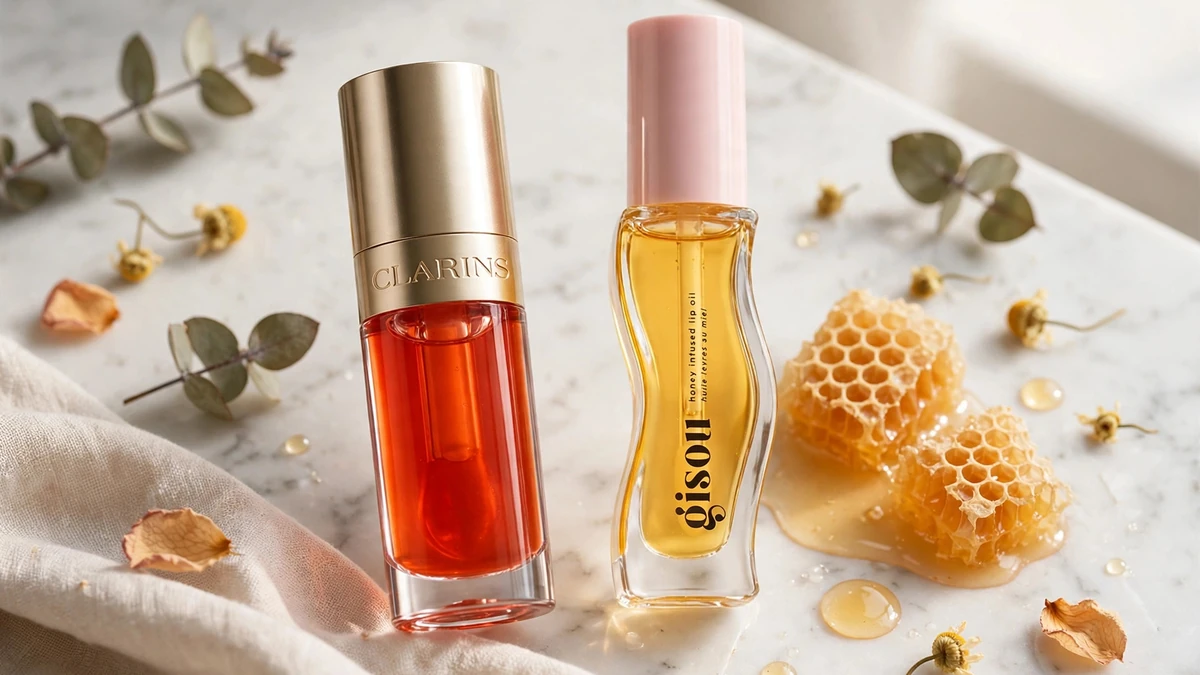
Clarins Lip Comfort Oil
What we like: A plant-oil gloss that feels like a treatment, with hazelnut oil and jojoba oil, a comfortable non-sticky texture, and a sheer wash of colour. What to consider: It is a light tint rather than a strong colour, and the shine fades after a couple of hours. Best for: Everyday wear and very dry lips. Shade: Sheer honey, rose, and berry tints. Price range: Premium. Standout feature: A genuinely nourishing oil formula that leaves lips softer after it wears off.
This is the gloss to buy if your lips are dry and you want care first. It feels like a balm, looks like a gloss, and it is one of the few glosses that improves how lips feel over time.
Gisou Honey Infused Lip Oil
What we like: A honey-infused lip oil with a cushiony texture, a subtle golden tint, and a comfortable wear that does not feel sticky. What to consider: The honey scent is noticeable, and the tint is very sheer. Best for: Dry lips that need softening and a natural-looking shine. Shade: Sheer golden honey. Price range: Premium. Standout feature: Honey and plant oils that leave lips feeling conditioned for hours.
A good choice if you like the look of a gloss but want the comfort of a treatment. It is especially kind to lips that flake in cold weather.
Dior Lip Glow Oil
What we like: A sheer lip oil that adapts to your natural lip colour, with cherry oil for nourishment and a lightweight, non-sticky feel. What to consider: The colour is subtle and varies from person to person, and it needs reapplying after eating. Best for: A natural, your-lips-but-better look. Shade: Sheer pink, berry, and coral tints. Price range: Luxury. Standout feature: A colour-adapting tint that looks different, and flattering, on everyone.
This is the gloss for people who want hydration and a hint of colour without thinking about it. It is easy to apply without a mirror, which makes it ideal for reapplying through the day.
Rhode Peptide Lip Treatment
What we like: A peptide lip treatment with a glossy finish, shea butter and cupuacu butter for softness, and a comfortable, non-sticky texture. What to consider: It is a treatment gloss rather than a high-shine gloss, and the shade range is small. Best for: Dry lips that need repair and a soft, healthy-looking shine. Shade: Clear, sheer pink, and warm caramel tints. Price range: Mid-range. Standout feature: A treatment formula that feels like skincare for your lips.
One of the best options if your lips are consistently dry. It is the gloss to reach for in the morning and before bed, when lips need the most care.
Ole Henriksen Pout Preserve Peptide Lip Treatment
What we like: A peptide lip treatment with a glossy finish, kokum butter and cloudberry oil, and a cushiony texture that stays comfortable for hours. What to consider: It is thicker than a traditional gloss, and the scent is sweet. Best for: Very dry lips and cold weather. Shade: Clear, sheer pink, and berry tints. Price range: Mid-range. Standout feature: A rich, cushiony texture that protects lips in wind and cold.
A practical, hard-working gloss for winter and for lips that crack easily. It is thicker than most glosses here, and that thickness is exactly what makes it protective.
Kosas Wet Lip Oil Gloss
What we like: A lip oil gloss with hyaluronic acid, peptides, and evening primrose oil, in a comfortable, non-sticky formula with sheer, wearable colour. What to consider: The wear time is shorter than a traditional gloss, and the colour is sheer. Best for: Daytime wear and lips that need hydration and a hint of colour. Shade: Sheer nude, rose, and berry tints. Price range: Mid-range. Standout feature: Hyaluronic acid and peptides in a gloss that feels like a treatment.
A good everyday gloss for dry lips, especially if you want colour without the weight of a lipstick. It layers well over balm and does not settle into fine lines.
Ilia Balmy Gloss Tinted Lip Oil
What we like: A tinted lip oil with a balmy texture, squalane and hyaluronic acid for hydration, and a sheer, buildable colour. What to consider: It is a light tint, so it will not replace a lipstick for a strong colour, and it needs reapplying after meals. Best for: A natural tint with real hydration. Shade: Sheer rose, mauve, and warm nude tints. Price range: Mid-range. Standout feature: A clean, comfortable formula that hydrates while it tints.
This is the gloss for people who want a tint and a treatment in one step. It is light, comfortable, and easy to reapply without a mirror.
NYX Fat Oil Lip Drip
What we like: An affordable lip oil gloss with squalane and raspberry seed oil, a comfortable, non-sticky texture, and a good range of sheer shades. What to consider: The shine fades faster than a premium gloss, and the applicator is large. Best for: Everyday wear on a budget. Shade: Sheer nude, pink, berry, and clear. Price range: Budget. Standout feature: A hydrating oil gloss at a drugstore price, with a shade for every skin tone.
The best budget option in this guide. It proves that a hydrating gloss does not need a luxury price, and it is an easy first buy if you are new to lip oils.
Merit Shade Slick Tinted Lip Oil
What we like: A tinted lip oil with rosehip oil and squalane, a lightweight, non-sticky texture, and sheer, flattering colour. What to consider: The shade range is small, and the wear time is shorter than a traditional gloss. Best for: A polished, natural look with real hydration. Shade: Sheer berry, rose, and nude tints. Price range: Mid-range. Standout feature: A clean, comfortable formula that looks like a gloss and feels like a balm.
A good choice if you want a gloss that looks polished without feeling heavy. It is the kind of product you reach for every day because it is easy and comfortable.
Which lip gloss is right for your dry lips
Start with how dry your lips are. If they are mildly dry and you mostly want shine, a light lip oil gloss such as the NYX Fat Oil or the Kosas Wet Lip Oil will be enough. If they are consistently dry, flaky, or tight, choose a treatment gloss such as the Rhode Peptide Lip Treatment or the Ole Henriksen Pout Preserve, which are built around butters and oils rather than shine alone.
Think about colour next. A clear or barely-there gloss is the most forgiving on dry lips, because it does not settle into cracks or leave a ring of colour. A tinted gloss is better if you want colour without a lipstick, but choose a sheer tint rather than an opaque one, and apply it over balm so it glides on smoothly. Our guide to the best lipsticks of 2027 covers the same shade-first thinking for days when you want a stronger colour, because the right shade matters just as much as the right formula.
Finally, consider the season. Cold, windy weather calls for a thicker, more protective gloss, such as the Ole Henriksen treatment or the Clarins Lip Comfort Oil. Warm weather suits a lighter oil gloss that will not feel heavy or sticky.
The caveats that matter
A gloss can help dry lips, but it cannot fix them on its own. If your lips are severely cracked, bleeding, or sore, a gloss will sting and will not heal them. In that case, use a plain, fragrance-free balm, avoid exfoliating or picking at flakes, and give your lips a few days to recover before adding colour. Lips that stay cracked for weeks, or that develop sores that do not heal, should be checked by a pharmacist or dermatologist.
| Detail | What is known |
|---|---|
| Best ingredients to look for | Squalane, shea butter, hyaluronic acid, jojoba oil, and plant oils |
| Best format for very dry lips | A treatment gloss or lip oil, built around oils and butters |
| How to apply | A thin layer of balm first, then gloss on top, and reapply after eating |
| What to avoid on cracked lips | Strong fragrance, menthol, camphor, and plumping glosses that sting |
| Best for daytime | A clear or sheer lip oil gloss, easy to reapply without a mirror |
| Best for colour | A sheer tinted gloss, applied over balm so it glides on smoothly |
| Who should check first | Anyone with lips that stay cracked for weeks, or sores that do not heal |
| What a gloss does not do | It does not heal severely cracked lips, and it does not replace a balm |
Ingredients matter more than brand names. Avoid glosses with strong fragrance, menthol, or camphor if your lips are cracked, because they can sting and make dryness worse. Plumping glosses, which work by irritating the lips slightly, are also a poor choice for dry lips. If a gloss stings, stop using it and switch to a plain balm until your lips recover. A winter skincare routine can help you plan the rest of your cold-weather care, because dry lips are usually part of a wider pattern of winter dryness.
Checklist: choosing a lip gloss for dry lips honestly
Use these checks before you buy, and again after a week of use.
- Check the ingredients: look for squalane, shea butter, hyaluronic acid, or a plant oil near the top of the list.
- Check the texture: it should feel cushiony and comfortable, not sticky or tight.
- Check the finish: a sheer tint is kinder to dry lips than a full opaque colour.
- Apply balm first: a thin layer of balm underneath makes any gloss work better.
- Patch-test first: apply to one lip for a day if your lips are sensitive or cracked.
- Stop if it stings: a gloss that stings cracked lips is the wrong product, not a sign it is working.
Frequently asked questions
Can I wear lip gloss if my lips are very dry?
Yes, if you choose a hydrating gloss and apply balm first. A treatment gloss or lip oil is usually better than a traditional gloss, because it is built around oils and butters. If your lips are severely cracked or bleeding, use a plain balm until they recover, then add gloss.
Should I apply lip balm before lip gloss?
Yes. A thin layer of balm first, left to sink in for a minute, gives the gloss a smooth base and helps it last longer. Avoid a thick layer of balm, which can make gloss slide off.
Do lip oils hydrate better than lip glosses?
Usually, yes. Lip oils are built around nourishing oils, while traditional glosses are built around shine agents. A lip oil gloss combines both, which is why most of the glosses in this guide are oil-based.
Why does my lip gloss make my lips feel drier?
It probably contains no hydrating ingredients, or it contains fragrance, menthol, or a drying alcohol. Switch to a treatment gloss with squalane or shea butter.
Are plumping lip glosses safe for dry lips?
They are usually a poor choice. Plumping glosses work by mildly irritating the lips, which can sting cracked lips and make dryness worse. If your lips are dry, choose a hydrating gloss instead and skip the plumping effect.
How often should I reapply lip gloss?
Reapply after eating or drinking, and whenever your lips start to feel dry again. A thin, fresh layer is better than a thick one, and reapplying a comfortable gloss is easier than trying to make one application last all day.
The bottom line
The best lip gloss for dry lips in 2027 is not the shiniest or the most expensive. It is the one that hydrates while it adds colour, feels comfortable for hours, and is easy enough to reapply through the day. For most people, a lip oil gloss such as the Clarins Lip Comfort Oil or the NYX Fat Oil is the right first buy. For very dry lips, a treatment gloss such as the Rhode Peptide Lip Treatment is the smarter choice.
Apply balm first and choose a sheer tint. A gloss that feels comfortable and leaves your lips softer after it wears off is doing its job; one that stings or leaves lips drier is not.