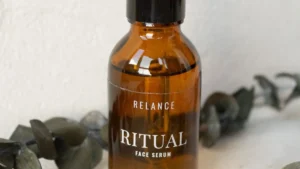
A serum is a lightweight, fast-absorbing skincare product that delivers a high concentration of active ingredients directly to your skin. It usually comes in a small bottle with a dropper, and a few drops are all you need.
Unlike a moisturiser, which mainly hydrates and protects the surface, a serum is the treatment step of a routine, targeting one specific concern: dullness, dark spots, dehydration, fine lines or breakouts.
By 2027 serums have become the most confusing shelf in skincare. This guide explains what a serum is, how it differs from a moisturiser, a face oil and an essence, the main types, and how to use one.
Key takeaways
- A serum is a concentrated treatment product: a small dose of active ingredients aimed at one specific skin concern.
- Serums are thin and fast-absorbing; moisturisers seal in moisture; face oils only seal, they add no water.
- Apply serum after cleansing and before moisturiser, on slightly damp skin, using two to four drops for the whole face.
- One serum at a time is enough for most people; adding several strong actives at once is the fastest way to irritate skin.
- A serum is worth it with a clear goal, such as dark spots or dehydration.
What a Serum Actually Is

Strip away the marketing and a serum is simple: a concentrated liquid built around one or two active ingredients, in a base designed to carry them into the skin. The base is usually water, glycerin or a light silicone, without the heavy butters and waxes that give creams their body. That is why serums feel like water or a light gel, and disappear into the skin within a minute or two.
The small molecules matter. A thick cream mostly works on the skin’s surface layer, softening it and slowing water loss. A serum’s smaller molecules slip between surface cells more easily, carrying ingredients such as vitamin C, retinol and peptides to living skin below. Concentration matters too: a serum built around niacinamide often contains 5 to 10 percent of it, while a moisturiser listing the same ingredient carries far less. That higher dose is what makes a serum a treatment.
A serum is not a moisturiser, and it cannot replace one. Most serums contain little that stops water escaping, so if you apply one and nothing afterwards, much of that water evaporates within the hour. It is not a cleanser, a sunscreen or a cure, and it cannot erase deep wrinkles.
Serum vs Moisturiser vs Face Oil vs Essence
The difference is what each product does. A serum treats. A moisturiser hydrates and protects. A face oil seals. An essence prepares. Once that is clear, the order sorts itself out: thinnest to thickest, treatment before seal.
A moisturiser adds water through humectants such as glycerin and hyaluronic acid, then stops that water escaping through barrier ingredients such as ceramides and squalane. Everyone needs one, every day. A face oil contains no water at all, so it cannot hydrate skin; it forms a thin lipid layer that locks in the water and actives underneath. That makes it useful for dry skin in winter, and largely unnecessary for oily skin. It goes after a serum, never before it, because oil on the surface blocks a water-based serum. An essence is the closest relative to a serum, but more fluid and less concentrated, a midway point between a toner and a serum. If you use both, the essence goes first.
| Product | Main job | Texture | Active strength | When to apply | Who needs it |
|---|---|---|---|---|---|
| Serum | Treats one specific concern | Thin liquid or light gel | High, often 5 to 20 percent | After cleansing, before moisturiser | Anyone with a clear skin goal |
| Moisturiser | Hydrates and protects the barrier | Cream or lotion | Low, for general care | After serum, morning and night | Everyone, every skin type |
| Face oil | Seals in moisture, adds glow | Pure oil | Varies, mostly fatty acids | Last, after moisturiser | Dry or mature skin, winter |
| Essence | Light hydration and preparation | Watery, almost like a toner | Low to moderate | After toner, before serum | Sensitive skin, layered routines |
| Toner | Rebalances and lightly hydrates | Water | Very low | Right after cleansing | Optional, a matter of preference |
| Eye cream | Treats the delicate eye area | Light cream or gel | Low, gentle formulas | After serum, before moisturiser | Dark circles or puffiness |
| Sunscreen | Protects against UV damage | Cream, gel or fluid | UV filters, not actives | Last step, every morning | Everyone, every day |
| Exfoliant | Removes dead surface cells | Liquid, gel or scrub | Moderate, acids or enzymes | After cleansing, two to three times a week | Dull or congested skin |
The Main Types of Serum
Most serums fall into six families, each built around a different hero ingredient.
Hydrating serums are the easiest place to start. Their hero is usually hyaluronic acid. It draws moisture into the upper layers of skin and suits every skin type, including oily skin. Apply it to slightly damp skin and seal it with moisturiser. See our guide to the best hydrating serums of 2027.
Brightening serums target dullness, dark spots and uneven tone. Vitamin C is the classic ingredient, at 10 to 20 percent, which slows melanin production and defends against free-radical damage. Niacinamide, a form of vitamin B3, is the gentler alternative: it brightens, calms redness and supports the barrier, and suits sensitive skin. Results take eight to twelve weeks. See the best vitamin C serums of 2027.
Anti-ageing serums aim at fine lines, firmness and texture. Retinol is the most studied ingredient here: it speeds up cell turnover and encourages collagen production, but it can irritate at first, so introduce it slowly, two or three nights a week. Peptides are the gentler option. Bakuchiol offers some of retinol’s benefits with far less irritation.
Exfoliating serums use acids to dissolve the bonds between dead surface cells. Glycolic acid suits dull skin, while salicylic acid works inside pores and suits oily, acne-prone skin. Use them two or three times a week at most, never on the same night as retinol, and always wear sunscreen the next morning.
Calming and barrier serums are for skin that is red, reactive or over-exfoliated. Centella asiatica, ceramides, ectoin and panthenol rebuild the lipid barrier and quiet inflammation. If your skin stings or reacts to everything new, start here. See the skin barrier guide.
Acne-fighting serums are built around niacinamide, salicylic acid, zinc and sometimes azelaic acid, which calms redness while keeping pores clear. Avoid stacking several acne actives at once: a salicylic acid serum plus retinol plus a strong vitamin C is a recipe for a damaged barrier, not clearer skin.
How to Use a Serum Properly
The order is simple and it matters more than the brand. Cleanse first, then apply serum to clean, slightly damp skin, then moisturiser, then sunscreen in the morning. A serum needs direct contact with clean skin; anything thick applied before it blocks it.
The dose is smaller than most people expect. Two to four drops is enough for the whole face. Press them gently into the skin, and include the neck. Wait about a minute before the next step so the serum can absorb.
Timing depends on the ingredient. Vitamin C works best in the morning, supporting sunscreen against daytime damage. Retinol and exfoliating acids belong at night, because they make skin more sensitive to sunlight. Hyaluronic acid, niacinamide and peptides can be used morning or night. Start once a day, and only move to twice a day after two weeks without irritation. Layering is where routines go wrong: one treatment serum at a time, plus a hydrating serum if you like.
Who Actually Needs a Serum
A serum earns its place when there is a specific, visible concern to treat. Dark spots that will not fade, skin that feels tight no matter how much moisturiser you use, fine lines starting to settle, breakouts returning in the same place: these are serum problems, and the right active, used consistently, will do more for them than any cream.
There are also people who do not need one. If your skin is clear, comfortable and even-toned with just a cleanser, moisturiser and sunscreen, a serum is a luxury, not a necessity. Very sensitive skin, rosacea, eczema and skin recovering from a peel are all reasons to wait. Teenagers do not need anti-ageing or exfoliating serums. In your twenties, hydration and sun protection matter most; in your thirties, vitamin C and gentle retinol have the strongest evidence; later, peptides help with firmness and dryness.
How to Choose the Right Serum
Start with the concern, not the ingredient. Match the one thing you most want to change to its family: dehydration means hyaluronic acid, dark spots mean vitamin C or niacinamide, fine lines mean retinol or peptides, breakouts mean salicylic acid or niacinamide, redness means centella or ceramides.
Read the ingredient list, not the front of the bottle. The active should appear in the first five ingredients, at an effective percentage: 10 to 20 percent for vitamin C, 5 to 10 percent for niacinamide, 0.25 to 1 percent for retinol. Patch test every new serum behind the ear for three days before using it on your face.
Common Mistakes to Avoid
The most common mistake is using too much: a serum is concentrated, so flooding the face with it speeds up irritation, not results. The second is impatience: most serums need six to twelve weeks of consistent use before the change is visible. The third is skipping moisturiser after a serum, and the fourth is skipping sunscreen, because the sun creates the pigmentation a brightening serum is trying to fade. Keep serums in a cool, dark place, and throw away any bottle that has turned yellow or brown.
Your Serum Checklist
- Identify one concern first, then choose the serum family that matches it.
- Check the active sits in the first five ingredients at an effective percentage.
- Patch test behind the ear for three days before using it on your face.
- Apply two to four drops to clean, slightly damp skin, before moisturiser.
- Use one treatment serum at a time and give it six to twelve weeks to work.
- Seal with moisturiser and wear sunscreen every morning, without exception.
Frequently Asked Questions
Can I use a serum every day?
Yes, most serums are designed for daily use. Retinol and exfoliating acids are the exceptions: start two or three nights a week. If skin turns red, drop back to every other day.
Do I need a serum if I already use a moisturiser?
Not necessarily. A moisturiser hydrates and protects, which is enough if your skin is healthy and you have no specific concern. A serum is worth adding when there is something a moisturiser cannot fix on its own, such as dark spots, persistent dehydration or fine lines.
Should I apply serum before or after moisturiser?
Always before. Serums need direct contact with clean skin, and moisturiser goes on top to seal everything in. If you apply moisturiser first, it blocks the serum.
How long does it take for a serum to work?
Hydrating serums work almost immediately. Brightening serums take eight to twelve weeks, and anti-ageing serums at least twelve. Any product promising overnight transformation is exaggerating.
Can I mix two serums together?
You can layer two serums, but do it carefully. A hydrating serum plus one treatment serum is safe for almost everyone. Two strong treatment serums, such as retinol and an exfoliating acid, should never be used on the same night.
Is an expensive serum better than a cheap one?
Not automatically. Price reflects packaging and marketing as much as the formula. What matters is the concentration of the active, the stability of the formula and whether the brand is transparent about both.
The Bottom Line
A serum is the treatment step of skincare: a small, concentrated bottle aimed at one specific concern, applied after cleansing and before moisturiser. It is not essential for everyone, but when the concern is clear and the formula is right, no other product does its job as well. Choose by the problem, use two to four drops once a day, give it six to twelve weeks, and protect the result with moisturiser and sunscreen.
Note: This article is for general information only and is not medical advice. If you have eczema, rosacea or severe acne, or you are pregnant or using prescription skincare, speak to a dermatologist before starting a new serum, especially one with retinol or exfoliating acids.