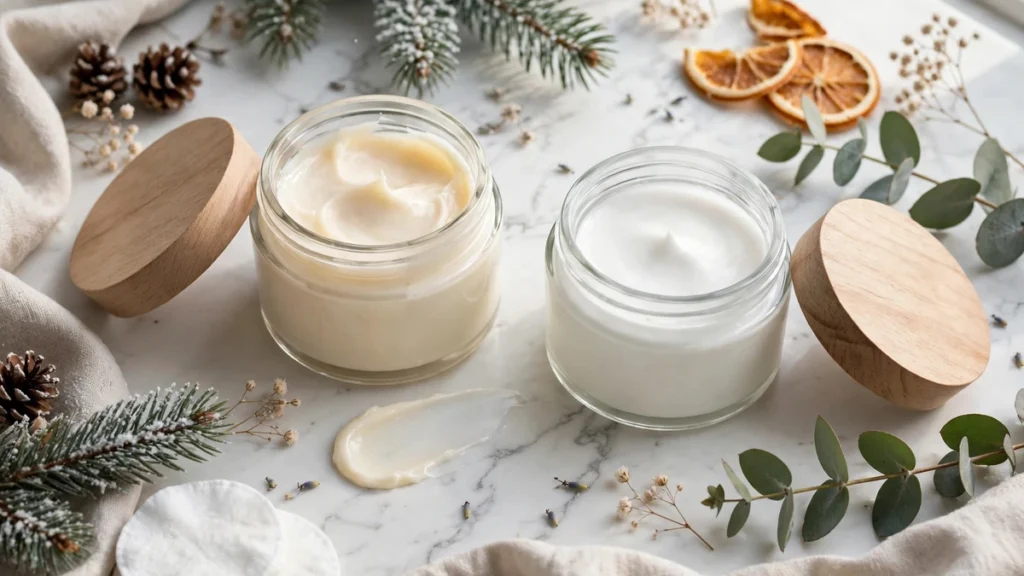
Cold weather changes skin in ways that are easy to miss until they are obvious. The air outside is dry, the heating inside is dry, and the gap between the two pulls moisture out of skin faster than any summer sun. The result is familiar to anyone who has lived through a proper winter: tight cheeks by mid-morning, flaking around the nose, lips that never quite heal, and a moisturiser that worked perfectly in September suddenly feeling like nothing at all.
The answer is not to buy everything at once. A winter skincare routine is mostly a summer routine with three changes: a gentler cleanser, a richer moisturiser, and a more deliberate approach to the actives that can irritate skin when the barrier is already under stress. The order matters as much as the products, and the most expensive step is rarely the one that makes the difference.
Below are nine winter skincare steps for 2027, from the cleanser to the weekly treatment, each described by what it is good at, what to watch for, and who it suits best, so you can build a routine for your skin and your winter, not just a bestseller list.
Key takeaways
- Winter skin needs a gentler cleanser, a richer moisturiser, and a slower approach to strong actives.
- Ceramides, hyaluronic acid and squalane are the workhorses of a winter routine, because they repair and hold moisture.
- Apply products to slightly damp skin, and layer from thinnest to thickest, so each step seals the one before it.
- Sunscreen still matters in winter, especially on snow, at altitude, and on bright days.
- No routine fixes cracked, bleeding or painful skin on its own, and a product that stings every day is a sign to simplify.
What winter actually does to skin
Cold air holds less moisture than warm air, so winter air is dry even before the heating comes on. Indoors, central heating and hot showers make it worse, stripping the natural oils that keep the skin barrier working. When the barrier weakens, water escapes faster, irritants get in more easily, and skin becomes tight, flaky and reactive.
That is why a routine that worked in summer can fail in January. A foaming cleanser that felt refreshing in July can leave skin stripped in winter. A light gel moisturiser that was enough in warm weather may not hold moisture through a cold, windy day. And a strong retinol or exfoliant that was comfortable in autumn can suddenly sting, because the barrier is already under stress.
The fix is not complicated, but it is deliberate. Cleanse more gently, moisturise more richly, and give the barrier time to recover before adding anything strong. Most winter skin problems improve within two to three weeks of a simpler, richer routine.
How we chose these steps and what to look for
Look first at the cleanser. In winter, a cream, milk or balm cleanser that leaves skin feeling soft is better than a foaming one that leaves it tight. If your skin feels squeaky after washing, the cleanser is too strong for the season, whatever the label says.
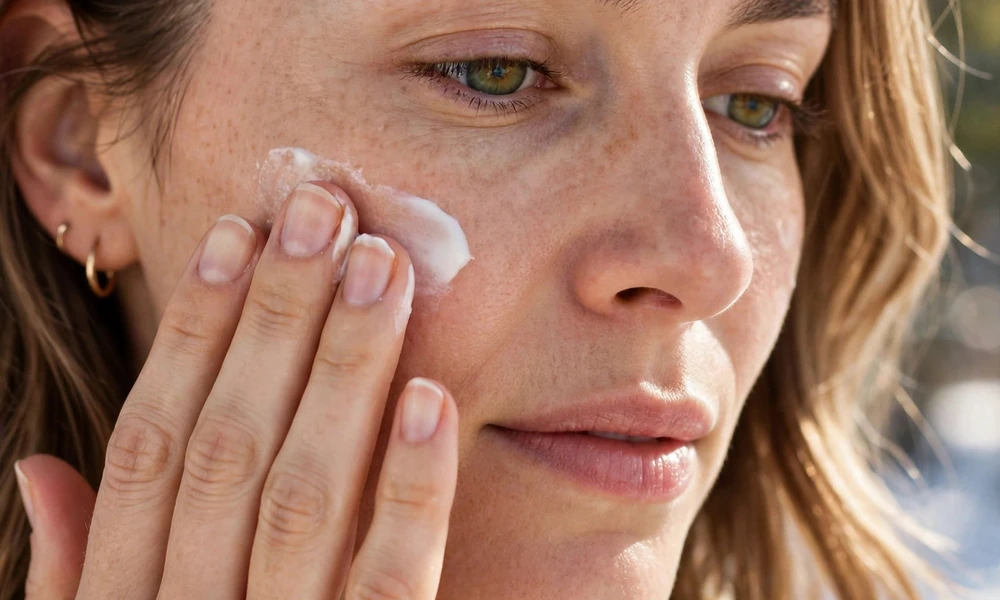
Look next at the moisturiser. A winter moisturiser should contain humectants that draw in water, emollients that soften, and occlusives that seal it in. Ceramides, hyaluronic acid and squalane are the most reliable combination, and they appear in products at every price. Our guide to the skin barrier explains why that combination matters, because a healthy barrier is what lets every other step in a routine do its work.
Finally, look at the order. Apply products to slightly damp skin, from thinnest to thickest, and give each layer a minute to settle. A serum on dry skin, or a rich cream over an unabsorbed oil, will not work as well as the same products applied in the right order.
The 9 best winter skincare steps of 2027
A gentle cream cleanser
What we like: A cream or milk cleanser removes makeup and sunscreen without stripping the skin, and leaves it feeling soft rather than tight. What to consider: It may not remove heavy waterproof makeup on its own, so double cleanse on those nights. Key ingredients: Glycerin, ceramides, squalane. Skin type: Dry, sensitive, normal, mature. Size: 150 to 200 ml. Cruelty-free: Varies by brand.
This is the single most useful change most people can make in winter. A cleanser that leaves skin comfortable is worth more than any serum applied to skin that has just been stripped, and it is the cheapest step in the whole routine.
A hydrating toner or essence
What we like: A hydrating toner or essence adds a layer of water to skin before the heavier steps, and it makes the moisturiser that follows work better. What to consider: Avoid toners with alcohol or strong fragrance, which dry skin further in winter. Key ingredients: Hyaluronic acid, glycerin, panthenol. Skin type: All, especially dry and dehydrated. Size: 150 to 200 ml. Cruelty-free: Varies by brand.
Apply it to damp skin with your hands, not a cotton pad, and press it in rather than rubbing. Two thin layers are better than one thick one, because each layer adds water without adding weight.
A hyaluronic acid serum
What we like: Hyaluronic acid holds many times its weight in water, and a good serum makes skin feel plump and comfortable within minutes. What to consider: It needs moisture to work, so apply it to damp skin and seal it with a moisturiser, or it can make dryness worse. Key ingredients: Hyaluronic acid in multiple molecular weights, glycerin. Skin type: All, especially dry and dehydrated. Size: 30 ml. Cruelty-free: Varies by brand.
This is the step people get wrong most often. Hyaluronic acid on dry skin in a dry room can pull water out of the skin instead of into it, which is why the damp-skin rule matters. Used properly, it is one of the most reliable winter ingredients there is.
A ceramide-rich moisturiser
What we like: Ceramides are the lipids that hold the skin barrier together, and a ceramide-rich cream repairs that barrier while it moisturises. What to consider: A rich cream can feel heavy on oily skin, so choose a lighter texture if you break out easily. Key ingredients: Ceramides, cholesterol, fatty acids, hyaluronic acid. Skin type: Dry, sensitive, normal, mature. Size: 50 ml. Cruelty-free: Varies by brand.
If you change only one product for winter, change this one. A good ceramide moisturiser is the difference between skin that survives the season and skin that spends it flaking, and it works for almost every skin type. Our guide to the best winter moisturisers of 2027 compares the strongest options in detail.
A facial oil to seal in moisture
What we like: A few drops of facial oil over moisturiser seal in everything underneath, and they add a soft glow that dry winter skin often lacks. What to consider: Use two to three drops, not a full dropper, and choose a non-comedogenic oil if you are prone to breakouts. Key ingredients: Squalane, jojoba oil, rosehip oil. Skin type: Dry, normal, mature. Size: 30 ml. Cruelty-free: Varies by brand.
Oil is a seal, not a moisturiser on its own. It works best as the last step in the evening, or mixed into a rich cream on the coldest days. Squalane is the safest starting point, because it suits almost every skin type.
A gentle exfoliant, used less often
What we like: A gentle exfoliant removes the flaking that makes winter skin look dull, and it helps moisturisers absorb properly. What to consider: Cut back to once a week in winter, and stop if skin stings, peels or turns red. Key ingredients: Lactic acid, polyhydroxy acids, or a soft enzyme exfoliant. Skin type: Normal, combination, dry. Size: 30 to 100 ml. Cruelty-free: Varies by brand.
Winter is not the season to push exfoliation. Flaking is usually a sign of dryness, not a sign that you need more acid, and over-exfoliating a stressed barrier makes the problem worse. Once a week, gently, is enough.
A lip treatment that actually works
What we like: A thick lip balm or overnight lip mask protects lips from cold wind and indoor heating, and it heals the cracking that ordinary balms cannot fix. What to consider: Avoid balms with menthol, camphor or strong fragrance, which can irritate cracked lips further. Key ingredients: Shea butter, lanolin, ceramides, petrolatum. Skin type: All. Size: 10 to 20 g. Cruelty-free: Varies by brand.
Apply a thick layer before bed and reapply through the day, especially before going outside. If your lips are cracked and bleeding, a plain occlusive balm is better than any flavoured or tinted one. A lip treatment with SPF is worth choosing for daytime, because lips have very little natural protection and burn easily on bright winter days, especially on snow.
Hand and body care for cold weather
What we like: Hands and body suffer the same dryness as the face, and a rich hand cream and body butter keep them comfortable through the season. What to consider: Apply hand cream after every wash, and body cream to damp skin straight after a shower. Key ingredients: Shea butter, glycerin, ceramides, urea. Skin type: All, especially dry and sensitive. Size: 75 to 200 ml. Cruelty-free: Varies by brand.
Hands are often the first place winter shows, because they are washed more and exposed more. Keep a hand cream by every sink, and choose one without fragrance if your hands are cracked or sore. For the body, a rich cream applied to damp skin after a shower works better than a light lotion applied to dry skin, because the dampness gives the cream water to seal in.
Daily sunscreen, even in winter
What we like: Sunscreen protects the progress a winter routine builds, and it matters on bright days, on snow, and at altitude, where UV reflects and intensifies. What to consider: Choose a moisturising formula in winter, and apply it as the last step in the morning. Key ingredients: SPF 30 or higher, with hydrating ingredients such as hyaluronic acid or glycerin. Skin type: All. Size: 50 ml. Cruelty-free: Varies by brand.
UV does not disappear in winter, and the sun is lower, so it hits the face more directly. A winter sunscreen should feel like a moisturiser, not a chore, because the one you will actually use every day is the right one. Our guide to the best moisturisers for dry skin includes several formulas that layer well under sunscreen.
Which winter routine is right for your skin type
Dry skin needs the fullest routine: a cream cleanser, a hydrating essence, a hyaluronic acid serum, a ceramide cream, and a facial oil on the coldest nights. The goal is layers of moisture, each one sealing the one before it, rather than a single heavy product.
Oily and combination skin still needs winter care, but in lighter textures. A gentle gel-cream cleanser, a hydrating toner, a light hyaluronic acid serum, and a ceramide moisturiser in a lotion texture are usually enough. Skip the facial oil unless your cheeks are genuinely dry, and keep exfoliation to once a week.
Sensitive skin needs the slowest approach. Introduce one new product at a time, patch-test on the jawline for two to three days, and stop anything that stings for more than a minute. Fragrance-free formulas, fewer steps, and a ceramide moisturiser are the safest foundation.
Mature skin often needs the richest routine of all, because it produces less oil with age and loses moisture faster in cold air. A cream cleanser, a hydrating essence, a hyaluronic acid serum, a ceramide cream and a facial oil together give mature skin the layers it needs, and a gentle lactic acid exfoliant once a week keeps the surface smooth without the irritation a stronger acid can cause. The key is consistency: the same routine every morning and evening, rather than a new product every week.
The caveats that matter
Winter skincare is mostly about restraint. The most common mistake is adding strong actives to skin that is already stressed, which makes tightness, flaking and redness worse rather than better. Retinol, strong vitamin C and frequent exfoliation all need to be used more gently in winter, or paused until the barrier recovers.
| Detail | What is known |
|---|---|
| Most important change | A gentler cleanser and a richer, ceramide-based moisturiser |
| Key ingredients | Ceramides, hyaluronic acid, glycerin, squalane, panthenol |
| How to apply | On slightly damp skin, thinnest to thickest, one minute between layers |
| Exfoliation in winter | Once a week, gently, and stop if skin stings or peels |
| Sunscreen | Still needed daily, especially on snow, at altitude, and on bright days |
| Hot showers | Keep them lukewarm and short; hot water strips the barrier further |
| When to simplify | If skin stings, cracks or bleeds, cut back to cleanser, moisturiser and sunscreen |
| What it does not do | No routine fixes cracked, bleeding or painful skin alone, and results take two to three weeks |
If your skin is cracked, bleeding or painful, or if a rash does not improve within two weeks of a simpler routine, speak to a dermatologist. That is not a formality. Prescription treatments and skin conditions change what your skin can tolerate, and a simple check avoids weeks of irritation.
Checklist: building a winter skincare routine honestly
Use these checks before you buy, and again after two weeks of use.
- Check the cleanser: it should leave skin soft, not tight or squeaky.
- Check the moisturiser: ceramides, hyaluronic acid or squalane, in a texture you will use daily.
- Check the order: damp skin, thinnest to thickest, one minute between layers.
- Patch-test first: apply to your jawline for two to three days before full-face use.
- Slow down actives: exfoliate once a week, and use retinol less often if skin stings.
- Protect the result: use sunscreen every morning, and keep showers lukewarm and short.
Frequently asked questions
Why does my skin get so dry in winter?
Cold air holds less moisture, and indoor heating dries the air further. The combination pulls water out of skin faster than in summer, and the skin barrier weakens, so moisture escapes more easily and irritants get in.
Should I change my moisturiser for winter?
Usually yes. A light gel that worked in summer is rarely enough in winter. A richer cream with ceramides, hyaluronic acid or squalane holds moisture better through cold, dry days.
Can I still use retinol in winter?
Yes, but more gently. Use it less often, buffer it with moisturiser, and stop if your skin stings, peels or turns red. If your barrier is already stressed, pause retinol until your skin feels comfortable again.
Do I need sunscreen in winter?
Yes, every day. UV is present all year, and it reflects off snow and intensifies at altitude. A moisturising SPF 30 or higher, applied as the last morning step, protects the progress your routine builds.
How often should I exfoliate in winter?
Once a week, gently. Flaking in winter is usually a sign of dryness, not a sign that you need more exfoliation, and over-exfoliating a stressed barrier makes the problem worse.
What should I do if my skin is cracked and sore?
Simplify to a gentle cleanser, a rich ceramide moisturiser and sunscreen, and stop all actives. Use a plain occlusive balm on cracked areas. If it does not improve within two weeks, or if it is painful, speak to a dermatologist.
The bottom line
The best winter skincare routine in 2027 is not the longest or the most expensive. It is a gentle cleanser, a hydrating layer, a ceramide-rich moisturiser, and daily sunscreen, applied in the right order to slightly damp skin. For dry skin, add a facial oil on the coldest nights. For oily skin, keep the textures light. For sensitive skin, introduce one product at a time.
Give the routine two to three weeks, protect it with sunscreen, and judge it on how your skin feels at the end of the day, not on how strong a product feels on application. That is the honest way to get through winter with skin that feels comfortable, rather than spending the season fighting it.