
A silk dress costs more than a dress in almost any other fabric, and the first time you see the price, the obvious question is whether it is worth it. It is a fair question, because silk is not the easiest fabric to live with. It wrinkles, it stains, it needs careful washing, and it does not forgive a careless iron. Yet women keep buying silk dresses, and keep reaching for them, long after cheaper dresses have been given away.
The reason is not just how silk looks, though it does look remarkable. Silk has a depth of colour and a way of catching light that no synthetic fabric has managed to copy convincingly. It also feels different against the skin, moves differently when you walk, and keeps you cool in heat and comfortable in mild cold in a way that polyester and viscose rarely manage. A good silk dress is not a status purchase. It is a comfort purchase that happens to look expensive.
Below are nine reasons silk dresses are worth it in 2027, from the way the fabric behaves to the way it ages, and what it actually costs to own one over time.
Key takeaways
- Silk drapes, breathes, and catches light in a way no synthetic fabric has convincingly copied.
- A silk dress is cooler in summer and more comfortable across seasons than most dresses at the same price.
- The cost per wear is often lower than it looks, because a good silk dress lasts for years, not one season.
- Silk needs gentle care: hand-washing or dry cleaning, careful storage, and protection from sun and perfume.
- No dress is a financial investment, and a cheap silk dress will look and feel cheap, whatever the label says.
What a silk dress actually is
A silk dress is made from silk, a natural protein fibre produced by silkworms, and the quality of the dress depends on the type of silk, the weight of the fabric, and how it was woven. Mulberry silk is the most common fine silk, smooth and even, and it is what most good silk dresses use. Charmeuse is the glossy, fluid weave most people picture when they think of a silk dress. Crepe de chine is lighter and more matte, with a slightly grainy texture that hides wrinkles better. Dupion is stiffer and more textured, with visible slubs, and it suits structured dresses.
Weight matters as much as type. Silk is measured in momme, and a dress in 16 to 19 momme silk is light and fluid, while 22 momme and above is heavier, more opaque, and more durable. A heavier silk dress costs more, but it drapes better, lasts longer, and needs less fussing.
Not every dress labelled silk is the same. Some are 100 percent silk, and some are silk blends, often with cotton, wool, or elastane. A small amount of elastane can help a silk dress keep its shape, and a silk and wool blend can make a dress warmer and less prone to wrinkling. Our comparison of silk vs satin explains how to tell the two apart, which matters because satin is often sold as silk when it is not.
How we judged whether silk earns its price
We judged silk dresses on four things: how the fabric feels and moves, how it behaves across a day, how it ages over years, and what it costs per wear rather than what it costs on the tag. A dress that is only worn twice because it wrinkles badly or feels uncomfortable is expensive at any price. A dress that is worn fifty times over five years is good value, even if the ticket price made you pause.
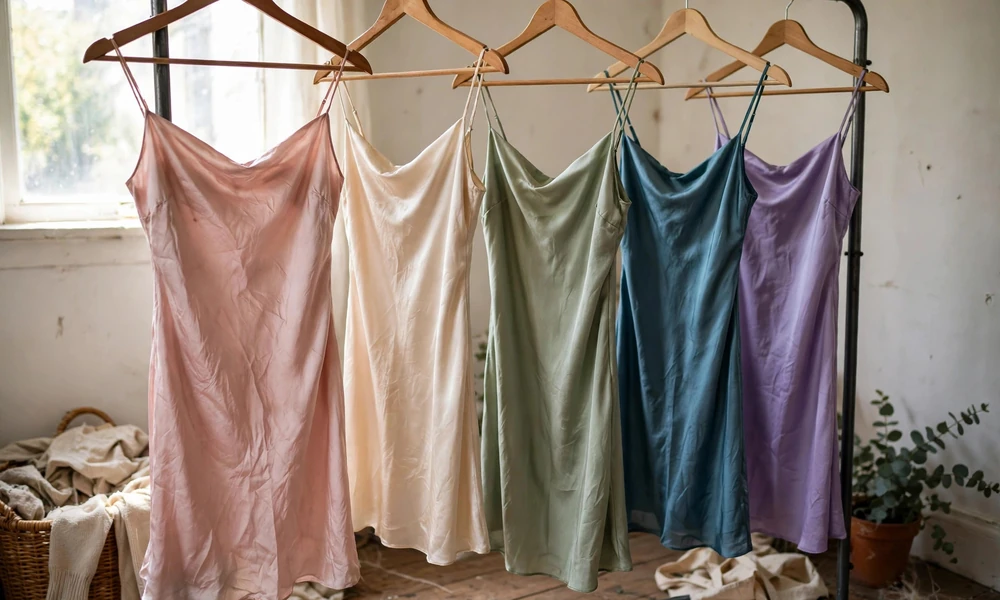
We also judged honesty. Silk is not the easiest fabric, and any guide that pretends otherwise is selling you something. A silk dress needs gentle washing, it stains more easily than cotton, and it fades in strong sun. Those are real costs, and they belong in the decision alongside the price.
Finally, we looked at what makes one silk dress worth more than another. The differences are usually in the weight of the silk, the quality of the lining, the neatness of the seams, and the way the dress is cut.
The 9 reasons silk dresses are worth it in 2027
The drape is unlike any other fabric
What we like: Silk falls in soft, fluid folds that follow the body instead of holding a stiff shape, which is why a simple silk dress can look more elegant than a complicated dress in a cheaper fabric. What to consider: Very light silk can cling in humidity and show every line underneath, so a lining matters. Best for: Slip dresses, bias-cut dresses, and any dress meant to move. Cost: £80 to £300 for a good silk dress, depending on weight and brand. Time needed: Five minutes to steam or hang it before wearing, so the folds fall properly.
It keeps you cool when it is hot
What we like: Silk breathes, wicks moisture, and feels cool against the skin, which makes it one of the most comfortable fabrics for summer weddings, holidays, and warm evenings. What to consider: Silk shows sweat marks more than cotton, so a darker colour or a looser cut helps in very hot weather. Best for: Summer events, warm climates, and anyone who overheats in synthetic fabrics. Cost: £80 to £250 for a summer silk dress. Time needed: No extra time, though a quick airing after wear keeps it fresh.
It works across seasons, not just summer
What we like: Silk is a natural temperature regulator, cool in heat and comfortable under a layer in cooler weather, so a silk dress works in spring and autumn with a cardigan or a blazer, and even in winter under a coat. What to consider: Silk alone is not warm enough for a cold day, and it needs a layer underneath or over it. Best for: A dress you want to wear for most of the year, not just one season. Cost: £100 to £300 for a mid-weight silk dress that layers well. Time needed: A minute to add a layer, and the dress does the rest.
The colour has a depth synthetics cannot copy
What we like: Silk takes dye beautifully and holds colour with a depth and a subtle sheen that makes even a plain black or navy dress look richer than the same colour in polyester. What to consider: Silk fades in strong sun, so it should not be left hanging in a sunny window, and bright colours need more care in the wash. Best for: Rich, deep colours and evening dresses, where the fabric does the work. Cost: £90 to £280 for a well-dyed silk dress. Time needed: A few minutes to store it away from direct sunlight.
It feels good against your skin all day
What we like: Silk is smooth, soft, and kind to skin, including sensitive skin, and it does not chafe or cling the way many synthetics do. What to consider: Very fine silk can feel slippery and need adjusting, and a poorly lined silk dress can be less comfortable than a well-made one in another fabric. Best for: Long days, weddings, and anyone with sensitive skin. Cost: £80 to £260 for a lined silk dress. Time needed: None, once the dress fits properly.
It ages with character, not wear
What we like: Good silk softens and gains a gentle patina with wear, and a well-made silk dress can look better after a year than it did when it was new. What to consider: Silk can snag, and it shows water spots if it gets wet unevenly, so it needs care to age well. Best for: A dress you want to keep for years, not one season. Cost: £100 to £300 for a silk dress built to last. Time needed: A few minutes a month to check for snags and store it properly.
The cost per wear is lower than it looks
What we like: A £150 silk dress worn forty times costs less than £4 per wear, while a £50 dress worn five times costs £10 per wear. Silk dresses are usually worn more often, because they are more comfortable and more versatile. What to consider: Dry cleaning adds to the cost, so hand-washable silk is better value if you are willing to wash it yourself. Best for: Anyone who wants to buy fewer, better dresses. Cost: £120 to £250 for a silk dress with a low cost per wear. Time needed: Ten minutes to hand-wash it, which is cheaper than dry cleaning.
It suits almost every occasion
What we like: A simple silk dress can be dressed up with heels and jewellery for a wedding, or dressed down with sandals and a denim jacket for lunch, which makes it one of the most versatile dresses you can own. What to consider: Very formal silk, such as dupion, suits evening better than daytime, so choose the weave for the life you lead. Best for: Weddings, holidays, work events, and evenings out. Cost: £90 to £280 for a versatile silk dress. Time needed: A minute to change shoes and accessories, and the dress changes with them.
It is a gift that keeps its meaning
What we like: A silk dress is a meaningful gift, for yourself or for someone else, because it is personal, lasting, and clearly chosen with care, not bought on impulse. What to consider: Silk is a personal choice of colour and cut, so it is a better gift when you know the person’s taste well. Best for: A milestone birthday, an anniversary, or a present to yourself after a hard year. Cost: £100 to £300 for a gift-quality silk dress. Time needed: An afternoon to choose it properly, which is part of the gift.
Which silk dress is right for you
Choose a slip dress if you want the classic silk dress, and read our guide to what a slip dress is before you buy, because the cut matters more than the fabric. Look for adjustable straps, a lining, and a length that suits your height.
Choose a crepe de chine dress if you want silk that is easier to live with. It wrinkles less, hides marks better, and suits daytime as well as evening. Choose a charmeuse dress if you want the most fluid, glossy silk, and you are happy to steam it and care for it. Choose a heavier silk, 22 momme or above, if you want a dress that drapes well, lasts longer, and needs less fussing. Our roundup of the best satin dresses is useful here too, because it shows where satin ends and silk begins, and why the difference matters.
If you are buying your first silk dress, start with a simple shape in a colour you wear often, in a mid-weight silk, with a lining.
The caveats that matter
Silk is not an easy fabric, and anyone who tells you otherwise has not owned one. It wrinkles, and it wrinkles more than cotton or wool. It stains, and a splash of red wine or a spray of perfume can mark it permanently if it is not dealt with quickly. It fades in strong sun, it snags on rough jewellery and rough surfaces, and it needs to be washed gently, by hand or by a dry cleaner who knows silk. These are real demands, and they are the reason some people buy a silk dress, wear it once, and never wear it again.
| Detail | What is known |
|---|---|
| Best silk for a first dress | Mid-weight mulberry silk, 19 to 22 momme, with a lining |
| When it is most comfortable | Warm weather, long days, and occasions where comfort matters |
| How to wash it | Hand-wash cold with a gentle detergent, or dry-clean; never tumble-dry |
| What stains it | Perfume, deodorant, red wine, and oil, especially if left to dry |
| How to store it | Folded or on a padded hanger, away from sun, with cedar or lavender |
| Cost per wear | Often under £4 per wear for a good dress worn forty times |
| Who should think twice | Anyone who wants a wash-and-go dress, or who dislikes steaming and careful storage |
| What it does not do | It does not hold its value as an asset, and it does not suit every lifestyle |
Silk is also one of the most faked fabrics. A dress labelled silk that costs very little is often mostly polyester, and it will not feel, drape, or breathe like silk. Check the label, feel the fabric, and buy from a seller you trust.
Checklist: buying a silk dress honestly
Use these checks before you buy, and again after the first wear.
- Check the label: 100 percent silk, or a named blend, with the silk percentage stated clearly.
- Check the weight: mid-weight silk, 19 to 22 momme, drapes best and lasts longest for most dresses.
- Check the lining: a lined dress is more comfortable, more opaque, and easier to wear.
- Check the seams: neat, even, and finished, with no loose threads or puckering.
- Check the care label: hand-wash or dry-clean only, and be honest about whether you will do it.
- Check the return policy: buy from a seller who lets you return it if it does not suit you after a try-on at home.
Frequently asked questions
Are silk dresses worth the money?
Often yes, if you wear the dress regularly. A good silk dress is more comfortable, more versatile, and longer-lasting than most dresses at the same price, and its cost per wear is often lower than a cheaper dress worn only a few times. It is not worth it if you will only wear it once.
How do I wash a silk dress?
Hand-wash in cold water with a gentle detergent made for silk or delicates, rinse in cold water, and roll it in a towel to remove water. Never wring it, never tumble-dry it, and dry it flat or on a padded hanger away from direct sun. If in doubt, dry-clean it.
Do silk dresses wrinkle a lot?
Yes, more than cotton or wool, though crepe de chine wrinkles less than charmeuse. Hang the dress in a steamy bathroom, or steam it gently, and most wrinkles fall out. A few soft creases are normal for silk and part of how the fabric looks when worn.
Can I wear a silk dress in winter?
Yes, with layers. A silk dress under a coat, with a cardigan or a blazer and boots, works well in cooler weather. Silk on its own is not warm enough for a cold day, but it is comfortable as a layer because it breathes and does not add bulk.
How can I tell real silk from fake silk?
Real silk feels warm and smooth, not cold and slippery, and it has a soft sheen rather than a hard shine. It wrinkles when you scrunch it, and the wrinkles slowly release. A burn test on a loose thread smells like burnt hair, while polyester smells chemical and melts into a hard bead, but only do this on a spare thread, never on the dress.
Will a silk dress last for years?
A good one will, if it is cared for. Hand-wash it gently, store it away from sun and moths, and repair small snags early. A silk dress that is looked after can be worn for five years or more, and it often looks better with age than a synthetic dress does after one season.
The bottom line
Silk dresses are worth it for most people who buy them thoughtfully, because they are more comfortable, more versatile, and longer-lasting than the price suggests. The drape, the colour, the coolness in heat, and the way the fabric ages are all real, and they add up to a dress you will reach for again and again. The cost per wear is usually lower than a cheaper dress, and the feeling of wearing silk is not something a synthetic fabric has managed to copy.
Buy one good silk dress, in a simple shape and a colour you wear often, in a mid-weight silk with a lining, and look after it gently. If it earns its place in your wardrobe, you will know within a season. That is the honest way to decide whether silk is worth it for you.