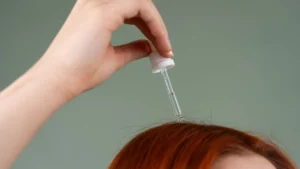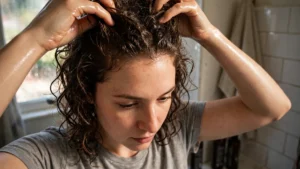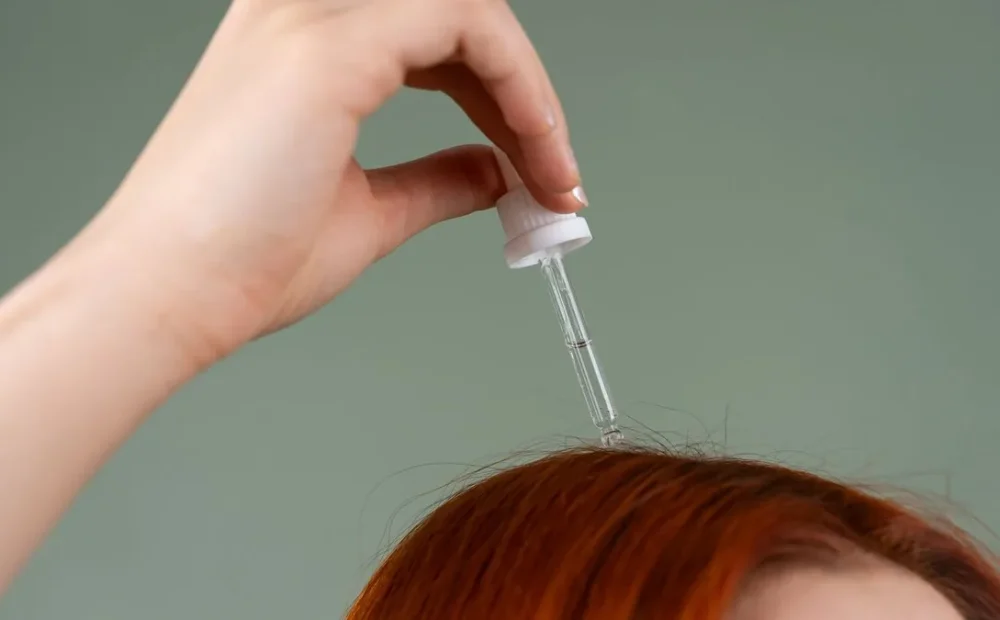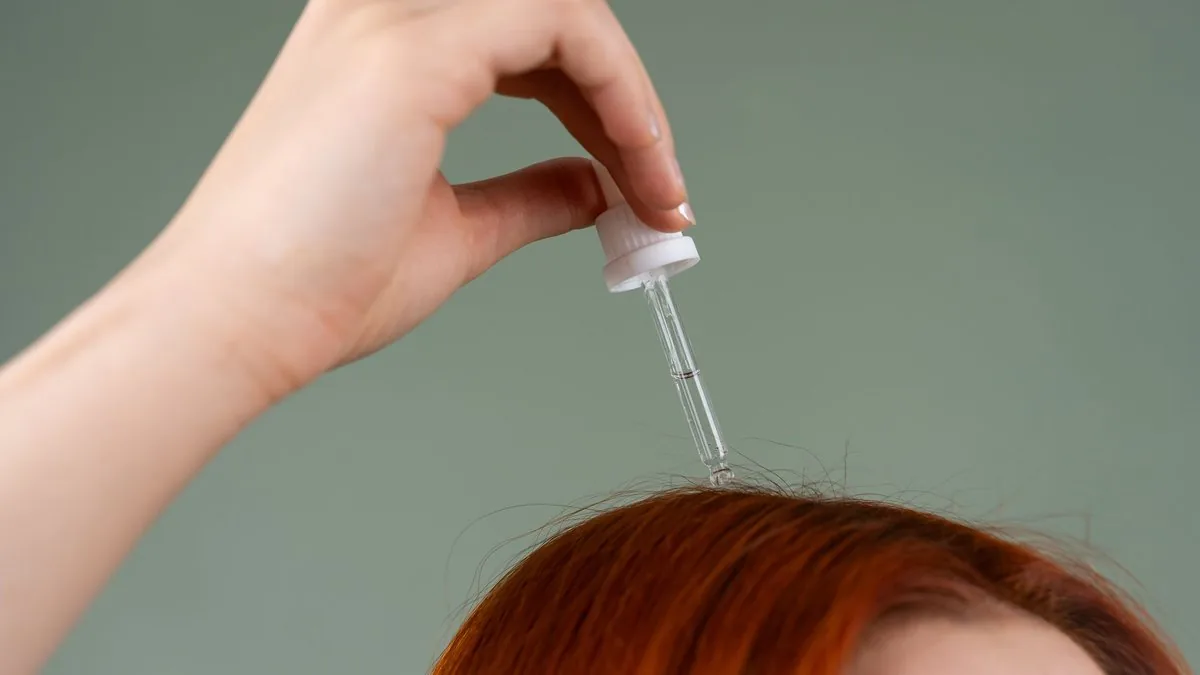

A hair serum is a lightweight, leave-in treatment that coats the surface of the hair to smooth frizz, add shine and protect it from heat and humidity. It usually comes in a small bottle with a pump or a dropper, and a few drops are all you need.
The confusion is understandable. Serums sit beside hair oils, leave-in conditioners and heat protectants. The difference is what a serum actually does: it forms a thin film over the hair shaft that seals the cuticle, the overlapping outer layer of each strand.
By 2027 hair serums are among the most searched haircare questions. This guide covers what a hair serum is, the main types, the key ingredients, and how to use one without ending up with flat, greasy hair.
Key takeaways
- A hair serum is a leave-in coating for the hair shaft: it smooths the cuticle, adds shine and protects against heat and humidity.
- Most serums are silicone-based, oil-based or a blend of the two; silicones give the smoothest, most humidity-proof finish.
- Apply serum to clean, damp hair, from the mid-lengths to the ends, and keep it away from the roots unless the formula is made for the scalp.
- A pea-sized amount suits fine or short hair; thick, long or curly hair needs two to three pumps. Start small.
- A serum cannot repair split ends or regrow hair, but it can make damaged hair look much better while you grow the damage out.
What a Hair Serum Actually Is
A hair serum is a concentrated, leave-in liquid that sits on the outside of the hair strand. Each strand is covered in cuticle scales, like roof tiles. When those tiles lift, hair looks dull, feels rough and tangles easily. Serum smooths those tiles down, so the surface reflects light evenly and humidity gets in far more slowly.
Most formulas are built around silicones such as dimethicone, plant oils such as argan, or a mix of both. Silicones spread into an even, weightless film and survive hot tools better than most natural oils. Plant oils add slip and softness, but they are heavier and wash out faster. That is why the best-selling serums of 2027 are usually hybrids, with a silicone base carrying a small percentage of argan or camellia oil.
It is worth being clear about what a serum is not. It is not a face serum: those sink into skin, while hair serums stay on the surface. It is not a hair oil either; an oil feeds and softens, a serum seals and shields. And it is not a cure: no serum can fuse a split end back together or undo chemical damage, whatever the bottle claims.
How a Hair Serum Works
A serum works in three ways at once. First, it coats: the film fills the gaps between raised cuticle scales, so the surface becomes smooth and reflects light evenly. That is the shine you see. Second, it seals: the film slows water moving in and out of the hair, so humidity causes less swelling and frizz.
Third, it protects: a serum buffers the hair against heat, friction, UV light and pollution. Heat-protectant serums form a film that spreads heat more evenly and slows moisture loss from the strand. They do not make heat harmless.
Timing matters because of how the film forms. Serum works best on clean, towel-dried hair, when the strand is damp enough for the product to spread evenly. On dry, dirty hair the same serum sits on top of oil and styling residue, which is why it can look greasy instead of glossy. Applied on damp hair, it dries into the strand as the hair dries.

Hair Serum vs Hair Oil vs Leave-In Conditioner
These three products are the most confused in haircare, and many people buy all three when one would do.
| Product | Main job | Texture | When to use it | Best for | Main drawback |
|---|---|---|---|---|---|
| Hair serum | Smooths, seals, protects | Light liquid or gel | On damp hair after washing | Frizz and shine | Too much weighs hair down |
| Hair oil | Nourishes and softens | Rich oil | Before washing or on dry ends | Dry or damaged hair | Can look greasy on fine hair |
| Leave-in conditioner | Hydrates and detangles | Light cream or spray | On damp hair after washing | Tangles and dryness | Weak heat protection |
| Heat protectant spray | Shields from hot tools | Fine mist | Before any heat styling | Daily straightening or curling | No shine or frizz control |
| Hair mask | Deep conditioning | Thick cream | Once a week, rinsed out | Very dry or damaged hair | Takes 10-20 minutes |
| Scalp serum | Treats the scalp | Watery liquid | On the scalp, 2-3 times a week | Dry scalp | Not for the ends |
| Styling cream | Holds a style | Cream or paste | On damp or dry hair before styling | Definition and hold | Can feel stiff |
The rule is simple: frizz, dullness or heat damage, start with a serum; dryness no conditioner fixes, add an oil; tangles, use a leave-in conditioner. You can use a serum and a leave-in together, serum last.
The Main Types of Hair Serum
Anti-frizz serums are the original and most popular type. They are silicone-heavy, form a humidity-proof barrier around each strand, and work best in damp weather. Apply them to damp hair and let them dry in.
Heat-protectant serums suit anyone who blow-dries, straightens or curls regularly. Use one every time you use a hot tool, because heat damage is cumulative: each pass weakens the strand a little more, and the ends pay for it first.
Shine serums are the lightest formulas, often almost water-thin, and they exist for one job: making hair reflect light. They suit fine hair and are the best finishing touch on dry hair. A single drop smoothed over the outer layer is enough; more than that and the shine turns into grease. Repair serums pair silicones with keratin for damaged or coloured hair, but they only patch the surface temporarily.
Curl-defining serums are made for wavy and curly hair, where the goal is pattern as well as smoothness. They are scrunched into damp curls to encourage defined spirals instead of frizz. Scalp serums are different: watery treatments for the scalp, not the lengths. Our guide to the best hair oils explains when an oil beats a serum.
Key Ingredients to Look For
Silicones are the ingredient people argue about most. Dimethicone gives a smooth film and washes out with shampoo, while amodimethicone targets damaged areas and resists build-up. The fear that silicones suffocate hair is overstated; they rinse away with a normal shampoo. The real downside is build-up if you use a heavy silicone serum daily and only wash with a very gentle, sulphate-free shampoo.
Argan oil is the most popular plant oil in serums: light, rich in vitamin E, and it penetrates the hair shaft. Research on argan oil shows it reduces protein loss from heat and chemical damage and improves the strength of the strand. Camellia oil and squalane are lighter still, and both suit fine hair that cannot carry argan.
Proteins are useful for damaged hair, but only in small doses. Protein fills gaps in the cuticle temporarily and makes hair feel stronger, yet too much protein makes hair stiff and brittle, which is the opposite of healthy. Panthenol (provitamin B5) is a safer everyday ingredient: it attracts moisture into the strand and adds thickness to fine hair. Avoid serums loaded with drying alcohols such as alcohol denat high on the ingredient list, especially if your hair is already dry.
How to Use a Hair Serum
Start with clean, towel-dried hair. Wash and condition as usual, then gently squeeze out excess water with a towel rather than rubbing, which roughens the cuticle. Hair should be damp, not dripping. Dispense the serum into your palm, not directly onto your hair. A pea-sized amount suits fine or short hair, one pump medium lengths, two to three pumps for long, thick or curly hair.
Warm the product between your palms, then run your hands through the mid-lengths and ends and smooth the outer layer last. Keep serum away from the roots unless the bottle says it is a scalp formula.
Comb through once with a wide-tooth comb to distribute the product, then style as usual. You can also use a tiny amount on dry hair as a finishing step: take a single drop, warm it between your palms, and smooth it over the surface of the hair to tame flyaways and add shine. Never apply a full pump to dry hair, because without water to help it spread it will sit in one place and look greasy. A good wash removes serum build-up; see how to wash hair properly.
A Quick Checklist Before You Buy
- Match the serum to your main problem: frizz, heat damage, dullness, curls and scalp care need different formulas.
- Check the first five ingredients: silicones or light oils for smoothing, proteins for damage, panthenol for dryness.
- Choose a light formula for fine hair and a richer one for thick, coarse or curly hair.
- Buy the smallest bottle first, and give it three weeks before judging it.
- Skip any serum promising to repair split ends permanently or regrow hair; those claims are marketing, not chemistry.
- Match it to your styling habits: daily heat users need heat protection; air-dryers can choose a lighter formula.
Mistakes That Make Serum Backfire
The most common mistake is using too much. Serum is concentrated by design, and doubling the dose doubles the weight. If your hair looks flat, stringy or oily within an hour, the amount is the problem, not the product. Halve it.
The second mistake is applying it to the roots. Mid-lengths and ends only. The third mistake is applying serum to dirty hair: on unwashed hair, serum mixes with sebum and residue and seals it in, so the result looks lank rather than glossy.
The fourth mistake is assuming any serum protects from heat: a shine serum is not a heat protectant. If you use hot tools, the serum must say heat protection on the label. The final mistake is expecting a serum to fix damage it cannot fix. Split ends do not fuse back together, and the only real cure is a trim. A weekly deep treatment is the honest version of repair: our guide to the best hydrating hair masks covers masks that restore moisture to damaged hair.
Frequently Asked Questions
Can I use a hair serum every day?
Yes, a lightweight serum is designed for daily use. The risk is build-up, not damage: use a clarifying shampoo once a month.
Should I apply hair serum on wet or dry hair?
On damp, towel-dried hair, because the serum spreads evenly and dries into the strand. A single drop on dry hair smooths flyaways.
Is hair serum good for curly hair?
Yes, curls are naturally drier and more frizz-prone than straight hair. Apply a curl-defining serum to damp curls by scrunching, and let them dry untouched.
Does hair serum help hair grow faster?
No, it works on the lengths of the hair, not on the follicle where growth happens. It can help hair look longer over time by reducing breakage.
Can I use hair serum on oily hair?
Yes, but use less: pick a lightweight, silicone-based serum, apply a pea-sized amount to the ends only, and keep it away from the roots and scalp.
Is hair serum the same as hair oil?
No. A hair serum is a leave-in coating that smooths the cuticle, adds shine and protects against heat and humidity. A hair oil is a nourishing treatment that softens and feeds the hair. They do different jobs, and neither one replaces the other.
The Bottom Line
A hair serum is the sealing step of haircare: a light, leave-in coating that smooths the cuticle, locks in moisture and adds shine. Choose it by your main problem, use a small amount on clean, damp hair from the mid-lengths to the ends, and keep it off the roots. It will not repair split ends or grow hair, but for frizz, dullness and heat protection it is the most effective product you can add.
Note: This article is for general information only and is not medical advice. If you have a scalp condition, or sudden or heavy hair shedding, speak to a dermatologist or a trichologist before starting a new scalp or hair treatment.