Dandruff is one of the most common scalp complaints, and one of the most misunderstood. Flakes on a dark jumper are usually blamed on dry skin, but dandruff is more often a sign of an oily, irritated scalp than a dry one. A yeast that lives naturally on everyone’s scalp can overgrow, the skin renews itself too quickly, and the result is flakes, itching, and a scalp that feels tight one day and greasy the next.
That is where hair oil comes in, and where it is often used wrongly. A heavy oil massaged into an already irritated scalp and left for days can make flaking worse. A light, well-chosen oil used as a pre-wash treatment, on the other hand, can soften flakes, calm itching, and help a shampoo do its job properly.
Below are nine hair oils worth considering in 2027 for a flaky scalp, from dedicated pre-wash scalp oils to light finishing oils. Each one is described by what it is good at, what to watch for, and who it suits best.
Key takeaways
- Dandruff is usually linked to an oily, irritated scalp and yeast overgrowth, not simple dryness, so heavy oil left on the scalp can make it worse.
- Light pre-wash scalp oils with rosemary, tea tree, or salicylic acid help soften flakes and calm itching before shampooing.
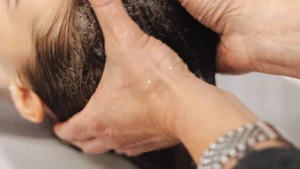
- Use oil as a short pre-wash treatment, 20 to 30 minutes before washing, rather than leaving it on for days.
- Pair oil with a gentle anti-dandruff shampoo and wash it out fully; residue left on the scalp feeds the problem.
- No hair oil cures dandruff on its own, and persistent, spreading, or painful flaking should be checked by a dermatologist.
What dandruff is and what hair oil can actually do
Dandruff, or seborrheic dermatitis in its milder form, happens when the scalp’s skin cells renew faster than usual and shed in visible flakes. A yeast called Malassezia, which feeds on the natural oils of the scalp, is usually part of the picture. When it overgrows, the scalp becomes irritated, itchy, and flaky.
Hair oil does not kill that yeast, and no oil on its own will cure dandruff. What a good oil can do is soften the flakes so they lift away more easily in the wash, reduce the tight, itchy feeling that comes with a dry, irritated scalp, and protect the hair lengths from the drying effect of frequent anti-dandruff shampooing.
The mistake is treating oil as a leave-in cure. Thick oils, especially coconut or olive oil applied in large amounts and left overnight, can trap heat and moisture against the scalp and give the yeast more to feed on. Our guide to how to use hair oil explains the basic method, and the same principles apply here, with a few extra rules for a flaky scalp.
How we chose these oils and what to look for
Look first at whether the oil is made for the scalp or for the lengths. A scalp oil is usually lighter, often contains rosemary, tea tree, peppermint, or salicylic acid, and is meant to be massaged in and washed out. A finishing oil is meant for the mid-lengths and ends, and should be kept away from the roots if your scalp is flaking.

Look next at the ingredient list. Rosemary oil and tea tree oil are the two botanicals most often used in scalp care, and both have a long history in dandruff products. Salicylic acid helps loosen flakes. Light carrier oils such as jojoba, grapeseed, and squalane absorb well and are less likely to sit heavily on the scalp than thick coconut or castor oil. Fragrance-free or lightly fragranced formulas are safer if your scalp is already irritated.
Finally, look at the texture and the bottle. A dropper or a fine nozzle lets you place a small amount exactly where you need it, which matters when the goal is a light scalp treatment rather than a heavy coating. A 30 to 50 ml bottle is usually enough for several weeks of pre-wash use, because you only need a few drops per application.
The 9 best hair oils for dandruff of 2027
Briogeo Scalp Revival Rosemary Pre-Wash Oil
What we like: A dedicated pre-wash scalp oil with rosemary, tea tree, and castor oil, designed to be massaged in and rinsed out, with a cooling feel that calms itching quickly. What to consider: It is a treatment, not a finishing oil, so it must be washed out properly, and the rosemary scent is strong. Best For: Itchy, flaky scalps that need a pre-wash treatment. Material: Rosemary, tea tree, and castor oil blend. Price Range: $30–$35. Standout Feature: Made specifically for the scalp, with a dropper for precise application.
This is the most purpose-built oil in this guide. It goes on the scalp, not the lengths, and it is meant to be used before shampooing.
Act+Acre Cold Processed Scalp Detox Oil
What we like: A lightweight, cold-processed blend with amla and baobab, designed to lift buildup and flakes without stripping the scalp, and it rinses out cleanly. What to consider: Premium price for a small bottle, and it works best as part of a regular routine rather than a one-off fix. Best For: Buildup and flakes from styling products and infrequent washing. Material: Amla, baobab, and moringa oil blend. Price Range: $45–$50. Standout Feature: Cold-processed formula that feels light and washes out easily.
Act+Acre built its name on scalp care, and this oil shows it. It is thin enough to spread across the scalp with a few drops.
Ceremonia Aceite de Moska
What we like: A pre-wash scalp and hair oil with rosemary, castor, and babassu, inspired by Latin American hair rituals, with a warm herbal scent and a genuinely scalp-first formula. What to consider: The scent is noticeable, and it needs a thorough double shampoo to rinse out fully. Best For: Dry, flaky scalps that also need moisture in the lengths. Material: Rosemary, castor, and babassu oil blend. Price Range: $25–$30. Standout Feature: A scalp-first pre-wash oil at a mid-range price.
Ceremonia’s oil is a good middle ground: rich enough to soften flakes and moisturise dry lengths, but designed as a pre-wash treatment that comes out cleanly.
Fable & Mane HoliRoots Hair Oil
What we like: A pre-wash oil with amla, ashwagandha, and castor oil, with a light, non-greasy feel and a pleasant herbal scent that does not linger. What to consider: It is richer than the lightest scalp oils, so use a small amount on the scalp and save the rest for the lengths. Best For: Flaky scalps with dry, brittle lengths. Material: Amla, ashwagandha, and castor oil blend. Price Range: $34–$38. Standout Feature: Amla-based pre-wash formula that suits both scalp and lengths.
HoliRoots softens flakes, adds shine to the lengths, and washes out without much effort, which makes it easy to use twice a week.
Kérastase Elixir Ultime L’Huile Originale
What we like: A light, versatile oil with camellia and marula that adds shine and softness without weighing hair down, and a small amount goes a long way. What to consider: It is a finishing oil, not a scalp treatment, so keep it off the roots and use it on the mid-lengths and ends only. Best For: Protecting dry lengths while you treat the scalp separately. Material: Camellia, marula, and argan oil blend. Price Range: $60–$65. Standout Feature: A classic lightweight finishing oil that never feels greasy on the lengths.
Reach for this when your anti-dandruff shampoo has left the lengths dry. It does nothing for flakes directly, but it keeps the rest of your hair in good condition.
Moroccanoil Treatment Light
What we like: A light version of the original argan oil treatment, with a fine texture that absorbs quickly and adds shine without heaviness, even on fine hair. What to consider: Keep it on the lengths and ends, not the scalp, and use one pump at most on fine hair. Best For: Fine to medium hair with a flaky scalp and dry ends. Material: Argan oil and linseed extract blend. Price Range: $46–$50. Standout Feature: The light formula absorbs fast and suits fine hair.
Moroccanoil Light earns its place here as a lengths-only oil. When dandruff treatment means washing more often, a light argan oil keeps the ends soft without adding to scalp buildup.
Davines OI Oil
What we like: A silky, lightweight oil with roucou oil that smooths frizz, adds shine, and detangles, with a soft, clean scent and a texture that never feels sticky. What to consider: It is a finishing oil for the lengths, not a scalp product, so it will not help flakes directly. Best For: Frizzy, dull lengths that need smoothing during dandruff treatment. Material: Roucou oil and vitamin E blend. Price Range: $50–$55. Standout Feature: A feather-light texture that smooths without residue.
Davines OI Oil is a good partner oil. It keeps the lengths looking healthy while the scalp gets its own treatment, and its light texture will not migrate to the roots.
Gisou Honey Infused Hair Oil
What we like: A honey-infused oil that adds softness and shine, tames flyaways, and smells gently of honey without being overpowering. What to consider: Use it sparingly on the lengths only, because honey-based formulas can feel sticky if you use too much. Best For: Dry, flyaway hair that needs softness during frequent washing. Material: Honey, mirsalehi honey, and argan oil blend. Price Range: $44–$48. Standout Feature: Honey infusion that leaves hair soft and glossy.
Gisou’s oil is a pleasure to use, and that matters when a dandruff routine means washing your hair more often than you would like. A drop or two on the ends after washing keeps them from looking dried out.
Verb Ghost Oil
What we like: An affordable, weightless oil with moringa that smooths, adds shine, and disappears into the hair, with no residue and no heavy scent. What to consider: It is a finishing oil only, so it does not treat the scalp, and the bottle is small for the price. Best For: A budget-friendly finishing oil for all hair types. Material: Moringa oil and bamboo extract blend. Price Range: $18–$22. Standout Feature: The lightest oil in this guide, at the lowest price.
Verb Ghost Oil is the simplest choice here. It makes the lengths look smooth and shiny without adding weight, which is exactly what you want from a finishing oil.
Which oil suits your scalp type
An oily, flaky scalp needs the lightest touch. Choose a dedicated pre-wash scalp oil with rosemary or tea tree, use a few drops, massage gently, and wash it out after 20 to 30 minutes. Avoid heavy oils and leave-in treatments on the roots, because they add to the oil the yeast feeds on. A roundup of scalp oils covers the wider range of scalp-first formulas.
A dry, flaky scalp is a different problem, and it is often confused with dandruff. If your flakes are small, white, and dry, and your scalp feels tight rather than itchy and greasy, you may have a dry scalp rather than true dandruff. In that case a slightly richer pre-wash oil, used on the scalp and the lengths, can help, and a gentler shampoo may be enough without a medicated formula.
A sensitive scalp needs the most caution. Patch-test any new oil behind your ear for two days before using it across your scalp, choose fragrance-free or lightly fragranced formulas, and skip anything with a strong essential oil blend if your scalp stings or reddens easily. If flaking comes with redness, swelling, or sores, that is a sign to see a dermatologist rather than trying another oil.
The caveats that matter
Hair oil is a supporting step, not a treatment for dandruff on its own. The active treatment is usually a shampoo with an ingredient such as zinc pyrithione, selenium sulfide, ketoconazole, or salicylic acid, used regularly and left on the scalp for a few minutes before rinsing. Oil softens flakes and calms itching, but it does not address the yeast overgrowth that causes most dandruff. Our guide to anti-dandruff shampoos explains which active suits which scalp.
| Detail | What is known |
|---|---|
| What oil can do | Soften flakes, calm itching, and protect lengths from frequent washing |
| What oil cannot do | It does not cure dandruff or kill the yeast behind most flaking |
| Best way to use it | Pre-wash treatment, 20 to 30 minutes before shampooing, then wash out fully |
| What to avoid | Heavy oils left on the scalp overnight, and oil on the roots as a leave-in |
| Who should start gently | Sensitive or irritated scalps; patch-test behind the ear for two days first |
| How often | Once or twice a week as a pre-wash step, alongside an anti-dandruff shampoo |
| When to see a dermatologist | Flaking that spreads, hurts, bleeds, or does not improve after four weeks |
| What to pair it with | A gentle anti-dandruff shampoo, washed out fully with a double shampoo |
If you are using a prescription scalp treatment, check with your dermatologist or pharmacist before adding a new oil, especially one with strong essential oils. Some oils can interact with medicated treatments, and a simple check avoids weeks of irritation.
Checklist: using hair oil for dandruff honestly
- Check the type: choose a pre-wash scalp oil for the scalp, and a light finishing oil for the lengths only.
- Check the ingredients: look for rosemary, tea tree, or salicylic acid for the scalp, and light carriers such as jojoba or grapeseed.
- Check the amount: a few drops is enough for the scalp; more oil does not mean more benefit.
- Patch-test first: apply behind your ear for two days before using a new oil across your scalp.
- Time it right: massage in 20 to 30 minutes before washing, then shampoo twice to remove it fully.
- Judge it honestly: if flakes, itching, or greasiness get worse after two weeks, stop the oil and reassess.
Frequently asked questions
Can hair oil make dandruff worse?
Yes, if it is the wrong oil or used the wrong way. Heavy oils left on the scalp for hours or days can feed the yeast behind dandruff and trap flakes against the skin. Light pre-wash oils, used for 20 to 30 minutes and washed out fully, are much less likely to cause problems.
Should I put oil directly on a flaky scalp?
A small amount of a light, scalp-specific oil is fine as a pre-wash treatment. Massage a few drops in gently with your fingertips, leave it for 20 to 30 minutes, then shampoo twice. Avoid heavy oils, and avoid rubbing hard.
How often should I oil my hair if I have dandruff?
Once or twice a week is enough for most people, as a pre-wash step before your anti-dandruff shampoo. Daily oiling is rarely necessary and can lead to buildup, which makes flaking worse rather than better.
Can I leave hair oil on overnight with dandruff?
It is not recommended. Overnight oiling keeps the scalp warm, damp, and oily for hours, which suits the yeast behind dandruff. A short pre-wash treatment gives you the softening benefit without the same risk.
Which oil is best for an itchy scalp?
Rosemary and tea tree oils are the most commonly used for itching, usually in a pre-wash scalp oil. They feel cooling and can calm itching quickly, but patch-test first if your scalp is very sensitive.
Do I still need an anti-dandruff shampoo if I use hair oil?
Yes. Oil softens flakes and calms itching, but it does not treat the cause of dandruff. An anti-dandruff shampoo with an active ingredient is the treatment, and oil is the supporting step that makes the routine more comfortable.
The bottom line
The best hair oil for dandruff in 2027 is not the richest or the most expensive. It is a light, scalp-specific pre-wash oil that softens flakes, calms itching, and washes out cleanly, paired with a good anti-dandruff shampoo. For most people, a rosemary or tea tree scalp oil used once or twice a week before washing, plus a light finishing oil on the lengths, is the combination that works.
Choose one scalp oil, use it as a short pre-wash treatment for four weeks, wash it out fully every time, and judge it on whether your flakes and itching improve, not on how good it smells on day one. If nothing changes after a month, or if flaking spreads or hurts, see a dermatologist.