Body lotion is one of the most ordinary products in the bathroom, and one of the most misunderstood. Almost everyone has used it, yet few people could say exactly what it is or how it differs from the butter and the oil sitting next to it on the shelf. It is often treated as a generic cream for dry skin.
At its simplest, a body lotion is a light, water-based moisturiser made to be spread over large areas of skin every day. It delivers water to the skin, softens the surface, and slows moisture loss, without feeling heavy or greasy. That combination is why it has become the default daily moisturiser for most people, in every climate and for nearly every skin type.
This guide explains what body lotion really is, how it works, what is inside the bottle, and how it compares with body butter and body oil, so you can pick the right one for your skin.
Key Takeaways
- A body lotion is a water-based emulsion, mostly water blended with oils, that hydrates and softens skin with a light, fast-absorbing feel.
- It works through three ingredient types: humectants that draw in water, emollients that smooth the surface, and occlusives that slow moisture loss.
- Body lotion is the everyday, all-over choice; body butter is the richer rescue texture for very dry patches, and body oil is a water-free seal that works best over damp skin.
- Apply lotion within a few minutes of showering, while skin is still slightly damp, for the best absorption.
- The right lotion depends on your skin type: fragrance-free and ceramide-rich for sensitive skin, lightweight for oily skin, richer and creamier for dry skin.
What Is a Body Lotion, Exactly?
A body lotion is an emulsion, which means water and oils blended together with an emulsifier so they do not separate. Lotions are mostly water, often with humectants such as glycerin or hyaluronic acid and a modest amount of oils or silicones. That high water content is what makes lotion feel light, spread easily, and sink in quickly instead of sitting on the skin.
Because it is water-based, a lotion does two things at once: the water delivers hydration to the top layer of the skin, while the oils and emollients soften the surface and help keep that water from escaping. It spreads over arms, legs, and torso in seconds and absorbs fast enough to get dressed straight after. That ease of use is a real feature: the best moisturiser is the one you actually use every day.
How Body Lotion Actually Works
Every moisturiser works with some mix of three ingredient types.
Humectants pull water into the top layer of the skin. Glycerin, hyaluronic acid, urea, and panthenol are the common ones, and lotions usually contain more of them than butters or oils do. They are the reason lotion feels refreshing the moment it goes on, especially on skin that has just been washed.
Emollients fill in the tiny gaps between rough skin cells so the surface feels smooth and soft. Many plant oils, shea butter, squalane, and fatty alcohols work this way. Occlusives form a thin layer on top that slows water loss; petrolatum, dimethicone, and heavier plant butters are the strongest examples. A good lotion contains all three types, even if its occlusive part is lighter than a butter’s.
What Is Inside a Body Lotion?
Water is almost always the first ingredient on the label, and that is a good sign rather than a trick. It is the delivery system that carries everything else into the skin and gives lotion its fluid texture. After water, the next ingredients usually include a humectant such as glycerin, an emollient such as shea butter or a plant oil, and an emulsifier that holds the two together.
Many modern lotions add ingredients borrowed from facial skincare. Ceramides help rebuild the skin barrier, niacinamide calms redness, and panthenol, also known as pro-vitamin B5, soothes and hydrates. Urea appears in lotions for very dry or rough skin, where it both attracts water and gently loosens flaky surface cells.
Fragrance, preservatives, and stabilisers complete the formula. Fragrance is optional and worth skipping if your skin is sensitive, since it is one of the most common causes of irritation in body products. Preservatives are essential in any water-based product to prevent bacteria and mould, so their presence is a sign of a safe formula.
Body Lotion vs Body Butter vs Body Oil
Lotion, butter, and oil are often sold side by side as if they were interchangeable, but they are three different textures that do three slightly different things. Most dry-skin frustration comes from using the right product at the wrong moment.
| Body Lotion | Body Butter | Body Oil | |
|---|---|---|---|
| Main base | Water, with oils mixed in | Solid plant butters such as shea or cocoa, plus oils | Plant oils, no water at all |
| Texture | Light, fluid, fast-spreading | Thick, rich, cushiony | Fluid and slippery, from light to rich |
| What it does | Adds water, then softens | Softens and forms a rich protective layer | Softens and slows moisture loss |
| Finish on skin | Soft, matte to lightly dewy | Rich, cushioned, slightly occlusive | Dewy or glossy, with slip and sheen |
| Absorption time | Minutes, fast enough to dress | Slower, needs time to melt in | Stays on the surface longest |
| Best for | Everyday, all-over use | Very dry patches, elbows, knees, heels, nights | Sealing in moisture on damp skin, adding glow |
| Best moment | Morning and after every shower | Evening, or targeted spot care | After lotion, on damp skin, or as a finisher |
| Watch out for | May not be enough alone in deep winter | Can feel heavy and mark clothes | Adds no water on its own; can stain fabric |
Put simply, lotion hydrates and softens lightly, butter cushions and protects heavily, and oil seals and adds shine. A body butter is the richest of the three, made mostly from concentrated butters with little or no water, so it sits on the skin longer and creates a stronger barrier against moisture loss. A body oil contains no water at all, so it cannot hydrate by itself; it slows the evaporation of water already in the skin. Used together, lotion first and oil or butter second, they cover every need the skin has.
Which One Should You Reach For?
For most people, most of the time, lotion is the right answer. It suits normal, combination, and mildly dry skin, works in warm and cold weather, and fits a busy morning because it absorbs quickly and never feels sticky. If your skin feels comfortable for most of the day after one application, lotion alone is doing its job.
Reach for butter when skin is very dry, rough, or windburned, or when lotion alone stops being enough. Elbows, knees, heels, and hands are the classic butter zones, and many people use butter as a night treatment while keeping lotion for the day. Reach for oil to lock in moisture after a shower or add a healthy sheen to legs and shoulders.
There is no rule that says you must choose only one. Many routines use lotion as the daily base, then add butter on the driest patches or oil over the top when skin needs extra sealing.
How to Use Body Lotion the Right Way
Timing matters more than most people realise. The best moment to apply lotion is within a few minutes of showering, while skin is still slightly damp: damp skin absorbs the water and humectants more readily, and the emollients and occlusives then help trap that moisture in place. Waiting until skin is fully dry still helps, but it is a weaker version of the same step.
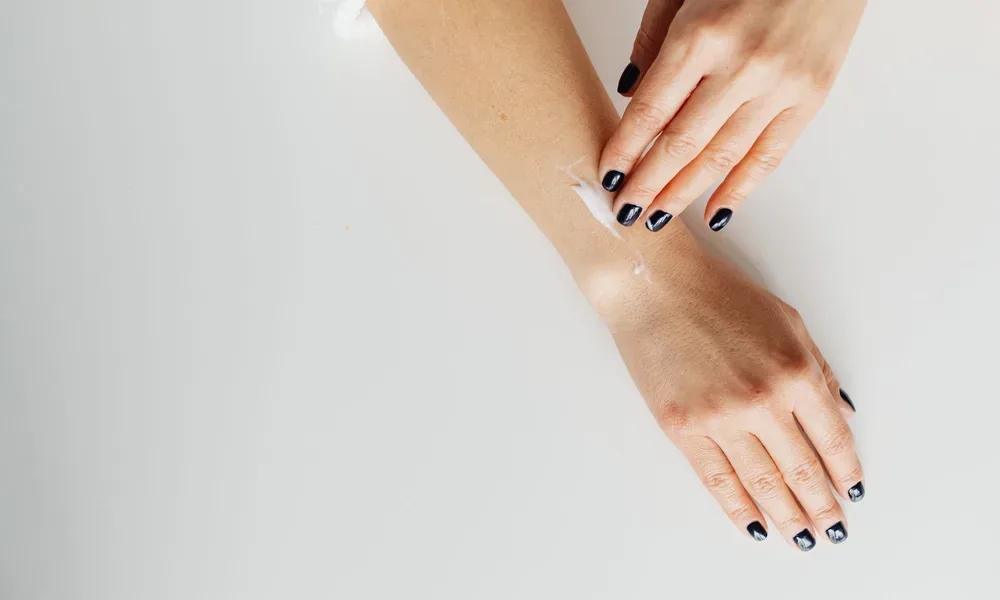
Use enough product. A common mistake is smoothing on a thin, stingy layer that disappears before it can do anything. For the whole body, most adults need roughly a shot-glass-sized amount, more for legs and less for arms. Warm it between your palms, then apply in long strokes until it disappears.
Be consistent rather than intense. One generous application every day does more than an occasional heavy session once a week. Reapply on areas that dry out fastest, such as shins and forearms. If lotion stings cracked skin, switch to a fragrance-free formula until it has healed.
Choosing a Body Lotion for Your Skin Type
Dry skin needs a richer lotion, often labelled as a cream-lotion or intensive care formula, with ceramides, shea butter, or urea high on the ingredient list. If your legs still feel tight an hour after applying, your lotion is too light for your skin.
Oily skin still needs moisturiser, and skipping it can make skin produce even more oil to compensate. Choose a lightweight, fast-absorbing lotion or a gel-lotion with glycerin and hyaluronic acid. Sensitive skin should look for fragrance-free formulas with short ingredient lists, ceramides, and soothing ingredients such as panthenol or colloidal oatmeal.
Mature skin benefits from lotions with niacinamide, peptides, or urea, which support the barrier as it naturally thins with age. Combination skin can use a light lotion everywhere and a richer cream or butter only on the driest areas. Whatever your type, the best body lotions share the same qualities: a humectant, an emollient, and an occlusive in one balanced formula.
Your Body Lotion Checklist
- Apply within a few minutes of showering, on slightly damp skin.
- Use a generous amount, roughly a shot glass for the whole body.
- Check the first five ingredients: water, a humectant, and an emollient should all appear.
- Choose fragrance-free if your skin is sensitive, reactive, or broken.
- Layer lotion first, then oil or butter on top if extra sealing is needed.
- Reapply on shins, forearms, and hands, which dry out fastest.
Frequently Asked Questions
Is body lotion the same as body cream?
Not quite. Both are water-based emulsions, but a cream is thicker and richer, with less water and more oils and butters. Lotion is lighter and more fluid, so it spreads faster and absorbs more quickly.
Can I use body lotion on my face?
It is not a good idea as a habit. Body lotions are formulated for the thicker skin of the body and often contain fragrance or heavier oils that can clog facial pores or irritate the thinner skin around the eyes. A face moisturiser is always the better choice.
How often should I apply body lotion?
Once a day after showering is enough for most people. Very dry skin may need a second application in the evening. Daily use keeps the moisture barrier in better shape than occasional heavy applications.
Does body lotion expire?
Yes. Most body lotions last 12 to 24 months after opening, and the bottle usually carries a small open-jar symbol with a number such as 12M. A lotion that smells off, has changed colour, or has separated into layers should be thrown away.
Can body lotion replace sunscreen?
No. A body lotion with SPF offers some protection, but a plain lotion provides none at all, and even an SPF lotion is rarely applied thickly enough to reach its labelled protection. Use a dedicated sunscreen over your lotion whenever skin will be in the sun.
Why does my skin still feel dry after using lotion?
The most common reasons are applying too little, applying it to fully dry skin, or using a formula that is too light for your skin type or climate. Try applying more, on damp skin, and if that does not help, move to a richer lotion or layer an oil or butter over the top to seal the moisture in.
The Bottom Line
A body lotion is a light, water-based emulsion that hydrates, softens, and protects the skin, and it is the most practical daily moisturiser most people will ever need. It does not replace butter or oil: each texture has its own job, and lotion’s job is the everyday one. Used daily, on damp skin, in a generous amount, it keeps the barrier healthy and the skin comfortable.
Note: This guide is for general information only and is not medical advice. If you have a skin condition such as eczema, psoriasis, or persistent irritation, or if a product causes a reaction, speak to a dermatologist before changing your routine.