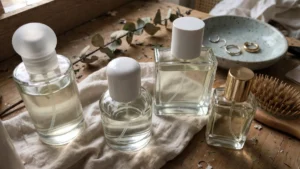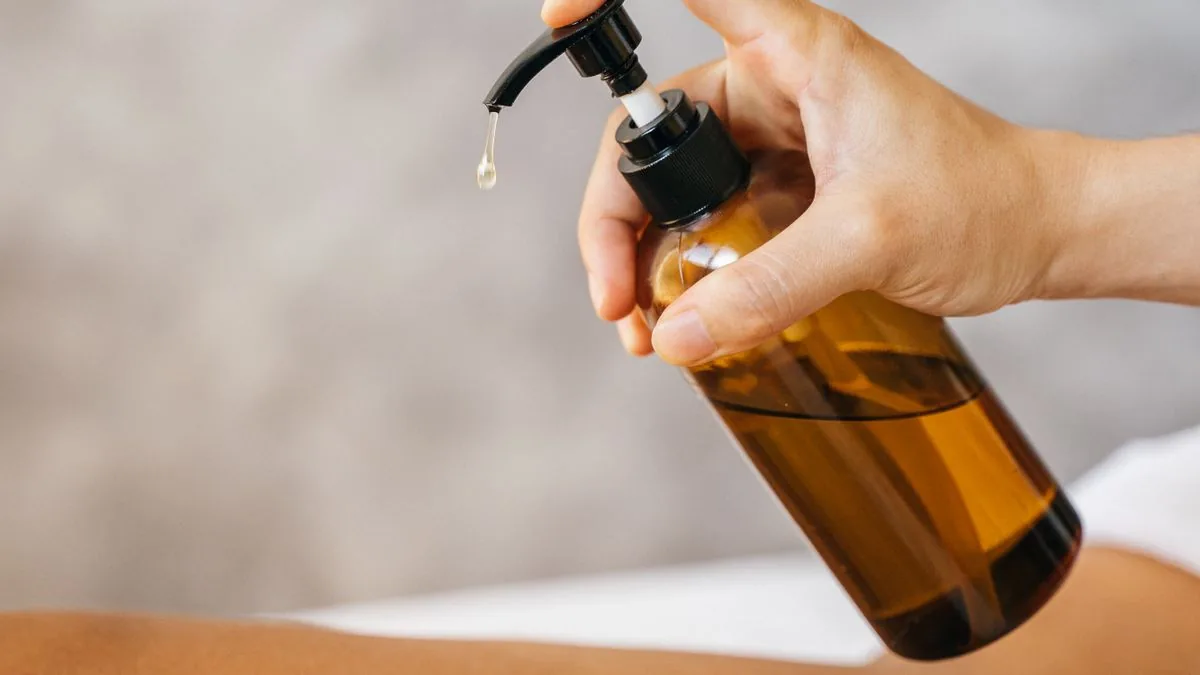

A body oil is a water-free moisturiser made almost entirely from plant oils. A lotion hydrates and then disappears; a body butter sits thick and rich. A body oil does something different: it coats the skin in a thin, silky layer that locks in the moisture already there and leaves a soft, healthy glow.
It is not a new idea. Oiled skin has been part of bathing and beauty routines for thousands of years, from olive oil in the ancient Mediterranean to shea and coconut oils across Africa and Asia. What is new is the modern formula: lightweight blends made to be used every day.
This guide explains what a body oil actually is, what is inside the bottle, how it works, and how it differs from lotion and body butter, so you can decide whether one earns a place in your bathroom.
Key takeaways
- A body oil is a moisturiser made almost entirely from plant oils, with no water in the formula, designed to seal moisture into the skin.
- Oil does not add water to the skin; it traps the water already there, which is why it works best on damp skin after a shower.
- Most body oils are built on carrier oils such as jojoba, sweet almond, sunflower, squalane or coconut, often with vitamin E.
- A body oil seals better and lasts longer than a lotion, but absorbs more slowly; a body butter is thicker and richer than either.
- A body oil is not a substitute for sunscreen, and it will not fix very dry or irritated skin on its own.
What a body oil actually is
A body oil is a body-care product whose base is oil rather than water, and that single difference explains almost everything about it. Lotions are emulsions of water and oil, which is why they feel light and sink in quickly. Body butters are built on solid fats such as shea or cocoa butter, which is why they feel thick and rich. A body oil skips the water and the wax entirely: liquid oil in a pump bottle, a pour bottle or a spray.
A good body oil feels slippery and silky for a minute or two, then settles into a soft, conditioned finish. It should not leave you sticky or shiny. The glow is the point for many people: light catches oiled skin differently, so arms, legs and shoulders look smoother and more even.
What a body oil is not matters too. It is not a massage oil, though a body oil can be used for massage. It is not a hair oil or a face oil, though some multi-use oils are labelled for face, body and hair. It is not a tanning oil, which usually offers no sun protection, and it is not a bath oil, which is poured into bath water rather than applied to skin.
How a body oil works on the skin
A body oil works in two ways at once. First, the oils are emollients: they fill the tiny gaps between rough, dry cells on the skin surface, so skin feels smoother and looks less ashy. Second, the thin oily film is occlusive, meaning it slows water loss. It does not add water to the skin; it helps the skin hold on to the water it already has.
That is why timing matters more with a body oil than with almost any other moisturiser. Applied to dry skin, an oil has little moisture to trap, so it mostly sits on the surface and can feel greasy. Applied to damp skin after a shower, the same oil traps the water on the surface, and the result feels completely different: softer, longer-lasting hydration with far less residue. Dermatologists call this the soak-and-seal method.
What is inside a body oil
Most body oils are built on one or more carrier oils, and the carrier decides most of how the product feels. Jojoba is light and close to the skin’s own oils, so it suits almost everyone. Sweet almond is soft and mild. Sunflower is light and rich in linoleic acid, which dry and breakout-prone skin tends to be short of. Coconut is richer, and is the oil most likely to cause breakouts on acne-prone skin. Squalane, from olives or sugarcane, is exceptionally light and suits sensitive skin well.
Beyond the carriers, many formulas add a small amount of vitamin E, which helps keep the oils fresh. Dry body oils add esters such as coco-caprylate, which evaporate quickly and leave a powdery, non-greasy finish. Shimmer body oils add fine mica, which catches the light and gives legs and shoulders a luminous finish for evenings out.
What is not in a body oil matters too. There is no water, so there are no humectants such as glycerin pulling moisture from the air, and there is usually no SPF. Water-free formulas are also harder for bacteria to grow in, so many body oils need fewer preservatives than lotions.
Body oil vs lotion vs body butter
The three products all moisturise, but they do it by different routes, and the right one depends on your skin and the season. A lotion adds water and seals lightly; a body oil seals strongly and adds glow; a body butter seals most heavily of all.
| Feature | Body oil | Lotion | Body butter |
|---|---|---|---|
| Main base | Plant oils, no water | Water and oil emulsion | Solid fats such as shea |
| What it does | Seals in moisture, adds glow | Hydrates and lightly seals | Deeply seals and cushions skin |
| Texture | Silky liquid, thin layer | Light, fluid, fast to sink in | Thick, rich, almost solid |
| Absorption time | Slow, a few minutes | Fast, under a minute | Slow, several minutes |
| Finish | Soft glow, luminous | Matte to slightly dewy | Rich, cushioned, matte |
| Best for | Dry skin, glow, winter | Everyday use, all skin types | Very dry skin, elbows, feet |
| Best season | Autumn and winter | Spring and summer | Deep winter |
| Layering | Last step, over lotion | First step, under oil | Last step, on its own |
If you only buy one, a lotion is the safer everyday choice, and our guide to the best body lotions is a good place to start. But if your skin is dry, if you love a glow, or if winter leaves your shins ashy, a body oil is the product most likely to change that. The two also layer well: lotion first, oil second.
How to choose a body oil for your skin type
Start with your skin, not the bottle. Dry skin does best with richer oils such as sweet almond, avocado or coconut, because the goal is maximum sealing. Oily or breakout-prone skin does better with light, linoleic-rich oils such as sunflower, grapeseed or squalane, which absorb quickly and are less likely to clog pores. Sensitive skin should look for short ingredient lists and no added fragrance, the most common cause of irritation in body products.
Next, think about finish. If you hate feeling oily, look for a dry body oil, which leaves a powdery finish, or a spray oil, which spreads thinly. If you love glow, look for a shimmer oil with fine mica. If you wear perfume, an unscented oil is the better choice.
Finally, check the bottle itself. A pump or spray is easier and cleaner than a pour bottle, especially with wet hands after a shower. A dark glass or opaque bottle protects the oils from light and keeps them fresh longer. And check the size against the price: body oil is used by the palmful, so a small bottle disappears fast. For very dry skin, see our guide to the best moisturisers for dry skin as well.
How to use a body oil
The method is simple, but the order matters. Shower or bathe as usual, then pat your skin until it is damp but not dripping. Warm a small amount of oil, roughly a teaspoon per limb, between your palms, then smooth it over your skin in long strokes, starting at the ankles and working upwards. Give it two or three minutes before getting dressed.
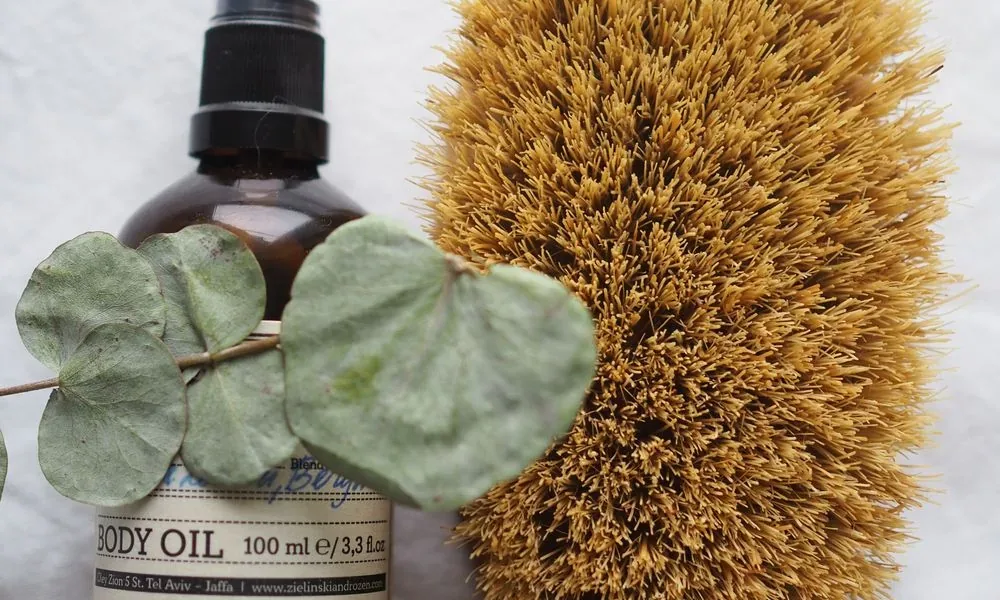
Your body oil checklist
- Apply to damp skin, not dry skin, so the oil has moisture to trap.
- Use about a teaspoon per limb and warm it between your palms first.
- Work from the ankles upwards in long, even strokes.
- Wait two to three minutes before dressing to avoid oil on clothes.
- Layer lotion underneath on very dry days, oil last to seal it in.
- Patch test a new oil on one arm for a day before using it everywhere.
Who should skip it, and the mistakes that waste it
Most people can use a body oil, but a few should be cautious. If your skin is acne-prone on the chest or back, heavy oils such as coconut can make breakouts worse, so choose a light oil and skip the chest and back if you are unsure. If you have eczema or broken skin, an oil can sting on open areas. If you are allergic to nuts, avoid sweet almond oil and check every label.
The mistakes are easy to make and easy to fix. The most common is applying oil to dry skin, which is why so many people conclude that body oil feels greasy and does nothing. The second is using too much: a palmful per limb is plenty, and more oil means more residue, not more moisture. The third is expecting it to replace sunscreen; it will not, and some oils can even make sunburn worse. The fourth is using it on the face, where body oils are usually too heavy and too fragranced. And the fifth is keeping a bottle for years: plant oils go rancid, usually within twelve months of opening.
Frequently asked questions
Is a body oil the same as a lotion?
No. A lotion is an emulsion of water and oil that hydrates the skin and absorbs quickly. A body oil is water-free and works mainly by sealing moisture in, so it absorbs more slowly and leaves a glow. They layer well, lotion first and oil second.
Does a body oil actually moisturise skin?
It moisturises in the sealing sense rather than the hydrating sense. It softens the skin, slows water loss and leaves skin smoother for hours. But it does not add water, so on its own it cannot rehydrate very dry skin. Used on damp skin, or over lotion, it works well.
Can you use body oil every day?
Yes, daily use is fine for most people, and it is how body oil works best. If your skin is oily or breakout-prone, start with every other day and only on the limbs.
Can you put body oil on your face?
You can, but it is rarely a good idea. Body oils are usually heavier and more fragranced than face oils, and more likely to clog pores or irritate facial skin. Use a facial oil made for that purpose instead.
Does body oil replace sunscreen?
No. A body oil gives no meaningful sun protection unless the label states an SPF, and most do not. Some oils can even increase the risk of sunburn. Apply sunscreen over body oil, or use the oil only at night.
Does body oil stain clothes?
It can, especially richer oils and shimmer formulas, if you dress too soon. Wait two to three minutes for the oil to settle, use a thin layer, and choose a dry oil if staining is a worry.
The bottom line
A body oil is a simple product with a clear job: a water-free, oil-based moisturiser that seals hydration into the skin and leaves a soft, healthy glow. It is not a lotion, so it will not add water on its own. It is not a body butter, so it will not feel as thick or cushioned. It is not a sunscreen, so it will not protect you from the sun. But used the right way, on damp skin after a shower, it is one of the most effective and most pleasant moisturisers you can own. For more, see our guide to the best body skincare overall.
Note: This guide explains what a body oil is and how it differs from lotion and body butter. It is general beauty information, not medical advice. Formulas vary between brands, so check the ingredient list of the product you buy, patch test a new formula if your skin is sensitive, and speak to a dermatologist if your skin is persistently dry, irritated or slow to heal.