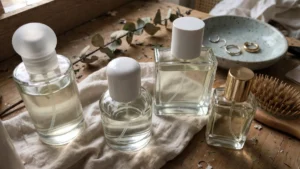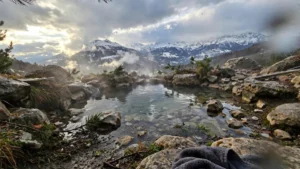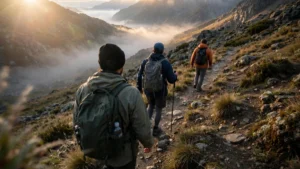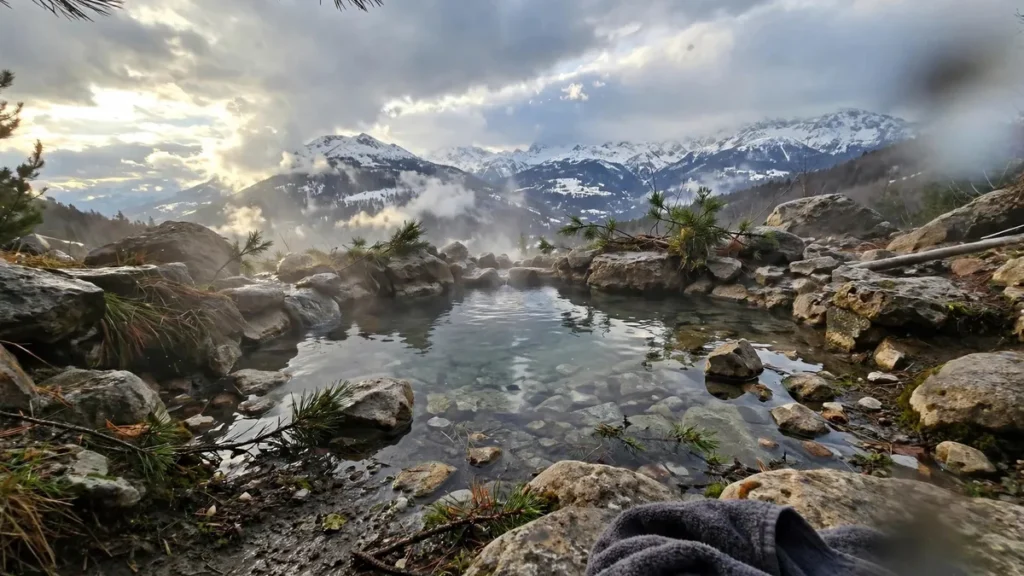
There is a particular pleasure in stepping out of cold, bright mountain air and into warm water. Your shoulders drop, your breathing slows, and the whole day rearranges itself around that one contrast. That is what a luxury mountain spa does best, and it is why the spa has become the heart of the modern mountain retreat, not an afterthought tucked into the basement.
The best mountain spas are not interchangeable. One is built around a cantilevered pool floating above a valley, another around silent onsen baths in falling snow, a third around altitude-aware treatments designed for tired ski legs.
Below are nine mountain spas worth planning a trip around in 2027, from the Dolomites to the Rockies and Japan. Each one is described by what it does best, what to watch for, and who it suits, so you can choose a spa that fits how you actually spend a mountain day, not just the grandest name.
Key takeaways
- A great mountain spa is defined by its setting and its water: heated outdoor pools, onsen baths, and thermal pools matter more than the size of the treatment menu.
- Altitude changes how your body responds to heat, massage, and alcohol, so drink more water than usual and take it easy on your first evening.
- Book spa treatments before you arrive, because the best time slots at small retreats sell out as fast as the best rooms.
- Many spa rates exclude treatments, so ask what is included in the room rate before you book, not after you arrive.
- No spa undoes a badly planned trip, and a famous pool is no substitute for a retreat that fits your pace, your budget, and who you are travelling with.
What makes a mountain spa different
A city spa competes on design and treatment lists. A mountain spa competes on the landscape. The air is thinner and drier, the light is sharper, and the temperature swings between cold mornings and warm afternoons are part of the experience. The best spas build their whole day around that contrast, moving you from cold air to warm water and back again.
Altitude is the quiet factor most visitors underestimate. At 1,500 metres and above, you dehydrate faster, you feel alcohol more quickly, and a long, hot soak can leave you light-headed if you have just arrived. Good mountain spas know this.
The other difference is time. Mountain days are slower by nature. Lifts stop, light fades early in winter, and evenings are long.
How we chose these spas and what to look for
Look first at the water. A heated outdoor pool, a thermal bath, or an onsen is the signature of a serious mountain spa, and it is the feature you will use most. Check the temperature, the size, and whether it is open in your season. A pool that closes in winter, or an onsen that is only for guests of a particular room type, changes the trip.

Look next at the treatment rooms and the therapists. A small spa with four treatment rooms and a strong, local menu is often better than a large spa with a long list of generic treatments. Ask whether treatments are tailored to altitude and to tired legs, and whether the spa offers anything you cannot get at home, such as a salt cave, a hammam, or a traditional onsen ritual.
Finally, look at access and inclusion. Some spas are open to all hotel guests, some charge day guests, and some restrict the best pools to suite guests or to guests who have booked a treatment. Our round-up of the best luxury mountain retreats is a useful starting point, because the spa is only as good as the retreat around it, and a beautiful pool in a hotel with poor food or a long, awkward transfer is a poor trade.
The 9 best luxury mountain spas of 2027
Alpin Panorama Hotel Hubertus, Dolomites, Italy
What we like: A cantilevered sky pool that floats 40 feet above the ground, 82 feet long and heated to 91.4 degrees Fahrenheit, with the Dolomites spread out below. The spa is generous, modern, and unmistakably of its place.
What to consider: The pool is the star, so it draws a crowd at sunset, and the hotel is popular in both winter and summer. Best for: Swimmers and photographers who want the most dramatic pool in the Alps. Style: Modern alpine, timber and glass. Price range: Upper mid-range to luxury. Standout feature: The cantilevered heated sky pool.
Cervo Mountain Resort, Zermatt, Switzerland
What we like: A calm, design-led spa above Zermatt that blends onsen baths, a hammam, and a salt cave, with the Matterhorn in view. The atmosphere is quiet and unhurried, and the treatments are genuinely restorative after a day on the slopes.
What to consider: Zermatt is car-free, so the journey in takes planning, and the resort is small, so spa slots go quickly. Best for: Couples and quiet travellers who want stillness after skiing. Style: Minimal alpine, stone and warm wood. Price range: Luxury. Standout feature: Onsen baths with a Matterhorn view.
Bürgenstock Alpine Spa, Lake Lucerne, Switzerland
What we like: 10,000 square metres of wellness above Lake Lucerne, with a 35-degree outdoor infinity pool that seems to pour into the lake below. The scale is impressive, and the views are among the best in Switzerland.
What to consider: It is a large resort, so the spa can feel busy on weekends, and the funicular journey up is part of the experience, for better and worse. Best for: Travellers who want scale, variety, and a grand setting. Style: Grand resort, contemporary. Price range: Luxury. Standout feature: The 35-degree outdoor infinity pool above the lake.
The Bürgenstock is the choice if you want a spa with everything: pools, saunas, steam, and space to spread out. Go midweek if you can, and book the infinity pool time early in the morning, when the lake is still and the light is at its best.
Amangani, Jackson Hole, USA
What we like: A 115-foot outdoor heated infinity pool facing the Teton and Snake River ranges, in a resort that understands silence. The spa is small and calm, and the setting does most of the work.
What to consider: Jackson Hole is remote, and winter access depends on the weather, so build in a buffer day. Best for: Travellers who want space, quiet, and big western skies. Style: Rustic modern, timber and stone. Price range: Luxury. Standout feature: The 115-foot heated outdoor infinity pool.
Amangani rewards travellers who slow down. Swim at dusk, when the Tetons turn pink, and leave a whole afternoon free for the spa, rather than squeezing it between activities.
RAKxa Wellness Spa at The St. Regis, Aspen, USA
What we like: A 15,000-square-foot wellness spa with a heated outdoor pool, altitude-aware treatments, and butler service from the hotel. It is the most polished spa experience in Aspen, and the treatments are tailored to skiers.
What to consider: Aspen prices are high across the board, and peak weeks book out far ahead. Best for: Skiers who want serious recovery and polished service. Style: Classic luxury, warm and formal. Price range: Luxury. Standout feature: Altitude-aware treatments for tired ski legs.
This is the spa to book if your legs need real attention after a week of skiing. Book the treatment for the day after your hardest ski day, not the first day, when your body is still adjusting to the altitude.
Higashiyama Niseko Village, Ritz-Carlton Reserve, Japan
What we like: A 50-room Reserve with an onsen, built around stillness, bathing, and simple rooms. The rhythm of the day, powder skiing, then a steaming onsen as snow falls, is the calmest version of the mountain spa.
What to consider: Niseko is a long journey from most airports, and the resort is small, so book early. Best for: Travellers who want calm, powder, and a proper onsen. Style: Minimal Japanese, timber and stone. Price range: Luxury. Standout feature: The onsen in falling snow.
Niseko suits first-timers as well as seasoned skiers, because the snow is forgiving, the food is outstanding, and the service is famously attentive. Plan at least three nights, so the onsen becomes a daily habit rather than a single visit.
Aman Rosa Alpina, San Cassiano, Italy
What we like: Aman’s first Italian mountain address, opened in July 2025 in Alta Badia, with a spa that feels intimate and deeply rooted in the Dolomites. The treatments draw on alpine herbs and local traditions.
What to consider: It is new and small, so availability is tight, and the price reflects the Aman name. Best for: Travellers who want intimacy and a sense of place. Style: Quiet luxury, alpine vernacular. Price range: Luxury. Standout feature: Alpine-herb treatments in a new Dolomites retreat.
Rosa Alpina is the choice if you want a spa that feels like it could only exist in this valley. Book the treatment that uses local herbs, and ask the concierge about the quietest hours for the pool.
Six Senses Crans-Montana, Switzerland
What we like: A wellness-led resort with a strong spa, an oxygen lounge, and a menu built around altitude and recovery. The setting, high above the Rhone valley, is spectacular in both winter and summer.
What to consider: Crans-Montana is less famous than Zermatt or St. Moritz, so the village is quieter, which suits some travellers and disappoints others. Best for: Wellness-focused travellers who want a science-led spa. Style: Contemporary alpine, light wood and glass. Price range: Luxury. Standout feature: The oxygen lounge and altitude-aware wellness menu.
Six Senses suits travellers who take wellness seriously and want more than a pool and a massage. Ask about the altitude programme on arrival, and let the spa shape your first two days.
Willow Stream Spa, Fairmont Banff Springs, Canada
What we like: A grand, castle-like hotel above Banff with a proper spa, mineral pools, and the Rockies at the door. It is the most romantic version of the Canadian mountain spa, and the town below is made for slow wandering.
What to consider: Banff is busy in peak season, and the hotel is large, so the spa can feel crowded on weekends. Best for: Couples and families who want a grand hotel and a lively town. Style: Grand chateau, historic. Price range: Upper mid-range to luxury. Standout feature: Mineral pools in a castle above Banff.
Banff Springs is the choice if you want a mountain spa with a town attached. Soak in the mineral pools in the morning, walk the town in the afternoon, and book dinner early, because the best tables go fast.
How to use a mountain spa well
Start slowly. On your first day at altitude, swim rather than sit in a hot sauna, drink water steadily, and keep alcohol to a minimum. A long, hot soak on arrival day is the most common mistake, and it is easily avoided. Let your body adjust for a day, then use the heat properly.
Plan the spa around the light. Heated outdoor pools are at their best at first light and at dusk, when the air is cold and the water is warm and the crowds are thin. Treatments are best in the afternoon, when you are tired from the slopes or the trail and your body is ready to rest. A treatment booked for the morning, before you have done anything, is often wasted.
Ask what is included. Some spas include pool and sauna access in the room rate, some charge separately, and some restrict the best pools to guests who have booked a treatment. Our guide to the best luxury mountain resorts covers the wider picture, because the spa, the food, and the transfer together decide whether a retreat is good value, not the room rate alone.
The caveats that matter
Mountain spas are wonderful, but they are not a cure-all. Altitude, heat, and a long day on the slopes can combine in ways that leave you tired rather than restored, especially if you push too hard on the first day. Pregnant travellers, people with heart conditions, and anyone using prescription treatment should check with a clinician before using saunas, hot pools, or steam rooms at altitude.
| Detail | What is known |
|---|---|
| Best time for the outdoor pool | First light and dusk, when the air is cold and the water is warm |
| First day at altitude | Swim gently, drink water, skip the sauna and go easy on alcohol |
| When to book treatments | Before you arrive; the best slots at small retreats sell out early |
| What to check on inclusion | Whether pool, sauna, and onsen access are in the room rate or charged separately |
| Who should take care | Pregnant travellers, heart conditions, and prescription treatment users should check first |
| Best season for spas | Winter for snow and steam, summer for hiking and warm terrace evenings |
| What the price often excludes | Treatments, transfers, and meals outside the hotel |
| What a spa does not fix | A badly planned trip, a poor transfer, or a retreat that does not fit your pace |
If you are travelling with children, check age policies before you book. Many mountain spas restrict pool and sauna access by age, and the smallest retreats often cater more to couples.
Checklist: choosing a luxury mountain spa honestly
Use these checks before you book, and again before you travel.
- Check the water: a heated outdoor pool, thermal bath, or onsen, and whether it is open in your season.
- Check the altitude: know the height of the resort, and plan a gentle first day.
- Check inclusion: ask what pool, sauna, and onsen access is in the room rate, and what costs extra.
- Book treatments early: the best slots at small retreats sell out as fast as the best rooms.
- Check the transfer: some retreats need a train or mountain transfer, which is part of the pleasure, but a factor with children or a late arrival.
- Pack for the spa: swimwear, a warm layer for the walk back, and moisturiser, because mountain air is dry.
Frequently asked questions
Do I need to ski to enjoy a mountain spa?
No. Spas, heated pools, snowshoeing, skating, winter hiking, and long lunches fill the days happily. Favour retreats with a strong spa, a lively village, and good non-ski activities, and you will not miss the slopes.
What is the best month to visit a luxury mountain spa?
Late January and February offer the most reliable snow and the fullest atmosphere, while March brings longer days and softer conditions. Summer suits hiking, lake swimming, and warm terrace evenings, and the spas are quieter.
How far in advance should I book spa treatments?
As early as you book the room. For peak weeks, the best treatment slots at small retreats sell out months ahead. For quieter weeks, a few weeks’ notice is usually enough, but confirm on booking.
Are mountain spas suitable for families?
Many are, with family suites, kids’ clubs, and early dining, but check age policies for pools and saunas first. Larger Rockies and Alps resorts suit families best, while the smallest retreats often cater more to couples.
What should I budget beyond the room rate?
Allow for treatments, lift passes, equipment hire, lessons, transfers, and meals outside the hotel. Some rates include breakfast, spa access, and transfers, while others charge separately, so ask for the full picture before booking.
Which mountain spa is best for a first trip?
Banff and the Dolomites are the easiest first choices: grand hotels, lively towns, and spas that are easy to use. Japan suits travellers who want calm and a proper onsen, while Zermatt suits couples who want quiet and a car-free village.
The bottom line
The best luxury mountain spas in 2027 share a simple formula: remarkable water, a remarkable setting, and unhurried days. The Dolomites offer the most dramatic pools, Switzerland the grandest scale, North America space and powder with relaxed polish, and Japan the calmest, most restorative version of the mountain spa. Whichever you choose, the details matter most: the pool, the light, the dinner table, and the quiet itself.
Book early for peak weeks, check what is included, and choose the spa that fits how you actually spend a day, not the grandest name. Our round-up of the best luxury ski chalets in the Alps is a good next step if you want a smaller, more private base for the same mountains. Do that, and the mountains will do the rest.