Dry lips are not just a winter problem. They crack after a long flight, feel tight after a day in the sun, and look rough under lipstick no matter how good the shade is. A regular balm helps for an hour or two, but dry lips need more than a thin layer of moisture. They need a treatment that stays put, seals water in, and gives the skin time to recover.
That is where a lip mask earns its place. A lip mask is thicker and richer than a balm, and it is designed to sit on the lips for hours, usually overnight. For dry lips, that long wear time matters more than anything else. The lips have no oil glands of their own, so they cannot repair a damaged barrier on their own. A good mask does the work for them, holding moisture against the skin while you sleep.
Below are nine lip masks worth considering in 2027, chosen for dry, flaking, or tight lips. Each one is described by what it is good at, what to watch for, and who it suits best, so you can choose with your lips in mind, not just a bestseller list.
Key takeaways
- A lip mask is a thicker, longer-wearing treatment than a balm, designed to be left on for hours, usually overnight.
- For dry lips, look for humectants such as hyaluronic acid and glycerin, plus an occlusive layer such as shea butter or petrolatum that seals moisture in.
- Apply a lip mask at night on clean lips, and use a lighter balm with sun protection during the day.
- Very dry, flaking lips benefit most from an overnight mask used three to five nights a week.
- No lip mask repairs deeply cracked or bleeding lips on its own, and a mask that stings, causes swelling, or makes peeling worse should be stopped.
What a lip mask does for dry lips
A lip mask works in two stages. First, the humectants in the formula draw water into the thin skin of the lips. Hyaluronic acid, glycerin and squalane are the most common, and they work best when the lips are slightly damp before application. Second, the occlusive ingredients, usually shea butter, beeswax, lanolin or petrolatum, form a soft seal over the top. That seal slows water loss through the night, which is why an overnight mask can leave lips feeling softer in the morning than a balm applied ten times a day.
Some masks add a gentle smoothing element. Fruit acids, enzymes or very fine sugar particles help lift loose flakes so the surface feels even, but these should be used with care. If your lips are already sore or cracked, an exfoliating mask will sting and can make things worse. A plain, rich mask is the safer choice until the skin has calmed down.
It also helps to know what a lip mask cannot do. It cannot fix lips that are constantly picked at, licked, or exposed to wind without protection. It cannot replace sunscreen during the day, and it will not heal a cold sore or a persistent rash. If your lips stay cracked for weeks despite good care, or if one spot keeps splitting open, that is a reason to talk to a clinician rather than trying a stronger product.
How we chose these lip masks and what to look for
Look first at the texture and the wear time. An overnight mask should be thick enough to stay put while you sleep, without feeling gritty or sliding off onto the pillow. A daytime or event mask can be lighter, but it still needs to feel comfortable under lipstick. If a mask disappears within an hour, it is not doing the job it was made for.

Look next at the ingredient list. For dry lips, the most useful combination is a humectant plus an occlusive. Hyaluronic acid and glycerin pull water in, while shea butter, lanolin or petrolatum keep it there. Soothing ingredients such as allantoin or bisabolol help if your lips are raw. Fragrance and flavouring, on the other hand, are common irritants, so a fragrance-free mask is usually the safer choice for lips that are already sore.
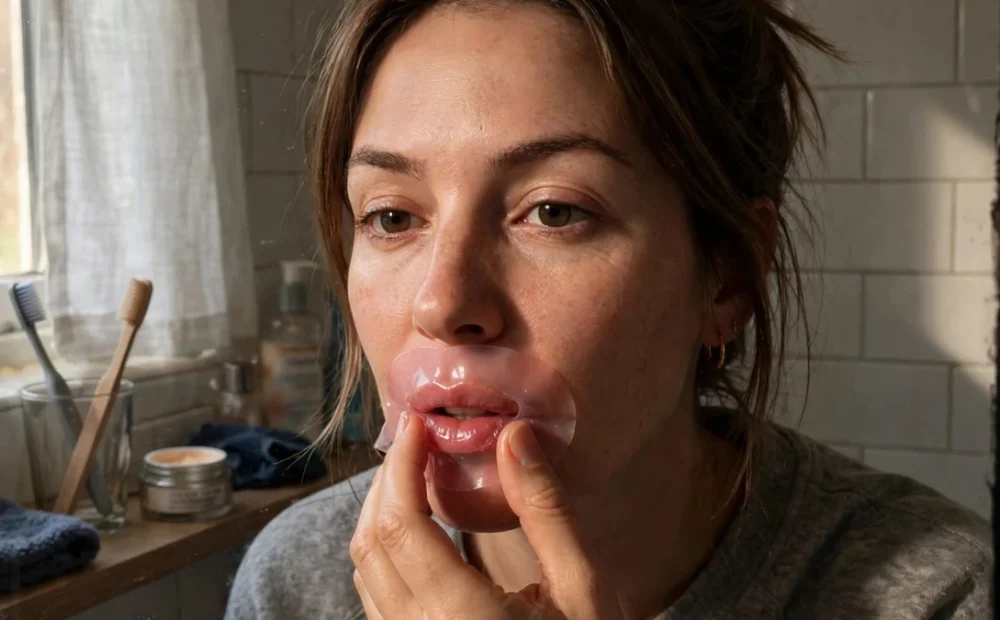
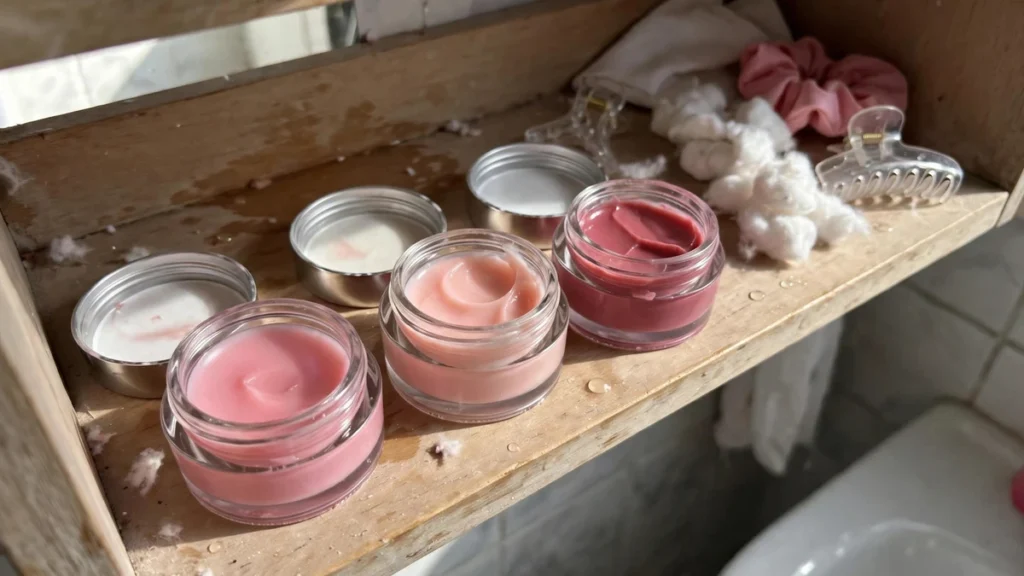
Finally, look at the format. A jar with a small spatula keeps the product clean and lets you control how much you use. A squeeze tube is more hygienic and easier to travel with. A single-use sheet mask is a good option before an event, but it is not a nightly solution. Our guide to the best lip masks of 2027 covers the wider range, while this list narrows in on the formulas that work hardest on dry lips.
The 9 best lip masks for dry lips of 2027
Laneige Lip Sleeping Mask Berry
What we like: A thick, cushiony overnight mask with a berry scent, built around shea butter and a moisture-wrap complex that keeps lips soft until morning.
What to consider: The fragrance may irritate very sore lips, and the jar needs a clean spatula to stay hygienic. Best for: Very dry lips that need overnight repair. Material: Shea butter, murumuru butter, vitamin C. Price range: Mid-range. Standout feature: The thick texture that stays put all night.
This is the mask other overnight masks are measured against. It is not the gentlest, and it is not fragrance-free, but for lips that are dry rather than damaged, it is a reliable nightly choice.
Tatcha The Kissu Lip Mask
What we like: A soft, jelly-like mask with Japanese peach and camellia oil, designed to smooth flakes and leave lips feeling supple rather than coated.
What to consider: Premium price, and the texture is lighter than a heavy overnight mask, so very dry lips may need a second layer. Best for: Dry lips that also feel rough or flaky. Material: Peach extract, camellia oil, squalane. Price range: Premium. Standout feature: The jelly texture that melts into the lips.
A good choice if you want a mask that feels like skincare rather than a heavy balm, and if you are happy to pay more for a lighter, more elegant formula.
Summer Fridays Lip Butter Balm
What we like: A buttery, non-sticky formula with shea and murumuru butters that works as both a daytime balm and a light overnight mask.
What to consider: It is lighter than a true overnight mask, so it may not be enough on its own for severely dry lips. Best for: Dry lips that need comfort through the day and a lighter mask at night. Material: Shea butter, murumuru butter, vegan waxes. Price range: Mid-range. Standout feature: The buttery texture that never feels waxy.
This is the easiest mask on this list to use every day, because it doubles as a balm. Keep a heavier mask for the worst nights and use this one for maintenance.
Kiehl’s Buttermask for Lips
What we like: A rich, buttery mask with coconut oil and mango butter that softens dry lips overnight and is fragrance-free.
What to consider: The texture is very rich, so a little goes a long way, and it can feel heavy if you use too much. Best for: Sensitive, dry lips that react to fragrance. Material: Coconut oil, mango butter, shea butter. Price range: Mid-range. Standout feature: Fragrance-free richness that suits reactive lips.
A sensible pick if your lips sting when you try scented products. The lack of fragrance makes it one of the safest options here for sore lips.
Burt’s Bees Overnight Intensive Lip Treatment
What we like: An affordable overnight treatment with ceramides and natural oils, designed to repair the lip barrier while you sleep.
What to consider: The texture is thinner than some overnight masks, so it may need reapplication on very cold nights. Best for: Dry lips on a budget, used nightly. Material: Ceramides, meadowfoam seed oil, shea butter. Price range: Budget. Standout feature: Ceramides that support the lip barrier.
Proof that a good overnight mask does not need a luxury price. It is a practical, everyday choice for lips that are dry but not damaged.
Paula’s Choice Hyaluronic Acid + Peptide Lip Booster
What we like: A lightweight booster with hyaluronic acid and peptides that plumps and hydrates without a heavy, waxy feel.
What to consider: It is a booster rather than a thick mask, so it works best layered under a richer occlusive at night. Best for: Dry lips that feel thin or deflated as well as tight. Material: Hyaluronic acid, peptides, squalane. Price range: Mid-range. Standout feature: The peptide formula that targets volume as well as dryness.
Think of this as the hydration step rather than the seal. Used under a thicker mask, it gives dry lips water and then locks it in.
Drunk Elephant Lippe Balm
What we like: A rich, fragrance-free balm-mask with avocado oil, mongongo butter and peptides, in a stick format that is easy to apply thickly at night.
What to consider: The stick format makes it hard to see how much you have applied, and it is premium-priced. Best for: Dry, sensitive lips that need a fragrance-free option. Material: Avocado oil, mongongo butter, peptides. Price range: Premium. Standout feature: The mess-free stick that still delivers a thick layer.
A good option if you dislike jars and want a mask you can apply without getting product on your fingers. The fragrance-free formula suits sore lips well.
Ilia Lip Wrap Overnight Treatment
What we like: An overnight treatment with hyaluronic acid and salicornia that hydrates deeply and leaves lips looking smoother by morning.
What to consider: It is a treatment rather than a heavy mask, so extremely dry lips may want a balm layered on top. Best for: Dry lips that also look lined or dull. Material: Hyaluronic acid, salicornia, papaya enzymes. Price range: Premium. Standout feature: The overnight smoothing effect on fine lip lines.
This one suits people who want their lip mask to do more than moisturise, smoothing the surface as well as softening it.
Clinique Moisture Surge Lip Hydro-Plump Treatment
What we like: A cooling gel-cream with hyaluronic acid and aloe that hydrates dry lips without heaviness, and works well under lipstick.
What to consider: The gel texture is light, so it is better as a daytime or pre-event treatment than a heavy overnight mask. Best for: Dry lips that feel tight but not cracked. Material: Hyaluronic acid, aloe bio-ferment, shea butter. Price range: Mid-range. Standout feature: The cooling gel that absorbs quickly.
A useful daytime companion to a heavier overnight mask. Use this one in the morning and a richer mask at night for round-the-clock care.
Which lip mask is right for your dry lips
Very dry, flaking lips do best with the thickest formulas on this list, such as the Laneige or Kiehl’s masks, used three to five nights a week. The heavy texture is what keeps moisture against the skin long enough to make a difference, and the occlusive layer protects the lips from overnight water loss.
Sensitive lips that sting easily should start with a fragrance-free option, such as the Kiehl’s or Drunk Elephant formulas, and avoid masks with fruit acids or strong flavouring until the skin has calmed. If your lips are dry but not sore, a lighter option such as the Summer Fridays balm or the Clinique gel can be enough, especially if you use it consistently.
For lips that are dry and also lined or dull, a treatment with hyaluronic acid and peptides, such as the Paula’s Choice booster or the Ilia overnight treatment, adds smoothing to the hydration. Pairing a lip oil for dry lips with a mask can help too, because the oil adds slip and shine while the mask does the deeper repair work underneath.
The caveats that matter
Lip masks are well tolerated by most people, but they are not a cure for every lip problem. A mask will not heal lips that are constantly licked, picked at, or exposed to wind and sun without protection. It will also not fix a persistent crack at the corner of the mouth, which can be caused by a vitamin deficiency, a yeast infection, or a poorly fitting dental appliance, and needs a clinician rather than a stronger product.
| Detail | What is known |
|---|---|
| Best texture for dry lips | Thick, occlusive, stays put overnight; shea butter, lanolin or petrolatum based |
| When to use it | At night on clean, slightly damp lips; a lighter mask can be used in the day |
| How often | Three to five nights a week for very dry lips; nightly for maintenance |
| Who should start gently | Sore, cracked or reactive lips; choose fragrance-free and skip exfoliating masks |
| What to avoid pairing at first | Strong exfoliants, retinol lip products, or matte long-wear lipstick on raw lips |
| Storage | Keep jars clean with a spatula; replace if the texture, colour or smell changes |
| When to replace it | If it smells off, feels gritty, or starts to irritate lips it used to soothe |
| What it does not do | It does not heal cracked corners, cold sores, or lips damaged by constant licking |
If your lips stay cracked for weeks despite good care, or if one spot keeps splitting open, talk to a clinician before trying a stronger product. Lip exfoliation at home can help with flakes once the skin has calmed, but it should never be used on raw or bleeding lips.
Checklist: choosing a lip mask for dry lips honestly
Use these checks before you buy, and again after a week of use.
- Check the texture: thick enough to stay put overnight, not gone within an hour.
- Check the ingredients: a humectant plus an occlusive, such as hyaluronic acid and shea butter.
- Check the fragrance: fragrance-free is safer if your lips are sore or reactive.
- Patch-test first: apply to one corner of the lips for two nights before full use.
- Start slowly: three nights a week, then nightly if your lips stay calm.
- Protect the result: use a balm with sun protection during the day, because sun undoes overnight repair.
Frequently asked questions
How often should I use a lip mask for dry lips?
Three to five nights a week is enough for most very dry lips. Once your lips feel comfortable, you can use it nightly for maintenance, or drop back to a few nights a week.
Can I use a lip mask every night?
Yes, if your lips tolerate it. A plain, fragrance-free mask is usually fine nightly. If you notice irritation or increased peeling, cut back to every other night and check the ingredient list for fragrance or acids.
Can I wear a lip mask under lipstick?
A light mask can work under lipstick, but a thick overnight mask will make lipstick slide. Use a thin layer of a lighter formula in the day, and save the heavy mask for night.
Why do my lips feel drier after using a lip mask?
The mask may contain fragrance, flavouring, or an exfoliating ingredient that irritates your lips, or you may be licking your lips more because they feel coated. Switch to a fragrance-free mask and avoid licking for a few days.
Is a lip mask better than a lip balm for dry lips?
For very dry lips, yes, because a mask is thicker and stays on longer. A balm is better for daytime top-ups and sun protection. Most people with dry lips benefit from both, used at different times of day.
Do lip masks work on cracked lips?
They can help with mild cracking by keeping the skin moist and protected, but deeply cracked or bleeding lips need a plain occlusive and time to heal. Stop any mask that stings, and see a clinician if cracks do not improve within a couple of weeks.
The bottom line
The best lip mask for dry lips in 2027 is not the most expensive or the most popular. It is the one that is thick enough to stay put overnight, gentle enough not to sting sore lips, and comfortable enough that you will use it three to five nights a week. For very dry lips, a heavy, fragrance-free mask is the smartest start. For dry lips that are not sore, a lighter, buttery formula can be enough.
Choose one mask, use it consistently for two weeks, protect your lips with a balm and sunscreen during the day, and judge it on how your lips feel in the morning, not on how rich it feels on the first night. That is the honest way to get the benefit a lip mask is known for, without the irritation that makes people give up on it.