
If your hair care routine stops at shampoo and conditioner, you may be ignoring the part that matters most: the skin underneath your hair. The scalp is skin, and like the skin on your face it can get dry, oily, congested, irritated or flaky. A scalp mask is a concentrated treatment made for that skin, applied directly to the roots and left on long enough for its active ingredients to work.
Think of it as the scalp equivalent of a face mask. Where a hair mask coats the lengths of your hair to soften and repair strands, a scalp mask targets the foundation those strands grow from, clearing build-up, calming irritation, and restoring moisture and balance to the scalp barrier.
Scalp masks have moved from salon-only treatments to a mainstream at-home step, with options for every scalp type. This guide explains what a scalp mask is, how it works, and how it compares with the scalp oils and serums you may already own.
Key takeaways
- A scalp mask is applied to the scalp skin, not the hair lengths, and left on for 5 to 20 minutes.
- It clears build-up, balances oil, soothes irritation and hydrates the scalp barrier, creating a healthier environment for hair to grow.
- Choose by scalp type: clay and charcoal for oily scalps, hyaluronic acid and ceramides for dry scalps, aloe or chamomile for sensitive ones.
- Most people only need one once a week; overusing purifying formulas can strip the scalp and trigger more oil.
- It does not replace scalp oil, scalp serum or hair serum, which each work differently.
What exactly is a scalp mask?
A scalp mask is a thick, concentrated treatment massaged directly onto the scalp and left in place, usually for five to twenty minutes, before being rinsed out. Unlike a shampoo, which is rinsed away almost immediately, a mask gives its ingredients contact time with the skin, allowing exfoliating acids to loosen flakes, clays to draw out excess oil, and hydrating ingredients to sink into the scalp barrier.
Most formulas fall into two camps. Purifying masks are used before shampooing on a dry or slightly damp scalp to remove residue, unclog follicles and absorb oil. Hydrating and soothing masks are applied after shampooing to a clean, damp scalp, and they focus on moisture, calm and barrier repair.
The scalp has a dense network of oil glands and hair follicles, and it sheds skin cells constantly. When dead cells, sebum and styling products accumulate, the result can be itching, flakes, greasy roots, or hair that looks flat and dull. A scalp mask addresses that build-up at its source rather than masking it with dry shampoo or extra washing.
A mask will not make hair grow faster on its own; there is no solid evidence for that. What it can do is support the conditions hair needs: a clean, calm scalp with a healthy barrier and follicles that are not choked by residue.
How a scalp mask differs from a hair mask
The two products look similar and often sit side by side on the shelf, but they are built for different jobs. A hair mask is applied to the mid-lengths and ends, where it repairs damage, smooths the cuticle and adds shine. It rarely touches the scalp, and many are too heavy for the roots.
A scalp mask works in the opposite direction. It is applied to the skin at the roots and is often not meant to travel down the lengths. Its ingredients are chosen for skin concerns, such as exfoliation, oil control and calming inflammation, rather than for smoothing hair fibres.
The two can share a wash day: scalp mask first, rinse, then a hair mask on the lengths. That treats the foundation and the fibre separately.
The main types of scalp masks
Scalp masks are best understood by what they are formulated to do. The table below covers the seven most common types.
| Type | Best for | Key ingredients | How it is used |
|---|---|---|---|
| Purifying clay mask | Oily, congested scalps | Kaolin, bentonite, charcoal | Before shampoo, 10 minutes |
| Exfoliating mask | Flakes and build-up | Salicylic acid, glycolic acid | Before shampoo, once a week |
| Hydrating mask | Dry, tight scalps | Hyaluronic acid, glycerin, aloe | After shampoo, 10 to 20 minutes |
| Soothing mask | Sensitive, itchy scalps | Chamomile, panthenol, oat | After shampoo, 10 to 15 minutes |
| Oil-balancing mask | Roots that turn greasy fast | Niacinamide, tea tree, zinc | Before shampoo, 10 minutes |
| Barrier-repair mask | Over-washed, irritated scalps | Ceramides, squalane, jojoba | After shampoo, 15 to 20 minutes |
| Overnight mask | Very dry or stressed scalps | Shea butter, oils, peptides | Before bed, rinsed in the morning |
Many people keep two: a purifying formula for oily weeks and a hydrating one for dry weeks. That pairing covers most scalp concerns.
Key ingredients to look for
For dryness, look for hyaluronic acid, glycerin and ceramides, which draw in and hold moisture and help rebuild the skin barrier. Jojoba oil is a good match too, because its structure is close to the scalp’s own sebum, so it moisturises without feeling heavy.
For oil and build-up, kaolin and bentonite clays absorb excess sebum, while charcoal draws out styling residue. Salicylic acid dissolves the bonds between dead skin cells and helps clear clogged follicles, which makes it useful for flaky or congested scalps. Niacinamide supports the barrier and can help regulate oil production over time.
For itching and sensitivity, aloe vera, chamomile, oat extract and panthenol are the classic soothers. They calm redness and reduce the tight, irritated feeling that often follows over-washing. Peppermint and tea tree can feel refreshing, but use them in low concentrations on sensitive scalps, because strong essential oils can irritate.
One trend worth noting in 2027 is the focus on the scalp microbiome, the community of microbes that lives on the skin. Formulas with prebiotics, peptides and antioxidants aim to support that balance rather than sterilise the scalp.
How to use a scalp mask, step by step
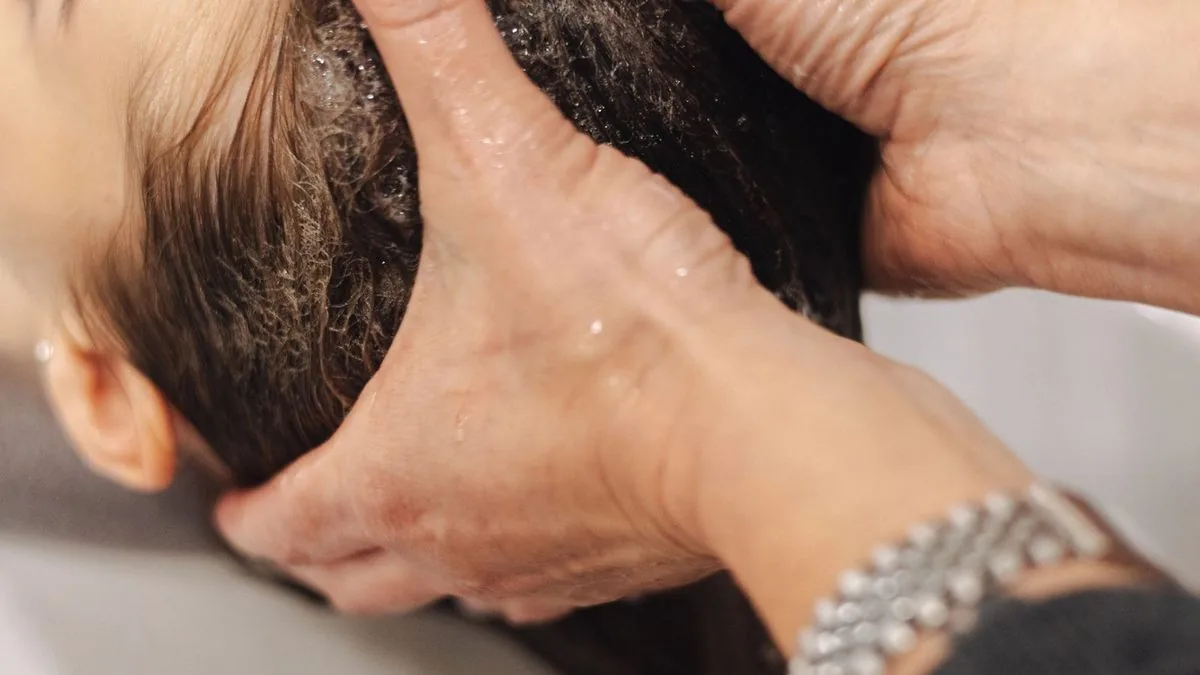
Application matters as much as the formula, because a mask only works where it touches the skin. Start with detangled hair and divide it into four to six sections with clips, so you can reach the scalp instead of coating the hair on top. Apply with your fingertips, a brush or a nozzle applicator, working section by section.
Massage gently with the pads of your fingers in small circles for a minute or two. This spreads the product evenly, but never scratch with your nails, which can irritate the skin. Leave the mask on for the time on the packaging, usually five to twenty minutes. A shower cap can add gentle warmth and help the formula absorb.
Rinse thoroughly with lukewarm water, then shampoo and condition as usual if you applied the mask before washing, or simply rinse and style. Purifying and exfoliating masks are almost always used before shampoo, while hydrating masks are usually used after.

Scalp mask vs scalp oil vs scalp serum vs hair serum
These four products are often confused, but they do different jobs at different stages of a routine. A scalp mask is a weekly rinse-off treatment with a high concentration of active ingredients and a set contact time, the deep treatment of the group.
A scalp oil is a leave-on oil massaged into the scalp, usually before washing or overnight. Oils soften and protect the skin and loosen dry flakes, but they do not exfoliate or deep-clean the way a clay or acid mask does. Think of oil as nourishment and a mask as a reset.
A scalp serum is a lightweight, daily leave-on treatment applied to a clean scalp after washing. Serums deliver targeted actives such as peptides, niacinamide or caffeine in small, regular doses. Where a mask is a weekly deep treatment, a serum is a daily maintenance step.
A hair serum is different again: it is applied to the hair strands, not the scalp, to smooth frizz, add shine and protect against heat and humidity. It does nothing for the scalp, and applying it to your roots will usually leave them looking greasy. The simplest way to remember the set is this: mask and serum treat the skin, oil nourishes it, and hair serum treats the strands.
How often should you use one?
Once a week is the sweet spot for most people, enough to keep build-up under control and the barrier supported without stripping the scalp. Oily scalps can manage twice a week with a gentle purifying formula, while dry or sensitive scalps often do better every ten to fourteen days.
More is not better. Overusing a purifying or exfoliating mask can dry the scalp out, and a stripped scalp often responds by producing more oil. If your scalp feels tight, itchy or flaky after increasing the frequency, cut back to once every two weeks and switch to a hydrating formula until it settles.
Timing can follow your wash schedule. Many people use a scalp mask on the same day they do a deeper wash, so it becomes a habit rather than an extra chore. Consistency matters more than intensity: a gentle mask used every week will do more than an aggressive one used once in a while.
Common mistakes to avoid
A few habits reduce its effect or cause new problems. Run through this checklist before your next application.
- Applying it to the hair lengths instead of the scalp skin, where the active ingredients need to make contact.
- Leaving a purifying or exfoliating mask on far longer than directed, which can irritate and dry out the scalp.
- Scratching with nails during massage instead of using the soft pads of your fingers in gentle circles.
- Using a scalp mask every day, which strips the barrier and can trigger rebound oiliness.
- Skipping the rinse and leaving residue behind, which clogs follicles and weighs the roots down.
- Choosing a formula for your hair type rather than your scalp type.
Frequently asked questions
Can a scalp mask help with dandruff?
It can help with mild flaking caused by dryness or build-up, especially formulas with salicylic acid, zinc or soothing ingredients. True dandruff, often driven by the yeast Malassezia, usually needs a medicated shampoo as well, and a mask should be a supporting step rather than the only treatment.
Should I use a scalp mask before or after shampooing?
It depends on the formula. Purifying, clay and exfoliating masks are used before shampooing, on a dry or slightly damp scalp, so the shampoo can wash away what the mask has lifted. Hydrating and soothing masks are used after shampooing on a clean, damp scalp, so their moisture and calming ingredients stay on the skin.
Can I make a scalp mask at home?
Yes. Aloe vera gel soothes, honey draws in moisture, and a little diluted apple cider vinegar can help with residue. Home mixtures are gentler and less targeted than formulated products, though, and they carry risks if used undiluted, especially essential oils and acidic ingredients. Patch test any DIY mask first.
Is a scalp mask safe for colour-treated hair?
Most hydrating and soothing masks are safe for colour-treated hair, and some are specifically made to be colour-safe. Exfoliating and clarifying masks deserve more caution, because strong acids and clays can strip colour faster, especially from freshly coloured or lightened hair.
Do scalp masks work for hair loss?
A scalp mask will not regrow hair or treat medical hair loss on its own. It can support a healthier scalp environment, which matters because inflammation, heavy build-up and a damaged barrier can all affect how well follicles function. For noticeable shedding or thinning, the cause needs proper assessment.
Can I use a scalp mask and a hair mask on the same day?
Yes, and it is an effective way to use both. Apply the scalp mask to the roots first, rinse, then apply the hair mask to the mid-lengths and ends.
The bottom line
A scalp mask is a simple idea with a clear purpose: treat the skin your hair grows from, not just the hair itself. Used once a week and matched to your scalp type, it clears build-up, balances oil, calms irritation and keeps the scalp barrier healthy. It will not replace shampoo, conditioner, scalp oil or serum, but it fills a gap none of them covers on their own.
Note: This article is for general information only and is not medical advice. If you have a persistent scalp condition, severe flaking, redness, pain or hair loss, speak to a dermatologist before starting a new treatment.