Scalp oils are having a moment, and for once the trend has substance behind it. A healthy scalp is where healthy hair starts. When the scalp is dry, tight, flaky or irritated, hair looks dull, breaks more easily, and grows more slowly. A good scalp oil does not fix everything, but it can soften flakes, calm itchiness, protect the skin barrier, and give hair a smoother, shinier base to grow from.
The problem is that scalp oils are often sold as miracle growth treatments, and they are not. No oil makes hair grow faster than its natural rate, and no oil regrows hair lost to medical causes. What a scalp oil can do, reliably, is improve the condition of the scalp itself. That matters more than it sounds, because a scalp that is constantly dry or irritated is a poor environment for hair, whatever its length or type.
Below are nine scalp oils worth considering in 2027, from lightweight pre-wash treatments to rich overnight formulas. Each one is described by what it is good at, what to watch for, and who it suits best, so you can choose with your scalp and your hair type in mind, not just a bestseller list.
Key takeaways
- Scalp oils improve the condition of the scalp, softening flakes, calming dryness, and supporting the skin barrier, which gives hair a better base to grow from.
- Lightweight oils suit fine and oily hair, while richer oils suit dry, curly and coily hair that needs more moisture.
- Use a scalp oil as a pre-wash treatment or an overnight treatment, not as a leave-in, unless the formula is designed for it.
- Massage the oil in gently with your fingertips, leave it for 20 to 30 minutes or overnight, then wash it out thoroughly.
- No scalp oil makes hair grow faster than its natural rate or regrows hair lost to medical causes, and an oil that causes itching, redness or breakouts should be stopped.
What a scalp oil actually does for your scalp
The scalp is skin, and it behaves like skin. It produces oil, sheds dead cells, and reacts to weather, stress, and harsh products. When it is out of balance, the signs are familiar: dryness, flaking, tightness, itchiness, and sometimes redness along the hairline. A scalp oil works by adding moisture back, softening the dead skin that causes flakes, and forming a light barrier that stops water escaping from the surface. A scalp that is looked after tends to produce hair that looks fuller and healthier, because each strand grows from skin that is calm and well moisturised.
Some oils also carry ingredients that calm irritation. Rosemary oil has been studied for hair health, tea tree oil has antimicrobial properties that help with a flaky scalp, and peppermint oil gives a cooling feeling that many people find soothing. These effects are real but modest. They support a healthy scalp, they do not treat dandruff caused by a fungal overgrowth, and they do not replace a medicated shampoo when one is needed.
What a scalp oil does not do is work instantly. Most people notice softer, calmer skin after two to four weeks of regular use, and hair that looks shinier because the scalp is no longer shedding flakes onto it. That timeline matters, because it is easy to give up on a good oil in week one, or to keep using an oil that is irritating your scalp in the hope that the tingle means it is working. A gentle tingle can be normal with peppermint or rosemary. Burning, persistent redness or new breakouts are signs to stop.
How we chose these scalp oils and what to look for
Look first at the base oil and the weight. Jojoba oil is close to the skin’s own sebum, so it absorbs well and suits most scalps. Squalane is very light and rarely irritates. Coconut oil is rich and good for dry, coarse hair, but it can be too heavy for fine hair and can clog pores on an acne-prone scalp. Castor oil is thick and best used in small amounts, mixed with a lighter oil, rather than on its own.
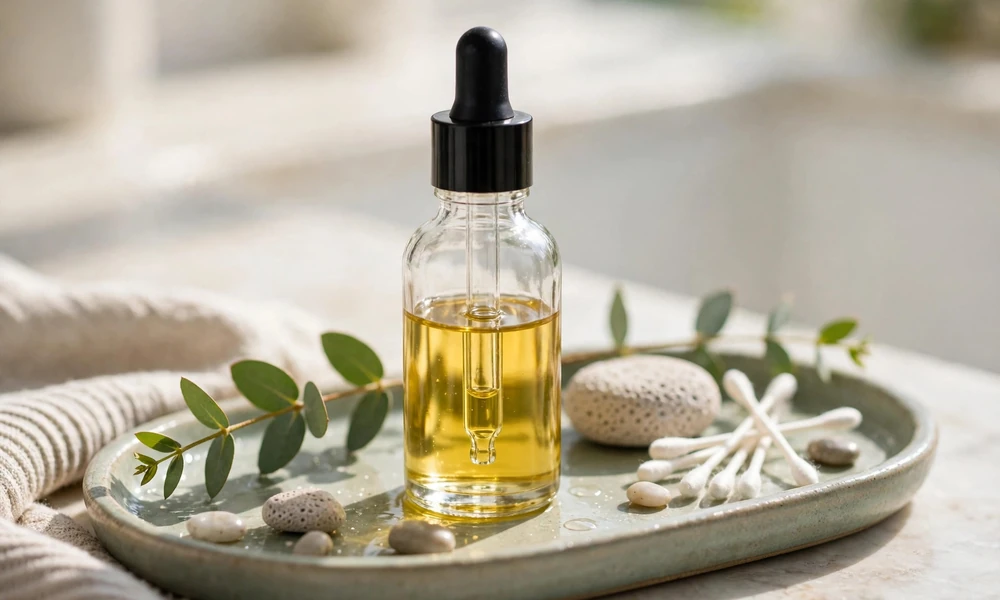
Look next at the active ingredients. Rosemary oil is the best-studied botanical for hair health, and it appears in several of the oils below. Tea tree oil helps with a flaky, itchy scalp. Peppermint oil adds a cooling sensation. Avoid formulas with heavy fragrance if your scalp is sensitive, and check the ingredient list for anything you know you react to. A short, readable list is usually a good sign.
Finally, look at the applicator and the texture. A dropper or a narrow nozzle makes it much easier to reach the scalp without coating the lengths of your hair. A lightweight oil you will actually use twice a week is worth more than a rich one you avoid because it is hard to wash out. Our guide to the best hair oils of 2027 covers oils for the lengths of the hair, if you want to compare what works on the scalp against what works on the strands.
The 9 best scalp oils of 2027
Mielle Organics Rosemary Mint Scalp & Hair Strengthening Oil
What we like: A lightweight blend of rosemary and mint oils with biotin, designed to be massaged into the scalp before washing, with a fresh scent and an easy dropper applicator.
What to consider: The mint can tingle strongly on a sensitive scalp, and it needs thorough washing out. Key ingredients: Rosemary oil, mint oil, biotin. Hair type: All, especially fine to medium. Size: 59 ml. Cruelty-free: Yes.
A popular, affordable starting point for anyone new to scalp oiling. Use it as a pre-wash treatment twice a week and wash it out well.
Kérastase Elixir Ultime L’Huile Original Hair Oil
What we like: A light, versatile oil with camellia and argan oils that works on the scalp and the lengths, leaving hair smooth and shiny without a heavy residue.
What to consider: Premium price, and it is lighter than a dedicated scalp treatment, so very dry scalps may want something richer. Key ingredients: Camellia oil, argan oil, marula oil. Hair type: Normal, dry, colour-treated. Size: 100 ml. Cruelty-free: No.
A good all-rounder if you want one oil for both scalp and hair, and if your scalp is only mildly dry rather than flaky or irritated.
Briogeo Scalp Revival Charcoal + Tea Tree Scalp Treatment
What we like: A treatment oil with charcoal, tea tree and peppermint, designed to calm an itchy, flaky scalp and absorb excess oil without drying the skin out.
What to consider: The charcoal can stain light hair if left on too long, and the peppermint tingle is strong. Key ingredients: Tea tree oil, peppermint oil, charcoal. Hair type: Oily, flaky, itchy scalps. Size: 30 ml. Cruelty-free: Yes.
Best for scalps that are oily and flaky rather than simply dry. Use it once a week as a pre-wash treatment and rinse it out thoroughly.
The Ordinary Multi-Peptide Serum for Hair Density
What we like: A water-based, leave-in scalp serum with peptides and caffeine, very light, no greasy residue, and easy to use daily without washing.
What to consider: It is a serum, not an oil, so it does not soften flakes the way an oil does, and results take months of daily use. Key ingredients: Peptides, caffeine, redensyl. Hair type: Thinning, fine, all. Size: 60 ml. Cruelty-free: Yes.
A good choice if you dislike the feel of oil, or if you want a daily scalp step that does not need washing out.
Moroccanoil Treatment Original
What we like: A classic argan oil treatment that smooths the scalp and the hair, absorbs quickly, and leaves a soft shine without weighing hair down.
What to consider: It is a finishing oil as much as a scalp oil, so use a small amount on the scalp and more on the lengths. Key ingredients: Argan oil, linseed extract. Hair type: Dry, frizzy, colour-treated. Size: 100 ml. Cruelty-free: No.
A reliable, well-known option for dry hair and a dry scalp, especially if you want one bottle that does both jobs.
Vegamour GRO Hair Serum
What we like: A lightweight, vegan scalp serum with mung bean, red clover and curcumin, designed for daily use on thinning hair and a stressed scalp.
What to consider: Premium price, and it needs consistent daily use for several months before you can judge it. Key ingredients: Mung bean, red clover, curcumin. Hair type: Thinning, fine, all. Size: 30 ml. Cruelty-free: Yes.
Best for people focused on thinning hair who want a light, daily scalp step rather than a heavy weekly oil treatment.
Ouai Scalp & Body Scrub
What we like: A sugar-based scrub with coconut oil that exfoliates the scalp gently, removing build-up and flakes while leaving the skin soft and moisturised.
What to consider: It is a scrub, not a pure oil, so it needs rinsing out well, and it is best used once a week, not daily. Key ingredients: Sugar, coconut oil, probiotics. Hair type: All, especially with product build-up. Size: 250 g. Cruelty-free: Yes.
Useful if your scalp feels coated or flaky from styling products. It clears build-up so that a scalp oil can work better afterwards.
Cécred Nourishing Hair Oil
What we like: A rich blend of 13 oils including squalane and baobab, designed for dry, curly and coily hair, with a smooth texture that seals in moisture.
What to consider: Rich, so fine hair should use a very small amount, and it is best on the scalp in moderation. Key ingredients: Squalane, baobab oil, moringa oil. Hair type: Dry, curly, coily. Size: 100 ml. Cruelty-free: No.
A good choice for dry, textured hair that needs real moisture, and for scalps that feel tight and dry rather than oily.
Paul Mitchell Tea Tree Hair and Scalp Treatment
What we like: A light, cooling treatment with tea tree, peppermint and lavender, designed to refresh an itchy scalp and leave hair feeling clean and light.
What to consider: The cooling sensation is strong, and it is best as a weekly treatment rather than a daily one. Key ingredients: Tea tree oil, peppermint oil, lavender oil. Hair type: Oily, itchy, normal. Size: 200 ml. Cruelty-free: No.
A refreshing weekly option for scalps that feel itchy or oily, especially in warm weather or after heavy styling.
Which scalp oil is right for your hair type
Fine hair needs a light oil, used sparingly, and washed out well. Jojoba, squalane and rosemary-based oils are good choices, because they absorb without weighing hair down. Apply a few drops to the scalp only, not the lengths, and leave it for 20 to 30 minutes before washing. Oily scalps should avoid heavy oils such as coconut and castor, and look for tea tree or peppermint formulas that calm rather than coat.
Dry, curly and coily hair can handle richer oils, and often needs them. Argan, baobab and squalane blends seal in moisture and soften a tight scalp. Use the oil as an overnight treatment once a week, then wash it out with a gentle shampoo. If you are not sure how to wash it out properly, our guide to washing your hair properly explains the double-wash method that removes oil without stripping the scalp.
Colour-treated hair needs a gentle touch. Avoid oils with strong exfoliants or heavy fragrance, and patch-test any new product along the hairline first. A light, fragrance-free oil is the safest starting point, and it will not strip colour the way a harsh shampoo can.
The caveats that matter
Scalp oils are helpful, but they are not a treatment for medical scalp conditions. Dandruff caused by a fungal overgrowth, psoriasis, eczema, and hair loss from hormonal or medical causes all need proper diagnosis and, often, a medicated product. An oil can soothe the surface, but it cannot treat the underlying cause, and using oil on an inflamed or broken scalp can make things worse.
| Detail | What is known |
|---|---|
| Best use | Pre-wash or overnight treatment, 20 to 30 minutes or overnight, then wash out |
| How often | Once or twice a week for most scalps; daily only for light, leave-in serums |
| How long to see results | Softer, calmer skin in 2 to 4 weeks; shinier hair follows |
| Who should start gently | Sensitive, acne-prone, or easily irritated scalps; patch-test first |
| What to avoid | Heavy oils on fine or acne-prone scalps; leaving oil on for days |
| Application | A few drops, fingertips only, gentle massage, no scratching with nails |
| When to stop | If you get itching, redness, breakouts, or increased flaking |
| What it does not do | It does not speed up hair growth, regrow lost hair, or treat dandruff or psoriasis |
If your scalp is red, broken, very painful, or shedding in patches, see a dermatologist before trying new oils. That is not a formality. A scalp condition that needs treatment will not improve with oil alone, and the wrong product can delay the care that would actually help.
Checklist: choosing a scalp oil honestly
Use these checks before you buy, and again after two weeks of use.
- Check the weight: light oils for fine and oily hair, richer oils for dry, curly and coily hair.
- Check the applicator: a dropper or narrow nozzle reaches the scalp without coating the lengths.
- Check the ingredients: rosemary for hair health, tea tree for flakes, peppermint for a cooling feel.
- Patch-test first: apply a little along the hairline for two to three days before full use.
- Start slowly: once a week for two weeks, then twice a week if your scalp stays calm.
- Wash it out properly: use a gentle shampoo, and wash twice if the oil feels heavy.
Frequently asked questions
How often should I use a scalp oil?
Once or twice a week is enough for most people. Light, leave-in serums can be used daily, but a rich oil left on the scalp every day can clog pores and cause breakouts.
Can scalp oil make hair grow faster?
No. Hair grows at its natural rate, and no oil changes that. A healthy scalp supports the hair you have, and regular oiling can reduce breakage, which makes hair look longer over time.
Should I leave scalp oil on overnight?
Yes, if your scalp tolerates it. An overnight treatment gives the oil time to soften flakes and moisturise the skin. Protect your pillow with a towel, and wash the oil out thoroughly in the morning.
Can scalp oil cause hair loss?
It should not, if used correctly. But leaving heavy oil on the scalp for days, or using an oil you are allergic to, can cause irritation and shedding. Stop if you notice increased hair fall.
Is rosemary oil safe for everyone?
Mostly yes, but it can irritate a very sensitive scalp, and it should be avoided during pregnancy unless your clinician says otherwise. Patch-test first, and dilute it if you use it undiluted.
Do I need a scalp oil if I already use a hair mask?
They do different jobs. A hair mask conditions the lengths of the hair, while a scalp oil treats the skin underneath. A hydrating hair mask and a scalp oil work well together, as long as you keep the mask off the scalp and the oil off the lengths.
The bottom line
The best scalp oil in 2027 is not the most expensive or the most talked about. It is the one that suits your scalp and your hair type, that you will use once or twice a week, and that leaves your scalp feeling calm rather than coated. For fine or oily hair, a light rosemary or tea tree oil is a strong choice. For dry, curly or coily hair, a richer argan or squalane blend is the smarter start.
Choose one oil, use it consistently for a month, wash it out properly, and judge it on how your scalp feels and how your hair looks, not on how strong it tingles on day one. That is the honest way to get the benefit scalp oils are known for, without the build-up that makes people give up on them.