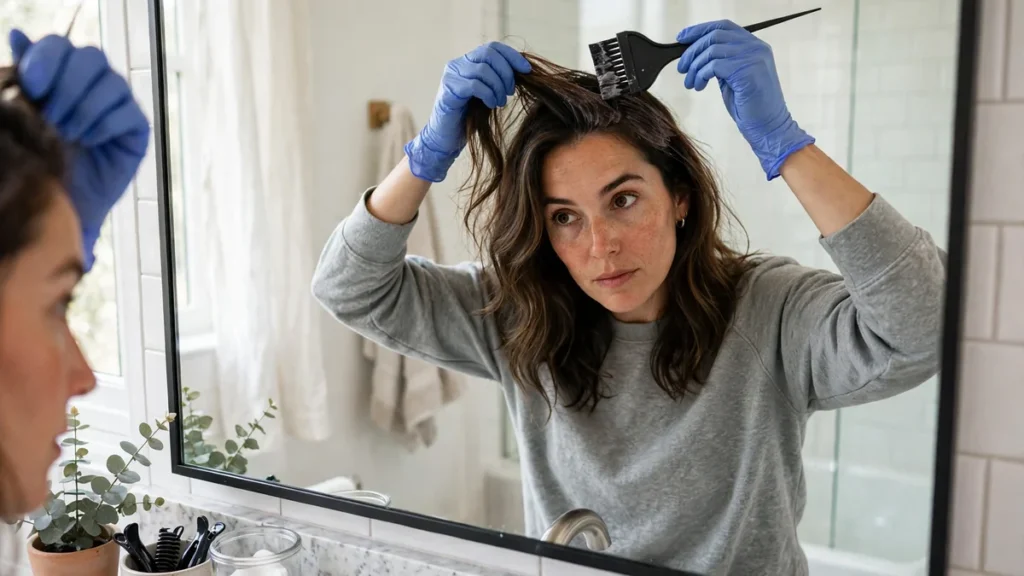
Colouring your hair at home used to mean a gamble: a box, a pair of gloves and a hopeful wait in front of the bathroom mirror. In 2027 the gamble is much smaller. Modern kits are kinder to hair, easier to apply, and far better at delivering the shade on the box, with conditioning treatments designed for grey coverage, shine and gentleness. A good home colour can look genuinely salon-like, at a fraction of the price and on your own schedule.
That does not mean every box is equal. Some formulas are rich and long-lasting but demanding to apply, while others are gentle and glossy but fade quickly. The right choice depends on your hair type, how much grey you have, how far you want to move from your natural shade, and how much upkeep you are willing to do.
Below are nine hair colours for home use worth considering in 2027, from a classic permanent crème for full grey coverage to a gentle gloss for shine and tone. Each is described by what it does well, what to watch for, and who it suits.
Key takeaways
- Permanent colour gives the longest-lasting results and the best grey coverage, while semi-permanent colour and glosses are gentler and better for shine and tone.
- Choose a shade within two levels of your natural colour, and check the shade chart, not just the model on the front.
- Always do a patch test 48 hours before colouring, even with a familiar brand, because allergies to hair colour can develop at any time.
- Conditioning ingredients, a good applicator and clear instructions matter as much as the shade itself, especially for first-time colourists.
- No at-home colour can lift dark hair to pale blonde in one step without damage, and a colour that stings, burns or causes swelling should be rinsed out immediately.
What this guide covers
This guide covers permanent, demi-permanent and semi-permanent colour for home use, across the shades most people buy: natural browns, blacks, warm coppers and reds, and blondes from dark honey to light ash. It includes kits for full grey coverage, for first-time colourists, and gentler options for hair that has already been coloured or heat-styled many times.
A home kit can deepen your shade, cover grey, add warmth or coolness, refresh faded colour and add shine. It cannot safely take dark brown hair to platinum blonde in one application, or repair badly damaged hair. Knowing that limit before you open the box is what separates a good result from a disappointing one.
Finally, it covers the practical side: how to prepare your hair, apply colour evenly, time the development, and look after coloured hair afterwards. The colour itself is only half the result; preparation and aftercare are the other half.
How we chose these hair colours and what to look for
Look first at the type of colour. Permanent colour deposits pigment inside the hair shaft, so it lasts longest and covers grey best. Demi-permanent colour lasts around 20 to 28 washes and is gentler, good for refreshing. Semi-permanent colour and glosses coat the outside of the hair, last a few weeks, and are the gentlest option, ideal for shine and tone.
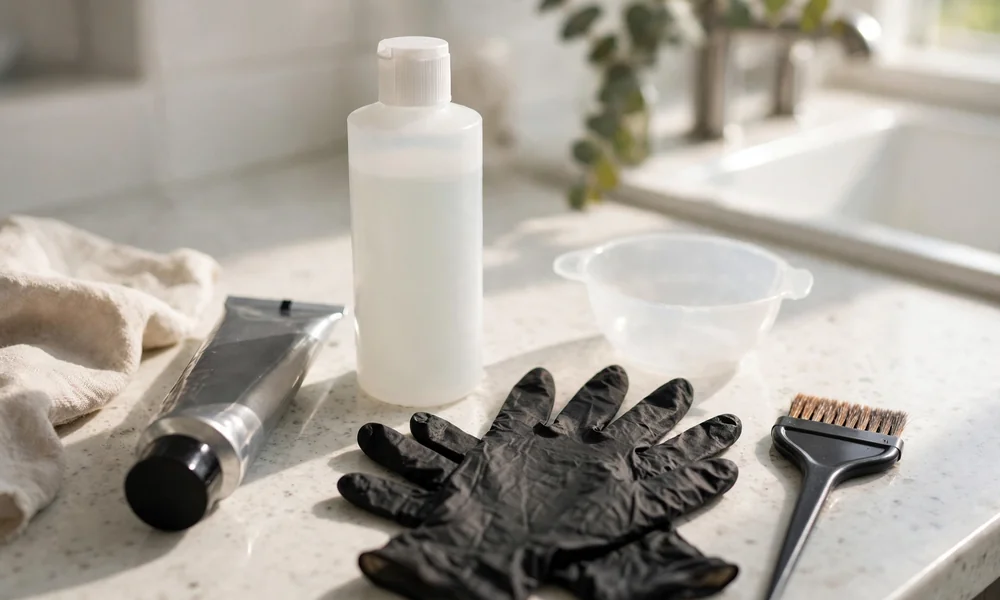
Look next at the shade, and be honest about your starting point. The shade chart on the side of the box shows what each shade looks like on light, medium and dark hair, and it is far more useful than the photograph on the front. Stay within two shades of your natural colour, and go warmer rather than cooler if you are unsure, since cool ash shades can look flat or greenish on warm-toned hair. Our guide to the best face oils is a useful reminder of the same principle: work with what you have, rather than fighting it, and the result looks far more natural.
Look at the formula and the applicator too. A crème formula with a built-in conditioner is kinder to dry or damaged hair than a liquid dye, and a comb applicator or precision nozzle makes root application far easier. Check whether the kit includes gloves, a conditioner and clear timing instructions. Very dry, coarse or porous hair absorbs colour more quickly and unevenly, so a conditioning formula and a strand test are especially important.
Finally, never skip the safety steps. Always do an allergy alert test, also called a patch test, 48 hours before every colour application, even with a familiar product. Apply a small amount of the mixed colour behind your ear or on the inside of your elbow, and do not colour your hair if you notice redness, itching, swelling or irritation. If you have a rash on your scalp, cuts, a sensitive scalp, or a previous reaction to hair colour, do not colour at home and speak to a professional or a clinician first.
The 9 best hair colours for home use in 2027
L’Oréal Paris Excellence Crème
What we like: A classic permanent crème with triple care, including a pre-colour serum, a colour crème and a conditioning balm, giving excellent grey coverage, a natural finish and good shine.
What to consider: The shade range is wide, so check the shade chart carefully, and the rich formula needs thorough rinsing. Colour type: Permanent. Grey coverage: Up to 100%. Best for: Grey coverage, natural browns and blacks.
The dependable all-rounder: not the gentlest kit, but one of the safest choices for reliable grey coverage and a polished, even result.
Garnier Olia
What we like: An ammonia-free, oil-based permanent colour that feels kinder on the scalp and leaves hair soft, glossy and naturally luminous.
What to consider: Very resistant grey may need a second application or a stronger formula. Colour type: Permanent, ammonia-free. Grey coverage: Up to 100%. Best for: Sensitive scalps, soft shine.
A good choice for permanent colour without the strong smell of a traditional dye, with a texture that spreads easily and a genuinely noticeable shine.
Clairol Nice’n Easy
What we like: A long-standing favourite blending three tones in every shade for a natural, multi-dimensional result, with a simple applicator and reliable grey blending.
What to consider: True to the box, but it can look slightly warm on cool-toned hair, so choose an ash shade to avoid warmth. Colour type: Permanent. Grey coverage: Up to 100%. Best for: Natural colour, first-time colourists.
The kit to reach for when you want your colour to look like your colour, only better, without the flat, single-colour look that gives home dye away.
Schwarzkopf Keratin Color
What we like: A permanent colour with a keratin-infused formula and pre-colour serum that leaves hair smoother and stronger, with rich, even colour and good grey coverage.
What to consider: Cool blonde shades are limited, and the conditioning treatment should not be skipped. Colour type: Permanent. Grey coverage: Up to 100%. Best for: Dry or damaged hair.
A strong pick for hair that has been coloured or heat-styled often; the keratin care step makes a real difference to how hair feels afterwards.
L’Oréal Paris Casting Crème Gloss
What we like: An ammonia-free demi-permanent colour that adds shine, depth and tone with no harsh smell, fading gradually without a harsh root line.
What to consider: Lasts around 28 washes and will not lighten hair; it is for tone and refresh, not a dramatic change. Colour type: Demi-permanent, ammonia-free. Grey coverage: Blends up to 70% of grey. Best for: Shine, tone and blending early grey.
The low-commitment option, excellent at what it does: glossier, richer hair without a permanent change, and one of the easiest kits to use well.
Garnier Nutrisse
What we like: A nourishing permanent colour with fruit oils and a rich conditioner, giving deep, long-lasting colour and leaving hair soft and cared for.
What to consider: Very rich, so it can feel heavy on fine hair, and the shade can develop darker than expected on porous ends. Colour type: Permanent. Grey coverage: Up to 100%. Best for: Deep colour, thick or coarse hair.
A good choice for thick, coarse or very dry hair that drinks up colour; watch the timing on the ends, which colour faster than the roots.
Clairol Natural Instincts
What we like: A gentle demi-permanent colour with no ammonia, made with aloe and other caring ingredients, enhancing natural colour, adding shine and fading out gradually.
What to consider: Grey coverage is partial, and the colour lasts around 28 washes, so it needs reapplying more often. Colour type: Demi-permanent, ammonia-free. Grey coverage: Blends grey. Best for: A first colour, sensitive scalps.
The gentlest way to try colour at home: it will not transform your hair, but it will make it look healthier and glossier, with a forgiving grow-out.
Revlon ColorSilk
What we like: An affordable permanent colour with a silk-protein conditioner, delivering even, natural-looking colour and solid grey coverage at a very fair price.
What to consider: The applicator is basic, so careful sectioning matters more, and the shade range is smaller than some rivals. Colour type: Permanent. Grey coverage: Up to 100%. Best for: Budget colour, regular root touch-ups.
A sensible, no-fuss choice for regular colouring on a budget, and for root touch-ups every few weeks the price makes a real difference.
John Frieda Precision Foam Colour
What we like: A foam formula that spreads easily and evenly, with a precision applicator that makes root application simpler and less messy than a liquid dye.
What to consider: Foam runs out quickly on long or thick hair, so buy two boxes if your hair is past your shoulders. Colour type: Permanent. Grey coverage: Up to 100%. Best for: Even application, root coverage.
The easiest kit to apply evenly, which matters: uneven application is the most common reason home colour looks patchy, and the foam helps prevent it.
Which hair colour is right for your hair
Grey hair needs a permanent colour with full coverage, in a shade close to your natural colour. Very resistant grey, especially around the temples, benefits from applying colour to the greyest areas first. A demi-permanent colour will blend early grey but not cover it, so be honest about how much grey you have.
Dry, damaged or previously coloured hair needs a conditioning formula and a gentler approach. Choose an ammonia-free or demi-permanent option, avoid lifting your hair lighter, and use a deep conditioner before and after colouring. Porous hair grabs colour quickly and unevenly, so a strand test is worth the extra time. Our guide to the best moisturisers for dry skin covers the same barrier-care thinking for skin, and the principle is identical for hair: nourish and protect first, and the colour will sit better and last longer.
Blonde hair is the hardest to get right at home. Going lighter requires bleach or a high-lift colour, best left to a professional if you are moving more than two shades. If you are already blonde and want to refresh tone, remove brassiness or add shine, a demi-permanent gloss or purple-toning treatment is far safer than a lightening kit. Warm, golden blondes are more forgiving than cool ash blondes, which can turn flat or grey if the base colour is not right.
The caveats that matter
Hair colour is a chemical treatment, and it deserves respect. Allergic reactions to hair dye, particularly to a chemical called PPD, are uncommon but can be serious, and they can develop suddenly even after years without a problem. That is why the 48-hour patch test is not a formality. If you have ever reacted to a hair dye or a black henna tattoo, do not colour your hair at home and speak to a clinician first. If you notice burning, itching, swelling or a rash during colouring, rinse the colour out immediately with lukewarm water and seek medical advice.
| Detail | What is known |
|---|---|
| Patch test | Do an allergy alert test 48 hours before every colour application, even with a familiar brand |
| Best shade choice | Stay within two shades of your natural colour for the most natural result |
| Permanent versus demi-permanent | Permanent lasts longest and covers grey best; demi-permanent is gentler and fades gradually |
| Going lighter | Home colour cannot safely take dark hair to pale blonde in one step; see a professional |
| When to stop | Rinse out immediately if you feel burning, itching or swelling, and seek medical advice |
| Strand test | Test colour on a small, hidden section first to check the shade and the timing on your hair |
| Aftercare | Use a colour-safe shampoo and conditioner, wash in cooler water, and limit heat styling |
| When to see a professional | Major colour changes, corrective colour, scalp conditions, or any previous reaction to dye |
If your scalp is irritated, cut, sunburnt or affected by a skin condition, wait until it has healed before colouring. Colour on broken or inflamed skin is more likely to cause a reaction, and the result will be uneven. Use a barrier cream around the hairline, wear the gloves in the box, and keep colour away from your eyes.
Checklist: colouring your hair at home honestly
Use these checks before you open the box.
- Patch-test first: do an allergy alert test 48 hours before every colour, even with a familiar brand.
- Strand-test the shade: colour a small, hidden section first to check the result and timing on your hair.
- Check the shade chart: choose from the chart on the box, and stay within two shades of your natural colour.
- Prepare your hair: colour clean, dry, unwashed-for-a-day hair, detangled and sectioned before you start.
- Time it properly: follow the development time, and do not leave colour on longer hoping for a better result.
- Look after the colour: colour-safe shampoo and conditioner, cooler water, and protection from sun and heat.
Frequently asked questions
How do I do a patch test before colouring my hair?
Mix a small amount as directed, apply a coin-sized amount behind your ear or on the inside of your elbow, and leave it for 48 hours without washing the area. If you notice redness, itching, swelling or irritation, do not colour your hair and seek advice. Do this before every colour application, not just the first one.
Can I go from dark brown to blonde at home?
Not safely in one step. Lightening dark hair to pale blonde needs bleach and careful toning, and doing it at home risks patchy colour, breakage and scalp irritation. For a major change, book a professional, and use a gloss or demi-permanent colour at home only to refresh tone between visits.
How long does at-home hair colour last?
Permanent colour lasts until the hair grows out, although the shade fades gradually with washing, sun and heat. Demi-permanent colour lasts around 20 to 28 washes, and semi-permanent colour and glosses last a few weeks. Colour-safe shampoo, cooler water and less heat styling will help any colour last longer.
Will hair colour damage my hair?
Any permanent colour changes the hair structure, so some dryness is possible, especially with repeated colouring or lightening. A conditioning formula, avoiding overlapping colour on already-coloured lengths, and a regular deep conditioner will limit the damage. If your hair feels brittle or breaks easily, take a break from colour and focus on repair.
How do I cover grey hair at home?
Choose a permanent colour labelled for full grey coverage, in a shade close to your natural colour, and apply it to the greyest areas first. Resistant grey around the temples may need a second application, and a root touch-up kit between full colours will keep regrowth tidy.
What should I use after colouring my hair?
A colour-safe shampoo and conditioner, a weekly deep conditioning treatment, and a heat protectant. Keep it simple: a good conditioner and a lightweight oil will do more for coloured hair than a shelf of extra products. Our guide to the best squalane products covers a light, versatile oil that works well on hair ends as well as skin, and it is a good example of keeping aftercare simple.
The bottom line
The best hair colour for home use in 2027 is not the most expensive kit or the most dramatic shade. It is the one that suits your hair type, covers the grey you have, and that you can apply evenly and safely. For full grey coverage and a lasting change, a permanent crème is the right choice; for shine, tone and a gentle refresh, a demi-permanent gloss will do the job with less commitment and less risk.
Choose a shade within two shades of your natural colour, patch-test 48 hours before every colour, strand-test the shade, and look after it with gentle, colour-safe care. That is the honest way to get salon-looking colour at home, without spending more than you need to or taking risks with your hair and scalp.
Note: This guide is general beauty information, not medical advice. Always patch-test 48 hours before colouring, and do not colour your hair if you have a scalp condition, broken or irritated skin, or a previous reaction to hair dye. If you notice burning, itching, swelling or a rash, rinse the colour out immediately and seek advice.