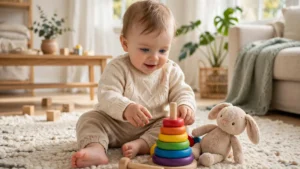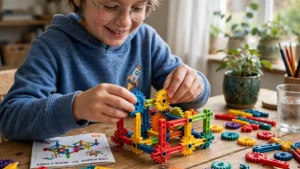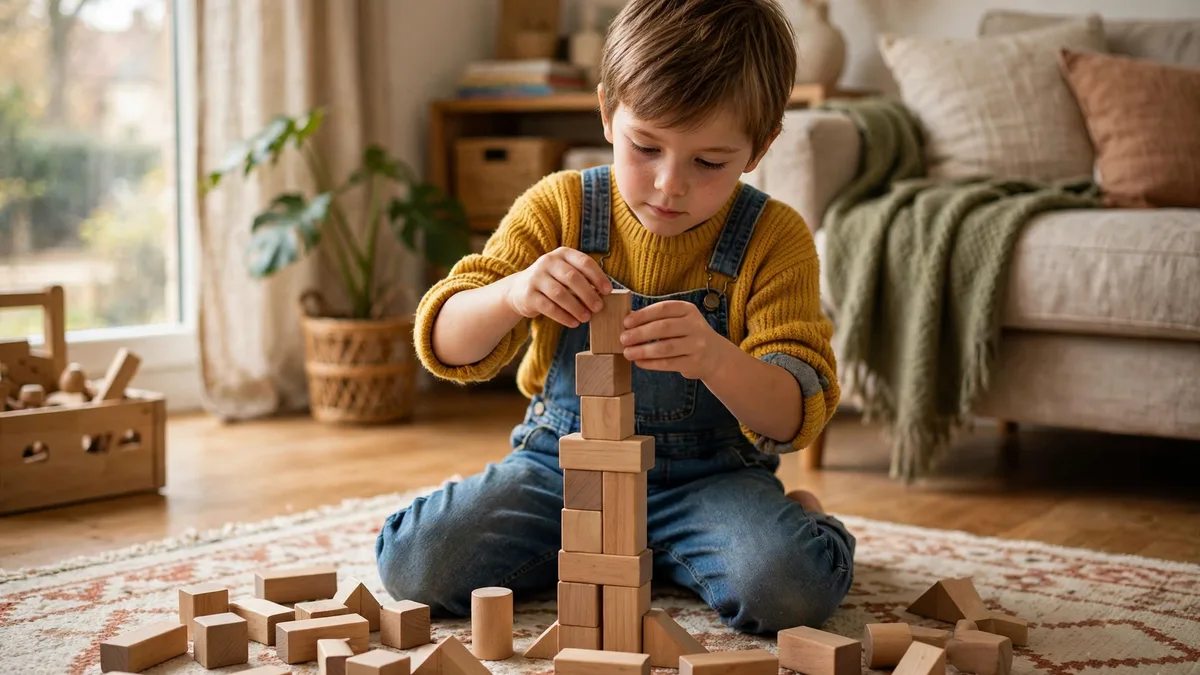
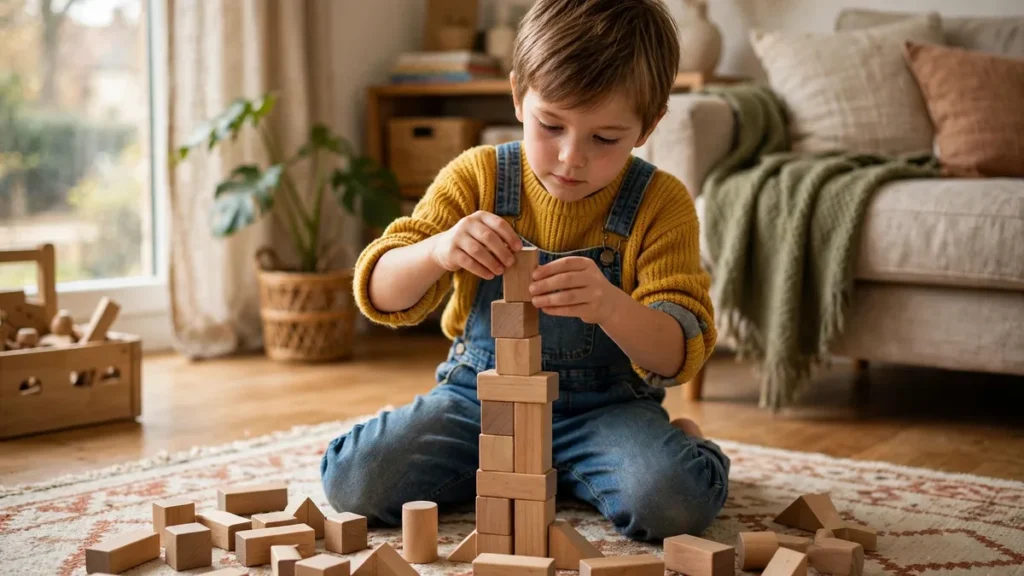
The best toys for building independence are the ones a child can start, steer and finish without an adult taking over. The best toys for building independence in 2027 give children real choices, a clear goal and the quiet satisfaction of having done it themselves.
So what should you buy if you want a child to play more independently? Look for toys with a challenge the child can understand, pieces they can handle alone, and an ending they can recognise. A tower that stands, a puzzle that clicks into place or a meal served from a play kitchen all tell a child that they managed it.
This guide compares ten such toys, from building sets and puzzles to play kitchens and balance bikes, each chosen because a child can use it alone and try again when things go wrong.
Key takeaways
- Independence grows when a toy lets a child choose, try, fail and try again without an adult stepping in.
- The best picks have a clear goal the child can see, such as a finished tower, a completed puzzle or a served meal.
- Match the toy to the child: builders need bricks and tracks, while sociable children need kitchens, games and dressing up.
- Simple, sturdy toys beat complicated ones, because a child who can start a toy alone will return to it alone.
- Always check the maker’s age guidance, watch for small parts, and supervise play, especially with younger children.
How to Choose a Toy That Builds Independence
Start with the child, not the shelf. A child who loves stacking will spend an hour with wooden blocks, while a child who copies everything at home will get far more from a play kitchen or a cleaning set.
Ask whether the child can start the toy alone. If an adult must set it up, explain the rules or fix it every few minutes, it will not build independence.
Look for a toy with decisions built in. Choosing which block goes next, which piece fits the gap or which route the train should take all give a child practice in deciding for themselves.
Think about age as well as interest. A toy graded for older children may frustrate a younger one, while a toy that is too easy will be abandoned. Our guide to the best educational toys for 3 year olds shows how play changes at three, which is a useful starting point for matching a toy to a stage.
The 10 Best Toys for Building Independence in 2027
1. LEGO DUPLO Classic Brick Box
The Classic Brick Box is a tub of large bricks in bright colours, with windows, doors and wheels included. There are no instructions to follow, so the child decides what to build.
A child can build a house, a car or a tower, knock it down and start again. That freedom builds planning, patience and confidence in their own ideas.
Best for: a child building freely from imagination.
2. Melissa & Doug Wooden Building Blocks Set
This set of smooth wooden blocks comes in many shapes and sizes, ready for stacking, sorting and balancing. The blocks are large enough for small hands and sturdy enough to survive daily play.
Building a tall tower asks a child to judge balance, choose each next block and cope when the tower falls. Each rebuild is a small lesson in trying again.
Best for: a child learning balance, patience and persistence.
3. KidKraft Wooden Play Kitchen
A wooden play kitchen gives a child a stage for copying the routines they see at home. The set has an oven, a hob, a sink and cupboards, with space for toy food and pots.
The child decides what to cook, serves it to family or soft toys, and tidies it away afterwards. That sequence of choosing, doing and finishing builds real daily independence.
Best for: a child who loves cooking and copying home routines.
4. Brio My First Railway Set
Brio railway sets are wooden tracks with chunky engines, carriages and bridges. The pieces join easily, and the set can grow with extra track over time.
The child must join the pieces, add a bridge or a station, and keep the train running. Planning a route and fixing it when it breaks builds problem-solving without adult help.
Best for: a child planning routes and fixing problems alone.
5. Melissa & Doug Wooden Jigsaw Puzzles
Chunky wooden jigsaw puzzles give a child a clear task with a satisfying finish. The pieces are large, the pictures are bright, and the board gives each piece a home.
A child studies each piece, turns it around and tries it in one gap and then another until it fits. Finishing a puzzle alone is a proud moment, and the same puzzle can be done again and again.
Best for: a child finishing a first proper puzzle alone.
6. Orchard Toys Shopping List Game
Shopping List is a simple matching and memory game. Each player has a list card and takes turns turning over item cards, keeping the ones that match and remembering where the rest are.
The rules are short, the turns are quick, and the child must wait, remember and decide for themselves. It is a gentle first lesson in following rules without an adult directing every move.
Best for: a child learning first games and turn-taking.
7. Toniebox Audio Player
The Toniebox is a soft, screen-free audio player. The child places a small character figure on top, and it plays stories, songs or rhymes, with no screen and no buttons to master.
A child can choose a story, sit with it, and follow a tale from start to finish. Choosing their own entertainment, without asking an adult, is a small but real step towards independence.
Best for: a child choosing and enjoying stories alone.
8. Crayola Ultra-Clean Washable Art Set
This washable art set includes markers, crayons and paper, all made to wash out of clothes and off skin and tables. The markers are chunky enough for small hands to grip well.
Drawing asks a child to decide what to make and how to make it, with no right answer. Washable supplies mean the child can create freely, and help with the tidy-up afterwards.
Best for: a child drawing and creating every day.
9. Melissa & Doug Let’s Play House Cleaning Set
This child-sized cleaning set includes a broom, a mop, a dustpan and a brush, all sized for small hands. It copies the real tools adults use, so the child can join in with household jobs.
A child who sweeps up crumbs or dusts a shelf is practising responsibility. Real jobs, at a child’s scale, build pride in helping.
Best for: a child who wants to help around the house.
10. Strider 12 Sport Balance Bike
A balance bike has no pedals, so a child pushes along with their feet and learns balance and steering first. The frame is light, the seat adjusts as the child grows, and the bike suits garden and park rides.
Riding alone, choosing where to go and stopping safely all build physical confidence. A child who masters a balance bike often moves to a pedal bike with far less fear.
Best for: a child building balance and physical confidence.
What a Good Independence-Building Toy Feels Like

Watch a child with a good independence-building toy and you will see concentration, not confusion. The child studies the pieces, tries one idea, and changes course when it does not work.
It looks like play, but it is how a small child learns to plan and persist. Every piece that does not fit narrows down what to try next.
That is why the best toys at this age have a finish the child can recognise. A completed puzzle, a finished tower or a tidy play kitchen all give a clear sense of having done something alone.
How Do the Best Toys for Building Independence Compare?
The ten picks build independence in different ways, so the right choice depends on the child. The table below lines them up for easy comparison.
| Toy | Best for | Key feature | Play type |
|---|---|---|---|
| LEGO DUPLO Classic Brick Box | Free building | Tub of bricks, no rules | Building |
| Melissa & Doug Wooden Blocks | Balance and patience | Smooth blocks, many shapes | Building |
| KidKraft Wooden Play Kitchen | Copying home routines | Oven, hob, sink, cupboards | Pretend play |
| Brio My First Railway Set | Routes and problem-solving | Wooden track, chunky trains | Building and pretend |
| Melissa & Doug Wooden Puzzles | First puzzles alone | Chunky pieces, wooden board | Puzzles |
| Orchard Toys Shopping List | First games | Matching and memory cards | Counting and games |
| Toniebox Audio Player | Stories alone | Screen-free audio stories | Listening |
| Crayola Washable Art Set | Daily drawing | Washable markers and crayons | Art |
| Melissa & Doug Cleaning Set | Helping at home | Child-sized broom and mop | Pretend play |
| Strider 12 Sport Balance Bike | Balance and confidence | Light frame, no pedals | Outdoor play |
What to Check Before You Buy
Check the maker’s age guidance first, and take it seriously. A toy graded for older children may have small parts or play patterns that do not suit a younger child.
Look at how the toy is made. Smooth edges and sturdy joints matter more than extra features, and wooden toys should feel solid, with no splinters.
Think about where the toy will be played with, and how much space it needs. Outdoor toys build independence too, and our guide to the best outdoor toys for kids covers garden and park play, while the best outdoor toys for toddlers guide suits the youngest players.
Toy Checklist: Six Quick Checks Before You Buy
- Age guidance on the box matches the child, with no small detachable parts.
- The child can start the toy alone, without an adult setting it up.
- Pieces are sized for small hands and sturdy enough for daily play.
- The toy has a clear goal the child can finish, such as a puzzle or a tower.
- Surfaces wipe or wash clean, and wooden toys feel solid with no splinters.
- The toy suits the child’s stage and the space where it will be played with.
Frequently Asked Questions
What is the best toy for building independence?
It depends on the child, but large building blocks or a wooden puzzle are a strong first choice. Both let the child decide, try and finish without adult help.
At what age can children start playing independently?
Many children begin short spells of solo play from around two, with longer stretches from three onwards. Start with simple toys, stay nearby, and build up the time gradually.
Are screen-free toys better for independence?
Screen-free toys usually ask more of a child, because the child must decide what happens next. A toy that plays by itself leaves little for the child to do.
How many independence-building toys does a child need?
Six or seven good toys are plenty. A child cannot play with ten toys at once, and too many new things at the same time can overwhelm them.
What toys should I avoid if I want my child to play alone?
Avoid toys with small detachable parts, long cords, or complicated set-up that only an adult can manage. Skip toys that need constant adult help to keep working.
The Bottom Line
The best toys for building independence are the ones that hand the play back to the child. A set of blocks, a puzzle, a play kitchen or a balance bike will be used far more than anything complicated.
Choose for the child in front of you, check the maker’s age guidance, and give them room to try and try again. The toy played with every day teaches the most.
Please check the maker’s age guidance and safety warnings before buying, keep small parts away from younger children, and supervise play, especially outdoors and with ride-on toys.