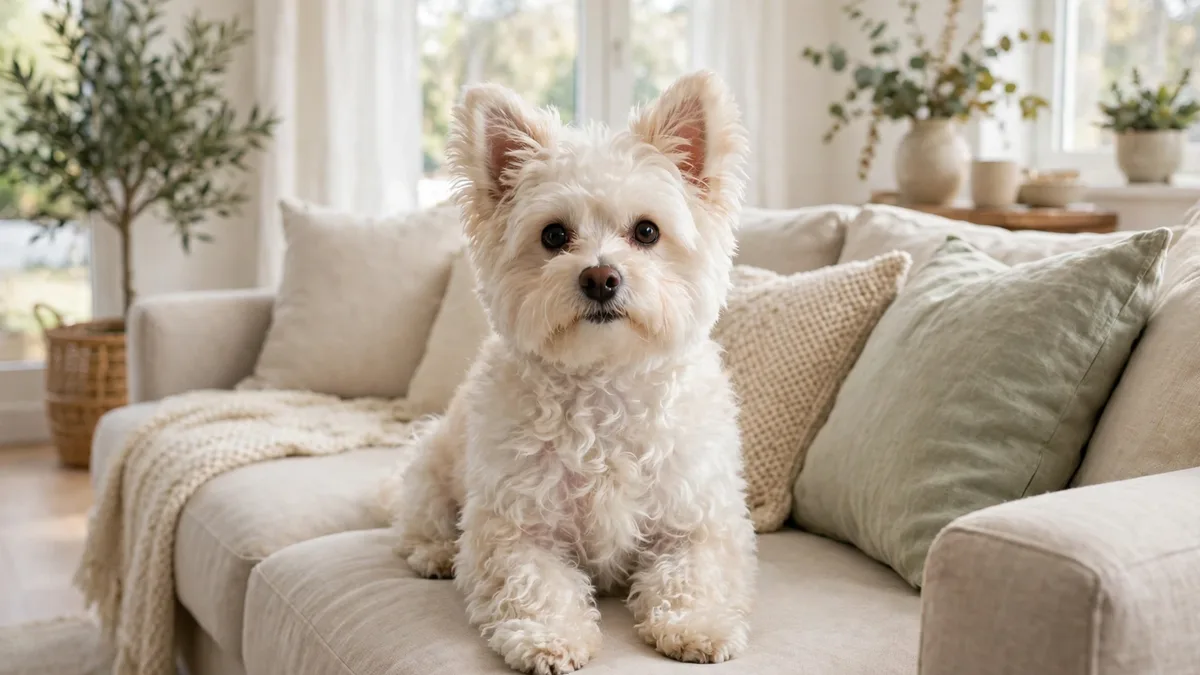
The best small dog breeds are the ones that fit your home, your routine and your energy, not just the ones that look charming in a photograph. A small dog can be a calm companion, a lively playmate or a devoted lap dog, and the right choice depends on how much space, time and patience you have to give.
So which small breed should you choose? For most households, the Cavalier King Charles Spaniel and the French Bulldog are the safest starting points, because they are gentle, adaptable and happy in smaller homes. This guide compares ten breeds on size, temperament, exercise and grooming, so you can find your match.
Key takeaways
- Small means under about 10 kg, but energy and grooming vary far more than size does.
- Match the breed to your home first: flat dwellers need calm, quiet dogs.
- Long-coated breeds need daily brushing; short-coated breeds need far less.
- Every small dog still needs training, socialisation and regular exercise.
- Meet the breeder or rescue first, and ask about health checks.
How to Choose the Best Small Dog Breeds
Start with your home. A flat suits a calm breed content with short walks and indoor play, while a house with a secure garden gives a livelier breed room to burn off energy.
Next, be honest about your time. A long-coated dog needs daily brushing, and a puppy of any breed needs hours of attention in its first months. If your days are long and your evenings quiet, choose a breed that settles happily beside you.
Finally, consider who else lives in the house. Families with young children need a sturdy, patient breed, while older owners often prefer a gentle dog that is easy to lift. See also our guide to the best dogs for kids in 2027.
The 10 Best Small Dog Breeds
Cavalier King Charles Spaniel
Best for: first-time owners and families wanting a gentle, affectionate companion.
The Cavalier is one of the easiest small breeds to live with: friendly, patient and happy to follow its owner around the house. At 5 to 8 kg, it is easy to lift, and it gets on well with children and other dogs.
Exercise needs are moderate: a couple of short walks a day and some play will keep one content. The silky coat needs brushing a few times a week. Ask the breeder about health screening, since Cavaliers can be prone to heart problems.
French Bulldog
Best for: flat dwellers who want a calm, compact and playful dog.
The French Bulldog is a small, sturdy dog with a big personality: affectionate without being needy, playful without being frantic, and usually quiet, which makes it a good neighbour in a flat. Most weigh between 8 and 14 kg.
Exercise needs are modest, and short walks suit them well, but they must not be overworked in warm weather, when their short muzzle makes breathing harder. The smooth coat needs a weekly brush and a wipe of the facial folds.
Pug
Best for: owners who want a cheerful, sturdy little dog with a sense of humour.
Pugs are charming, sociable and famously fond of food and company. They are sturdy for their size, usually weighing 6 to 8 kg, and they settle happily in small homes. Pugs love people and are usually good with children and other pets.
They need moderate exercise, but they struggle in heat, so walk them in the cooler parts of the day. The short coat sheds, so a weekly brush helps, and the face wrinkles need regular cleaning.
Dachshund
Best for: owners who want a characterful small dog and can manage its back with care.
Dachshunds are bold, clever and full of personality, far bigger in spirit than in size. Miniatures usually weigh 4 to 5 kg, while standards reach 9 to 12 kg. They come in smooth, long and wire coats, so grooming varies with the type.
They need regular walks and play, but their long backs need care: use ramps or steps rather than letting them jump from furniture, and keep them at a healthy weight. Dachshunds can be stubborn, so patient, consistent training works best.
Shih Tzu
Best for: calm households and older owners who enjoy grooming and quiet company.
The Shih Tzu was bred as a companion, and it shows. It is affectionate, good-natured and usually happy to spend the day close to its owner, weighing 4 to 7 kg. Shih Tzus are generally quiet and polite with visitors, which suits smaller homes.
Exercise needs are low to moderate, with short walks and indoor play enough for most. The long coat needs daily brushing unless kept in a shorter clip. A good dog harness makes walks easier on such a small frame.
Pomeranian
Best for: active owners who want a lively, alert little dog with a big presence.
Pomeranians are tiny, usually 1.5 to 3 kg, but they carry themselves like much larger dogs. They are bright, curious and full of energy, and they bond closely with their owners. Their thick double coat gives them their famous fluffy look.
That coat needs brushing several times a week to prevent matting, and they shed seasonally. Pomeranians need daily play and short walks, plus training to keep their alert barking in check.
Yorkshire Terrier
Best for: owners who want a small, portable dog with a lively, confident streak.
Yorkshire Terriers weigh up to about 3 kg, yet they are famously bold and spirited. They are affectionate with their families, adapt well to flats, and travel easily thanks to their size. Yorkies are clever and quick to learn when training is consistent.
The fine, silky coat needs daily brushing if kept long, or regular trimming if kept short. Exercise needs are moderate: short walks and play are enough, but Yorkies need mental stimulation to stay content.
Maltese
Best for: gentle households wanting a calm, affectionate lap dog.
The Maltese is a small, gentle breed, usually weighing 2 to 4 kg, with a long white coat and a sweet nature. Affectionate and devoted, it thrives on human company, making it a good fit for owners who are home much of the day.
Exercise needs are low, with short walks and indoor play usually enough. The coat needs daily brushing and regular washing to stay white and tangle-free, though many owners keep it in a short puppy clip.
Bichon Frise
Best for: families and allergy-aware households wanting a cheerful, low-shedding dog.
The Bichon Frise is a cheerful, sociable little dog, usually weighing 5 to 8 kg, with a soft white curly coat. Bichons are playful and friendly, good with children and other dogs, and known for shedding very little.
They need moderate exercise, with daily walks and play keeping them happy. The curly coat needs brushing several times a week and professional grooming every month or so.
Miniature Schnauzer
Best for: active owners who want a sturdy, clever small dog with a wiry coat.
Miniature Schnauzers are lively, intelligent and full of character, usually weighing 5 to 8 kg. Alert and loyal, they enjoy walks, games and training, which suits owners who like an active dog. Their wiry coat and bearded face give them a distinctive look.
Exercise needs are moderate to high for a small breed. The coat needs brushing a few times a week and clipping every couple of months. Our guide to the best dry dog food in 2027 explains how to choose a recipe for a small, active dog.
The 10 Picks at a Glance
| Breed | Typical weight | Daily exercise | Grooming |
|---|---|---|---|
| Cavalier King Charles Spaniel | 5–8 kg | Moderate | Brush a few times a week |
| French Bulldog | 8–14 kg | Low to moderate | Minimal, wipe folds |
| Pug | 6–8 kg | Moderate | Weekly brush |
| Dachshund | 4–12 kg | Moderate | Varies by coat |
| Shih Tzu | 4–7 kg | Low to moderate | Daily brushing |
| Pomeranian | 1.5–3 kg | Moderate | Brush several times a week |
| Yorkshire Terrier | Up to 3 kg | Moderate | Daily brushing |
| Maltese | 2–4 kg | Low | Daily brushing |
| Bichon Frise | 5–8 kg | Moderate | Brush often |
| Miniature Schnauzer | 5–8 kg | Moderate to high | Brush often |
What a Good Small Dog Feels Like
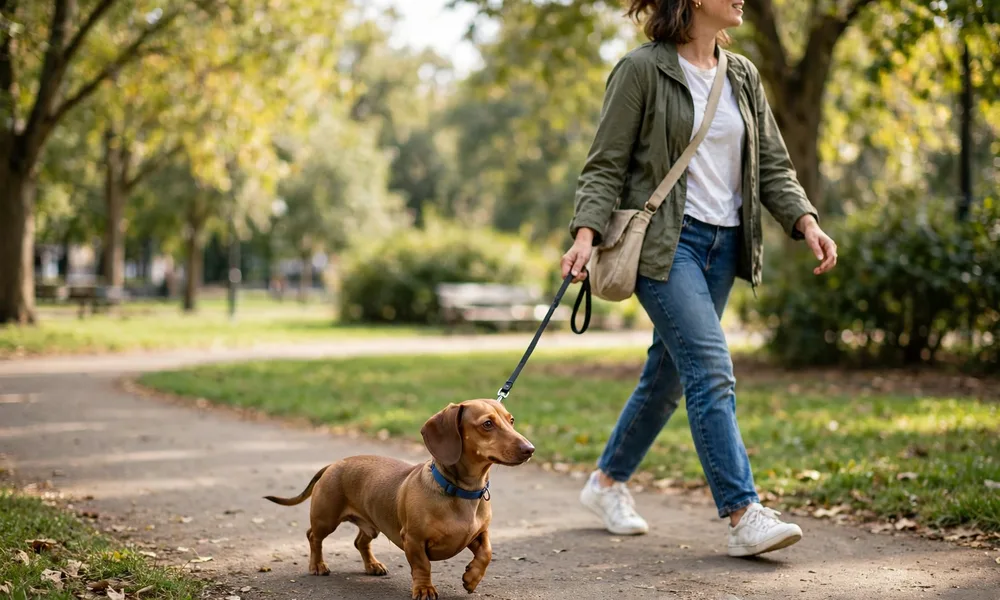
A good small dog feels easy to live with. It settles beside you in the evening, walks happily on the lead, and greets visitors with interest rather than alarm. It fits your home without taking it over, and it fits your day without demanding more than you can give.
The best small dogs are also predictable. You know how much exercise they need, how often the brush comes out, and how they behave around children, guests and other dogs.
Small Dogs and Flat Living
Small dogs and flats go well together, but only when the breed is chosen with care. A calm dog that sleeps through the afternoon is a good neighbour, while a restless, vocal dog can strain relations next door.
Space matters less than routine. A small dog in a flat still needs two walks a day, play time and a comfortable spot of its own. A balcony is not a substitute for a walk, and a garden is a bonus rather than a requirement for most breeds here.
Your Small Dog Checklist
Before you bring a small dog home, run through this checklist so the first week goes smoothly.
- Choose a breed that fits your home, your hours and your energy.
- Meet the breeder or rescue, see the puppy with its mother, and ask for health records.
- Buy a harness, lead, bed, bowls and food before the dog arrives.
- Book a vet check for the first week, and ask about vaccinations and worming.
- Plan the first month of training, including toilet training and socialisation.
- Arrange cover for holidays and long days away from home.
Frequently Asked Questions
What is the best small dog breed for a first-time owner?
The Cavalier King Charles Spaniel is often the best choice, because it is gentle, forgiving and easy to train. The French Bulldog and the Bichon Frise are also good options, since both are adaptable and settled.
Which small dog breeds are best for flats?
French Bulldogs, Pugs, Shih Tzus and Maltese dogs all do well in flats, because they are calm, quiet and happy with modest exercise. The key is a breed that settles indoors and does not bark at every sound.
Are small dogs good with children?
Many small dogs are good with children, but sturdiness matters: a Cavalier, a Pug or a Bichon Frise usually copes better with family life than a very tiny breed. Children should always be taught to handle small dogs gently, and young children should never be left alone with any dog.
Do small dogs need less exercise than large dogs?
Not always. Some small breeds, such as Miniature Schnauzers and Pomeranians, need plenty of daily activity, while others, such as Maltese dogs and Shih Tzus, are content with short walks. Size alone does not decide exercise needs.
Which small dog breed sheds the least?
Bichon Frises, Maltese dogs and Yorkshire Terriers shed very little, which is one reason they suit owners who want less hair in the house. Low shedding does not mean no grooming: these coats need regular brushing and trimming to stay healthy.
The Bottom Line
The best small dog breed is the one that fits your home and your daily life, not the one that looks cutest in a photograph. Cavaliers and French Bulldogs suit most households.
Take your time with the choice: a small dog can live for well over a decade. Meet the breeder or rescue, ask for health records, and check that the puppy or dog has been vet-checked. Small dogs still need training, socialisation and regular exercise, and the owners who plan for that end up with the happiest dogs.