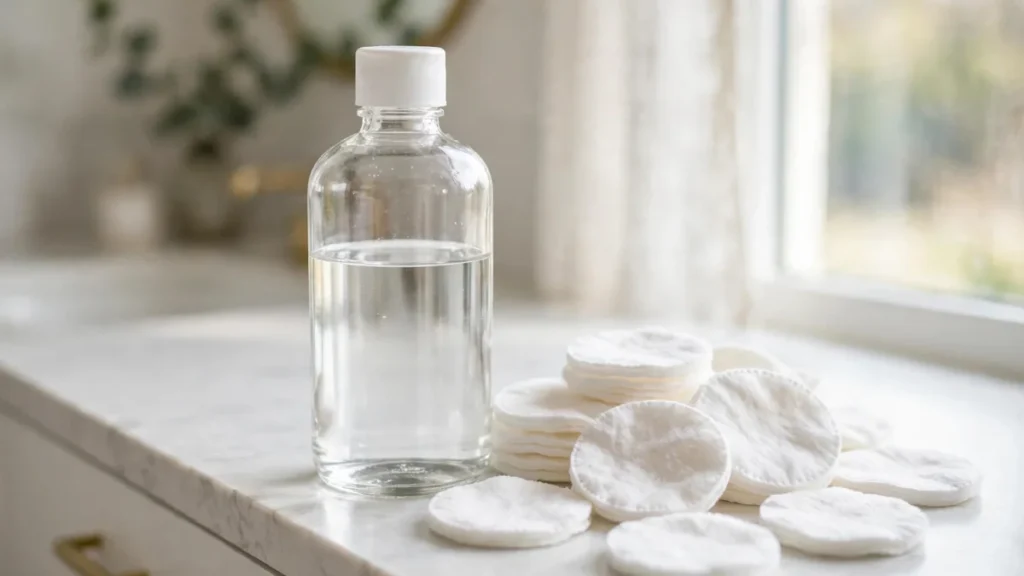
Removing nail polish should be the easiest part of a manicure, and yet it is the step most likely to leave nails dry, flaky, white-spotted and sore. A remover that is too harsh strips the nail plate and the skin around it. A remover that is too gentle takes ten minutes of scrubbing, leaves colour in the corners, and still dries the nail out. The difference between a good remover and a bad one is not subtle, and it shows up the next time you paint your nails.
A good nail polish remover dissolves polish quickly, rinses cleanly, and leaves nails and cuticles feeling reasonably comfortable rather than tight and chalky. The best formulas balance strength with care, pairing an effective solvent with oils or moisturisers that soften the blow, and they work on ordinary polish, glitter and dark shades without endless rubbing.
Below are nine nail polish removers worth considering in 2027, from a fast acetone remover for glitter and gel-effect polish to gentle acetone-free options for dry, brittle or sensitive nails. Each one is described by what it is good at, what to watch for, and who it suits best, so you can choose with your nails in mind, not just the bottle.
Key takeaways
- A good remover dissolves polish quickly with minimal rubbing, because friction and repeated soaking dry nails out as much as the solvent itself.
- Acetone removers are fastest on glitter, dark shades and long-wear polish, while acetone-free removers are gentler and better for dry, brittle or sensitive nails.
- Press a soaked cotton pad on the nail for ten to twenty seconds before wiping, and always moisturise nails and cuticles afterwards.
- Glycerin, vitamin E, jojoba oil and other nourishing oils help a remover feel kinder, but they do not make a harsh formula harmless.
- No remover repairs peeling or splitting nails on its own, and a remover that stings broken skin or leaves nails white and chalky should be swapped for a gentler one.
What a nail polish remover actually does to nails
Nail polish remover works by dissolving the film that polish forms on the nail. Solvents such as acetone break that film down quickly, which is why acetone removers are fast and effective. Acetone-free removers use gentler solvents, such as ethyl acetate, that work more slowly but are less drying. Both types remove polish, and the choice is really a trade-off between speed and kindness to the nail.
Nails are more vulnerable than they look. The nail plate is made of keratin, and it absorbs water and solvents, then dries out again. Repeated soaking, scrubbing and harsh solvents can leave nails brittle, peeling at the tips, and prone to splitting. The skin around the nail suffers too, because cuticles dry out, crack, and catch, and that is often where a manicure starts to look untidy.
That is why technique matters as much as the bottle you buy. Soaking a cotton pad, holding it still on the nail, and letting the solvent do the work is far kinder than scrubbing back and forth. A short soak followed by one clean wipe removes more polish with less damage than a minute of rubbing, and a drop of cuticle oil afterwards replaces some of the moisture the remover has taken away.
How we chose these nail polish removers and what to look for
Look first at the type of polish you wear most often. If you wear glitter, dark reds, or long-wear and gel-effect formulas, a fast acetone remover will save you time and friction. If you wear sheer, pale or ordinary polish, and your nails are dry or brittle, an acetone-free remover is usually the better everyday choice. Many people keep both: a strong remover for glitter and a gentle one for everything else.

Look next at what is in the bottle besides the solvent. Oils, glycerin and vitamin E do not cancel out a solvent, but they do make a remover feel less stripping, and they leave nails and cuticles in better condition. A remover that smells less harsh is often, though not always, a gentler one. If your nails are very dry, the nourishing ingredients matter, and our guide to the best squalane products covers one of the most reliable moisturisers for dry skin and cuticles.
Finally, look at the format. A classic liquid with cotton pads gives you the most control and is the most economical. A remover pot with a sponge centre is fast and neat for short nails, and pre-soaked pads are useful for travel. The best format is the one you will use patiently, because a remover that encourages you to hold, wait and wipe once is kinder than one that encourages scrubbing.
The 9 best nail polish removers of 2027
OPI Expert Touch Lacquer Remover
What we like: A salon favourite that removes ordinary and long-wear polish quickly, with a clean finish and no heavy residue, and it works well on dark shades that usually stain.
What to consider: It is an acetone formula, so it is drying, and dry or brittle nails will need oil afterwards. Key ingredients: Acetone, moisturisers. Nail type: Normal, strong. Size: 110 ml / 120 ml. Cruelty-free: No.
This is the dependable, professional-strength choice for people who change polish often and want it gone fast. It is not the gentlest option, but for speed and effectiveness it is hard to beat.
Cutex Nourishing Nail Polish Remover
What we like: An acetone-free remover that is gentle, affordable and widely available, with a formula that removes ordinary polish cleanly without leaving nails feeling stripped.
What to consider: It works more slowly than acetone, and glitter or very dark polish may need a longer soak. Key ingredients: Ethyl acetate, nourishing oils. Nail type: Dry, sensitive, brittle. Size: 100 ml / 200 ml. Cruelty-free: No.
A sensible everyday remover for nails that dry out easily. It is inexpensive, easy to find, and one of the safest picks for regular use.
Zoya Remove Plus
What we like: A fast, effective remover that handles dark and long-wear polish well, with a formula designed to be less drying than a basic acetone remover.
What to consider: It is stronger than a gentle acetone-free option, so very dry nails still need care afterwards. Key ingredients: Acetone, glycerin, vitamin E. Nail type: Normal, dry. Size: 240 ml. Cruelty-free: Yes.
For people who wear dark or long-wear polish and want speed without the harshest feel, this is a strong middle ground. It removes polish efficiently and leaves nails in reasonable condition.
Deborah Lippmann The Stripper
What we like: A lavender-scented remover with oils that feels more like a treatment than a solvent, removing polish well while leaving nails and cuticles soft.
What to consider: Premium price, and glitter polish still needs patience and a good soak. Key ingredients: Acetone, lavender oil, aloe. Nail type: Dry, normal. Size: 120 ml. Cruelty-free: No.
This is the indulgent option, and it earns its place. It is the remover to keep on a dressing table, where the scent and the softer finish make changing polish a pleasure rather than a chore.
Londontown kur Strengthening Lacquer Remover
What we like: A remover with strengthening ingredients that is designed for weak, peeling nails, removing polish cleanly while aiming to leave nails in better shape.
What to consider: It is a mid-to-premium price, and it is still a remover, so it cannot repair damage on its own. Key ingredients: Acetone-free solvents, botanical oils. Nail type: Weak, peeling, brittle. Size: 120 ml. Cruelty-free: Yes.
For nails that peel or split easily, this is a thoughtful choice. It removes polish without the harshest solvents, and it is designed with nail health in mind.
Essie Nail Polish Remover
What we like: A straightforward, reliable remover that works quickly on ordinary polish, with a clean finish and a bottle that is easy to use and store.
What to consider: It is an acetone formula, so it dries nails out, and glitter needs a longer soak. Key ingredients: Acetone, moisturisers. Nail type: Normal, strong. Size: 125 ml. Cruelty-free: No.
A good, no-fuss choice for people who paint their nails regularly and want a remover that simply works. Keep cuticle oil nearby and it does the job well.
Olive & June Polish Remover Pot
What we like: A sponge-filled pot that removes polish quickly and neatly, with no cotton pads or spills, and it is easy to use on short nails.
What to consider: The pot is less practical for long nails, and it needs replacing once the sponge dries out. Key ingredients: Acetone, nourishing oils. Nail type: Normal, short nails. Size: One pot. Cruelty-free: Yes.
This is the convenient option for quick changes. Dip, twist, and the polish is gone, with no pads, no mess, and no bottle to knock over.
Ella+Mila Soy Nail Polish Remover
What we like: A soy-based, acetone-free remover that is notably gentle, with a mild scent and a formula that is kind to dry, sensitive nails and cuticles.
What to consider: It is slow, especially on glitter and dark polish, so allow extra time and a good soak. Key ingredients: Soy, lavender oil, vitamin E. Nail type: Dry, sensitive, brittle. Size: 120 ml. Cruelty-free: Yes.
For nails that are dry, damaged or sensitive, this is one of the gentlest removers available. It takes longer, but it leaves nails feeling far less stripped.
Côte Takeoff Polish Remover
What we like: A gentle, acetone-free remover with a clean, mild scent, that removes ordinary polish well and leaves nails feeling soft rather than chalky.
What to consider: It is a premium price for a remover, and long-wear or glitter polish needs a longer hold. Key ingredients: Acetone-free solvents, oils. Nail type: Dry, normal, sensitive. Size: 118 ml. Cruelty-free: Yes.
This is the polished, gentle choice for people who want a kinder remover and are happy to pay more for it. It is at its best as an everyday remover for ordinary polish.
Which nail polish remover is right for your nails
Dry, brittle or peeling nails need the gentlest remover you can find, used with patience. Choose an acetone-free or soy-based formula, soak rather than scrub, and follow with cuticle oil and hand cream every time. Look for glycerin, vitamin E and oils in the formula, and give nails a break from polish between manicures so they can recover.
Strong, healthy nails can handle a fast acetone remover, and for glitter or dark polish it is often the practical choice. Even then, soak first, wipe once, and moisturise afterwards. A fast remover used well is kinder than a gentle remover used with ten minutes of scrubbing, because friction is part of the damage too.
Sensitive skin around the nails needs a mild, low-odour formula and a careful technique. Keep the remover on the nail, not on the surrounding skin, wash your hands afterwards, and apply a rich moisturiser. Our guide to the best moisturisers for dry skin covers the same barrier-repair principles for hands, and they apply to cuticles too. If the skin around your nails is cracked or sore, skip polish for a while and let it heal first.
The caveats that matter
Nail polish remover is helpful, but it is not harmless, and it is not a treatment. Peeling, splitting, white spots or ridges can be caused by overuse, by harsh removers, or by other issues such as dehydration or damage from gel removal. If your nails do not improve with a gentler remover and regular moisturising, give them a break from polish altogether for a few weeks. That rest, plus oil and a gentle routine, usually helps more than switching brands again.
| Detail | What is known |
|---|---|
| Best remover for most nails | A gentle acetone-free remover for everyday polish, and acetone only for glitter or dark shades |
| How to remove polish kindly | Soak a cotton pad, hold it on the nail for ten to twenty seconds, then wipe once |
| What to avoid | Scrubbing back and forth, soaking fingertips for minutes, and using remover on broken skin |
| Who should choose acetone-free | Dry, brittle, peeling or sensitive nails, and anyone who changes polish often |
| What to do afterwards | Wash hands, then apply cuticle oil and hand cream while nails are still slightly damp |
| Glitter polish | Needs a longer soak or an acetone remover, and foil wraps can help for stubborn glitter |
| How often to remove polish | As rarely as you can manage, and give nails polish-free days between manicures |
| When to see a clinician | Persistent pain, swelling, redness, or nails that lift, split deeply, or do not grow normally |
If you use gel or long-wear polish, do not peel it off and do not scrape it off with a metal tool. Peeling removes layers of the nail plate with it, and that damage takes months to grow out. Soak it off properly, or have it removed professionally, and moisturise well afterwards.
Checklist: choosing a nail polish remover honestly
Use these checks before you buy, and again after two weeks of use.
- Check the type: acetone for glitter and dark polish, acetone-free for dry, brittle or sensitive nails.
- Check the ingredients: glycerin, vitamin E or oils for a kinder finish, and a mild scent if you are sensitive.
- Check the format: liquid and cotton pads for control, a pot for speed, pre-soaked pads for travel.
- Test the technique first: soak, hold for ten to twenty seconds, then wipe once, rather than scrubbing.
- Moisturise afterwards: apply cuticle oil and hand cream every time you remove polish.
- Give nails a break: leave polish off for a few days between manicures so nails can recover.
Frequently asked questions
Is acetone nail polish remover bad for nails?
Acetone is drying, but it is also fast, and speed matters. A short, careful removal with acetone, followed by oil and hand cream, can be kinder than a long, scrubbing removal with a gentle formula. The problem is frequent use, long soaks, and no moisturising afterwards, not a single careful removal.
How do I remove glitter polish without damaging my nails?
Soak a cotton pad in acetone remover, place it on the nail, and wrap it in foil for five to ten minutes. The glitter should lift off with one wipe. Do not scrape it off, and moisturise well afterwards, because glitter removal is the harshest kind.
Why do my nails feel white and chalky after removing polish?
That chalky, white look is usually dehydration. The solvent has stripped moisture from the nail plate, and the nail needs oil and time to recover. Use a gentler remover, soak briefly rather than scrubbing, and apply cuticle oil twice a day for a few days.
Can I use nail polish remover on gel polish?
Ordinary remover will not dissolve gel polish properly. Gel needs to be filed lightly, then soaked off with acetone and foil wraps, or removed professionally. Peeling gel off by hand removes layers of nail and should be avoided.
What is the gentlest nail polish remover?
Soy-based and acetone-free removers are generally the gentlest, and they are the best choice for dry, brittle or sensitive nails. They work more slowly, especially on glitter and dark polish, so allow extra time and use a good soak. A drop of face oil or cuticle oil after removal helps even more.
How often should I give my nails a break from polish?
As often as you can. A few polish-free days between manicures lets nails rehydrate and recover, and it makes it easier to spot peeling, splitting or discolouration early. If your nails are weak, a longer break of two to three weeks, with daily oil, is a sensible reset.
The bottom line
The best nail polish remover in 2027 is not the strongest or the most expensive. It is the one that suits your nails and your polish, that removes colour quickly with minimal rubbing, and that leaves your nails in reasonable condition afterwards. For glitter and dark shades, a fast acetone remover used carefully is the practical choice. For everyday polish and dry or brittle nails, a gentle acetone-free remover is better.
Choose the right type for your nails, soak rather than scrub, and moisturise every time you remove polish. That simple routine, repeated consistently, is the honest way to keep nails healthy while still enjoying colour, without spending more than you need to.
Note: This guide is general beauty information, not medical advice. Patch-test new products, avoid remover on broken or irritated skin, and speak to a clinician if your nails are painful, lifting, or not improving with a gentler routine and regular moisturising.