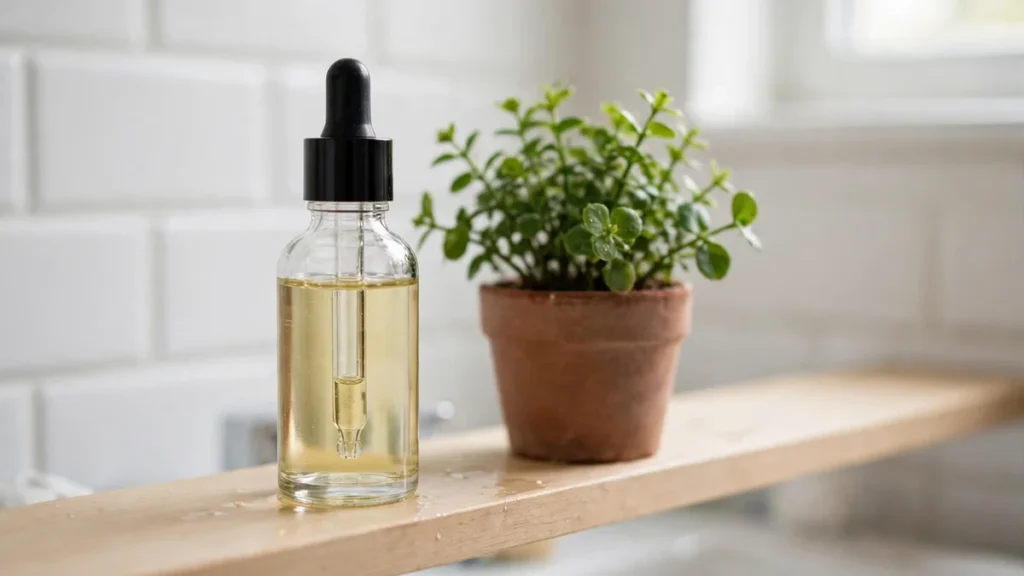
The best anti aging serum in 2027 is the one that matches your skin’s needs rather than the one with the loudest marketing. What is the best anti aging serum in 2027? For most people, it is a well-formulated retinol serum used at night, paired with a vitamin C serum in the morning, because that combination targets fine lines, uneven tone and dullness at the same time.
A serum delivers a high concentration of active ingredients in a lightweight base that sinks in quickly. Creams mainly protect the skin barrier, while serums treat specific concerns.
Key takeaways
- Retinol remains the most researched ingredient for fine lines and works best at night.
- Vitamin C suits the morning, supporting brightness and daily defence.
- Hyaluronic acid hydrates the surface and softens dehydration lines within hours.
- Peptides and niacinamide are the gentlest options for sensitive skin.
- Consistency beats strength: a mild serum used daily beats a strong one used weekly.
How to Choose an Anti-Ageing Serum
Start with your main concern, not a brand name. If fine lines are your priority, retinol is the strongest evidence-backed choice; if dullness and dark spots bother you most, vitamin C deserves the top spot.
Skin type should shape your choice. Dry skin benefits from a richer texture with hydrators such as hyaluronic acid, while oily skin prefers a light, water-based serum.
Sensitive skin needs a slower approach: start with peptide or niacinamide formulas, and introduce retinol only at low strength a few nights a week.
What a Good Anti-Ageing Serum Feels Like
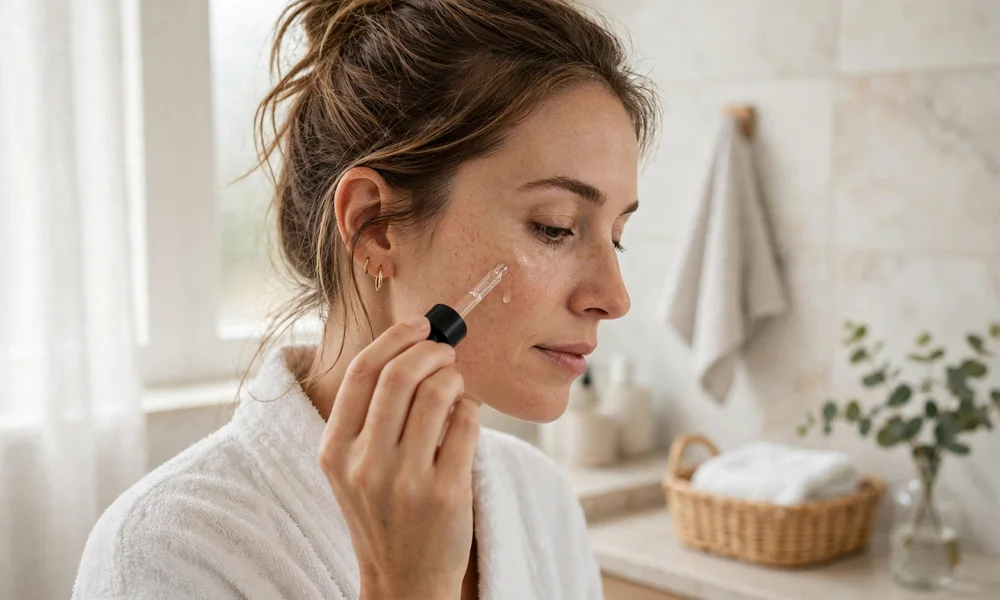
A good serum should feel almost weightless: three or four drops pressed into damp skin should absorb within a minute, leaving no sticky film. If it pills under moisturiser, the texture is wrong for your routine.
Hydrating serums work at once, as skin looks plumper and dehydration lines soften. Treatment serums are slower: retinol often takes eight to twelve weeks before texture and tone visibly change.
Some tingling is normal with vitamin C and stronger retinol formulas, but it should fade quickly. Persistent redness or stinging is a sign to pause or switch to a gentler formula.
The 10 Best Anti-Ageing Serums of 2027
1. The Classic Retinol Serum
Retinol, a form of vitamin A, speeds up cell turnover and supports collagen, making it the most studied ingredient for smoothing fine lines and refining texture.
Use it at night, two or three times a week to start, followed by a plain moisturiser. Best for: fine lines, uneven texture and long-term treatment.
2. The Brightening Vitamin C Serum
Vitamin C, usually as L-ascorbic acid, brightens dull skin and helps fade dark spots left by sun exposure and blemishes. It also defends against pollution and ultraviolet light, making it a natural morning choice.
Choose a formula in an opaque or dark bottle, since vitamin C breaks down in light and air. For more options, our guide to the best drugstore vitamin C serums covers affordable formulas in depth. Best for: dullness, dark spots and a brighter complexion.
3. The Hyaluronic Acid Hydrator
Hyaluronic acid is a humectant that draws water into the upper layers of the skin, making dehydration lines look softer and the complexion plumper almost immediately.
Apply it to damp skin and seal it in with moisturiser, or it can pull moisture from the skin in a dry room. It suits every skin type and layers well under other serums. Best for: dry skin and afternoon dehydration lines.
4. The Peptide Firming Serum
Peptides are short chains of amino acids that signal the skin to support its own repair. They are gentler than retinol and well tolerated by sensitive skin, making them useful for people who cannot use stronger actives.
Results are gradual, building over months rather than weeks. Peptide serums pair well with hyaluronic acid and niacinamide, and can be used morning and night. Best for: sensitive skin, early ageing and gentle firming.
5. The Niacinamide Balancer
Niacinamide, or vitamin B3, strengthens the skin barrier, calms redness and helps balance oil production. It also improves the look of enlarged pores and uneven tone, and is one of the easiest actives to add to a routine.
It works well alongside retinol and vitamin C, and helps skin tolerate retinol by supporting the barrier. Around five per cent suits most people. Best for: combination skin, redness and first routines.
6. The Gentle Retinal Serum
Retinal, also called retinaldehyde, is one step closer to the active form of vitamin A than retinol, so it tends to work faster while staying well tolerated. It suits people who found retinol too slow or too irritating.
Use it at night like retinol, a few times a week to begin with. Because it is more potent, a pea-sized amount covers the whole face. Best for: retinol-like results with less waiting.
7. The Antioxidant Blend Serum
Some serums combine vitamin C with vitamin E and ferulic acid, a trio that stabilises the vitamin C and adds defence against environmental damage. It suits people who want one morning serum that does several jobs.
These blends are often richer than a pure vitamin C serum, so they suit normal to dry skin best. Apply in the morning under sunscreen. Best for: sun-exposed skin, city living and single-step mornings.
8. The Barrier Repair Serum
This type of serum focuses on ceramides and other lipids that rebuild the skin barrier. A healthy barrier holds moisture in and keeps irritants out, so skin looks smoother and reacts less to active ingredients.
It is an ideal partner for retinol, since a stronger barrier means less dryness and flaking. Use it morning or night, or before retinol on sensitive nights. Best for: mature skin, over-exfoliated skin and reactive skin.
9. The Exfoliating Acid Serum
Glycolic and lactic acid serums gently dissolve the bonds between dead skin cells, revealing fresher skin beneath. They improve texture, brighten tone and help other serums absorb, making them a useful weekly treatment rather than a daily one.
Use an acid serum at night, once or twice a week, and never on the same night as retinol. Follow with sunscreen the next morning, since exfoliated skin is more sensitive to sunlight. Best for: rough texture, dullness and regular refreshes.
10. The All-Rounder Multi-Active Serum
Multi-active serums combine lower doses of several ingredients, such as peptides, niacinamide and hyaluronic acid, in one bottle. No ingredient is at full strength, but the combination covers hydration, tone and firmness in one step.
These are the easiest serums to live with: gentle enough for daily use, simple to layer and suitable for most skin types. They suit anyone who wants results without a complicated routine. Best for: busy routines, beginners and simple daily care.
How to Layer Your Serum
Order matters: apply serums from thinnest to thickest, starting with water-based formulas and finishing with richer ones. A hyaluronic acid serum goes on first, followed by treatment serums, then moisturiser.
Keep vitamin C for the morning and retinol for the night, and do not mix strong acids with retinol in one application. If you use both, alternate nights.
Skincare does not stop at the face: the neck and chest show ageing just as clearly, so extend your serum to the collarbone. If your routine extends beyond the face, our guide to the best scalp oils covers another often-neglected area.
What Results to Expect — and When
Hydration improves within hours of using hyaluronic acid. Brightness from vitamin C usually appears within three to four weeks, and dark spots may take two to three months to fade.
Retinol takes longer: most people see smoother texture after eight weeks, with fine lines softening after three to six months of steady use. Peptides work on a similar slow timeline, which is why consistency matters.
No serum removes deep wrinkles or replaces professional treatments. What a good serum can do is improve texture, tone and hydration, and slow the visible signs of ageing alongside sunscreen. For more, see our guide to the best skincare for mature skin.
Anti-Ageing Serum Comparison
| Serum | Key ingredient | Suits | Best for |
|---|---|---|---|
| The Classic Retinol Serum | Retinol | Normal to oily | Fine lines and texture |
| The Brightening Vitamin C Serum | Vitamin C | All skin types | Dullness and dark spots |
| The Hyaluronic Acid Hydrator | Hyaluronic acid | All skin types | Dehydration and plumping |
| The Peptide Firming Serum | Peptides | Sensitive | Gentle firming |
| The Niacinamide Balancer | Niacinamide | Combination | Redness and pores |
| The Gentle Retinal Serum | Retinal | Normal to dry | Faster retinol results |
| The Antioxidant Blend Serum | Vitamin C, E and ferulic acid | Normal to dry | Daily environmental defence |
| The Barrier Repair Serum | Ceramides | Dry and mature | Barrier strength |
| The Exfoliating Acid Serum | Glycolic and lactic acid | Normal to oily | Texture and brightness |
| The All-Rounder Multi-Active Serum | Peptides, niacinamide and hyaluronic acid | All skin types | Simple daily care |
Your Anti-Ageing Serum Checklist
- Identify your main concern: lines, dullness, dryness or sensitivity.
- Choose one key active for that concern, rather than buying several at once.
- Patch test on a small area for a few days before full use.
- Introduce retinol slowly, two or three nights a week, increasing only when skin is comfortable.
- Use vitamin C in the morning and retinol at night, never layered together.
- Apply to clean skin, thinnest first, and seal in with moisturiser.
- Wear sunscreen daily, since actives make skin more sensitive to sunlight.
- Give a new serum at least eight weeks before deciding whether it works.
Frequently Asked Questions
What is the best anti ageing serum for beginners?
A niacinamide or hyaluronic acid serum is the safest starting point, since both are gentle and suit almost every skin type. Once your skin is comfortable, add a low-strength retinol two or three nights a week, building results without the irritation that makes many beginners give up.
Can I use retinol and vitamin C together?
You can use both in the same routine, but not in the same application. Vitamin C works best in the morning, supporting brightness and daily defence, while retinol belongs at night. Used this way, they complement each other without irritating the skin.
How long does an anti-ageing serum take to work?
Hydrating serums improve the look of skin within hours, while vitamin C usually shows brightness in three to four weeks. Retinol and peptides take longer, with visible changes in texture and fine lines after two to three months of consistent use. Patience matters more than the strength of any single product.
Is an expensive serum better than an affordable one?
Not necessarily: what matters is the formula — the right active ingredient, at an effective concentration, in a stable base. Many affordable serums contain the same well-studied ingredients as luxury ones, so judge a serum by its ingredient list and how your skin responds, not by its packaging.
Should I use a serum if I have sensitive skin?
Yes, but choose gently: peptide, niacinamide and hyaluronic acid serums are usually well tolerated by sensitive skin. Introduce one product at a time, patch test first, and avoid combining strong acids with retinol, pausing the active ingredient if irritation appears so the barrier can recover.
Choosing Your Serum
The best anti-ageing serum is the one you will use every day, not the one with the most impressive label. Start with your main concern, choose the ingredient that targets it, and give the formula time to work.
A simple routine done well beats a complicated one done half-heartedly. One morning serum, one night serum and a daily sunscreen cover most of what skin needs.
Safety note: patch test any new serum before full use, introduce retinol gradually over several weeks, wear sunscreen daily while using active ingredients, and stop using a product if irritation, redness or discomfort occurs.