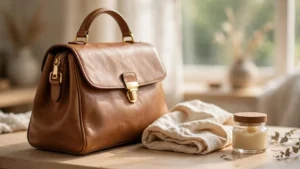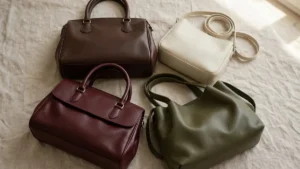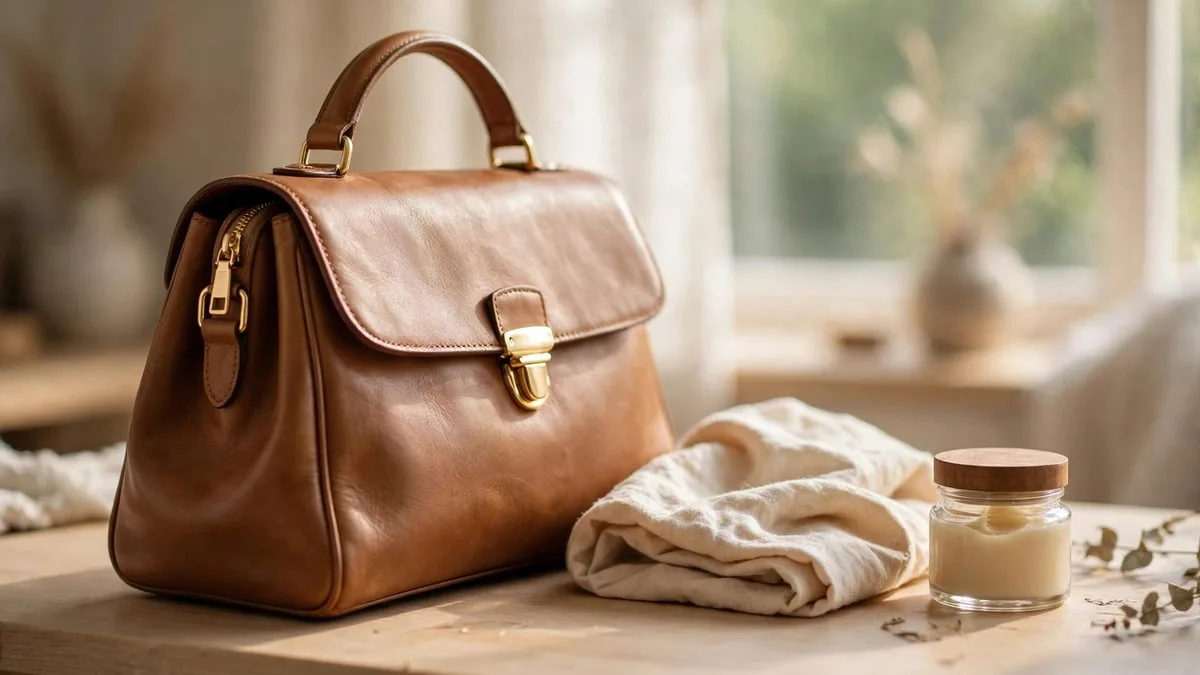
A leather handbag is one of the few accessories that can genuinely get better with age. The colour deepens, the surface softens, and everyday marks settle into a patina no new bag can imitate. Neglected, though, the same bag will dry out, lose its shape and pick up stains that never quite come out.
The good news is that leather care is not complicated. Most of it is habit: a quick wipe after use, sensible storage, keeping the bag out of harsh sun and heavy rain, and a light clean and condition a few times a year. Real damage usually comes from dramatic mistakes — soaking a bag, scrubbing a stain, or drying it with heat.
This guide covers the whole routine, from the daily wipe to the seasonal clean, and from first aid for water and scratches to storage habits that keep a bag holding its shape. It applies to the smooth, full-grain and top-grain leathers most handbags are made from.
Key takeaways
- Wipe your bag with a soft, dry cloth after use.
- Test any cleaner or conditioner on a hidden spot first, and apply it to the cloth, never the leather.
- Condition smooth leather two to four times a year, buffing off the excess.
- If a bag gets wet, blot it gently and let it dry naturally, away from radiators and direct sunlight.
- Store the bag stuffed in a breathable cotton dust bag, in a cool, dry place.
Know Your Leather First
Before you clean or condition anything, know what kind of leather you have, because the right care for one type can damage another. Smooth leather — the glossy or softly grained surface on most handbags — is the most forgiving, and can usually be wiped with a barely damp cloth and conditioned with a product made for smooth leather. Full-grain leather is the top layer of the hide, and develops the richest patina.
Suede and nubuck are different. Their soft, brushed surface marks easily with water and flattens if you apply a standard conditioner, so they need specialist suede products and a brush. Coated or patent leather has a sealed surface that does not absorb conditioner; a damp cloth is usually all it needs. If you are unsure, check the care card that came with the bag, and start with a dry wipe.
The Everyday Routine That Keeps Leather Looking New

The most useful habit in leather care takes less than a minute. After carrying your bag, wipe it with a soft, dry cloth. This removes dust, grime and the traces of hand oils that would otherwise darken the handles and corners. Dust is mildly abrasive, so leaving it on the leather slowly wears the finish. No product is needed at this stage.
Handles and straps need extra attention, because they absorb oil, sweat and hand cream with every use. Wipe them more often so they do not darken faster than the rest of the bag, and check the stitching and hardware too — a loose thread caught early is a small repair. Avoid wet surfaces and rough concrete, keep the bag away from uncapped pens and open cosmetics, and do not overload it, because overfilling stretches the leather and distorts its shape.
How to Clean a Leather Handbag
A proper clean is only needed a few times a year, or after a spill or a muddy splash. Empty the bag completely and shake out the lining, checking every pocket for crumbs and dust. Wipe the outside with a soft, dry cloth first to lift loose dirt, because dirt mixed with water can be pushed deeper into the grain.
For light dirt, a cloth barely dampened with water is usually enough. Work in small areas, wiping gently in wide circles rather than scrubbing one spot. Do not soak the leather, seams or hardware. If water is not enough, use a cleaner made for leather: put a small amount on the cloth, not the bag, test it on a hidden spot such as the inside of a flap, and let it dry first. Then leave the bag to dry naturally in a ventilated room, away from radiators and direct sunlight.
How to Condition Leather (and When Not To)
Cleaning removes dirt, but conditioning keeps the leather supple. Over time, leather can turn dry, pale or stiff, and a suitable conditioner restores flexibility and helps prevent cracking. For a bag carried regularly, two to four times a year is the usual rhythm. If the leather looks dry or feels stiff, it is time; if it still feels soft, leave it alone. Too much conditioner leaves the surface greasy and attracts dirt.
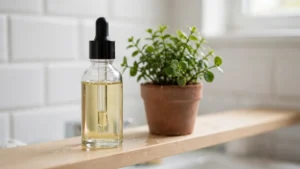
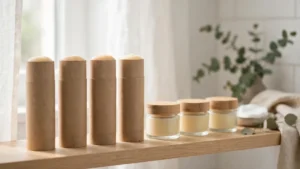
Choose a conditioner made for leather, ideally a neutral, pH-balanced cream without silicone or heavy perfume, and always patch-test it first — some darken leather, especially pale colours. Apply a small amount to a soft cloth and work it gently into the leather in circles, a panel at a time. Leave it to absorb for a few hours, then buff away the excess. Suede, nubuck and coated leathers should not be conditioned with a standard conditioner at all.
Dealing with Water, Scratches and Stains
Water is the most common emergency, and the response is simple. Blot surface water with a clean, dry towel — never rub, which spreads moisture into the grain. Stuff the bag lightly so it keeps its shape, then let it dry naturally at room temperature, away from heaters and sun. Once fully dry, a light conditioning restores softness. Never use a hairdryer or a radiator; fast drying makes leather stiff and can crack it.
Light scratches are often less serious than they look. On full-grain and oiled leathers, a faint scratch may fade if you rub it firmly with a clean fingertip. A deeper scuff may soften with a little conditioner. Coated leathers do not self-heal this way, so a matching cream polish is better. For a cut deep enough to break the surface, see a professional repairer. Choosing a bag that ages well matters too: our guide to the best investment bags of 2027 covers the styles most worth caring for long term.
Stains need different handling depending on the cause. For oil or grease, blot first, then cover the mark with cornstarch or talc overnight to absorb the oil before brushing it off. Food marks can often be lifted with crushed white chalk left overnight, then dusted away. Ink is the hardest stain to remove at home and is best left to a specialist. Whatever the stain, act quickly and gently.
How to Store a Leather Handbag
Storage matters as much as cleaning, because a bag spends far more of its life on a shelf than on your shoulder. Stuff it gently with tissue paper, a soft towel or a bag pillow to hold its shape — never with newspaper, which can transfer ink, and never so tightly that it stretches the leather. Keep the handles upright or tucked inside so they do not bend.
Store the bag in its cotton dust bag or a clean pillowcase, never in plastic. Leather needs to breathe, and trapped moisture in plastic can lead to mildew. Choose a cool, dry place away from direct sunlight, which fades colour and dries leather out, and away from radiators and damp basements. Check rarely used bags every few months: air them, wipe them down and re-stuff them if they have started to sag.
What to Avoid
Most leather damage comes from a short list of avoidable mistakes. Never use household cleaners, baby wipes, alcohol, nail polish remover or turpentine on a leather bag; these strip the finish and dry the leather out. Skip DIY recipes found online — vinegar and lemon pastes are not leather care, and they can leave marks a professional cannot easily undo.
Do not soak a bag, machine-wash it, or speed up drying with a hairdryer, a radiator or a sunny windowsill. Do not hang a heavy bag by its handles for months; store it upright or lying flat. Dark denim and new belts can transfer dye, and perfume and sunscreen should go on before you pick the bag up. Small problems deserve quick action — a loose stitch or sticking zip is far cheaper to fix early.
A Simple Care Calendar for Your Handbag
| When | What to do | Why it matters |
|---|---|---|
| After every use | Wipe with a soft, dry cloth | Removes dust and oils before they settle |
| Weekly | Wipe handles; check stitching | Handles darken fastest; faults are cheapest early |
| Monthly | Air the bag; check stored bags | Prevents mustiness and catches sagging early |
| Every two to three months | Clean lightly if marked | Keeps dirt from bonding with the finish |
| Two to four times a year | Clean and condition smooth leather | Keeps leather supple; helps prevent cracking |
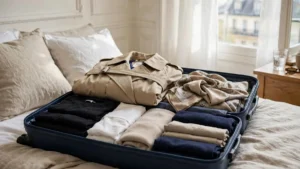
| Before a trip | Clean, condition, pack in dust bag | Protects from knocks and dry cabin air |
| After rain or a spill | Blot, stuff and dry naturally | Stops water marks and shape loss |
| Once a year | Review the collection; repair faults | Keeps every bag wearable |
That calendar is deliberately light. The bags that last longest belong to owners who do a little, often. If you keep only one habit from this guide, make it the wipe after every use. If you are building a small collection for daily life, our round-up of the best versatile bags of 2027 is a useful place to start.
Your Leather Handbag Care Checklist
- Soft, dry cloth for a quick wipe after use.
- A horsehair brush and two clean cotton cloths.
- A leather cleaner and conditioner suited to your bag, patch-tested first.
- Acid-free tissue paper or a bag pillow to hold its shape.
- A breathable cotton dust bag for storage — never plastic.
- A cool, dry shelf out of direct sunlight.
Frequently Asked Questions
How often should I condition a leather handbag?
Two to four times a year is right for most smooth-leather bags in regular use — more often in a dry climate, less often in a humid one. If the leather looks dry or feels stiff, it is time; if it still feels soft, wait.
Can I clean a leather handbag with water?
Yes, in small amounts. A barely damp cloth is safe for most smooth leathers if you work in small areas and let the bag dry naturally. Never soak the leather. Suede and nubuck should not be cleaned with water.
How do I get a water stain out of a leather bag?
Blot gently, then wipe the whole panel lightly with a damp cloth. Let it dry naturally at room temperature, away from heat and sun, and condition lightly once fully dry.
What should I do if my leather bag gets caught in the rain?
Blot off surface water, stuff the bag lightly, and let it dry naturally at room temperature. Do not use a hairdryer or a radiator — fast drying makes leather stiff and can crack it.
Can I use baby wipes on a leather handbag?
No. Baby wipes often contain chemicals that can strip the finish or discolour leather over time. Use a soft, dry cloth for daily wiping and a leather cleaner when a proper clean is needed.
How should I store a leather handbag I rarely use?
Stuff it gently to hold its shape, place it in a breathable cotton dust bag, and keep it in a cool, dry place out of direct sunlight. Check it every few months. Never store it in plastic.
The bottom line
Caring for a leather handbag comes down to a few gentle habits repeated over time. Wipe it after use, clean and condition it a few times a year, keep it dry and out of harsh sun and heat, and store it stuffed in a dust bag. Together, they are the difference between a bag that looks tired after two seasons and one that still turns heads after ten years.
Leather is a natural material, and it will change as you use it — that is part of its charm. The goal is not to keep a bag looking brand new forever, but to let it age gracefully. The same habits protect other leather pieces too, from the best leather jackets for women in 2027 to belts and wallets.
Note: Always patch-test any cleaner or conditioner on a hidden area first, and for valuable or badly damaged bags, consult a professional leather specialist before attempting a repair at home.