A garden retreat is a different kind of luxury from a beach resort or a city hotel. There is no queue for a sunbed, no lobby noise, and no pressure to fill the day. Instead, there are walled gardens, shaded terraces, old trees, and the simple pleasure of walking slowly through a place that was designed to be looked at. The best garden retreats are hotels and estates where the garden is not decoration, it is the reason to go.
What makes a garden retreat work is the balance between the garden and the stay. The nine places below earn their place because the garden shapes the whole visit, from where you eat breakfast to how you spend a quiet afternoon, and because the rooms, the food, and the service are good enough that you never need to leave the grounds.
Below are nine luxury garden retreats worth considering in 2027, from a Renaissance villa on Lake Como to a walled garden hotel in Marrakech and a jungle garden resort in Bali. Each one is described by what it does well, what to watch for, and who it suits best, so you can choose a garden that matches how you actually like to spend a holiday, not just how it looks in a photograph.
Key takeaways
- A true garden retreat is one where the garden shapes the stay, not a hotel with a few flower beds added as decoration.
- The best time to visit depends on the garden: spring for flowers, early summer for long evenings, and autumn for colour and quieter grounds.
- Choose by garden style first, because a formal Italian garden, a wild English garden, and a tropical garden give very different holidays.
- Book garden-facing rooms early, as they are usually the first to go, and ask what is actually in bloom on your dates.
- No garden retreat guarantees perfect weather or peak bloom, and a garden can be partly closed for maintenance, so check before you book.
What a luxury garden retreat actually is
A luxury garden retreat is a hotel or estate where the garden is the main attraction and the stay is built around it. That usually means several acres of designed landscape, mature trees, water features, and places to sit that are not an afterthought. It also means the garden is cared for by people who know it, often with a head gardener, seasonal planting, and paths that invite a slow walk rather than a quick photo.
The difference from a standard luxury hotel is the pace. Garden retreats are quieter by design. Days are shaped by light and weather rather than by an activity schedule. Breakfast is taken outside when the weather allows, afternoons are spent reading under a tree or walking the grounds, and evenings end with a drink on a terrace as the garden cools.
There are several kinds of garden to choose from, and the style matters more than the star rating. A formal Italian garden, with terraces, fountains, and clipped hedges, feels grand and structured. An English country garden feels softer, with herbaceous borders, lawns, and walled kitchen gardens. A tropical garden is lush and scented, with frangipani, palms, and water. Pick the garden that suits your mood, and the rest of the stay usually follows.
How we chose these retreats and what to look for
Look first at the garden itself. How large is it, who designed it, and is it genuinely part of the guest experience or only visible from a distance? A garden you can walk through, sit in, and eat in is worth far more than a garden you can only admire from a window. Check whether there are guided garden walks, a kitchen garden that supplies the restaurant, and shaded seating that is actually comfortable for an afternoon.
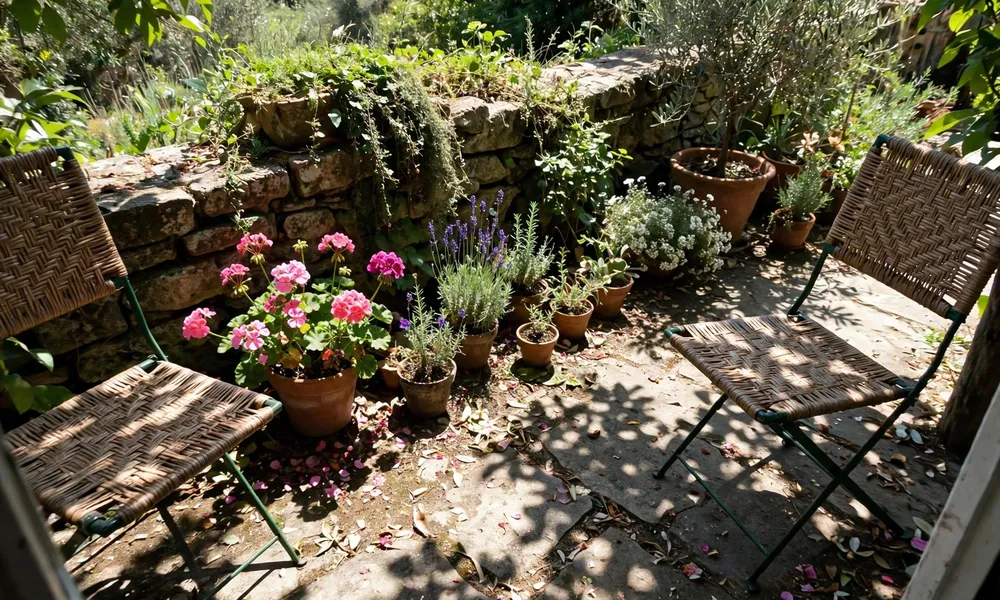
Look next at the rooms and the setting. A garden-facing room, a private terrace, or a balcony over the grounds changes the stay completely, and those rooms are usually limited, so book early. Check the distance from the garden to the restaurant and the spa, because a retreat spread across a large estate can mean long walks in the heat. Our guide to luxury meadow retreats makes a similar point about open landscapes, and the same logic applies here: the setting is the holiday, so choose it deliberately.
Finally, look at the season. Gardens are seasonal in a way that beaches are not. Spring brings bulbs and blossom, early summer brings roses and long light, and autumn brings colour and quiet. Ask the hotel what will be in bloom on your dates, and whether any part of the garden will be closed for work.
The 9 best luxury garden retreats of 2027
Villa d’Este, Lake Como, Italy
What we like: A Renaissance villa with ten acres of terraced gardens above Lake Como, full of cypress trees, fountains, and a floating pool on the lake. The garden is one of the great historic gardens of Italy, and it feels grand without feeling stiff. What to consider: It is one of the most expensive stays on this list, and the gardens are busy in high summer. Best for: Couples and garden lovers who want a classic Italian garden. Style: Formal Italian, terraced, with fountains and lake views. Price range: From around £700 a night in low season. Standout feature: The terraced garden and the floating pool on the lake.
Le Manoir aux Quat’Saisons, Oxfordshire, England
What we like: Raymond Blanc’s country house hotel, where the gardens are as famous as the restaurant. There is a walled kitchen garden, a herb garden, a Japanese garden, and an orchard, all of which supply the kitchen. What to consider: The dining room is the centre of the stay, so book a table when you book the room. Best for: Food lovers who want to eat from the garden they are walking through. Style: English country garden with a working kitchen garden. Price range: From around £600 a night. Standout feature: The kitchen garden and the two-Michelin-star restaurant it feeds.
Cliveden House, Berkshire, England
What we like: A grand country house set in 376 acres of gardens and parkland above the Thames, with a parterre, a water garden, woodland walks, and a maze. The scale is generous, so the gardens never feel crowded. What to consider: The house is large and formal, so it suits a special occasion more than a casual weekend. Best for: Special occasions and long garden walks. Style: Formal English, with a parterre, water garden, and woodland. Price range: From around £500 a night. Standout feature: The parterre and the water garden, both designed for long views.
La Mamounia, Marrakech, Morocco
What we like: A palace hotel set in twenty acres of walled gardens in the middle of Marrakech, with olive trees, orange trees, roses, and a long pool. Stepping from the city into the gardens feels like entering another world. What to consider: Marrakech is very hot in summer, so spring and autumn are the best garden months. Best for: Travellers who want a green, quiet garden in a busy city. Style: Moroccan garden, with olive and orange trees, roses, and water. Price range: From around £500 a night. Standout feature: The twenty-acre walled garden, one of the largest hotel gardens in the world.
Ashford Castle, County Mayo, Ireland
What we like: A castle hotel on 350 acres on the shores of Lough Corrib, with walled gardens, woodland, and a falconry school. The gardens are softer and wilder than a formal garden, and the setting is dramatic. What to consider: Irish weather is changeable, so pack for rain even in summer. Best for: Families and walkers who want a large estate to explore. Style: Irish estate garden, with walled gardens and woodland. Price range: From around £600 a night. Standout feature: The walled gardens and the 350-acre estate on the lake.
Borgo Egnazia, Puglia, Italy
What we like: A village-style resort built from local stone, set among olive groves and Mediterranean gardens, with a spa, a beach club, and a golf course. The gardens are planted with lavender, rosemary, and olive trees, and the whole resort feels calm and unhurried. What to consider: It is a large resort, so it is less intimate than the smaller hotels on this list. Best for: Families and groups who want a garden resort with space. Style: Mediterranean garden, with olive groves, lavender, and herbs. Price range: From around £500 a night. Standout feature: The olive groves and the Mediterranean planting throughout the resort.
The Oberoi Udaivilas, Udaipur, India
What we like: A palace hotel on the banks of Lake Pichola, with domes, courtyards, fountains, and gardens planted with frangipani and bougainvillea. The gardens are formal and scented, and the lake views are extraordinary. What to consider: Udaipur is very hot from April to June, so winter is the best season. Best for: Couples and honeymooners who want a romantic garden palace. Style: Mughal-inspired garden, with courtyards, fountains, and scented planting. Price range: From around £450 a night. Standout feature: The lakeside gardens and the domed pavilions.
Belmond Hotel Splendido, Portofino, Italy
What we like: A hillside hotel above Portofino harbour, with terraced gardens, a pool, and views across the bay. The gardens are Mediterranean and fragrant, with pines, jasmine, and olive trees. What to consider: Portofino is small and very busy in summer, so the gardens are a welcome escape from the harbour crowds. Best for: Couples who want a glamorous garden above the sea. Style: Mediterranean terraced garden, with pines and jasmine. Price range: From around £800 a night. Standout feature: The terraced gardens and the view over Portofino harbour.
Four Seasons Resort Bali at Sayan, Ubud, Indonesia
What we like: A jungle garden resort in a river valley near Ubud, with villas set among rice fields, frangipani, and lotus ponds. The gardens are tropical and dense, and the sound of the river runs through the whole resort. What to consider: The resort is spread across a steep valley, so there are steps and slopes to navigate. Best for: Couples and wellness travellers who want a tropical garden escape. Style: Tropical jungle garden, with rice fields, lotus ponds, and frangipani. Price range: From around £600 a night. Standout feature: The lotus pond and the jungle garden setting in the river valley.
Which garden retreat is right for you
Start with the garden style, because that sets the mood of the whole holiday. If you want grandeur and history, choose a formal Italian garden like Villa d’Este or a grand English estate like Cliveden. If you want food and a working garden, Le Manoir is the obvious choice, because the kitchen garden is part of the stay. If you want warmth and scent, La Mamounia or the Oberoi Udaivilas will suit you better than a cool English garden.
Think next about how much space you want. A large estate like Ashford Castle or Cliveden gives you hours of walking without leaving the grounds, which suits families and walkers. A smaller, more intimate garden like Le Manoir or Hotel Splendido suits a short break, where the garden is a backdrop to meals and rest rather than a landscape to explore. Our guide to luxury hilltop retreats is worth reading alongside this one if you like elevated views, because several of the gardens here also sit high above their surroundings.
Finally, match the season to the garden. Spring is best for English gardens and for Marrakech, when the roses are out and the heat has not arrived. Early summer is best for Italian gardens, when the terraces are in full leaf and the evenings are long. Autumn is best for Ireland and for the Mediterranean, when the crowds thin and the light turns golden. Winter suits Udaipur and Bali, where the gardens are green year-round and the weather is kindest when Europe is cold.
The caveats that matter
Garden retreats are seasonal, and that is both their charm and their risk. A garden photographed in June will look different in October, and a garden that is glorious in spring can be quiet in winter.
| Detail | What is known |
|---|---|
| Best season for most gardens | Spring for flowers, early summer for long evenings, autumn for colour and quiet |
| Best season for Marrakech and Udaipur | Spring and autumn in Marrakech, winter in Udaipur, when the heat is kinder |
| Best season for Bali | Year-round, with the driest months from April to October |
| What to ask before booking | What is in bloom, whether any garden areas are closed, and whether outdoor dining is open |
| Rooms to book first | Garden-facing rooms and private terraces, which are usually the first to sell out |
| Who should avoid a garden retreat | Travellers who want nightlife, shopping, or a busy beach scene close by |
| Accessibility to check | Steps, slopes, and distances across large estates, especially in steep or terraced gardens |
| What it does not guarantee | Peak bloom, perfect weather, or a garden free of maintenance work |
If you have limited mobility, check the garden layout before you book. Terraced Italian gardens, steep jungle resorts, and large estates can involve many steps and long walks. A garden retreat should be restful, and that starts with knowing you can move around it easily.
Checklist: choosing a luxury garden retreat honestly
Use these checks before you book, and again before you travel.
- Check the garden style: formal Italian, English country, Moroccan, Mediterranean, or tropical, and choose the one that suits your mood.
- Check what will be in bloom on your dates, and whether any part of the garden will be closed for maintenance.
- Check the room: ask for a garden-facing room or a private terrace, and book it early.
- Check the distances: how far is the garden from the restaurant, the spa, and your room, and are there steps or slopes?
- Check the season: match your dates to the garden, not just to the flight price, because a garden in the wrong season is a different holiday.
- Check the pace: if you want nightlife or a busy beach, a garden retreat will feel too slow, so choose a different kind of stay.
Frequently asked questions
What is the best time of year to visit a garden retreat?
Spring is usually best for flowers, early summer for long evenings, and autumn for colour and quieter grounds. Winter suits warm-climate gardens like Udaipur and Bali.
Are garden retreats suitable for children?
Often yes, especially large estates like Ashford Castle and Borgo Egnazia, which have space to explore and activities on site. Smaller, more formal hotels like Hotel Splendido suit adults better. Check the hotel’s family policy and whether the gardens are safe for younger children.
Do I need to book garden tours in advance?
Guided garden walks are often included, but private tours and garden experiences can sell out, especially in spring. Ask when you book whether tours are included, and reserve a place if you want a guided walk with the head gardener.
How much should I budget for a luxury garden retreat?
Most of the retreats on this list start at around £450 to £800 a night, before meals and activities. Garden-facing rooms, suites, and peak-season dates cost more. Budget separately for meals, spa treatments, and transfers, which are rarely included.
Can I visit the gardens without staying at the hotel?
Sometimes. Some gardens, like those at Villa d’Este, welcome day visitors, while others are for guests only.
What should I pack for a garden retreat?
Comfortable walking shoes, layers for cool mornings and evenings, and sun protection for midday. Our guide to luxury valley retreats has similar packing advice for stays built around the landscape.
The bottom line
The best luxury garden retreat in 2027 is not the most expensive or the most famous. It is the one whose garden suits how you like to spend a day, in the season you are travelling, at a pace that feels restful rather than empty.
Choose the garden first, ask what will be in bloom, book a garden-facing room early, and leave enough time in the day to do nothing much at all. That is what a garden retreat is for, and it is the part of the holiday you will remember longest.