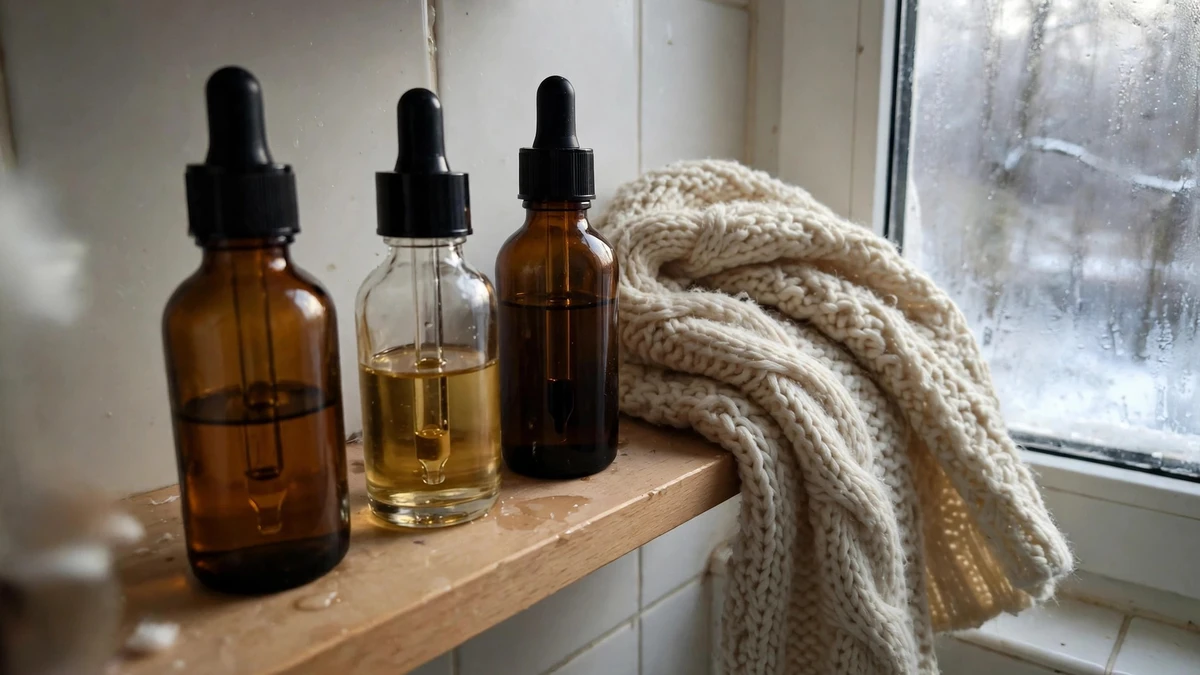

Winter is the hardest season on hair. Cold air outside pulls moisture out of the strands, heated air inside dries them further, and the swing between the two leaves ends brittle, static-prone and dull. Hats and scarves add friction, and by February many people notice more breakage, more flyaways and a scalp that feels tight and flaky.
A hair oil cannot fix winter, but it can give hair a buffer against it. A few drops smooth the cuticle, slow moisture loss and make ends look healthier between washes. The right oil for winter is usually a little richer than a summer one, because cold, dry air asks more of it, but it still has to absorb rather than sit on the surface.
Below are nine hair oils worth considering for winter 2027, from a classic argan treatment to a heavy castor oil for very dry ends. Each one is described by what it does well, what to watch for, and who it suits best, so you can choose with your hair type and your winter in mind, not just a bestseller list.
Key takeaways
- Cold, dry air and indoor heating strip moisture from hair, so winter calls for richer, more sealing oils than summer.
- Apply oil to damp hair first for the best result; on dry hair it works as a finisher, not a treatment.
- Fine hair needs a drop or two of a light oil; thick or curly hair can take more and heavier formulas.
- A weekly pre-wash oiling protects ends from winter washing and brushing better than daily top-ups alone.
- Oil does not regrow hair or repair split ends permanently, and too much of it will weigh hair down and attract dirt.
What winter actually does to hair
Hair is mostly protein and water, and winter attacks the water part. Cold air holds very little moisture, so it draws water out of the hair shaft. Indoors, central heating and radiators push humidity down further, often below 30 percent, which is dry enough to leave hair feeling rough and straw-like by the end of the day.
The damage shows up in familiar ways. Ends split more easily because dry hair is less flexible. Static builds up because dry hair holds a charge, especially under wool hats and synthetic scarves. The scalp can flake, not always from dandruff but from simple dryness, and colour-treated hair fades faster when the cuticle is raised and rough.
Washing habits make it worse. Hot showers feel good in January, but hot water strips the scalp’s natural oils and leaves hair more exposed. Washing every day in winter is usually too much for most hair types, and going outside with wet hair in freezing air is the fastest way to make it brittle.
There is also the matter of hats. A wool hat keeps you warm, but the fibres rub against the hair shaft all day, lifting the cuticle and creating the frizz that appears the moment the hat comes off. A silk or satin lining under the hat helps, and so does a light layer of oil on the ends before you go out, because the oil reduces the friction that causes the damage in the first place.
How we chose these oils and what to look for
Look first at the base oil and the weight. Argan, camellia and squalane-based oils are light and absorb well, which suits fine and straight hair. Heavier oils such as castor and avocado coat the strand more thickly, which suits thick, curly or very dry hair that needs a stronger barrier against cold air. In practice, that means checking the first ingredient on the bottle rather than the marketing on the front, because a light oil with a heavy fragrance can still weigh fine hair down.
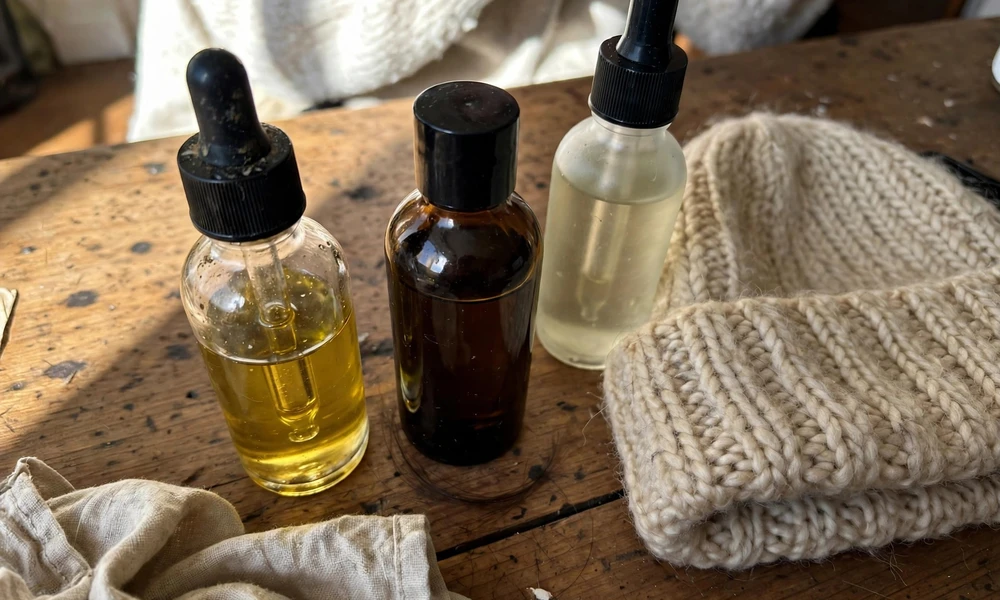
Look next at the finish. A good winter oil should leave hair softer and shinier without a greasy film. If your hair still looks wet an hour after applying, you used too much or the oil is too heavy for your hair type. Fragrance matters too in winter, when you wear the scent under a hat and scarf all day; a light, clean scent is usually the safer choice. Our guide to how to use hair oil explains the basic technique, and the same steps apply in winter, with a few cold-weather adjustments.
Finally, look at the bottle and the dropper. A dropper or pump that gives you a measured amount stops you pouring out too much, which is the most common winter hair-oil mistake. A dark glass bottle protects the oil from light, and a size you will finish within a few months keeps it fresh. If you buy in winter, keep the bottle somewhere warm enough that the oil stays fluid, because a cold oil pours badly and is easy to over-apply.
The 9 best hair oils for winter 2027
Moroccanoil Treatment Original
What we like: The classic argan oil treatment, light enough for most hair types, with a warm amber scent that suits winter. It smooths flyaways and adds shine without a heavy feel.
What to consider: It is not the cheapest option, and very thick or curly hair may need a second drop. Best For: Normal to thick hair. Material: Argan oil. Price Range: £30–£40. Standout Feature: The original argan treatment, reliable in cold weather.
A safe first choice if you want one oil for the whole winter. It also layers well under a hat, which is where most winter oils are really tested.
Kérastase Elixir Ultime L’Huile Originale
What we like: A camellia and argan blend that feels silky rather than greasy, with a polished finish that holds up under a hat.
What to consider: Premium price, and the shine can look too glossy on very fine hair if you use more than a drop. Best For: Dull, medium to thick hair. Material: Camellia and argan oils. Price Range: £35–£45. Standout Feature: High-shine finish that lasts through the day.
Best for evenings and events, when you want hair to look deliberately polished. It is the one to reach for when the evening matters more than the morning commute.
Olaplex No.7 Bonding Oil
What we like: Very light and fast-absorbing, with heat protection built in, which helps when winter styling means more blow-drying.
What to consider: It is a treatment oil rather than a heavy sealer, so very dry ends may still want something richer on top. Best For: Fine to medium hair. Material: Bonding oil with sunflower seed oil. Price Range: £25–£30. Standout Feature: Lightweight with heat protection up to 230°C.
The right pick for fine hair that cannot carry a heavy oil. It also works well as a second layer over a richer pre-wash treatment.
Gisou Honey Infused Hair Oil
What we like: Honey gives this oil a slightly richer feel that suits winter, and it tames frizz well in damp, cold air.
What to consider: The honey scent is noticeable, and the texture is a little stickier than a pure argan oil. Best For: Frizzy, wavy or curly hair. Material: Honey and Mirsalehi honey. Price Range: £35–£45. Standout Feature: Honey-infused formula that seals in moisture.
A good winter choice for hair that frizzes the moment it meets cold, damp air. The scent fades within an hour, which is a relief if you wear a scarf all day.
Davines OI Oil
What we like: Roucou oil gives this a soft, almost creamy finish, and a little goes a long way, so the bottle lasts through the season.
What to consider: It is richer than most, so fine hair should use half a pump at most. Best For: Coarse or thick hair. Material: Roucou oil. Price Range: £30–£40. Standout Feature: Rich, softening finish that controls static.
Particularly useful for thick hair that turns to static under a wool hat. A single pump is enough for most hair, so the bottle will still be going in March.
Amika Glass Action Universal Elixir
What we like: A light, glass-like shine without weight, which works well as a daily winter finisher over a richer treatment.
What to consider: It is more of a shine product than a deep treatment, so it will not rescue very damaged ends on its own. Best For: All hair types, especially dull hair. Material: Sea buckthorn and squalane. Price Range: £20–£30. Standout Feature: Glass-like shine with no greasy residue.
Use it as the last step, after a heavier oil has done the protective work. It is best saved for days when your hair is already in decent shape and just needs polish.
SheaMoisture 100% Pure Jamaican Black Castor Oil
What we like: Thick, heavy and deeply sealing, this is the strongest winter barrier in this list, and it is also the cheapest per millilitre.
What to consider: It is very heavy and slow to absorb, so it suits a pre-wash treatment or the very ends only, never the roots. Best For: Very dry, curly or coily hair. Material: Jamaican black castor oil. Price Range: Under £10. Standout Feature: The heaviest seal in this roundup, at a budget price.
Keep it for ends and pre-wash treatments, and it will carry dry hair through the coldest weeks. A little goes a long way, so start with less than you think you need.
Virtue Healing Oil
What we like: A blend built around the brand’s keratin protein, it smooths and protects without a heavy feel, and it layers well under styling products.
What to consider: Premium price for a small bottle, and the effect is subtle rather than dramatic. Best For: Damaged or colour-treated hair. Material: Keratin protein blend with baobab and amaranth oils. Price Range: £35–£45. Standout Feature: Protein-based smoothing that supports damaged hair.
A sensible winter pick if your hair is already damaged and needs gentle handling. It is also one of the few oils here that does not leave a trace on a silk scarf.
Bumble and bumble Hairdresser’s Invisible Oil
What we like: A feather-light oil that disappears into the hair, with UV filters that still matter on bright winter days, and a soft, clean scent.
What to consider: It is so light that very thick hair may need a second application, and it is not a deep treatment. Best For: Fine to medium hair. Material: Coconut, argan and macadamia oils. Price Range: £30–£40. Standout Feature: Invisible finish with UV protection.
The lightest oil here, and the best one for fine hair that hates the feeling of product. It is the easiest oil in this list to use every day without building up.
Which winter oil is right for your hair
Fine hair should stay with light oils such as Olaplex No.7 or Bumble and bumble Invisible Oil, one or two drops at most, applied to damp hair. Anything heavier will flatten it and make it look unwashed by lunchtime. Our roundup of the best hair oils for dry hair is a useful cross-check, because winter dryness and year-round dryness respond to similar formulas.
Thick, curly or coily hair can take the heavier end of the list. Castor oil, Davines OI Oil and Gisou work well here, and a pre-wash oiling once a week does more than daily top-ups. Apply to the mid-lengths and ends, where winter damage concentrates, and keep oil away from the scalp unless it is flaking and needs it.
Colour-treated hair needs an oil that protects without stripping colour. Look for a light, colour-safe formula and avoid anything gritty or heavily fragranced. If frizz is your main winter problem, a smoothing oil used on damp hair before blow-drying will do more than any amount applied to dry hair afterwards. Our guide to the best hair oils for frizzy hair covers the frizz-first options in more detail.
The caveats that matter
Hair oil is a useful winter tool, but it has limits. It cannot repair a split end, it cannot regrow hair, and it cannot replace a haircut when the ends are badly damaged. What it can do is slow moisture loss, reduce friction and make hair look and feel healthier while it grows out.
| Detail | What is known |
|---|---|
| Best time to apply | On damp hair after washing, with a small top-up on dry ends between washes |
| How much to use | One to three drops for fine hair, three to five for thick or curly hair |
| Where to apply | Mid-lengths and ends first, scalp only if it is dry and flaking |
| What to avoid | Applying oil to the roots, which makes hair look flat and greasy |
| Pre-wash treatment | Once a week, 30 minutes before shampooing, on the ends |
| Hats and scarves | Oil helps reduce friction, but silk or satin lining helps more |
| When to stop | If your scalp itches, flakes more, or breaks out, cut back and rinse well |
| What oil cannot do | It cannot repair split ends or regrow hair, only protect what is there |
If you have a sensitive scalp, patch-test a new oil behind your ear for a day before using it all over. Essential-oil blends can irritate, and a heavy oil left on the scalp overnight can clog follicles and make flaking worse rather than better.
Checklist: using hair oil in winter honestly
Use these checks before you buy, and again after two weeks of winter use.
- Check the weight: light oils for fine hair, heavier oils for thick or curly hair.
- Check the amount: start with one drop, add a second only if the ends still feel dry.
- Check the timing: damp hair absorbs oil best, dry hair only needs a finishing touch.
- Check the ends: if they still split, book a trim, because no oil repairs them.
- Check the scalp: oil on the roots makes hair look greasy and can worsen flaking.
- Check the hat: a silk or satin lining under a wool hat does more for frizz than extra oil.
Frequently asked questions
Should I use hair oil every day in winter?
Most people do not need to. Two or three times a week on damp hair is enough, with a small top-up on the ends on cold, dry days. Daily use is fine for very thick or curly hair, but fine hair will look flat if oiled every day.
Can I put hair oil on dry hair?
Yes, but use less. A drop smoothed over the ends tames flyaways and adds shine. Oil on dry hair sits on the surface rather than absorbing, so it works as a finisher, not a treatment.
Will hair oil make my hair greasy in winter?
It can, if you use too much or put it on the roots. One or two drops on the mid-lengths and ends should absorb within an hour. If your hair still looks wet after that, use half as much next time.
Is castor oil too heavy for winter?
For most hair it is too heavy for daily use, but it is excellent as a weekly pre-wash treatment on the ends, especially for very dry, curly or coily hair. Keep it away from the roots.
Does hair oil protect against cold weather?
It helps. Oil seals the cuticle and slows moisture loss, which reduces brittleness and static. It is not a substitute for a hat, and it cannot stop damage from going outside with wet hair in freezing air.
Can I use hair oil with a hat on?
Yes, and it helps. A light layer of oil reduces the friction between hair and a wool hat, which is one of the main causes of winter breakage and frizz. A silk scarf or lining under the hat helps even more.
The bottom line
The best hair oil for winter 2027 is the one that matches your hair’s weight and your winter’s dryness. Fine hair needs a light oil used sparingly, thick or curly hair can take something richer, and very dry ends benefit from a weekly pre-wash treatment more than from daily top-ups.
Choose one oil, use it on damp hair two or three times a week, keep it off the roots, and judge it after three weeks, not three days. That is the honest way to get through winter with softer, calmer hair, without the greasy, weighed-down feeling that comes from using too much of the wrong oil.