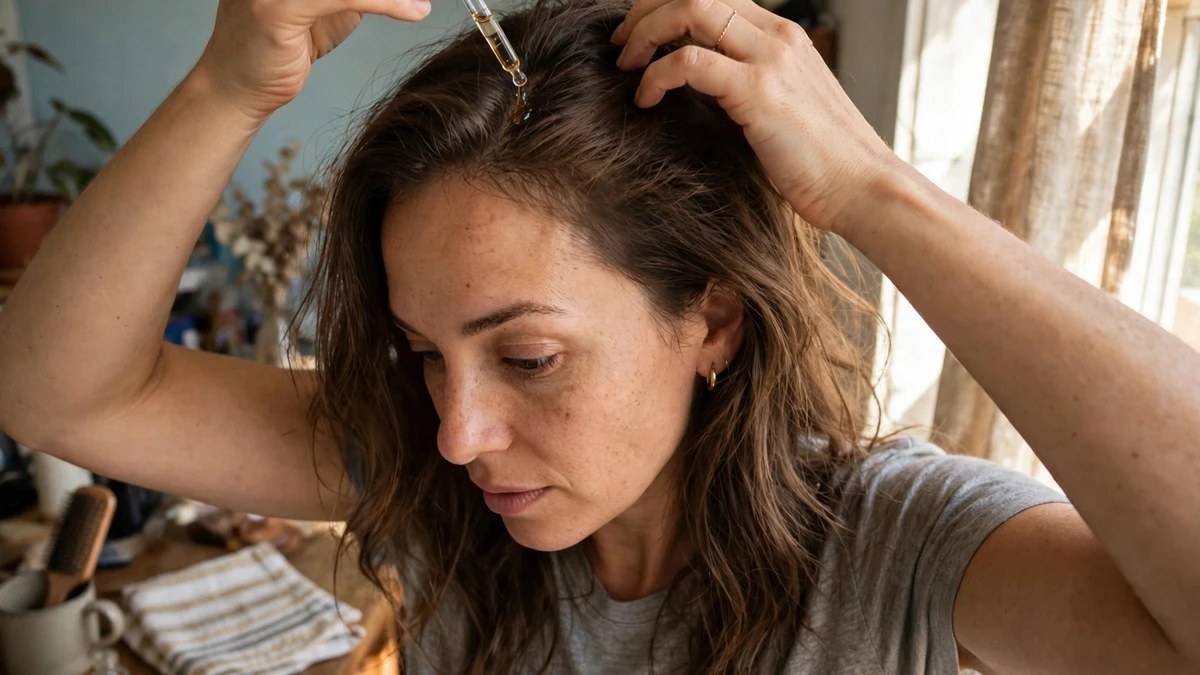

Dry hair does not need more products. It needs the right oil, used the right way, often enough to make a difference. When hair is dry, the outer cuticle lifts and lets moisture escape, which is why it looks dull, feels rough, and tangles at the slightest provocation. A good hair oil smooths that cuticle, seals in the moisture that is already there, and adds a soft shine that no amount of brushing can fake.
That is why this guide is organised by hair type and concern, not just by popularity. A light, fast-absorbing oil can be transformative for fine, dry hair and far too little for thick, coarse hair that drinks moisture. A rich, heavy oil can rescue bleached ends and overwhelm a short bob.
Below are nine hair oils for dry hair worth considering in 2027, from a classic argan treatment to lightweight formulas for fine hair and rich blends for very dry, coarse hair. Each one is described by what it is good at, what to watch for, and who it suits best, so you can choose with your hair in mind, not just a bestseller list.
Key takeaways
- Hair oil works by smoothing the cuticle and sealing in moisture, not by adding water to the hair, so it works best on damp hair or over a leave-in conditioner.
- Fine, dry hair needs a light oil used sparingly, while thick, coarse, or bleached hair can handle richer blends and larger amounts.
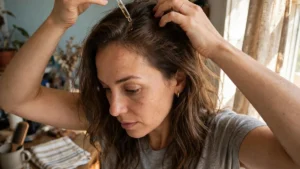
- Apply oil to the lengths and ends first, and keep it away from the roots unless you are doing a pre-wash treatment.
- A few drops are usually enough. More oil does not mean more moisture, and excess oil is the most common reason hair looks greasy after oiling.
- No oil repairs split ends or reverses chemical damage, and an oil that smells rancid, feels sticky, or leaves buildup after washing should be replaced.
What dry hair actually needs from an oil
Dry hair is usually hair that has lost its natural lipids, the fats that keep the cuticle flat and the fibre flexible. That can happen slowly, from washing too often with strong shampoo, from heat styling, from colour or bleach, or simply from age and weather. Once the cuticle is raised, moisture escapes easily, and the hair shaft becomes rough, porous, and prone to breakage. An oil cannot put water back into the hair on its own, but it can coat the shaft, smooth the cuticle, and slow the moisture loss that makes dryness worse.
The best oils for dry hair share a few qualities. They spread easily, absorb without leaving a heavy film, and contain fatty acids that hair can actually use, such as oleic acid in argan and camellia oils, or the smaller molecules in coconut oil that can pass into the hair shaft. A plant oil with no silicones is often the better choice if you wash gently and rarely clarify.
Texture matters as much as ingredients. A thin, dry oil suits fine hair because it adds shine without weight. A thicker oil, or a blend with shea or castor, suits coarse, curly, or very dry hair because it provides a heavier seal and more slip for detangling.
How we chose these oils and what to look for
Look first at the base oil and the weight. Argan, camellia, and squalane are light and versatile. Coconut and olive are richer and better for thick or very dry hair. Jojoba is close to the skin’s own sebum, which makes it a good choice if your scalp is also dry. Avoid oils that are mostly mineral oil or heavy fragrance if you want real conditioning rather than a temporary shine.
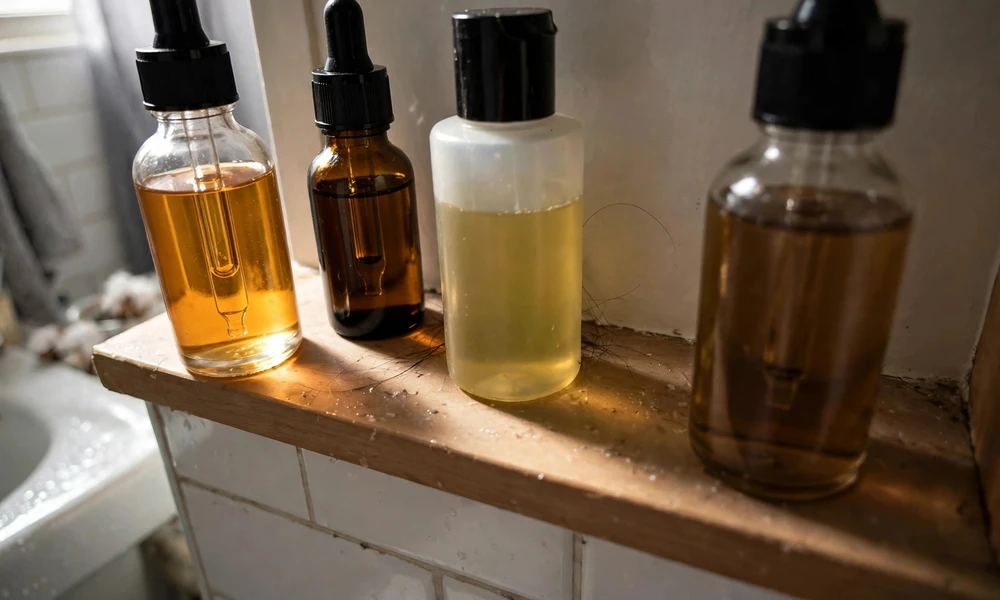
Look next at the format. A pump or dropper gives you control over the amount, which matters more than it sounds, because the difference between soft hair and greasy hair is often a single extra drop. A solid oil balm suits travel and very dry ends, but it is easy to over-apply, so warm only a small amount between your palms first.
Finally, look at the scent and the price per millilitre. You will smell a hair oil all day, so choose a fragrance you like, or a fragrance-free option if you are sensitive to scent. Our guide to protecting hair while sleeping explains why an oil applied at night, on a silk pillowcase, often works better than one applied in a rush in the morning.
The 9 best hair oils for dry hair of 2027
Moroccanoil Treatment Original
What we like: A classic argan-oil treatment that smooths frizz, adds shine, and absorbs quickly, with a warm, familiar scent and a formula that suits most hair types.
What to consider: It contains silicones, so it can build up if you never clarify, and the scent is strong for anyone who prefers fragrance-free products. Best For: Most dry hair, especially frizz-prone lengths. Material: Argan oil with silicones and linseed extract. Price Range: Mid to premium, around $35 to $50. Standout Feature: The most widely used argan treatment, with a texture that works on damp or dry hair.
A strong first choice for dry hair that needs reliable smoothing and shine.
Kérastase Elixir Ultime L’Huile Originale
What we like: A light, fast-absorbing blend of argan, camellia, and marula oils that leaves hair glossy without weight, with a soft floral scent and a pump that dispenses the right amount.
What to consider: Premium price, and the shine can look too polished if you use more than two pumps on fine hair. Best For: Dry, dull hair that needs shine without heaviness. Material: Argan, camellia, and marula oils. Price Range: Premium, around $50 to $65. Standout Feature: A feather-light finish that suits fine to medium dry hair.
One pump is enough for most hair; two is the maximum for thick hair.
Olaplex No.7 Bonding Oil
What we like: A highly concentrated, weightless oil that smooths frizz, adds shine, and is designed for damaged, bleached, or chemically treated hair, with heat protection up to 450 degrees Fahrenheit.
What to consider: Very concentrated, so one drop too many can look greasy on fine hair, and the bottle is small for the price. Best For: Damaged, bleached, or very dry hair. Material: Bis-aminopropyl diglycol dimaleate with grape seed oil. Price Range: Premium, around $30 for 30 ml. Standout Feature: Built-in heat protection, which makes it useful before blow-drying.
A good choice for bleach or colour damage. Start with a single drop.
Gisou Honey Infused Hair Oil
What we like: A honey-infused oil that smells soft and sweet, smooths flyaways, and leaves hair feeling supple rather than slick, with a pretty bottle and a dropper for control.
What to consider: The honey scent lingers, which not everyone likes, and it is richer than a dry oil, so fine hair needs only one drop. Best For: Dry, wavy, or frizzy hair that needs softness and control. Material: Honey, argan, and sunflower oils. Price Range: Premium, around $45 to $60. Standout Feature: Honey as a humectant, which helps hair hold on to moisture.
It works best on damp hair, smoothed through the ends.
The Ordinary 100% Organic Cold-Pressed Moroccan Argan Oil
What we like: A pure, single-ingredient argan oil at a very low price, fragrance-free, and versatile enough for hair, skin, and nails, with no silicones or added fragrance.
What to consider: A pure oil with no styling ingredients, so it does not control frizz as well as a blended treatment, and the dropper can dispense too much if you are not careful. Best For: Sensitive scalps and anyone who wants a pure, simple oil. Material: 100% cold-pressed Moroccan argan oil. Price Range: Budget, under $10. Standout Feature: The cheapest way to try argan oil properly, with nothing else added.
Used regularly on damp ends, it softens dryness without irritation or buildup.
Briogeo Don’t Despair, Repair! Strengthening Treatment Oil
What we like: A blend of rosehip, argan, and almond oils with ceramides, designed for dry, damaged hair, with a light texture and a clean, subtle scent.
What to consider: It is lighter than it looks, so very coarse hair may need a second application, and the bottle is smaller than some competitors. Best For: Dry, brittle hair that breaks easily. Material: Rosehip, argan, and sweet almond oils with ceramides. Price Range: Mid-range, around $30 to $40. Standout Feature: Ceramides, which support the hair’s own protective layer.
A sensible choice if your dry hair also snaps and splits.
Oribe Gold Lust Nourishing Hair Oil
What we like: A rich, fast-absorbing oil with jasmine, sandalwood, and cassis oils that leaves hair soft, glossy, and lightly scented, with a texture that suits thick and coarse hair.
What to consider: Premium price, and the fragrance is noticeable, so it is not the right choice if you prefer unscented products. Best For: Thick, coarse, or very dry hair. Material: Jasmine, sandalwood, cassis, and argan oils. Price Range: Luxury, around $55 to $70. Standout Feature: A rich, salon-style finish that holds up on coarse hair.
Use it on damp hair for the best result.
Verb Ghost Oil
What we like: A weightless, moringa-based oil that smooths frizz and adds shine without any heavy feeling, at a fair price, with a clean scent and a simple pump bottle.
What to consider: Very light, so it may not be enough on its own for very dry, coarse hair, and it works best as a finishing oil rather than a deep treatment. Best For: Fine to medium dry hair. Material: Moringa seed oil with bamboo extract. Price Range: Mid-range, around $20. Standout Feature: Genuinely weightless, which is rare in a hair oil.
It adds shine and softness without the weight that makes fine hair fall flat.
Davines OI Oil
What we like: A light, elegant oil with roucou oil that adds shine, softness, and manageability, with a warm, distinctive scent and a formula that suits most hair types.
What to consider: The scent is strong and unusual, which some people love and others do not, and the bottle is small for regular use on long hair. Best For: Dry, unmanageable hair that needs softness and shine. Material: Roucou oil with a silicone base. Price Range: Premium, around $45 to $55. Standout Feature: Roucou oil, rich in beta-carotene, which gives it its warm colour and conditioning feel.
A salon favourite that makes dry hair feel brushed and finished.
Which oil is right for your hair type
Fine, dry hair needs a light oil used sparingly. A weightless formula such as a moringa or camellia oil, one drop warmed between the palms and smoothed over the ends, adds shine without flattening the roots. Silk pillowcases for hair can help here too, because less friction overnight means less frizz to smooth out in the morning.
Thick, coarse, or curly hair can handle richer oils and larger amounts. A blend with argan, olive, or coconut, applied to damp hair before drying, seals in moisture and helps curls clump rather than frizz. Very dry, bleached, or chemically treated hair benefits most from a concentrated bonding oil or a ceramide-rich blend, used as a pre-wash treatment once a week as well as a daily finishing step.
Curly and coily hair often needs oil at two stages: a light oil to seal in a leave-in conditioner on wash day, and a heavier oil to refresh the ends between washes. The key is layering. Oil on dry, product-free hair does little.
The caveats that matter
Hair oil is well established, but it is not a cure-all. It will not repair split ends, it will not reverse chemical damage, and it will not make hair grow faster. It can also build up. Used daily without a proper wash, oil and silicone can coat the hair and the scalp, leaving hair dull and the scalp itchy.
| Detail | What is known |
|---|---|
| Best amount for most hair | Two to three drops, warmed between the palms; one drop for fine hair |
| When to apply it | On damp hair after washing, or as a pre-wash treatment 30 minutes before shampooing |
| How long to see results | Softer, shinier hair immediately; lasting dryness improves over 2 to 4 weeks of regular use |
| Who should start gently | Fine hair, oily scalps, and anyone prone to buildup; start with one drop on the ends only |
| What to avoid | Applying oil to the roots daily, and using heavy oils on fine hair |
| Storage | Cool place, away from light and heat; replace if it smells rancid or feels sticky |
| When to clarify | If hair feels coated, dull, or heavy despite washing, use a clarifying shampoo once |
| What it does not do | It does not repair split ends, reverse chemical damage, or make hair grow faster |
If you have a sensitive or flaky scalp, patch-test a new oil on a small area first, and avoid heavy oils on the scalp itself unless you are doing a short pre-wash treatment that you wash out properly. A hair botox treatment is a different kind of smoothing step, and it does not replace the daily care that keeps dry hair soft between appointments.
Checklist: choosing a hair oil honestly
Use these checks before you buy, and again after two weeks of use.
- Check the weight: light oils for fine hair, richer blends for thick, coarse, or very dry hair.
- Check the ingredients: look for a named plant oil near the top of the list, not just fragrance and silicones.
- Check the dispenser: a pump or dropper helps you use the right amount, which is usually two to three drops.
- Patch-test first: apply to a small section of ends for two to three days before using it all over.
- Start on damp hair: oil seals in moisture best when hair is slightly damp, not soaking wet or fully dry.
- Watch for buildup: if hair feels coated or heavy, wash thoroughly and clarify before blaming the oil.
Frequently asked questions
How often should I use hair oil?
Most dry hair benefits from a small amount after every wash, plus a pre-wash treatment once a week.
Should I apply hair oil to wet or dry hair?
Damp hair is best for conditioning, because the oil seals in the water that is already in the hair. A single drop on dry hair works as a finishing step to smooth flyaways and add shine, but it does not moisturise in the same way.
Can hair oil make my hair greasy?
Yes, if you use too much or apply it to the roots. Two to three drops on the lengths and ends is enough for most hair.
Is coconut oil good for dry hair?
It can be, especially for thick or coarse hair, because it penetrates the hair shaft. For fine hair it is often too heavy and can leave a coated feeling. If you try it, use a small amount as a pre-wash treatment and wash it out thoroughly.
Can I use hair oil on my scalp?
A short pre-wash scalp massage with a light oil can help a dry scalp, but daily oil on the scalp can cause buildup and itching. Do not leave heavy oil on the scalp overnight unless you wash it out well in the morning.
Does hair oil help split ends?
No. Oil can make split ends look smoother temporarily by sealing the frayed fibres together, but it cannot repair them. The only real fix for split ends is a trim. Oil helps prevent new splits by keeping the ends flexible and protected.
The bottom line
The best hair oil for dry hair in 2027 is not the most expensive or the most popular. It is the one that suits your hair type, that you will use consistently after every wash, and that leaves your hair softer without weighing it down. For fine, dry hair, a weightless oil such as a moringa or camellia blend is the smarter start. For thick, coarse, or bleached hair, a richer argan or bonding oil will feel like enough, where a light oil will not.
Choose one oil, use two to three drops on damp ends, and judge it after two weeks of regular use, not after one application. That is the honest way to get the softness and shine hair oil is known for, without the greasiness that makes people give up on it.