If your hair feels rough, dull, and impossible to smooth no matter how much conditioner you use, you have probably heard someone suggest hair botox. The name sounds dramatic, and the promise sounds almost too good: softer, shinier, frizz-free hair without a chemical straightening treatment.
The name is misleading. Hair botox contains no botulinum toxin, involves no needles, and does nothing to paralyse anything. It is a deep-conditioning treatment that borrows the Botox name as shorthand for smoothing.
This guide explains what it is, what goes into it, how it works, who it suits, what a salon appointment involves, how long it lasts, what it costs, and how it compares with keratin.
Key takeaways
- Hair botox is a deep-conditioning treatment, not an injection: it contains no botulinum toxin and no needles are involved.
- It fills gaps in the damaged cuticle with proteins, amino acids, and collagen, smoothing frizz and adding shine.
- It does not straighten hair or change your curl pattern, and it is generally formaldehyde-free, unlike many traditional keratin treatments.
- Results typically last two to four months, depending on washing frequency and aftercare.
- It suits damaged, frizzy, colour-treated, or dull hair best, but it cannot repair split ends.
What hair botox actually is
Hair botox is an intensive conditioning treatment applied in a salon, or at home with a professional-strength kit. It coats each strand and fills in tiny gaps along the cuticle, the hair shaft’s outer layer, leaving hair smoother, shinier, and easier to manage.
Formulas vary by brand, but most contain hydrolysed keratin or wheat protein, amino acids, collagen, hyaluronic acid, panthenol (vitamin B5), and vitamin E. Together, they plump the shaft slightly, seal the cuticle flat, and lock in moisture.
What it does not contain matters just as much: no botulinum toxin, nothing injected into the scalp, and normally no formaldehyde, which is why it has become popular as a gentler alternative to keratin treatments. One caveat: hair botox is a marketing category, not a standardised treatment, so ingredients vary. Ask your stylist which product they use.
How hair botox works on the hair
Healthy hair has a cuticle that lies flat, like overlapping roof tiles, so light bounces off evenly and the hair looks shiny. Heat styling, bleaching, colouring, and sun exposure lift and roughen those tiles, so light scatters, and the hair looks dull and frizzes in humidity.
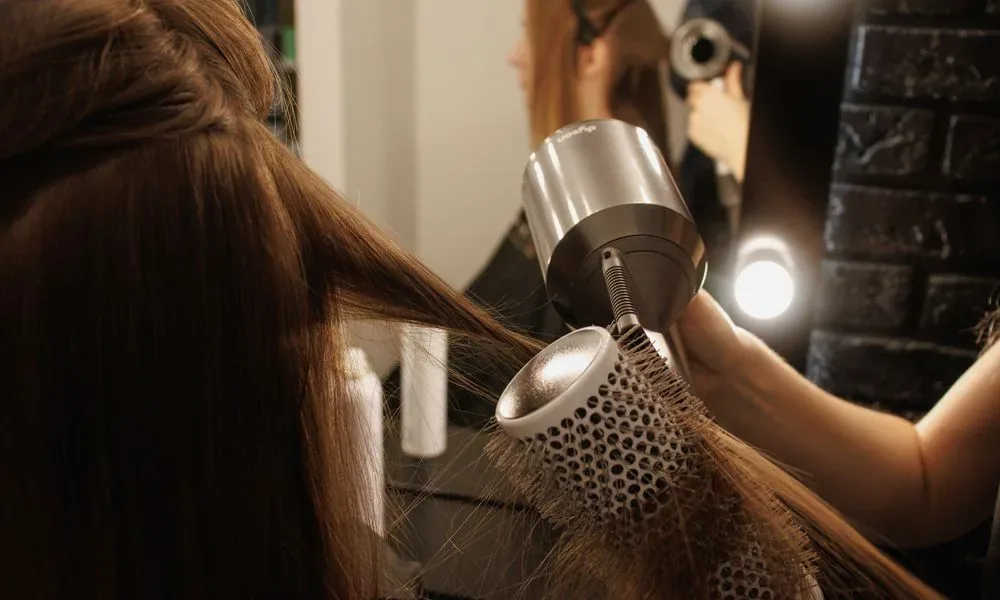
Hair botox works on that surface. Applied to clean, damp hair section by section, its protein fragments settle into the gaps left by damage, while hydrating ingredients draw moisture into the strand. Most formulas are slightly acidic, which encourages the cuticle to lie flat again, and heat from a blow-dryer seals everything in place.
Crucially, it does not break the disulfide bonds inside the hair, the bonds that determine whether your hair is straight, wavy, or curly. That is why it cannot straighten your hair, and why your curl pattern survives, simply smoother and more defined.
What hair botox is not
The name creates several misunderstandings. Hair botox is not Botox, and it will not freeze or paralyse anything. It is not a keratin treatment, although the two are often confused, and it is not a straightening treatment: it will not give you pin-straight hair if your hair is naturally curly or wavy.
It is also not a permanent repair. It cannot heal split ends, although it can temporarily seal their appearance, and it cannot rebuild severely bleached hair or make thin hair permanently thicker. It improves the condition of the hair you already have, for a few months at a time: a reset for tired hair, not a cure.
The benefits of hair botox
The most noticeable benefit is frizz control. By smoothing the cuticle and sealing in moisture, it reduces flyaways and puffiness, especially in humid weather: roughly a third less frizz, without the flattened look of a chemical treatment.
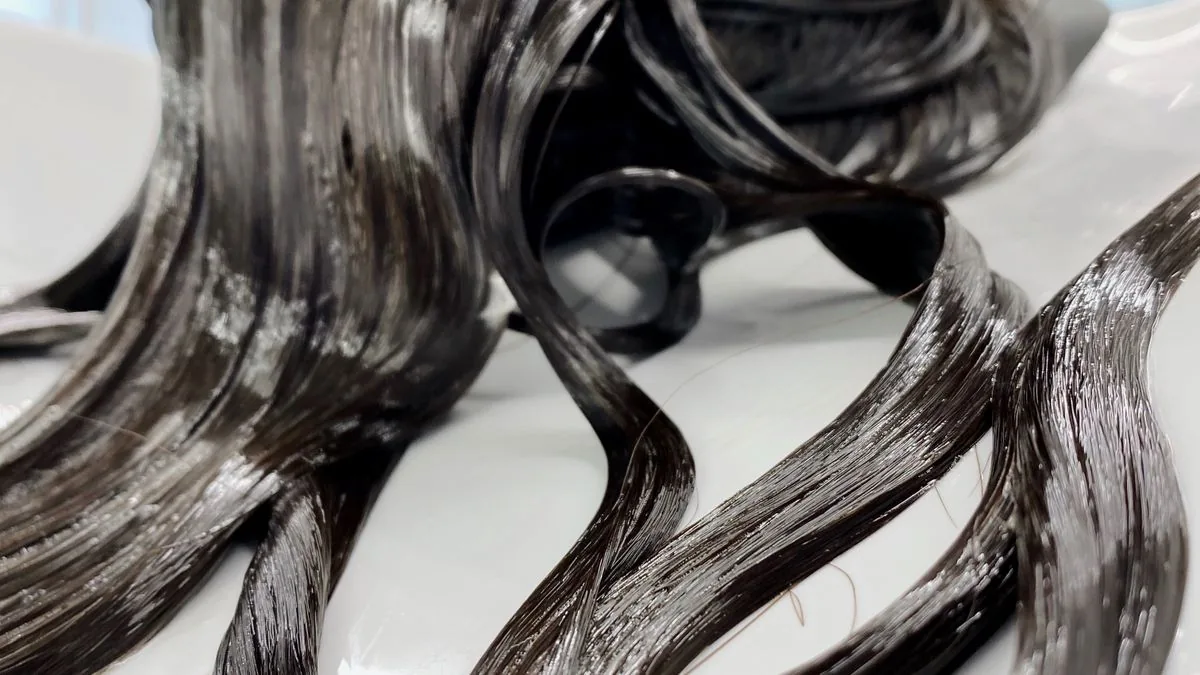
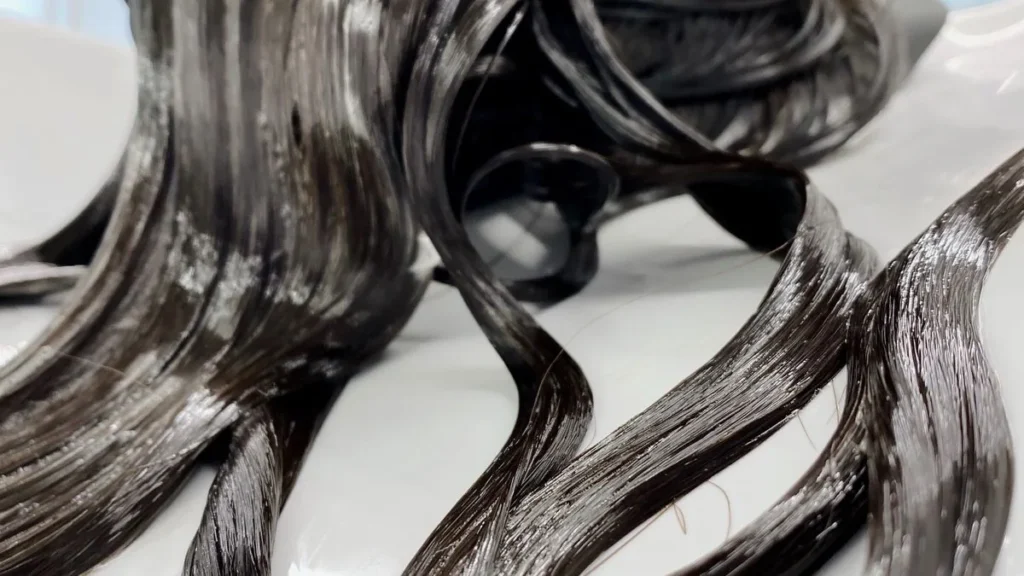
Shine is the second benefit. A smooth cuticle reflects light evenly, so hair looks glossier, and colour-treated hair often looks richer because the sealed surface holds colour in. Treated hair also detangles more easily, dries faster, and holds a blow-dry for longer.
Who hair botox suits best
Hair botox works best on hair that has something to repair. If your hair is damaged from bleaching, colouring, heat styling, or chemical processing, the improvement is usually obvious, and the same is true for dry, porous, or frizzy hair that has lost its shine.
It also suits people who want smoother hair without giving up their natural texture. Because it preserves your curl pattern, it is a good choice for wavy and curly hair that needs definition and frizz control rather than straightening,
It suits some people less well. Healthy hair has little for the treatment to fix, so results may be barely noticeable. Very coarse hair that needs dramatic smoothing will be disappointed, very fine hair can feel weighed down, and very oily scalps may find roots look greasy sooner. If you want permanently straight hair, a keratin treatment is the honest answer, not hair botox.
What happens during a salon appointment
A salon appointment usually takes one to two hours. The stylist washes your hair with a clarifying shampoo, towel-dries it until damp, applies the treatment section by section, and leaves it to process for thirty to forty-five minutes. Some stylists then blow-dry and flat-iron the hair to seal the cuticle. You leave with the result already visible, and there is usually no waiting period before you can wash it again. Mention allergies or recent chemical treatments beforehand.
Hair botox vs keratin treatment
A traditional keratin treatment uses formaldehyde or a formaldehyde-releasing ingredient to bond liquid keratin to the hair under very high heat, smoothing it and relaxing the curl pattern for three to six months. Research has found some Brazilian keratin products contained formaldehyde at levels several times above recommended safety limits.
Hair botox takes a gentler path. It conditions and fills rather than bonding and restructuring, so it cannot straighten hair or last as long, but it avoids the formaldehyde exposure that is the biggest concern with keratin. The straightest, longest-lasting smoothing points to keratin; repair, shine, and frizz control with your texture intact point to hair botox.
| Factor | Hair botox | Keratin treatment |
|---|---|---|
| What it is | Deep-conditioning treatment that fills cuticle gaps | Chemical smoothing that bonds keratin to the hair |
| Formaldehyde | Usually none | Often present in traditional formulas |
| Straightens hair | No, preserves natural texture | Yes, relaxes curls and waves |
| How long it lasts | Two to four months | Three to six months |
| Appointment time | One to two hours | Two to three hours |
| Best for | Damaged, frizzy, dull, or colour-treated hair | Thick, coarse, or very frizzy hair |
| Main risk | Allergic reaction, heaviness, or build-up | Formaldehyde exposure and heat damage |
The simplest test is your goal: repair and shine point to hair botox, while straightening and maximum longevity point to keratin.
How long does hair botox last?
Most people get two to four months from a salon treatment, with six to eight weeks of noticeable effect most common. Longevity depends on how often you wash your hair, how hot the water is, and what shampoo you use.
Washing is the biggest factor: every wash removes a little of the coating, so daily washers see it fade fastest. Hot water and sulfate-heavy shampoos strip it quickest, and chlorine, salt water, and strong sun shorten its life too.
Aftercare makes a genuine difference: a sulfate-free shampoo, less frequent washing, and lukewarm rinses can stretch results from four weeks towards ten or more. Our guide to how to wash your hair properly covers the technique that protects treated hair best, and our round-up of the best hydrating hair masks explains which formulas deliver real moisture.
How much does hair botox cost?
Salon hair botox typically costs $100 to $300 in the United States, and roughly €75 to €190 in Europe, depending on hair length, salon location, and the brand used. Short, fine hair sits at the lower end; long, thick hair costs more.
At-home kits are considerably cheaper, usually between $20 and $60, but it is hard to coat the back of your own head evenly, so results are usually less consistent. They are best for maintenance between salon visits.
Risks and side effects
Hair botox is generally considered a safe, gentle treatment, and serious side effects are uncommon. Allergic reactions are possible, which is why a patch test before your first treatment is sensible, especially if you have sensitive skin. Scalp irritation can occur in rare cases, usually when the product is applied too close to the scalp or left on too long.
Heaviness or greasiness usually means too much product was used, and silicone-heavy formulas can cause build-up. Overuse can lead to protein overload, which makes hair feel stiff and brittle, so most stylists recommend waiting at least two to three months before repeating it. If you have a scalp condition or are pregnant, speak to a dermatologist first.
How to make hair botox last longer
Switch to a sulfate-free, colour-safe shampoo, because sulfates strip the coating aggressively. Wash less often, rinse with lukewarm water, air-dry when you can, and use a heat protectant with hot tools. A light hair oil on the mid-lengths and ends adds shine without stripping the treatment; our guide to the best hair oils can help. Rinse with fresh water after swimming in chlorinated or salt water.
Before your first hair botox: a quick checklist
- Ask your stylist which brand they use and check the ingredient list, especially if you have allergies or a sensitive scalp.
- Do a patch test at least 24 hours before your first treatment if you have never tried the product.
- Be honest about your goal: repair and shine suit hair botox, but permanent straightening does not.
- Arrive with clean hair and tell your stylist about any recent colour or bleach.
- Stock up on sulfate-free shampoo and heat protectant before the appointment, not after.
- Plan your next treatment for two to four months later, not sooner, to avoid protein overload.
Frequently asked questions
Does hair botox damage your hair?
It is one of the gentler salon treatments: most formulas are free of formaldehyde and ammonia and do not change the hair’s internal structure. Damage is unlikely when applied correctly, but overuse can cause protein overload, which makes hair stiff and brittle.
Can hair botox straighten curly hair?
No. It smooths frizz and adds definition, but it does not break the bonds that create your curl pattern, so curly hair stays curly, just smoother and shinier. If you want curls relaxed or straightened, a keratin treatment is the option that does.
Is hair botox safe on colour-treated or bleached hair?
Yes, it is often recommended for colour-treated hair, because it seals the cuticle and helps colour look richer for longer. Wait until the colour has fully set, usually a week or two after colouring.
How often can you get hair botox?
Most people repeat it every two to four months, once the previous results have faded. Getting it more often risks protein overload and build-up.
Can I do hair botox at home?
Yes, but results are usually less even because it is hard to apply the product to the back of your own head. At-home kits work best for maintenance between salon visits.
Does hair botox work on fine or thin hair?
It can, and the plumping effect can make fine hair look fuller, but too much product can weigh it down and make roots look flat. Tell your stylist your hair is fine so they can use a lighter application.
The bottom line
Hair botox is a well-named treatment in one sense only: like its namesake, it promises a smoother, more polished result. Otherwise, the name is a distraction. There is no toxin, no needle, and no medical procedure involved: what you are buying is an intensive conditioning treatment that fills in damage, tames frizz, and restores shine for two to four months.
It is at its best on damaged, frizzy, or colour-treated hair, for people who want their natural texture to look its best rather than disappear. It will not straighten your hair, heal split ends, or replace good daily care, so go in with the right expectations.
Note: This article is for general information only and is not a substitute for professional advice. If you have a scalp condition, allergies, or very damaged hair, speak to a stylist or dermatologist before booking a treatment.