Planning a citrus grove escape sounds simple: pick a place with orange trees, book a room, arrive. In practice, the difference between a wonderful slow week and a frustrating one comes down to a handful of decisions made before you travel. The grove you choose, the season you pick, whether you hire a car, and what is actually included in the price all matter more than the thread count of the sheets.
A citrus grove escape is a particular kind of trip. It is rural, quiet and slow by design. Days are shaped by the grove: breakfast under the trees, a walk between the rows, a swim, a long lunch, an early night. There is no itinerary to keep, no list of sights to clear. That is the appeal, and it is also the risk. If you arrive expecting a resort with activities on tap, or a town with restaurants on every corner, the quiet can feel like emptiness instead of rest.
This guide walks through the nine steps that make a citrus grove escape work, from choosing the region to packing the right shoes, so you arrive prepared and leave rested. It is written for first-time grove travellers in particular, because the mistakes are almost always the same ones, and they are all avoidable.
Key takeaways
- Choose the region first, then the retreat, because the landscape around the grove shapes the whole trip.
- Spring for blossom and late autumn for harvest are the two most rewarding seasons.
- A car is almost always needed, and transfers should be arranged before you arrive.
- Check what is included before comparing prices, because meals and tours vary widely.
- A grove escape is a poor choice if you want nightlife, shopping or a busy sightseeing schedule.
What a citrus grove escape actually involves
A citrus grove escape means staying in or beside a working grove of oranges, lemons, grapefruit or mandarins, usually in a converted farmhouse, villa or small estate. The trees are the point of the place: they shade the paths, scent the air, supply the kitchen and set the rhythm of the day. Blossom comes in spring, green fruit in summer, harvest in the cooler months, and the best retreats let you take part in that cycle rather than just look at it.
A typical day is simple. Breakfast is served outside, often under a pergola or in a courtyard, with fresh juice and fruit from the grove. Mornings are for walking, swimming or a cooking session. Afternoons are for shade, a book and a long lunch. Evenings are for a drink on the terrace and an early dinner. Some retreats add a spa, a yoga session or a grove tour, but the day does not depend on them, and that is the point.
The practical side is what catches people out. Grove retreats are rural, so the nearest town, beach or restaurant is usually a drive away. Pools may not be heated in the cooler months. Small farmhouses may have steps, slopes and uneven paths. None of this is a problem if you know it in advance, and all of it is a problem if you discover it on arrival. Planning is the difference.
How to plan a citrus grove escape well
Start with the kind of trip you want, not the prettiest photograph. A couple looking for romance will be happy in a small farmhouse with a pool and a terrace. A family needs space, a heated pool and a kitchen that can feed children at odd hours. A solo traveller needs a place where meals are sociable and walks are safe. Write down what matters to you before you start searching, and use it as a filter, because every grove retreat looks peaceful in its photographs.
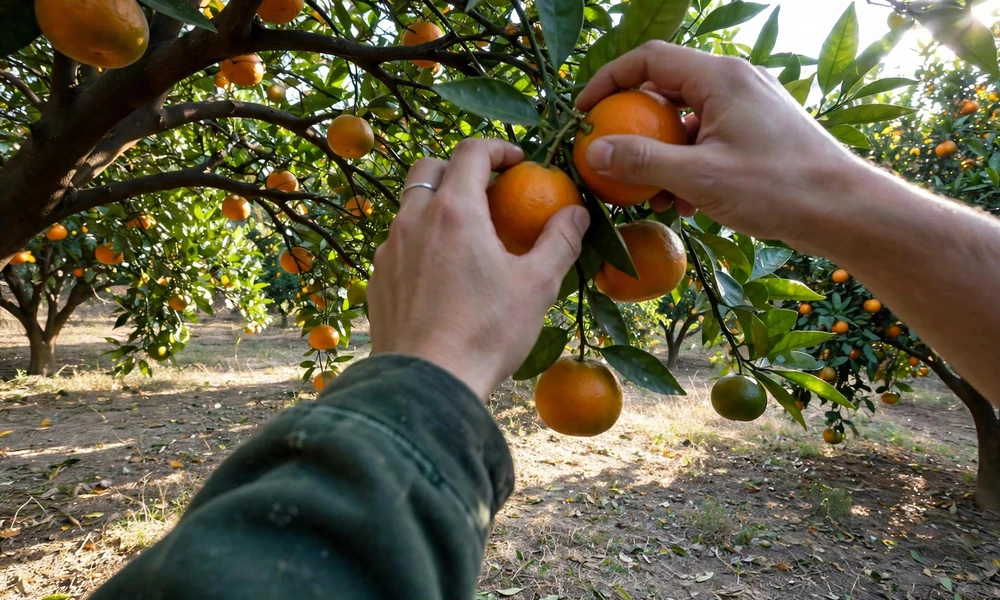
Then work through the practical questions in order: region, season, retreat, transport, and total cost. The sections below take them one at a time. If you want a comparison with a similar kind of slow stay, our guide to luxury garden retreats follows the same planning logic in a different setting.
The 9 steps to plan your citrus grove escape
Choose the region first
What to do: Pick the landscape before the property. The Amalfi Coast is steep and dramatic, Valencia is flat and sunny, Provence is orderly and fragrant, the Algarve is green and gentle, and Marrakech is warm and dry. Each region gives you a different trip, and the retreat you choose should fit the region, not the other way around. Best for: Every traveller, at the start of planning. Time needed: An evening of reading. Standout tip: Choose the region that matches the weather you want, not the photograph you liked most.
What to avoid: Do not book a retreat because a single photograph looked beautiful. A grove in the wrong region for your season can mean heat, rain or a closed property, and no room makes up for that.
Pick the season with care
What to do: Travel in spring for blossom and mild weather, or in late autumn for harvest and cooler days. Both seasons are kind to walkers, and both are quieter than high summer. Check the average temperature and the opening season of the retreat before you commit. Best for: Travellers who can choose their dates. Time needed: An hour of checking seasons and prices. Standout tip: Blossom season is short, so book spring early if the scent of orange blossom is the point of your trip.
What to avoid: Do not assume summer is the best time. Citrus regions are hot in July and August, and a grove walk at midday is no pleasure in that heat.
Set a realistic budget
What to do: Work out the total cost, not just the room rate. Add meals, transfers, car hire, grove tours and cooking classes, because these vary widely between retreats and can change the real price by a large amount. A mid-priced stay with meals included can cost less overall than a cheaper room with everything added on. Best for: Anyone comparing two or three retreats. Time needed: An hour with a calculator. Standout tip: Ask for a written list of what is included before you compare prices.
What to avoid: Do not compare room rates alone. Two retreats at the same nightly rate can differ by hundreds over a week once meals and transfers are counted.
Check the grove is real
What to do: Ask whether guests can walk among the trees, whether the fruit is used in the kitchen, and how large the grove is. A real grove has paths, tended trees and fruit on the table. Read recent guest comments about the grounds, and look at photographs of the grove itself rather than only the pool. Best for: Travellers who care about the grove more than the hotel. Time needed: Thirty minutes of reading and one email. Standout tip: Ask when the grove was last harvested, because a tended grove has a clear answer.
What to avoid: Do not book a place whose grove is only a view from the terrace. A handful of potted lemon trees by a pool is not a citrus grove retreat.
Sort out transport early
What to do: Hire a car, or arrange transfers before you travel. Most grove retreats are rural, and the nearest town, beach or restaurant is a drive away. Check the distance to the airport, the road conditions and the parking, and confirm whether the retreat offers a transfer service. Best for: Everyone, without exception. Time needed: An hour to book a car or a transfer. Standout tip: Book the car at the same time as the room, because rural car hire sells out in spring.
What to avoid: Do not arrive without a transport plan. Taxis in rural citrus regions are scarce and expensive, and a week without a car can strand you at the retreat.
Book the right room
What to do: Choose a room for how you will actually spend your time. A ground-floor room near the garden suits early risers and walkers. A room with a terrace suits long evenings. Ask about steps, shade, pool heating and noise from shared spaces, and say who is travelling, because some small farmhouses suit couples better than families. Best for: Couples, families and travellers with limited mobility. Time needed: One email to the retreat. Standout tip: Ask for a room away from the dining terrace if you go to bed early.
What to avoid: Do not book the cheapest room without asking what it is like. In old farmhouses the smallest rooms can be dark, steep to reach or far from the pool.
Plan your days loosely
What to do: Sketch a loose shape for each day, not a schedule. One walk, one swim, one long meal, and one thing to look forward to is enough. Leave afternoons open, because the best part of a grove stay is the unplanned hour in the shade. Book one or two activities in advance, such as a cooking class or a grove tour, and leave the rest to the day itself. Best for: Travellers who tend to over-plan. Time needed: An evening before you travel. Standout tip: Plan your grove walks for early morning, when the light is kind and the air is cool.
What to avoid: Do not fill every day with day trips. A grove escape fails when it becomes a touring holiday with a prettier base.
Pack for the grove, not the resort
What to do: Pack comfortable walking shoes for uneven grove paths, sun protection, a light layer for cool evenings, swimwear and a book. A small day bag is useful for walks, and a hat matters more than a second evening outfit. Check the weather for your exact dates, not the season in general. Best for: Everyone, a week before departure. Time needed: An hour of packing. Standout tip: Pack shoes you have already walked in, because new shoes and grove paths are a bad combination.
What to avoid: Do not pack for a resort. Heels, formal clothes and a full beauty case have little use at a farmhouse among the trees.
Confirm everything a week before
What to do: Email the retreat a week before you travel to confirm your arrival time, your transfer or car hire, any dietary needs, and any tours or classes you want to join. Confirm the pool heating if you travel in a cool month, and check the opening hours of the restaurant. A short confirmation email prevents most arrival-day problems. Best for: Every traveller, seven days before departure. Time needed: Fifteen minutes. Standout tip: Confirm your arrival time, because rural retreats do not always staff a desk all day.
What to avoid: Do not assume everything is arranged because you booked online. Transfers, dietary needs and small-group tours all need a direct confirmation.
When to go and what the seasons change
Spring is the classic season for a citrus grove escape. The blossom is out, the air smells of orange flower, the weather is mild, and the groves are at their most beautiful. It is also the busiest season, so book three to six months ahead, and expect higher prices at the smallest properties. Late autumn is the quieter alternative: the harvest is happening, the days are cooler, the light is golden, and prices are often lower. It suits travellers who want the grove without the spring crowds.
Summer is the season to treat with care. Citrus regions are hot, and a grove walk at midday in August is hard work. If summer is your only option, choose a retreat with a good pool, real shade and a heated or cooled room to retreat to, and plan your walks for early morning. Winter varies by region: the Algarve and Marrakech stay mild, while the Amalfi Coast and Lake Garda can be cold and quiet, with some retreats closed altogether. Our guide to planning a lavender farm escape covers the same seasonal trade-offs, because farm stays live or die by the weather.
Whatever the season, check the retreat’s opening dates before you book. Small farmhouses often close for a month or two in winter, and some open only from spring to autumn. A retreat that is closed on your dates is the simplest planning mistake of all, and the easiest to avoid.
The caveats that matter
A citrus grove escape is a wonderful trip for the right traveller and a poor one for the wrong traveller. It is rural, quiet and slow by design. If you want nightlife, shopping, a busy restaurant scene or a packed itinerary, you will be happier in a town or a city hotel. If you want to switch off, walk among trees and eat well, it is hard to beat. The honest question is not whether the retreat is good, but whether its pace matches yours.
| Detail | What is known |
|---|---|
| Best seasons | Spring for blossom, late autumn for harvest, mild weather in both |
| How far ahead to book | Three to six months for spring and autumn, earlier for small properties |
| Transport | A car is usually needed, or a pre-booked transfer from the airport |
| Total cost | Compare meals, transfers and tours, not room rates alone |
| What to pack | Walking shoes, sun protection, a light layer, swimwear, a book |
| Who it suits | Couples, solo travellers and families who want quiet and slow days |
| Who should skip it | Travellers who want nightlife, shopping or a busy sightseeing schedule |
| Biggest planning mistake | Arriving without transport, or booking a grove that is only a view |
If you have limited mobility, ask about steps, slopes and distances before booking, because terraced groves and old farmhouses are rarely flat. And if you travel with children, check whether the retreat welcomes them, because some of the smallest farmhouses are quiet, adult-focused places in practice.
Checklist: planning your citrus grove escape honestly
Use these checks before you book, and again a week before you travel.
- Check the region: choose the landscape and weather first, then the retreat.
- Check the season: blossom in spring, harvest in late autumn, heat in high summer.
- Check the grove: it should be walkable, tended and used in the kitchen.
- Check the total cost: meals, transfers and tours included, not just the room rate.
- Check transport: a car or a pre-booked transfer, arranged before you arrive.
- Check the room: steps, shade, pool heating, and whether it suits who is travelling.
Frequently asked questions
How far ahead should I book a citrus grove escape?
Three to six months ahead for spring and autumn, and earlier for small farmhouses, because they have few rooms and blossom season is short. Summer and winter can usually be booked later.
Do I need a car for a citrus grove escape?
Usually yes. Most grove retreats are rural, and the nearest town, beach or restaurant is a drive away. If you do not want to drive, arrange transfers before you travel.
What is the best season for a citrus grove escape?
Spring for blossom and mild weather, and late autumn for harvest and cooler days. Summer is hot in most citrus regions, so choose a retreat with a good pool and real shade if you travel then.
Are citrus grove retreats good for children?
The larger estates are, especially those with villas and a heated pool. Small farmhouses are often better for couples, so ask the retreat before you book.
What should I pack for a citrus grove stay?
Comfortable walking shoes, sun protection, a light layer for cool evenings, swimwear and a book. Evenings in spring and autumn can be cooler than the days suggest.
How much does a citrus grove escape cost?
It depends on the retreat and what is included. Compare the total cost with meals, transfers and tours, and look at our guide to planning a desert escape for a similar kind of slow trip at a different price point.
The bottom line
Planning a citrus grove escape well comes down to a few honest decisions: the right region, the right season, a real grove, a car, and a total cost you have worked out in advance. Get those five right, and the rest of the trip takes care of itself, because the grove sets the pace.
Book early for spring and autumn, confirm everything a week before you travel, and leave your days loose. Then let the trees do the work, because that is the whole point of going.