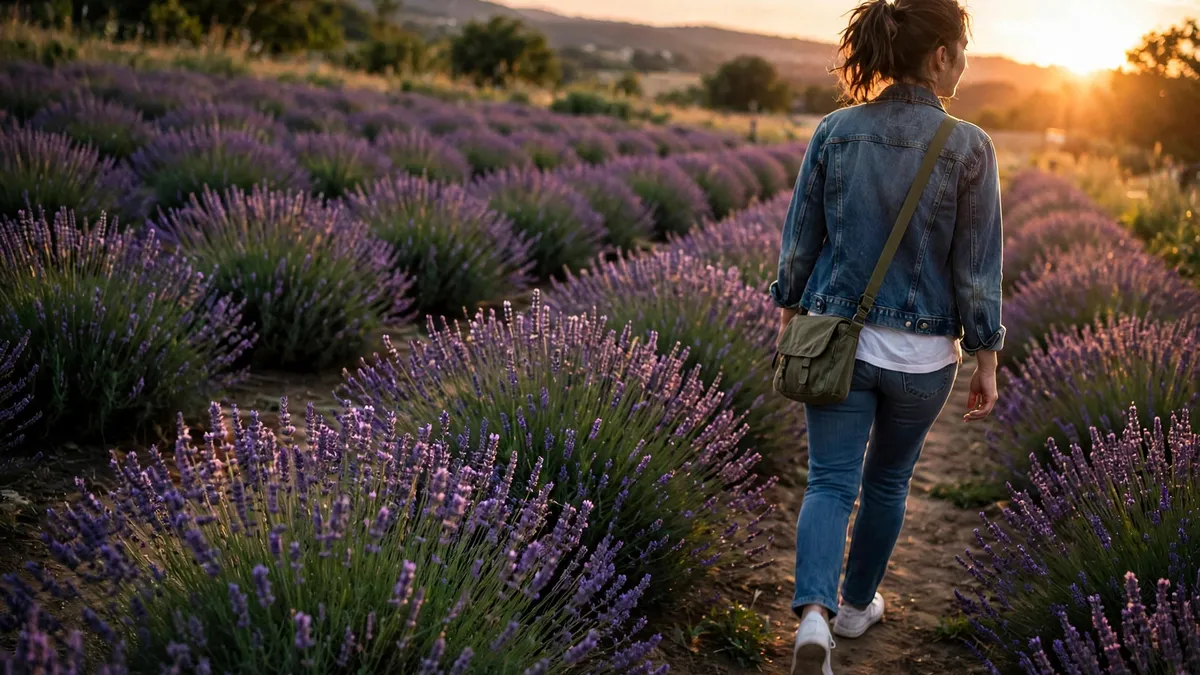

A lavender farm escape sounds simple: pick a farm, go when it blooms, take photographs. In practice, the trips that work best are the ones that are planned around the bloom, not around a convenient weekend. Lavender flowers for a few short weeks each year, the best stays book out months ahead, and the farms themselves are rural, working places with their own rhythms. A little planning turns a crowded day trip into a calm, unhurried escape.
The good news is that planning a lavender farm escape is mostly a matter of getting the order right. Choose the region and the bloom window first, then the stay, then the transport, then the details. People who book the hotel first and check the bloom dates afterwards are the ones who arrive to green fields and a long drive to the nearest purple row. People who start with the season usually get the trip they imagined.
This guide walks through the nine steps that matter, from picking your bloom window to packing for the fields, with the practical details that make the difference between a good trip and a frustrating one. It is written for a first lavender farm escape, but the same steps work if you have been before and want a better trip next time.
Key takeaways
- Pick the bloom window first, then the region, then the stay: the season decides everything else.
- Provence peaks from mid-June to mid-July, Hokkaido in July, Tasmania and New Zealand in December and January, and England in July.
- Book the stay three to six months ahead for peak bloom, and expect minimum stays of two or three nights at small retreats.
- A car is usually essential, and early morning and late afternoon are the best times in the fields.
- No farm can guarantee a full bloom on a fixed date, and weather can shift the season by a week or more in either direction.
What a lavender farm escape actually involves
A lavender farm escape is a short stay built around visiting lavender fields at their peak, usually combined with a comfortable place to sleep, good local food, and time outdoors. The core of the trip is simple: walk the rows, visit a distillery if the farm has one, buy oil or dried lavender made on the property, and eat well in the evenings. Around that core, you can add village visits, a spa afternoon, a wine tasting, or a slow drive through the countryside.
What makes it different from an ordinary countryside break is the timing. A lavender farm escape is a seasonal trip, and the season is short. The fields are at their best for two to four weeks, and the rest of the year they are green rows of shrubs. That means the trip is planned around a date, not around a destination, and it means the best weeks are also the busiest weeks, with more visitors, higher prices, and less availability.
It also means the trip is best taken slowly. The fields are most beautiful early in the morning and late in the afternoon, when the light is low and the day visitors have gone. A rushed visit at midday, in July heat, with a coach party in the next row, is not the experience the photographs promise. Plan for two or three nights, not one, and give yourself time to enjoy the fields properly.
How to plan well and what to look for
Start with the bloom calendar, not the hotel. Look up the peak bloom for the region you want to visit, then aim for the middle of that window rather than the start or the end. A farm at the start of its bloom may be patchy, and a farm at the end may already be cut. The middle of the window gives you the best chance of full colour, and a buffer if the season runs a week early or late.
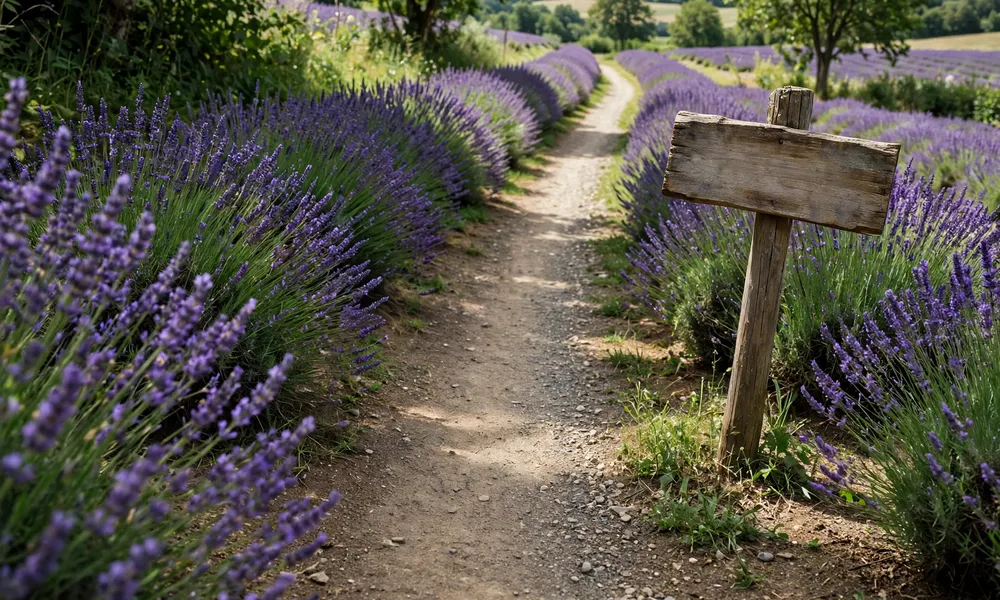
Next, choose a stay that is close to the fields. A hotel beside a working farm, or within a short drive of one, is worth more than a grander hotel an hour away. Check the distance on a map, ask the hotel how far the nearest field is, and ask whether they run guided walks or offer transfers. Our guide to planning a garden escape makes the same point, because gardens, like lavender fields, reward a stay that is close enough to visit early and late.
Finally, check what is included and what is not. Some retreats include breakfast and farm visits, some charge separately for tastings and distillery tours, and some have minimum stays in peak season. Read the cancellation terms carefully, because peak bloom dates often carry stricter rules, and a flexible booking is worth more than a small discount if the bloom shifts.
9 steps to plan a lavender farm escape
Pick your bloom window first
What to Do: Look up the peak bloom for your chosen region and aim for the middle of the window, then build the rest of the trip around those dates. What to Avoid: Picking a convenient weekend and hoping the lavender cooperates. Best For: Every lavender farm escape, without exception. Time Needed: An evening of research. Standout Tip: Check the farm’s own social media or website for recent photographs, which show the real bloom better than any calendar.
Choose a region, not just a farm
What to Do: Pick a region with several farms, villages, and places to eat, so the trip does not depend on a single field. What to Avoid: Building the whole trip around one famous farm that may be crowded, cut, or closed. Best For: First-time lavender travellers and anyone travelling with others. Time Needed: An evening of research. Standout Tip: Regions with several farms give you a backup if one field is cut early.
Book the stay before the flights
What to Do: Book the hotel or retreat first, then the flights, because the best stays sell out long before the best fares do. What to Avoid: Booking a cheap flight and then finding the only available stay is an hour from the fields. Best For: Peak bloom dates, especially in Provence and Hokkaido. Time Needed: A morning of booking, three to six months ahead. Standout Tip: Ask the hotel directly about bloom dates and minimum stays, because their answers are more current than a booking site.
Sort transport before you arrive
What to Do: Arrange a hire car, or confirm the hotel’s transfers, before you travel. What to Avoid: Assuming public transport will reach a rural farm, or that a taxi will be waiting at the station. Best For: Rural lavender regions, which are almost all car country. Time Needed: An hour of planning. Standout Tip: A small car is better than a large one on narrow farm lanes, and a paper map helps where phone signal is weak.
Set a total budget, not just a room budget
What to Do: Add up the room, the car, meals, farm visits, tastings, and any spa treatments, and set a total figure for the trip. What to Avoid: Budgeting for the room alone and being surprised by the rest. Best For: Anyone travelling in peak season, when prices are at their highest. Time Needed: An hour with a spreadsheet or a notebook. Standout Tip: Farm visits are usually cheap or free, but tastings, distillery tours, and spa treatments add up quickly.
Book farm visits and tastings in advance
What to Do: Check whether the farms you want to visit need booking, and reserve distillery tours and tastings ahead of time. What to Avoid: Arriving at a popular farm at midday and finding the tour full or the car park closed. Best For: The most famous farms, such as Farm Tomita and Bridestowe. Time Needed: An hour of booking, a few weeks ahead. Standout Tip: Early morning slots are quieter and cooler, and the light is better for photographs.
Pack for the fields, not the hotel
What to Do: Pack light clothes, closed shoes, sun protection, water, and allergy medication if you need it. What to Avoid: Packing only smart clothes and open shoes, which are useless in a dusty field. Best For: Anyone walking the rows, which is the point of the trip. Time Needed: An evening of packing. Standout Tip: A hat and a refillable water bottle are the two most useful things you will carry.
Plan meals as carefully as tastings
What to Do: Book restaurants ahead, ask the hotel for local recommendations, and try the lavender-flavoured dishes the region is known for. What to Avoid: Leaving dinner to chance in a small village at peak season. Best For: Food lovers and anyone staying in a small village. Time Needed: An hour of booking, a few weeks ahead. Standout Tip: Lavender honey, lavender ice cream, and lavender-infused drinks are worth trying once, but a good local restaurant matters more than a themed menu.
Leave gaps in the day on purpose
What to Do: Plan one farm visit in the morning and one in the late afternoon, and leave the middle of the day open. What to Avoid: Filling every hour with visits, tastings, and drives. Best For: Anyone who wants the trip to feel like an escape, not a schedule. Time Needed: Nothing, except the discipline to stop planning. Standout Tip: The best lavender photographs are taken in the hour after sunrise and the hour before sunset, when the fields are quiet.
When to go: lavender season by region
The lavender calendar is the heart of this trip, so it is worth setting out plainly. In Provence, the low fields of the Valensole plateau usually peak from mid-June to early July, and the higher fields around Sault and the Luberon run to mid-July. In Hokkaido, the peak is usually July, with Farm Tomita and the Furano fields at their best in the middle of the month. In Tasmania and New Zealand, the season is December and January, which is summer in the Southern Hemisphere. In England, the peak is usually July, with Mayfield Lavender and Hitchin Lavender both at their best in the middle of the month.
Those dates are guides, not guarantees. A cold spring can delay a bloom by a week, a hot spell can bring it forward, and a farm can cut its crop within days of peak bloom. That is why the middle of the window is the safest choice, and why checking the farm’s recent photographs matters more than any calendar. If your dates fall at the edge of the season, have a second plan: a distillery visit, a garden, a village market, or a spa afternoon.
It is also worth thinking about what else is happening in the region. Provence in July is busy, with festivals and markets, and prices to match. Hokkaido in July is busy too, with flower tourists from across Japan. Tasmania in December is festive and warm. England in July is usually the driest month, but it is also the most popular. A luxury orchard retreat offers a useful contrast here, because orchard country has a longer, gentler season, and it can be a good alternative if your lavender dates do not work out.
The caveats that matter
Most lavender farm escapes go well, but the problems that do arise are usually predictable. The commonest is arriving after the bloom, because the dates were chosen for convenience rather than for the season. The next commonest is staying too far from the fields, which turns every visit into a drive. After that come the practical issues: no car, no booking at a popular farm, a restaurant with no tables, and a midday visit in July heat with a crowd.
| Detail | What is known |
|---|---|
| Best months by region | Provence mid-June to mid-July; Hokkaido July; Tasmania and New Zealand December to January; England July |
| How far ahead to book | Three to six months ahead for peak bloom; earlier for small retreats and famous farms |
| Minimum stays | Two or three nights is common at small retreats in peak season |
| Transport | A car is usually essential; rural roads are narrow and public transport is limited |
| Best times in the fields | Early morning and late afternoon, for light, scent, and quiet |
| Bees in the fields | Bees are active in lavender at bloom; carry allergy medication and walk with care |
| What to avoid | Booking the hotel before checking the bloom, visiting at midday, or filling every hour |
| What it does not guarantee | No farm can guarantee full bloom on a fixed date; weather can shift the season by a week or more |
If you have a bee allergy, asthma, or a sensitivity to lavender, talk to the farm before you visit, and carry your medication. If you are travelling with children, check whether the farm welcomes them and whether the rows are safe for small children, because some farms restrict access during harvest. If you are pregnant, the usual advice applies: lavender in food and cosmetics is generally used in small amounts, but check with your clinician if you are unsure about essential oils or farm visits.
Checklist: planning a lavender farm escape honestly
Use these checks before you book, and again before you travel.
- Check the bloom calendar for your region, and confirm with the farm that the fields should still be in flower on your dates.
- Book the stay before the flights, and confirm the distance from the stay to the nearest field on a map.
- Arrange a car, or confirm the hotel’s transfers in writing, before you travel.
- Book farm visits, distillery tours, and restaurants ahead, especially for the most popular farms.
- Set a total budget for the trip, not just a room budget, and read the cancellation terms.
- Pack for the fields: closed shoes, sun protection, water, a hat, and allergy medication if you need it.
Frequently asked questions
When is the best time to plan a lavender farm escape?
Start three to six months before the bloom you want. Provence peaks from mid-June to mid-July, Hokkaido in July, Tasmania and New Zealand in December and January, and England in July. Aim for the middle of the local bloom window.
How many nights should I stay?
Two or three nights is ideal. One night is too rushed, because you need an early morning and a late afternoon in the fields, and the middle of the day for rest. Three nights gives you a buffer if the weather turns or a field is cut early.
Do I need a car?
Usually yes. Lavender farms are rural, public transport is limited, and the best fields are down narrow country lanes. Some hotels offer transfers, but a car gives you the freedom to visit early and late, when the fields are at their best.
What if the lavender is not in bloom when I arrive?
Have a second plan. Visit the distillery, walk the gardens, explore the villages, or enjoy the spa. A good stay in lavender country is worth the trip even if the bloom is early or late, but checking the farm’s recent photographs before you travel reduces the risk.
Are lavender farms suitable for children?
Often yes, but check with the farm first. Some farms welcome children and have animals to meet, while others restrict access during harvest. Closed shoes, sun protection, and water matter more for children than for adults, and bees are part of the fields.
What should I buy at a lavender farm?
Oil distilled on the property, dried bunches, and soaps or sachets made from the farm’s own lavender. These are usually fresher and more honestly labelled than souvenirs bought elsewhere, and they travel well if you pack them carefully.
The bottom line
Planning a lavender farm escape is mostly a matter of getting the order right: bloom window first, region second, stay third, and transport fourth. Get those four decisions right, and the rest of the trip, the meals, the tastings, the photographs, falls into place. Get them in the wrong order, and you can end up with a lovely hotel, a long drive, and green fields.
Choose your season, book early, and leave gaps in the day. The lavender will do the rest, in the early morning and the late afternoon, when the fields are quiet and the scent is at its strongest. That is the trip worth planning for.