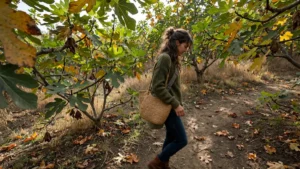
An orchard retreat is a different kind of luxury escape. There is no beach club, no ski lift, no city skyline. Instead there are rows of apple, pear and citrus trees, the smell of fallen fruit in the grass, and a house that serves what it grows.
That slowness is the point, and it is also why choosing well matters. An orchard stay can be a working farm with a few guest rooms, a grand country house with a walled garden, or a modern resort that happens to have an orchard at the edge of the property.
Below are nine luxury orchard retreats worth considering in 2027, from a Tennessee farm in the Smoky Mountains to a Sussex manor with a famous garden. Each one is described by what it is good at, what to watch for, and who it suits best, so you can choose with the orchard in mind, not just the photographs.
Key takeaways
- An orchard retreat is defined by its trees and its kitchen: the best ones grow much of what they serve and let guests walk, pick and taste through the grounds.
- Harvest season, roughly late summer into autumn in most places, is the best time to visit, when the orchards are full and the menus are at their most seasonal.
- Location matters more than luxury labels: a working farm, a country house and a modern resort offer very different stays even when the prices look similar.
- Book the dining and the orchard experiences early, because the best tables and the smallest tours are often the first to fill.
- No orchard retreat guarantees a harvest, a blossom or a particular fruit on your dates, and weather and seasons decide what the trees actually do.
What a luxury orchard retreat actually is
At its simplest, an orchard retreat is a stay built around fruit trees. The orchard is not decoration. It supplies the kitchen, shapes the walks, and sets the season. In spring the trees are in blossom, in summer the fruit is ripening, and in autumn the harvest arrives, with picking, pressing and preserving as part of the stay. The house, whether it is a farm, a manor or a modern lodge, is the base for that rhythm rather than the main event.
What makes one luxurious is rarely the thread count. It is the quality of the food, the privacy of the grounds, and the feeling that the place is not trying to be everything at once. A good orchard retreat has a small number of rooms, a kitchen that cooks what the garden gives it, and staff who know the trees by name.
That also means an orchard retreat suits a particular kind of traveller. If you want long breakfasts, walks under the trees, a good book and a dinner that tastes of the place you are in, it is hard to beat. The nine retreats below cover that range, from working farms to grand houses, so the right one depends on how much quiet you actually want.
How we chose these retreats and what to look for
Look first at the orchard itself. A real orchard retreat grows a meaningful amount of its own fruit, and the kitchen uses it. Ask, or check, whether the orchard is a working part of the property rather than a few trees by the car park.
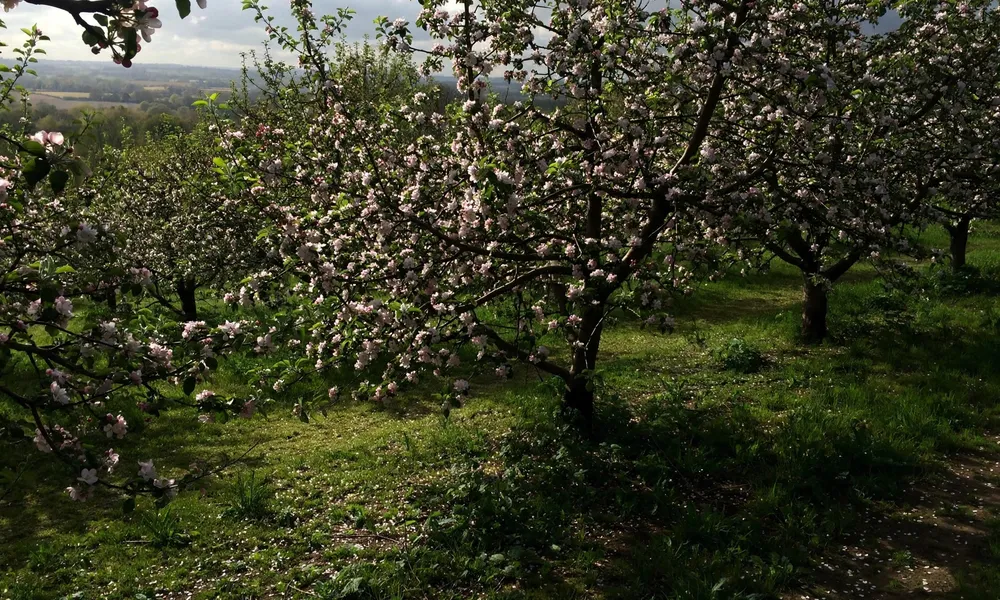
Look next at the size and the pace. Small is usually better. A retreat with ten to thirty rooms feels private in a way a large hotel cannot, and the dining room works best when the kitchen knows how many people it is cooking for. Check whether the restaurant is open to non-residents, because a dining room full of day visitors changes the evening completely. Our guide to luxury garden retreats covers the same question from the garden side, and the answer is the same: the smaller and more rooted the place, the better the stay.
Finally, look at the season. Orchard retreats are seasonal by nature, and the same place can feel completely different in May and in October. Choose the season first, then the retreat.
The 9 best luxury orchard retreats of 2027
Blackberry Farm, Tennessee
What we like: A working farm in the Smoky Mountains with orchards, gardens and a serious kitchen, plus a calm, unhurried pace that suits a long weekend. What to consider: It is remote, so you need a car, and the best rooms and tables book out well ahead. Best for: Food lovers who want a farm stay with real depth. Style: Rustic luxury, farmhouse rooms and mountain views. Price range: From around $700 a night. Standout feature: The farm-to-table kitchen, supplied by the estate’s own orchards and gardens.
Twin Farms, Vermont
What we like: A small, all-inclusive resort in the Vermont countryside with gardens, orchards and a famously attentive kitchen, set on quiet farmland. What to consider: All-inclusive pricing is high, and the seasons are short, with winter the quietest time. Best for: Couples who want privacy and a completely looked-after stay. Style: Country house, cottages and fine dining. Price range: From around $1,500 a night, all-inclusive. Standout feature: The dining, with menus built around the estate and the region.
Twin Farms feels like a private house rather than a hotel. The orchards and gardens are part of the grounds, the cottages are spread out for privacy, and the kitchen is the centre of the stay. It is expensive, but there is very little to pay for once you arrive.
Heckfield Place, Hampshire
What we like: A Georgian house with a walled garden, orchards and a farm that supplies the restaurants, plus a relaxed, modern feel that avoids country-house stiffness. What to consider: It is popular for weekends, so the best rooms go early, and the dining room is busy at peak times. Best for: A long weekend from London with food and gardens at the centre. Style: Modern country house, calm and uncluttered. Price range: From around £450 a night. Standout feature: The walled garden and the farm-to-table restaurants.
Gravetye Manor, Sussex
What we like: A historic manor with one of England’s most respected gardens, including orchards, and a restaurant that cooks from the grounds. What to consider: It is small, with limited rooms, and the dining room is the main event, so book the table with the room. Best for: Garden lovers who want a classic English country house. Style: Historic manor, traditional rooms and a celebrated garden. Price range: From around £400 a night. Standout feature: The garden, designed for year-round interest and a working kitchen.
The Pig at Combe, Devon
What we like: A relaxed country house hotel with a large kitchen garden and orchards, a famously good restaurant, and a deliberately unpretentious feel. What to consider: The rooms are simple rather than grand, and the restaurant is popular, so book ahead. Best for: Travellers who want great food and a garden without formality. Style: Rustic, comfortable, garden-led. Price range: From around £250 a night. Standout feature: The kitchen garden, which supplies most of what the restaurant serves.
The Pig is the most relaxed stay on this list, and that is its strength. The orchard and the garden are working parts of the property, the food is honest and seasonal, and nobody expects you to dress for dinner. It is the best value here, and one of the most enjoyable.
Farmhouse Inn, Sonoma
What we like: A small inn in wine country with gardens, fruit trees and a Michelin-starred restaurant, set in the heart of Sonoma’s food and wine landscape. What to consider: It is small and in demand, especially at harvest, and the restaurant needs booking well ahead. Best for: A wine-country stay with a garden at its heart. Style: Modern farmhouse, warm and polished. Price range: From around $600 a night. Standout feature: The restaurant, and the gardens that feed it.
Calistoga Ranch, Napa Valley
What we like: A secluded resort in a private canyon with oak woodland, vineyards and gardens, and lodges that feel genuinely private. What to consider: It is spread out and car-dependent, and the dining is more limited than at a working farm. Best for: Privacy and a quiet Napa stay away from the main road. Style: Modern lodges in a wooded canyon. Price range: From around $800 a night. Standout feature: The setting, a private canyon that feels a long way from the valley floor.
Calistoga Ranch is the most secluded stay here. The orchards and gardens are part of a much larger landscape of oaks and vines, and the lodges are set apart for real privacy. It suits travellers who want Napa without the tasting-room crowds.
Castle Hot Springs, Arizona
What we like: A historic desert resort with a working farm, citrus groves and natural hot springs, in a remote canyon north of Phoenix. What to consider: It is remote and all-inclusive, so the price is high and there is nowhere else to eat. Best for: A desert escape with farm food and hot springs. Style: Historic desert lodge, cabins and farm. Price range: From around $1,000 a night, all-inclusive. Standout feature: The farm and the hot springs, in a canyon that feels completely cut off.
Castle Hot Springs is the most unusual retreat on this list. The citrus groves and the farm sit in a desert canyon, the hot springs are the centre of the stay, and the remoteness is the point. Come in the cooler months, when the desert is at its best.
Ballyfin Demesne, Ireland
What we like: A restored Regency house with walled gardens, orchards and parkland, and a calm, old-fashioned sense of hospitality. What to consider: It is a grand house, so the feel is formal, and the weather is Irish, which means the garden is best in late spring and summer. Best for: A grand country-house stay with a serious garden. Style: Regency house, formal rooms and walled gardens. Price range: From around €500 a night. Standout feature: The walled garden and the restored house itself.
Which orchard retreat is right for you
Start with how much structure you want. A working farm like Blackberry Farm or Castle Hot Springs gives you a full, guided experience, with meals, walks and activities built into the stay. A country house like Heckfield Place or Gravetye Manor gives you a beautiful base and lets you plan your own days. A resort like Calistoga Ranch gives you privacy and space, but less of the farm itself.
Then think about the season. Orchard retreats are at their best when the trees are doing something, which means blossom in spring or harvest in autumn. A summer stay is warm and green but the fruit is not ripe yet, and a winter stay is quiet and often cheaper but the orchard is bare. Our guide on how to plan a garden escape covers the same seasonal thinking, and it applies here too: the garden decides the trip, not the calendar.
Finally, be honest about the food. At the best orchard retreats, the kitchen is the main event, and the dining room is where the stay is won or lost. If you are a keen eater, choose the place with the strongest restaurant and book the table first. If you would rather cook for yourself or eat out, a place with a kitchen in the room, or a town nearby, will suit you better.
The caveats that matter
Orchard retreats are seasonal, rural and small, and all three of those things come with trade-offs. The harvest is not guaranteed on your dates, the weather decides what the garden looks like, and a small property has fewer rooms, fewer tables and less flexibility than a large hotel.
| Detail | What is known |
|---|---|
| Best time to visit | Blossom in spring, harvest from late summer into autumn |
| What the orchard provides | Fruit for the kitchen, walks, picking and pressing sessions |
| How small is best | Ten to thirty rooms usually feels most private |
| What to book first | The dining table and any orchard experience, before the room |
| Who should avoid harvest week | Travellers who dislike crowds, or who want a quiet garden |
| What to check on arrival | Whether the orchard is open to walk, and what is actually in season |
| What it does not include | Beach, nightlife, or a large spa; the stay is the garden and the kitchen |
| When to go in winter | For quiet and lower prices, but with a bare orchard and a narrower menu |
If you have food allergies, dietary needs or mobility concerns, say so before you book, not on arrival. Small kitchens plan their menus days ahead, and orchard walks are often on uneven ground. A short note at booking time is the difference between a stay that works and one that does not, and the best properties will tell you honestly what they can and cannot do. A meadow retreat has the same rural trade-offs, and the same advice applies: ask early, and trust the answer.
Checklist: planning an orchard retreat honestly
Use these checks before you book, and again before you travel.
- Check the orchard: is it a working part of the property, and what is in season on your dates.
- Check the season: blossom in spring, harvest in late summer and autumn, quiet in winter.
- Book the table first: the dining room and any orchard experience, before the room itself.
- Check the size: ten to thirty rooms usually means a quieter, more private stay.
- Ask about access: orchard paths are often uneven, so check mobility access before you book.
- Plan the journey: most orchard retreats are rural, so sort the car or transfer before you arrive.
Frequently asked questions
When is the best time to visit an orchard retreat?
Blossom season in spring and harvest season from late summer into autumn are the two best times. Harvest is the fullest time, with the most food and the most going on, so it is also the busiest. Winter is quiet and often cheaper, but the orchard is bare.
Can you pick fruit at an orchard retreat?
Often yes, but it depends on the property and the season. Some retreats run picking sessions or pressing days, and some let guests walk the orchard freely. Ask when you book, and do not assume picking is included, because the harvest is also the kitchen’s supply.
Are orchard retreats suitable for children?
Many are, especially working farms with animals, gardens and space to run. Check the policy before you book, and ask what the orchard walks are actually like for a child.
Do I need a car to visit an orchard retreat?
Usually yes. Most orchard retreats are rural, with no public transport nearby, and the nearest town is a drive away. Some properties offer transfers, so ask when you book, but a car gives you the freedom to explore the area around the orchard as well.
Is the food really from the orchard?
At the best retreats, much of it is. The kitchen uses the orchard and the garden for fruit, vegetables and herbs, and the menu changes with the season.
How far ahead should I book?
For harvest season, three to six months ahead is sensible, and longer for the smallest and most popular places. The dining table and the orchard experiences often fill before the rooms do, so book the table at the same time as the room, not after.
The bottom line
The best luxury orchard retreat in 2027 is not the grandest or the most expensive. It is the one where the orchard is real, the kitchen cooks what the garden gives it, and the pace suits how you actually like to spend a holiday. For food lovers, a working farm like Blackberry Farm or Castle Hot Springs is hard to beat. For a classic country-house stay, Heckfield Place and Gravetye Manor are the safest choices, and for privacy, Calistoga Ranch and Twin Farms are the quietest.
Choose the season first, book the table at the same time as the room, and go expecting a slow week under the trees rather than a packed itinerary.