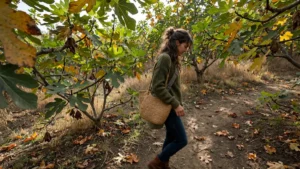
A fig grove is not a vineyard, and that is exactly the point. There is no tasting-room queue, no harvest crush to work around, and no timetable set by anyone else. A fig tree grows slowly, spreads wide, and gives its shade generously, which is why the retreats built around them feel different from the start. Days are measured by breakfast under the branches, a walk between the rows, and an evening when the fruit is eaten straight from the tree, warm from the sun.
The best fig grove retreats are small, seasonal, and quietly luxurious. They tend to be converted farmhouses, old estates, and family-run hotels where the garden is the main attraction and the dining room cooks with what the land produces. Figs appear at breakfast, in salads, roasted with honey at dinner, and sometimes in the spa, pressed into oils and scrubs. It is a gentle kind of luxury, one that suits travellers who want beauty and calm rather than a packed itinerary.
Below are nine fig grove retreats worth considering in 2027, from a Tuscan estate with a walled garden to a Mallorcan finca where the trees are older than the house. Each one is described by what it does well, what to watch for, and who it suits best, so you can choose a stay that matches the pace you actually want.
Key takeaways
- Fig grove retreats are small, seasonal stays built around gardens and farm-to-table cooking, not large resorts.
- The fig harvest runs roughly from late July to September in the Mediterranean, and that is the best window for the full experience.
- Most of these stays are rural, so a hire car is usually essential, and many have only a handful of rooms.
- Book the fig season early: the best rooms in the best groves are often taken months ahead.
- Figs are seasonal and weather-dependent, so a stay can be wonderful even in a year when the harvest is light, but do not plan a whole trip around one fruit alone.
What a fig grove retreat actually is
A fig grove retreat is a stay where the grove is part of the experience, not just a view. The trees shape the day: breakfast is served under them, paths wind between them, and the kitchen uses the fruit while it is ripe. Most of these places are working estates or restored farmhouses rather than purpose-built hotels, which means the architecture is older, the gardens are wilder, and the atmosphere is more personal than a polished resort.
The fig itself is a generous tree. In Provence, Tuscany, Mallorca, Puglia and Crete, fig trees have been part of the landscape for centuries, planted beside farmhouses for shade and food.
What sets these stays apart from other rural retreats is the pace. Instead there is a pool shaded by fig leaves, a long lunch, a walk at golden hour, and an evening that ends early because the air smells of warm earth and ripening fruit.
How we chose these retreats and what to look for
Look first at the grove itself. A true fig grove retreat has mature trees, not a handful of young saplings planted for the photographs. A working grove, where the fruit is actually harvested and used in the kitchen, is a much better sign than a garden that happens to have a fig tree in it.

Look next at the size and the season. Most of these retreats have fewer than thirty rooms, and some have fewer than ten, which is part of their charm but also means they book up fast. The fig season, roughly late July to September, is the sweet spot, but late spring and early autumn can be just as lovely, with fewer people and cooler walking weather. Our guide to luxury olive grove retreats follows the same logic, because grove stays of every kind reward the same kind of planning.
Finally, look at the practical details. A hire car is almost always needed, because these estates sit outside towns. Check whether breakfast is included, whether dinner is served on site, and whether the pool is open in the month you plan to visit.
The 9 best fig grove retreats of 2027
Borgo Santo Pietro, Tuscany, Italy
What we like: A restored 13th-century hamlet with walled gardens, mature fig trees, and a farm that supplies the restaurant. The setting is deeply peaceful, and the food is some of the best in Tuscany. What to consider: It is remote, a car is essential, and prices are firmly at the top end. Best For: Couples who want a quiet, food-led escape. Style: Restored medieval hamlet, romantic and understated. Price Range: £600 to £1,200 a night. Standout Feature: The walled garden and the farm-to-table restaurant.
Figs grow throughout the grounds here, and the kitchen uses them through late summer, in salads, with cheese, and roasted for dessert.
La Bastide de Marie, Ménerbes, Provence, France
What we like: A small, elegant bastide in the Luberon, with a garden full of fig, olive and lavender, and a restaurant that cooks Provençal food properly. What to consider: Only a handful of rooms, so summer dates go quickly. Best For: Food lovers and first-time Provence visitors. Style: Classic Provençal farmhouse, calm and refined. Price Range: £300 to £550 a night. Standout Feature: The garden terrace at sunset, when the fig leaves turn gold.
The Luberon is fig country, and this is one of its most charming small hotels.
Finca Serena, Mallorca, Spain
What we like: A beautifully restored Mallorcan finca surrounded by fig, almond and carob trees, with a spa, a pool, and a restaurant that leans heavily on the estate garden. What to consider: It is a drive from the coast, so beach days need planning. Best For: Wellness travellers who want gardens, not crowds. Style: Rustic Mallorcan estate with a modern spa. Price Range: £350 to £700 a night. Standout Feature: The estate grounds, where fig trees shade the walking paths.
Mallorca’s interior is full of old fig trees, and this estate keeps them at the heart of the property.
Masseria Moroseta, Puglia, Italy
What we like: A whitewashed masseria among olive and fig trees, with a vegetable garden, a pool, and a restaurant that serves Puglian cooking at its simplest and best. What to consider: The nearest town is a short drive away, and the masseria is at its best in the warm months. Best For: Design lovers and slow travellers. Style: Minimal Puglian farmhouse, white stone and clean lines. Price Range: £250 to £500 a night. Standout Feature: The courtyard garden, where figs ripen over the breakfast table.
Puglia grows figs everywhere, and this masseria treats them as part of the kitchen, not a garnish.
Can Bordoy Grand House and Garden, Palma, Mallorca
What we like: A grand house in the old town of Palma with a walled garden that feels like a private estate, fig trees included, plus a rooftop pool and a very good restaurant. What to consider: It is a city stay, so the grove is a garden, not a farm. Best For: Travellers who want a garden retreat with a city on the doorstep. Style: Historic Mallorcan palace, lush and private. Price Range: £300 to £600 a night. Standout Feature: The walled garden, one of the largest private gardens in Palma.
This is the fig grove retreat for people who do not want to choose between a garden and a city.
Terre Blanche, Provence, France
What we like: A large, polished resort in the Provençal hills with extensive grounds, fig and olive trees, two golf courses, and a spa that is genuinely excellent. What to consider: It is bigger and more resort-like than the other stays here. Best For: Travellers who want grove scenery with full resort facilities. Style: Grand Provençal resort, polished and spacious. Price Range: £500 to £1,000 a night. Standout Feature: The grounds, with fig trees scattered across the hillside.
Terre Blanche is the most resort-like entry on this list, but its grounds are real: fig trees, lavender, and long views across the valley.
Hacienda de San Rafael, Andalusia, Spain
What we like: A small, romantic hacienda between Seville and Jerez, set in gardens with fig, orange and palm trees, and a pool that feels entirely private. What to consider: Only a few rooms, and the summer heat in Andalusia is serious. Best For: Couples on a romantic road trip through Andalusia. Style: Whitewashed Andalusian hacienda, intimate and romantic. Price Range: £200 to £400 a night. Standout Feature: The garden pool, shaded by fig trees.
Andalusia’s fig trees are part of the landscape, and this hacienda is built around them.
Daios Cove, Crete, Greece
What we like: A luxury resort set in a private cove, with gardens that include fig trees, a spa, and several restaurants, all with views across the Aegean. What to consider: It is a larger resort, so it feels less intimate than the small estates here. Best For: Families and couples who want a grove setting with a beach. Style: Contemporary Cretan resort, open and light-filled. Price Range: £400 to £900 a night. Standout Feature: The cove setting, with gardens that run down to the sea.
Crete has grown figs for thousands of years, and this resort’s gardens carry that tradition into a modern, polished stay.
Rosewood Castiglion del Bosco, Tuscany, Italy
What we like: A vast Tuscan estate with a Brunello winery, a spa, a golf course, and gardens where fig trees grow beside the old farm buildings. What to consider: It is one of the most expensive stays in Tuscany, and the estate is large enough to feel spread out. Best For: Travellers celebrating something special. Style: Grand Tuscan estate, historic and luxurious. Price Range: £800 to £1,500 a night. Standout Feature: The estate itself, a working winery with centuries of history.
This is the grandest fig grove stay on the list, and the most complete.
Which fig grove retreat is right for you
Choose by what you want the days to feel like. If you want quiet and food, pick a small estate such as Borgo Santo Pietro or La Bastide de Marie, where the restaurant is the centre of the stay. If you want gardens with a city nearby, Can Bordoy in Palma is the obvious answer. If you want a beach as well as a grove, Daios Cove in Crete covers both.
Budget matters too, and the range on this list is wide. A night at Hacienda de San Rafael can cost a quarter of a night at Castiglion del Bosco, and both are genuine fig grove stays. The difference is scale and service, not the quality of the trees.
Season is the other decision. Late July to September is fig season, when the fruit is ripe and the kitchen is at its most creative, but it is also the hottest and busiest time. Late spring brings wildflowers and cooler walking weather, while October brings the harvest of olives and a quieter, golden landscape. Our luxury chestnut grove retreats guide makes the same point, because grove stays are at their best when you match the season to the trees.
The caveats that matter
Fig grove retreats are wonderful, but they are not for everyone. They are rural, they are seasonal, and they are small, which means they need more planning than a city hotel. The table below is the honest summary of what to know before you book, including the points that do not make it into the glossy photographs.
| Detail | What is known |
|---|---|
| Best time to go | Late July to September for ripe figs; May to June and October for cooler weather and fewer people |
| How many rooms | Most have under 30 rooms; several have under 10, so they book up early |
| Getting there | A hire car is usually essential; many estates are 20 to 40 minutes from the nearest town |
| What the figs are for | Eaten fresh at breakfast, used in the kitchen, and sometimes in spa treatments |
| Who should think twice | Travellers who want nightlife, a large spa menu, or a stay without driving |
| Fig allergies | Fig sap and fresh figs can irritate sensitive skin; ask staff before picking fruit |
| What to check before booking | Whether dinner is served on site, whether the pool is open, and whether breakfast is included |
| What it does not offer | It does not guarantee a fig harvest; weather and the season decide how much fruit there is |
If you have a latex or fig allergy, take it seriously. Fig sap contains a milky latex that can irritate skin, especially in sunlight, and fresh figs can trigger reactions in people with latex sensitivity.
Checklist: choosing a fig grove retreat honestly
Use these checks before you book, and again before you travel.
- Check the grove: ask how old the fig trees are and whether guests can walk among them.
- Check the season: book late July to September for ripe figs, or spring and autumn for cooler weather.
- Check the size: small estates book up months ahead in fig season, so reserve early.
- Check transport: confirm you have a hire car, and check the drive time from the airport.
- Check what is included: breakfast, dinner on site, and pool opening dates are the three details that matter most.
- Check the allergy note: if you have a latex or fig sensitivity, tell the hotel before you arrive.
Frequently asked questions
When is fig season in the Mediterranean?
The main fig harvest runs from late July to September, with a smaller early crop in June in the warmest places. Late August is usually the peak, when the fruit is at its sweetest and the kitchens are using it every day.
Do I need a hire car for a fig grove retreat?
Almost always, yes. These estates sit in the countryside, often 20 to 40 minutes from the nearest town, and taxis are unreliable in rural areas. A car also lets you visit nearby villages, markets, and other groves.
Are fig grove retreats good for families?
Some are, and some are not. Larger resorts such as Daios Cove and Terre Blanche work well for families, with pools and space to roam. The smallest estates, with only a handful of rooms, are usually better suited to couples. Check the hotel’s policy before booking, and ask whether children are welcome in the restaurant.
Can I pick figs from the trees?
Often yes, and many estates encourage it, but ask first. Some trees are reserved for the kitchen, and fig sap can irritate skin, especially in strong sun. Staff will show you which trees are for guests and how to pick without damaging the branch.
What is the difference between a fig grove retreat and a vineyard stay?
A vineyard stay is organised around wine: tastings, tours, and a harvest with a fixed timetable. A fig grove retreat is organised around the garden: breakfast under the trees, long lunches, and a slower pace. The luxury walnut grove retreats we covered recently sit in the same family, with the same emphasis on trees, gardens, and unhurried days.
Is a fig grove retreat worth the price?
It depends on what you value. If you want a quiet garden, excellent food, and days without a schedule, a fig grove stay is hard to beat. If you want nightlife, shopping, or a large spa, a city hotel or a bigger resort will suit you better for the same money.
The bottom line
The best fig grove retreat in 2027 is not the grandest or the most expensive. It is the one whose pace matches yours: a small estate with a good kitchen and a garden you can wander in, booked in fig season, with a hire car and no fixed plans. For most travellers, a stay in Provence, Tuscany, Mallorca or Puglia will deliver exactly that, at a price that suits the trip you actually want.
Choose one retreat, book it early, plan around the fig harvest, and leave room in the day for nothing at all. That is the honest way to enjoy a fig grove, and it is the reason these stays keep drawing travellers back year after year.