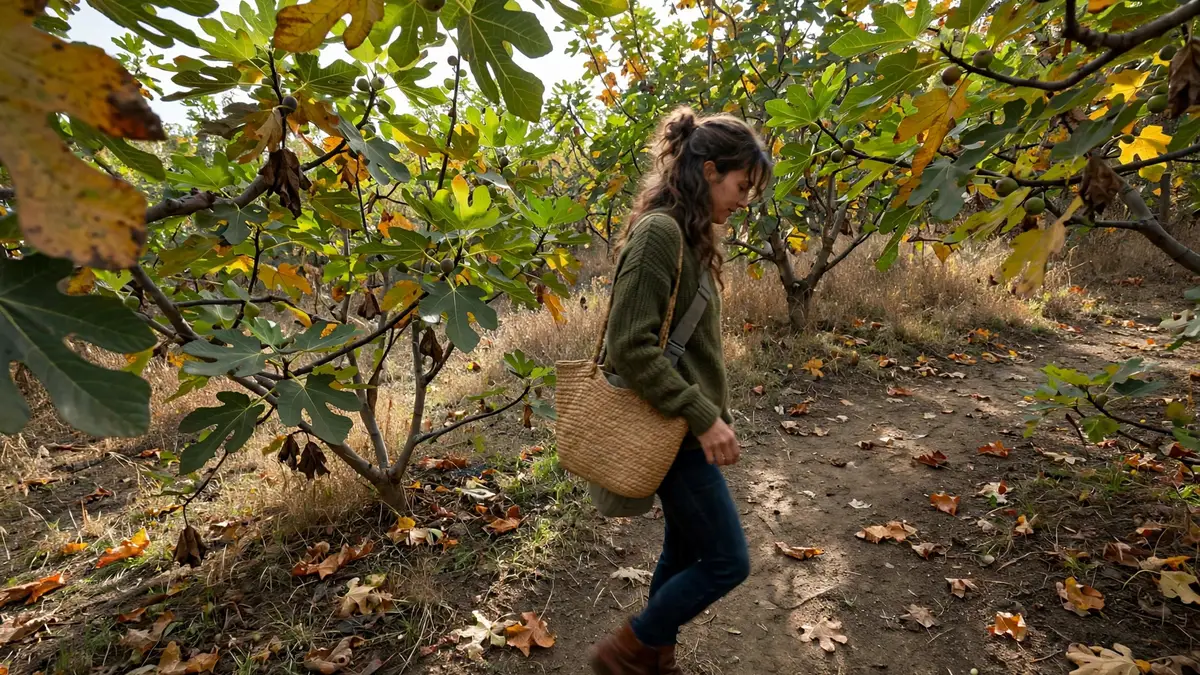
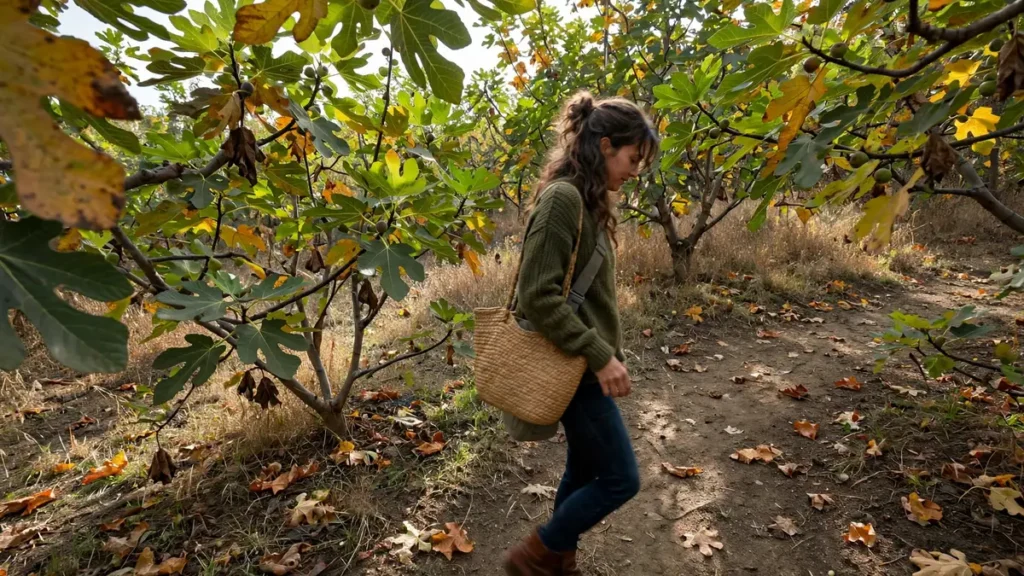
A fig grove escape is one of the simplest trips you can plan, and one of the easiest to get wrong. The idea is straightforward: a small estate, a garden full of fig trees, long meals, and days without a schedule. The reality depends on a handful of practical choices, and the most common mistakes are all avoidable.
The good news is that none of this is complicated. A fig grove escape needs a region, a season, a small stay, transport, and a budget that covers the whole trip rather than just the room. You will eat under the trees, walk between them, and find that the best part of the day is the part with nothing planned.
Below are nine steps for planning a fig grove escape in 2027, from choosing a region to leaving gaps in the day on purpose. Each step explains what to do, what to avoid, how long it takes, and the one tip that makes the biggest difference, so you can plan a trip that feels unhurried from the start.
Key takeaways
- Pick a region first, then a season: the fig harvest runs roughly late July to September, and that is the best window.
- Choose a small estate or a village inn over a large resort if you want the quiet, garden-led pace a grove stay promises.
- Book early, hire a car, and budget for meals, transport, and tastings, not just the room price.
- Book tastings and farm visits in advance, because the best ones have only a few places each week.
- A fig grove escape is weather- and season-dependent, so keep the plan loose and do not build the whole trip around one fruit alone.
What a fig grove escape actually involves
A fig grove escape is a short, slow trip built around a rural stay and its garden. The days are simple: breakfast under the fig trees, a walk or a swim, a long lunch, an afternoon rest, and dinner at the estate or in a nearby village. There is no sightseeing list to complete and no timetable to keep, which is why the planning matters more than it looks. The trip works when the stay, the season, and the transport all fit together, and it falls flat when any one of them does not.
The fig tree itself shapes the experience. In Provence, Tuscany, Mallorca, Puglia and Crete, fig trees grow beside farmhouses, along stone walls, and in the courtyards of old estates.
Most of these trips last three to five nights, which is long enough to settle into the pace and short enough to keep the cost manageable.
How to plan in the right order
Plan in this order: region, season, stay, transport, budget. That sequence matters, because each choice narrows the next one. Picking a stay before a region leaves you comparing hotels in places that do not suit the season you want. Picking a season before a region leaves you trying to force a harvest window that does not fit the landscape. Start with where, then when, then where to sleep, then how to get around, then what it will cost.
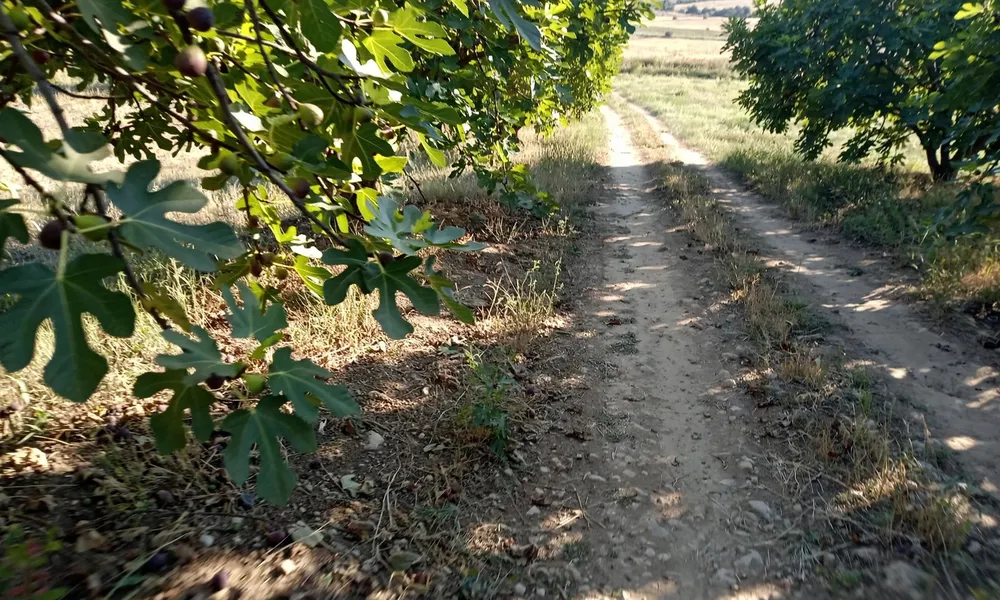
Give yourself time. The best grove stays have very few rooms, and the fig season is short, so the best rooms are often booked months ahead. If you are planning for August, start looking in spring. If you are flexible on dates, you will have more choice, and you may find a better price in the weeks either side of the peak. Our guide to planning a chestnut grove escape follows the same order, because grove trips of every kind reward the same kind of patient, early planning.
Finally, keep the plan written down in one place. Flights, the hire car, the stay, the tastings, and the budget all need to be visible together, because a grove escape has more moving parts than a city break, even though it feels simpler.
The 9 steps to planning a fig grove escape
Pick your region first
What to do: Choose one region and commit to it, whether that is Provence, Tuscany, Mallorca, Puglia, or Crete. Read about the landscape, the food, and the drive times before you look at hotels. What to avoid: Trying to cover two regions in three nights, which turns a slow trip into a driving holiday. Best For: First-time grove travellers, who benefit from a single base. Time Needed: An evening of reading. Standout Tip: Pick the region whose food you most want to eat, because the kitchen is where you will spend the best hours of the day.
Provence suits first-timers who want elegant villages and easy driving, Tuscany suits travellers who want history and wine, and Puglia suits anyone who wants the same whitewashed beauty at a gentler price.
Time it with the fig harvest
What to do: Aim for late July to September, when the figs are ripe and the kitchens are using them daily. Late August is usually the peak. What to avoid: Booking in high summer without checking the heat, or in winter when the trees are bare and many estates are closed. Best For: Travellers who want the full fig experience. Time Needed: A few minutes to check the season. Standout Tip: Ask the hotel directly when their figs ripen, because the exact weeks vary by region and by year.
If you travel in late August, you will find the kitchens at their most creative, with figs in salads, with cheese, and roasted with honey for dessert, and the trees heavy with fruit.
Decide between a working estate and a village inn
What to do: Choose a working estate if you want gardens, a pool, and dinner on site, or a village inn if you want to walk to restaurants and shops. What to avoid: Booking a large resort and expecting the intimacy of a small estate. Best For: Couples, who usually prefer the estate, and solo travellers, who often prefer the village. Time Needed: An hour of comparing stays. Standout Tip: Count the rooms. Under ten rooms means intimate and personal; over fifty means resort, whatever the photographs suggest.
A working estate gives you the grove itself, while a village inn gives you the village, and both are good trips as long as you choose the one that matches the mood you want to wake up in.
Book the stay early, and check the details
What to do: Book as soon as you have dates, and confirm breakfast, dinner, pool dates, and check-in times in writing. What to avoid: Assuming dinner is served every night, or that the pool is open in the month you visit. Best For: Anyone travelling in fig season, when the best rooms go first. Time Needed: An hour to book and confirm. Standout Tip: Email the hotel with your questions rather than relying on the booking site, because small estates answer personally and know their own details best.
A short email to the hotel will tell you whether the restaurant is open on your dates, whether the pool is heated, and whether the fig trees are in the garden or a short walk away.
Sort transport before you arrive
What to do: Hire a car at the airport and check the drive time to your stay before you book the flights. What to avoid: Relying on taxis or buses in the countryside, where both are scarce and expensive. Best For: Every grove escape, without exception. Time Needed: An hour to book the car and check the route. Standout Tip: Choose a small car, because country lanes are narrow and estate driveways are often unpaved.
Our guide to planning a walnut grove escape makes the same point, because every grove stay depends on the same simple fact: you need to drive there.
Set a total budget, not just a room price
What to do: Add up the room, the car, the flights, the meals, and the tastings, and set a daily total you are comfortable with. What to avoid: Budgeting only for the room, then being surprised by dinner, wine, and transport costs. Best For: Travellers who want to enjoy the trip without watching every bill. Time Needed: An evening with a spreadsheet or a notebook. Standout Tip: Budget for one special dinner and one tasting, and treat the rest of the meals as simple and local.
Meals at a good estate restaurant, a hire car, and a tasting or two can add as much again to the room price, so a total budget keeps the whole trip honest and stops the room from deciding it for you.
Book tastings and farm visits in advance
What to do: Book tastings, farm visits, and cooking classes as soon as your dates are fixed, because the best ones have only a few places each week. What to avoid: Turning up and hoping for a place, especially in August. Best For: Food lovers and anyone who wants to understand the landscape. Time Needed: An hour of emails. Standout Tip: Ask the hotel to recommend and book for you, because they know the local producers personally.
The best experiences are small and personal, from a tasting at a family winery to a cooking class in a farmhouse kitchen, and they are the first things to sell out, so book them early.
Pack for the grove, not the hotel
What to do: Pack light, breathable clothes, comfortable walking shoes, a hat, sunscreen, and a light layer for the evenings. What to avoid: Packing formal clothes, high heels, or a suitcase you cannot carry up a stone staircase. Best For: Every grove traveller, especially in summer. Time Needed: An evening before departure. Standout Tip: Pack a small bag for day trips, so you can carry water, sunscreen, and a book without the whole suitcase.
The olive grove escape guide gives the same advice, because the landscape is the same and the packing list barely changes.
Leave gaps in the day on purpose
What to do: Plan one thing a day, at most, and leave the rest of the day empty. What to avoid: Filling the diary with tours, tastings, and drives, which turns a slow trip into a schedule. Best For: Anyone who chose a grove escape for the calm. Time Needed: Five minutes when you write the plan. Standout Tip: Put the empty hours in writing, so you do not feel guilty about them when the day arrives.
The best hours are the ones under the trees, with a book and a glass of something cold and no plan at all, so protect those hours and the trip will take care of itself.
When to go and how long to stay
Three to five nights is the sweet spot for a first fig grove escape. It is long enough to settle into the pace, short enough to keep the cost manageable, and it fits neatly around a weekend if you need it to.
Season is the other decision, and it matters more than length. October is golden and quiet, with the olive harvest beginning and the light turning soft in the late afternoon. Late July to September is fig season, and that is when the trip is at its best. May and June are cooler and greener, with wildflowers and empty roads. October is golden and quiet, with the olive harvest beginning.
Whatever you choose, book the flights and the stay together, and check the drive time between them. A late arrival at a rural estate, after a long drive in the dark, is the worst possible start to a slow trip.
The caveats that matter
A fig grove escape is a wonderful trip, but it is not a trip for everyone, and it is not a trip that forgives careless planning. The table below is the honest summary of what to know before you go, including the points that do not appear in the photographs.
| Detail | What is known |
|---|---|
| Best time to go | Late July to September for ripe figs; May to June and October for cooler weather and fewer people |
| Ideal trip length | Three to five nights for a first trip; a week if you are combining two stays |
| Transport | A hire car is essential; estates are usually 20 to 40 minutes from the nearest town |
| Budget | Room prices range from around £200 to over £1,000 a night; add meals, car, and tastings |
| Who should think twice | Travellers who want nightlife, shopping, or a stay without driving |
| Fig allergies | Fig sap and fresh figs can irritate sensitive skin; ask staff before picking fruit |
| What to book first | The stay, then the car, then the tastings, in that order |
| What the trip does not offer | It does not guarantee a fig harvest; weather and the season decide how much fruit there is |
If you have a latex or fig allergy, take it seriously and tell the hotel before you arrive. The staff at these estates deal with this regularly, so a short note in advance is all it takes.
Checklist: planning a fig grove escape honestly
Use these checks before you book, and again before you travel.
- Check the region: pick one region and commit to it, rather than trying to cover two in a short trip.
- Check the season: aim for late July to September for ripe figs, or choose spring or autumn on purpose.
- Check the stay: confirm breakfast, dinner, pool dates, and check-in times in writing before you pay.
- Check transport: hire a car at the airport and confirm the drive time to your stay.
- Check the budget: add the room, the car, the flights, the meals, and the tastings into one total.
- Check the plan: leave at least half of each day empty, and put the empty hours in writing.
Frequently asked questions
How far ahead should I book a fig grove escape?
As early as you can. The best grove stays have very few rooms, and the fig season is short, so the best rooms are often booked months ahead.
Can I do a fig grove escape without a car?
It is very difficult. These estates sit in the countryside, often 20 to 40 minutes from the nearest town, and taxis are unreliable in rural areas.
Is a fig grove escape good for children?
It depends on the stay. Larger resorts with pools and space work well for families, while the smallest estates, with only a handful of rooms, are usually better for couples. Check the hotel’s policy before booking, and ask whether children are welcome in the restaurant.
What should I pack for a fig grove escape?
Light, breathable clothes, comfortable walking shoes, a hat, sunscreen, and a light layer for the evenings. Leave the formal clothes and high heels at home. A small day bag for water, sunscreen, and a book is more useful than a large suitcase.
What is the difference between a fig grove escape and a vineyard trip?
A vineyard trip is organised around wine, with tastings, tours, and a harvest timetable. A fig grove escape is organised around the garden, with breakfast under the trees, long lunches, and a slower pace. If you want a schedule, choose the vineyard. If you want empty hours, choose the grove.
Is a fig grove escape expensive?
It can be, but it does not have to be. Room prices range from around £200 a night at a small hacienda to over £1,000 at a grand estate, and the total depends on how many nights you stay and what you add.
The bottom line
A fig grove escape is one of the simplest trips you can plan, and one of the most rewarding, as long as you plan it in the right order. Pick a region, time it with the fig harvest, choose a small stay, hire a car, set a total budget, and leave half of each day empty. That is the whole plan, and it is enough.
Book it early, arrive in daylight, eat under the trees, and let the garden set the pace. A fig grove escape is one of the simplest trips you can plan, and one of the most rewarding, as long as you leave room in the day for nothing at all.