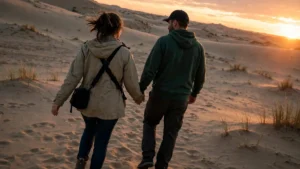
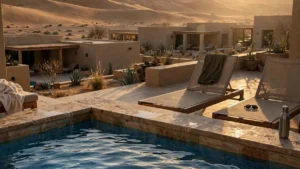
A desert escape is one of the most rewarding trips you can plan, and one of the easiest to get wrong. The desert rewards slow mornings, early starts and unhurried evenings, and it punishes tight schedules, midday ambition and poor planning. A trip that looks simple on a map — fly in, drive out, stay two nights, come home — can unravel quickly if the transfer is longer than expected, the heat arrives earlier than planned, or the hotel turns out to be hours from the dunes you came to see.
The good news is that none of this is hard to avoid. A desert escape is planned in the same order every time: choose the desert and the season first, then the hotel, then the transport, then the activities, and only then the packing.
This guide walks through the nine decisions that matter most, in the order you should make them, from picking the desert to packing the right bag.
Key takeaways
- Choose the desert and the season before you choose a hotel — the landscape and the temperature decide everything else.
- Transfers are the hidden part of a desert trip: check the distance, the road and the cost before you book anything else.
- Plan activities for dawn and dusk, and treat the middle of the day as rest time, not sightseeing time.
- Book the hotel before the flights, because desert hotels have small room counts and long minimum stays in peak season.
- No amount of planning can guarantee clear skies, comfortable temperatures or a private dune, and remote deserts mean limited medical facilities and patchy phone signal.
What a desert escape actually involves
A desert escape is not a city break with sand. The distances are longer, the days are shaped by heat, and the hotel is often the destination rather than a base for sightseeing. You will spend more time at the hotel than you would on a city trip, the best hours of the day are the first and the last, and the middle of the day is for the pool, the spa, a book and a nap.
It also helps to understand what you are actually booking. A desert escape usually means a hotel or a camp in or near a desert, with activities such as dune drives, guided walks, camel rides and stargazing. It does not usually mean a self-drive expedition into deep desert, which needs specialist vehicles, permits and experience. For most people, a hotel-based escape with guided activities is the right choice, and it is what this guide covers.
The other thing to know is that deserts are fragile and often protected. Many of the best desert areas are conservation reserves or national parks, with rules about where vehicles can go, what can be built and how many visitors are allowed. It is what keeps the desert quiet and dark at night.
How to plan a desert escape, step by step
The nine steps below are in the order you should take them. Skipping ahead is possible, but it usually creates work later: booking flights before you know the transfer time, or choosing activities before you know the hotel’s location, are the two most common mistakes, and both are avoidable.
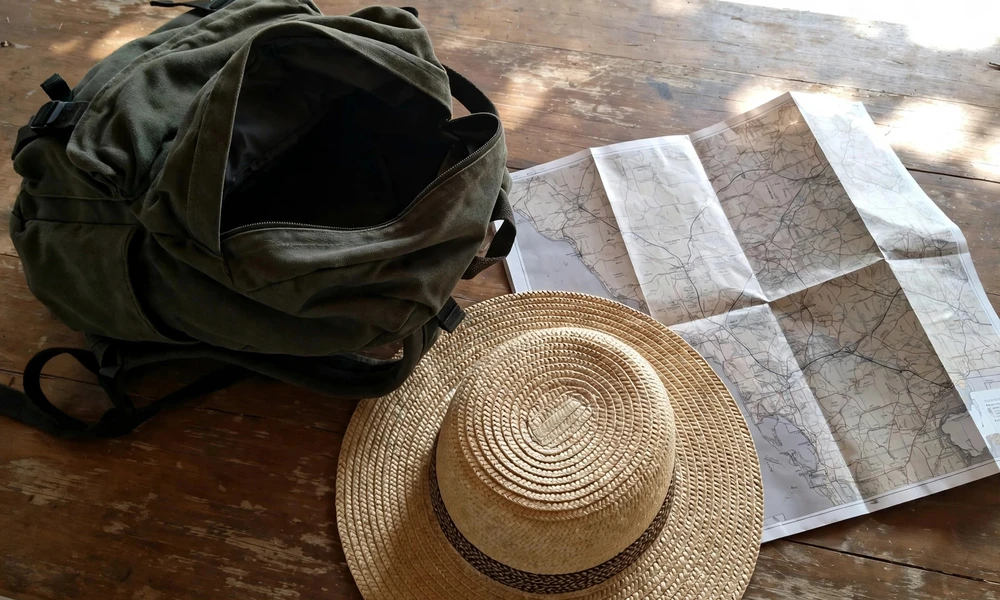
Before you start, decide who is travelling and what kind of trip it is. A romantic escape for two, a family holiday with children, and a solo wellness break need different deserts, different hotels and different pacing.
The 9 steps to planning a desert escape
Pick the desert and the season together
What to do: Choose a desert region first, then check its temperature range for your dates, and only then commit. What to avoid: Choosing dates before checking the temperature, or assuming that a desert is hot in the same way all year. Best For: Every traveller — this is the decision everything else depends on. Time Needed: An evening of research. Standout Tip: Look up the average night-time temperature too, because desert nights can be cold even when the days are hot.
The desert you choose shapes the whole trip: the landscape, the activities, the food, the culture and the journey. A dune desert in the Empty Quarter is a different holiday from the red rock canyons of Utah, even though both are deserts.
Decide how long to go for
What to do: Plan for at least three nights in the desert itself, plus travel days on either side. The first day is usually spent arriving and adjusting, and the best activities need more than one morning and one evening. What to avoid: Trying to fit a desert stay into a single night, or adding it as a rushed stop on a longer trip. Best For: Travellers who want the desert to feel restful rather than rushed. Time Needed: Half an hour, once you know the transfer times. Standout Tip: Count the transfer as part of the trip, not as lost time — a slow drive through the desert is part of the experience.
Desert hotels often have minimum stays of two or three nights in peak season, so a short stay may not even be possible. Three nights is the sweet spot for most people.
Choose the hotel before the flights
What to do: Book the desert hotel first, because desert hotels have small room counts and fill up early in peak season, then fit your flights around the hotel’s availability. What to avoid: Booking flights first and then finding the hotel you want is full, or only available on dates that do not match. Best For: Peak-season travel and small, popular properties. Time Needed: A few days of comparing options and waiting for replies. Standout Tip: Ask the hotel about its minimum stay and its cancellation policy before you book anything else.
This is the step most people get backwards, and it is the one that causes the most rebooking. If your dates are fixed, book the hotel as early as you can. Our guide to the best luxury desert retreats is a good place to start comparing the smaller, quieter properties.
Sort the transfer before anything else
What to do: Ask the hotel exactly how you get there: the distance, the road, the time, the cost, and what happens if your flight is delayed. What to avoid: Assuming a hire car will do, or that a taxi will be available at a remote airstrip. Best For: Every desert trip — transfers are the most common source of problems. Time Needed: An hour of emails and checking. Standout Tip: Save the hotel’s phone number and the driver’s number before you travel, in case your flight changes.
Desert transfers can be long, rough and expensive, and they are often the part of the trip that surprises people most. A three-hour drive on a rough track after a long flight is not. Know which one applies before you book.
Set a total budget, not just a room budget
What to do: Add up the full cost before you commit: flights, transfers, the hotel, meals, activities, tips and travel insurance, and compare properties on that total. What to avoid: Comparing hotels on the room rate alone, which can make the most expensive stay look like the cheapest. Best For: Travellers who want to avoid a surprise bill at checkout. Time Needed: An evening with a spreadsheet or a notebook. Standout Tip: Ask the hotel for a sample total for your dates, including the activities you actually want to do.
Desert hotels vary enormously in what they include. Some include all meals and activities, some include breakfast only, and some charge for almost everything beyond the room. The honest comparison is the total, not the starting price.
Plan activities for dawn and dusk
What to do: Book the best activities — dune walks, camel rides, guided drives, stargazing — for the first and last hours of the day, and keep the middle of the day for the pool, the spa and rest. What to avoid: Planning a full day of outdoor activity in the midday heat, which is tiring and can be unsafe. Best For: Everyone, but especially children and older travellers. Time Needed: An hour with the hotel’s activity list. Standout Tip: Book the most popular activities as soon as you book the hotel, because guides and slots are limited.
The desert is at its best when the light is low and the temperature is kind. Dawn walks, sunset drives and night skies are the experiences people remember.
Sort passports, health and paperwork early
What to do: Check passport validity, visas, vaccinations and travel insurance at least two months before you travel, and tell the hotel about any medical conditions, allergies or dietary needs in advance. What to avoid: Leaving paperwork to the last week, or assuming a remote hotel can handle a medical emergency quickly. Best For: International travel and travellers with health conditions. Time Needed: A few hours spread over a week. Standout Tip: Carry a small first-aid kit and any regular medication in your hand luggage, not in checked bags.
Remote deserts mean the nearest hospital can be hours away, and a hotel that knows your situation in advance can plan properly. If you are pregnant, travelling with small children, or have a heart or breathing condition, check with your clinician before you book. A guide to planning a luxury safari covers similar ground for remote travel, and much of the same advice applies here.
Pack for the desert, not the hotel
What to do: Pack layers for cold mornings and evenings, sun protection, a hat, closed walking shoes, and a light scarf for wind and sand. Pack light, because desert transfers often have strict luggage limits. What to avoid: Packing for the hotel lobby rather than the desert — formal clothes, heavy bags and white shoes that will not survive the sand. Best For: Every desert traveller. Time Needed: An evening of packing. Standout Tip: Pack a small day bag for dawn activities, with water, sunscreen, a hat and a camera, so you are ready before the sun is up.
Desert packing is about layers and protection, not fashion. The temperature can swing 20 degrees between dawn and midday, and the wind can pick up sand without warning.
Build the days around rest, then let go
What to do: Plan one main activity in the morning and one in the evening, and leave the middle of the day empty. Arrive with a plan, but be ready to change it if the weather, the light or your energy suggests something else. What to avoid: Filling the itinerary so tightly that a delayed transfer or a sandstorm ruins the trip. Best For: Travellers who want to come home rested rather than exhausted. Time Needed: An hour of planning, then no more. Standout Tip: Keep one day completely free, with nothing booked, so you can follow the weather and your mood.
The best desert trips have slack in them. The desert is unpredictable — a sandstorm can close a road, a cloudy night can hide the stars, and a dune you planned to climb can look better from the ground. Our roundup of the best luxury travel destinations is a useful reminder that the destination matters less than how you travel through it.
Which desert escape is right for you
The right desert escape depends on who is travelling and what you want from the trip. Couples who want privacy should look for small properties with villas and plunge pools, in a desert that is easy to reach. Families need a hotel with family rooms, a pool children can use, and activities that work for different ages, and should avoid the hottest months entirely. Solo travellers often do best at hotels with communal dining or guided group activities, where the desert feels social rather than isolating.
Budget matters too, but it should be judged on the whole trip. A shorter stay at a more inclusive hotel can cost less than a longer stay at a cheaper hotel with everything charged separately.
Finally, think about what you want to remember. Some people want the photograph of the dune at sunset. Some want the silence. Some want the food, the culture or the wildlife.
The caveats that matter
Desert travel is safe for most people, but it is not without risk. Heat is the main one. In the Middle East and North Africa, daytime temperatures in high summer can pass 45 degrees, which makes outdoor activity unsafe for much of the day.
| Detail | What is known |
|---|---|
| Best season, Middle East and North Africa | November to March, with the coolest nights in December and January |
| Best season, American Southwest | March to May and September to November; summers are very hot |
| Ideal length | Three nights in the desert, plus travel days on either side |
| Book first | The desert hotel, because room counts are small and peak dates fill early |
| Biggest hidden cost | Transfers, which can be long, rough and expensive |
| Best activity hours | Dawn and dusk; the middle of the day is for rest |
| Who should take extra care | Young children, older travellers, pregnant travellers and anyone with a heart or breathing condition |
| What no plan can guarantee | Clear skies, comfortable temperatures, wildlife sightings or a private dune |
Wildlife is the other thing to take seriously. Deserts are home to snakes, scorpions and other animals that are best admired from a distance. It is a reason to respect it, and to travel with a guide who knows it.
Checklist: planning a desert escape honestly
Use these checks before you book, and again two weeks before you travel.
- Check the desert and the season: look up average daytime and night-time temperatures for your exact dates.
- Check the hotel: book it before the flights, confirm the minimum stay, and ask what is included.
- Check the transfer: distance, road, time, cost, and what happens if your flight is delayed.
- Check the total budget: flights, transfers, hotel, meals, activities, tips and insurance added together.
- Check the paperwork: passport, visa, vaccinations, insurance, and any medical or dietary needs told to the hotel.
- Check the packing: layers, sun protection, a hat, closed walking shoes, and a light scarf for wind and sand.
Frequently asked questions
How far in advance should I book a desert escape?
As early as you can for peak season, ideally three to six months ahead. Desert hotels have small room counts and fill up early, and the best guides and activities are booked just as quickly. For shoulder season, six to eight weeks is usually enough.
Do I need a guide in the desert?
For most desert escapes, yes. A local guide knows the routes, the weather, the wildlife and the rules of the reserve, and makes the trip safer and more interesting.
Is a desert escape suitable for children?
Often yes, if you choose the right hotel and the right season. Larger resorts with pools and family rooms work well, and children usually love the dunes, the animals and the stargazing. Avoid the hottest months, plan activities for dawn and dusk, and check the hotel’s minimum age policy before you book.
What happens if the weather turns bad?
Sandstorms, heavy rain and high winds can close roads and cancel activities, and desert weather can change quickly. A good hotel will have a plan for bad weather, with indoor activities, spa treatments and flexible rebooking.
Can I combine a desert escape with a city trip?
Yes, and it often works well. A few days in a city such as Dubai, Marrakech or Scottsdale, followed by three nights in the desert, gives you both kinds of holiday.
How much should I tip on a desert trip?
Tipping customs vary by country and by hotel, so ask the hotel what is expected. Guides, drivers and camp staff are usually tipped separately from the hotel bill, and a small amount in local currency is often more useful than a card payment.
The bottom line
A good desert escape is planned in order: desert and season first, then the hotel, then the transfer, then the activities, and only then the packing. Get that order right, give yourself at least three nights, and plan your days around dawn and dusk, and the desert will do the rest. It is a landscape that rewards patience and punishes haste, and the travellers who enjoy it most are the ones who arrive ready to slow down.
Choose the desert that suits you, book the hotel before the flights, add up the full cost before you commit, and leave room in the plan for the weather and for rest.