Split ends are the most common hair problem there is, and the most misunderstood. They are a sign that the ends, the oldest part of each strand, have worn thin after years of washing, brushing, heat and sun. The protective cuticle has chipped away, the inner fibres have frayed apart, and the ends look rough, dull and tangled no matter how carefully you brush them.
Hair oil is the most practical tool for managing that. It seals the cuticle, smooths the frayed fibres so they lie flat, and adds slip that stops a small split travelling further up the strand. It will not fuse a split end back together for good, and no product honestly can, but used the right way it makes the ends look and feel smooth, keeps the length in good condition, and stretches the time between trims.
This guide explains how to use hair oil for split ends properly, step by step, from choosing the right weight of oil to applying it, leaving it in, and knowing when it is time for a trim instead.
Key takeaways
- Apply hair oil to the ends first, never to the roots, using two to three drops warmed between your palms.
- Damp hair after washing is the best time to oil, because the oil seals in moisture and smooths the cuticle.
- A weekly pre-wash treatment, left on for twenty to thirty minutes, adds deeper softness for very dry ends.
- Light oils suit fine hair and rich oils suit thick, coarse and curly hair, and the wrong weight is the most common mistake.
- Oil manages split ends but cannot repair them, and a split end that is still visible after a month needs a trim.
What hair oil actually does for split ends
A strand of hair is protected by the cuticle, a layer of overlapping scales that lies flat when the hair is healthy. At the ends, that layer is the oldest and most worn. Washing, brushing, tying, heat styling and sun exposure gradually lift and chip those scales away, and once the inner fibres are exposed the strand frays and splits. That is a split end, and it is almost inevitable over time, because the ends are the part of the hair that has survived the longest.
Oil helps because it is one of the few things that can sit on the surface of the hair and stay there, filling the gaps where the cuticle has worn away and smoothing the frayed fibres back into line. It also reduces friction between strands, which matters because friction is what makes a small split travel further up the shaft.
It is worth being honest about the limit. No oil, mask or serum can fuse a split end back together permanently, because the fibres have separated. The only way to remove the split is to cut it off. What oil does is make the ends look and feel smooth, slow the damage, and keep the length in good condition between trims. Our guide to how to repair damaged hair makes the same honest split between what products can do and what only a trim can fix.
How to choose the right oil and what to look for
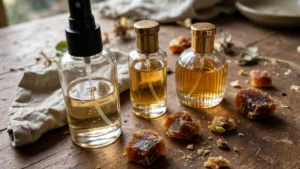
Choose by weight first, because the wrong weight is the most common reason an oil disappoints. Fine hair needs a light, fast-absorbing oil such as squalane or a bonding oil, used in tiny amounts. Thick, coarse and curly hair can take a richer oil such as argan or rahua, and usually needs a little more of it.
Look next at the ingredient list. A good split-end oil is mostly oil, not mostly silicone. Silicones can smooth hair very effectively, and there is nothing wrong with them in moderation, but an oil that is mostly silicone can build up and leave hair feeling coated rather than soft. A short list with a recognisable base oil, such as argan, jojoba or squalane, is usually a good sign. Fragrance is a matter of taste, but a strongly scented oil can irritate a sensitive scalp if it travels up the strand.
Finally, look at the bottle. A dropper or pump that gives you two to three drops at a time is worth more than a wide-neck bottle you have to pour, because dosing is the whole skill here. A small bottle is not a problem, because you use so little each time, and a 30 ml bottle often lasts three to four months. Our guide to how to use hair oil covers the same basics, including how little you actually need for the ends alone.
How to use hair oil for split ends, step by step
Start with clean, towel-dried hair
What to do: Wash your hair as normal, then gently squeeze out the excess water with a towel and leave the hair damp, not dripping.
What to avoid: Do not apply oil to soaking wet hair, because it will slide off, and do not apply it to very dirty hair, because it will trap grease and product build-up against the ends. Best for: Every hair type, after every wash. Time needed: Two minutes. Standout tip: Pat the ends with a towel first, so the oil goes onto damp hair rather than wet hair.
Warm two to three drops between your palms
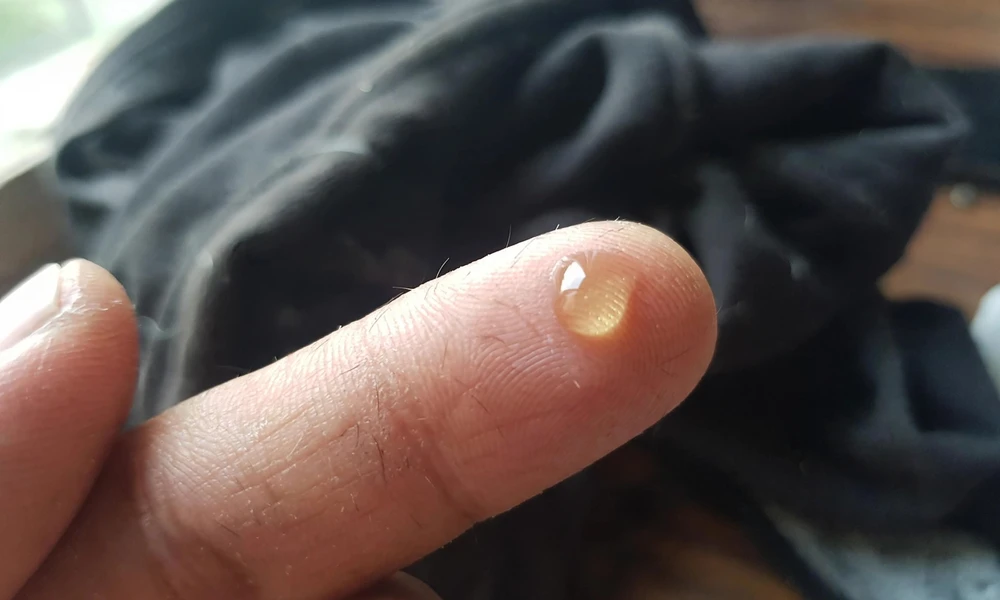
What to do: Put two to three drops of oil into your palm, rub your hands together for a few seconds, and spread the oil into a thin, even layer.
What to avoid: Do not pour oil straight onto the hair, because it will land in one heavy spot and leave the rest of the ends dry. Best for: Every hair type, every time you oil. Time needed: Ten seconds. Standout tip: Start with two drops. You can always add a third, but you cannot take oil back once it is on the hair.
Apply to the ends first, not the roots
What to do: Smooth your oiled palms over the last five to eight centimetres of the hair, where split ends actually form, pressing the ends gently between your palms so the oil coats the frayed fibres.
What to avoid: Do not start at the roots or the scalp, because oil there makes hair look greasy and can irritate the scalp. Best for: Every hair type, especially fine hair. Time needed: One minute. Standout tip: If you can see the oil on your hands after smoothing the ends, you used too much.
Work up the lengths gradually
What to do: Once the ends are coated, run your hands lightly up the mid-lengths, only if they still feel dry.
What to avoid: Do not add a fresh drop for the lengths on the first pass, because the ends need the oil most and the lengths will pick up enough from your hands. Best for: Thick, long and curly hair. Time needed: One minute. Standout tip: The mid-lengths only need oil if they feel rough when you run your fingers through them.
Comb through gently with a wide-tooth comb
What to do: Use a wide-tooth comb to distribute the oil evenly and detangle the ends, starting at the tips and working upward in short strokes.
What to avoid: Do not drag a fine-tooth comb or a brush through oiled ends, because that pulls at the split fibres and can make the split worse. Best for: Every hair type, after every application. Time needed: One minute. Standout tip: Comb from the ends upward, not from the roots down, so you are not dragging tangles through the fragile tips.
Leave it in as a daily seal
What to do: Leave the oil in after washing and style as normal.
What to avoid: Do not add more oil on top of oil during the day, because layers of oil build up and leave hair looking coated. Best for: Every hair type, as a daily routine. Time needed: No extra time. Standout tip: A daily seal works best when it is light, so keep the morning dose small and let the weekly treatment do the heavy work.
Use it as a pre-wash treatment once a week
What to do: Once a week, apply a little more oil to the ends and lengths, leave it on for twenty to thirty minutes before shampooing, and then wash as normal.
What to avoid: Do not leave a heavy oil on overnight on a pillow without a towel, because it will transfer to the bedding, and do not use a pre-wash treatment on the scalp. Best for: Dry, coarse, curly and bleached hair. Time needed: Twenty to thirty minutes. Standout tip: Put the oil on before a shower or a bath, so the steam helps it sink in and the wash removes any excess.
Add a drop before heat styling
What to do: Before blow-drying or using a straightener, smooth one drop of oil over the ends as a light heat buffer, then style as normal.
What to avoid: Do not use oil as a substitute for a proper heat protectant on high heat, and do not apply oil to hair that is already hot from styling. Best for: Hair that is blow-dried or straightened regularly. Time needed: Thirty seconds. Standout tip: One drop is enough. More oil plus heat just leaves the ends looking flat and coated.
Reapply a tiny amount between washes
What to do: On the second or third day after washing, warm a single drop between your palms and smooth it over the very ends to refresh the seal and calm flyaways.
What to avoid: Do not reapply the full two to three drops between washes, because the hair already has oil on it and extra oil will build up. Best for: Dry and frizzy ends between washes. Time needed: Thirty seconds. Standout tip: If the ends still look dry after one drop, the hair probably needs a trim rather than more oil.
Which routine fits your hair type
Fine hair needs the lightest routine. One to two drops on damp ends after washing, and no pre-wash treatment unless the ends are very dry, because fine hair shows excess oil quickly and goes flat by midday. A light bonding oil or squalane is the best fit, and the daily seal matters more than the weekly treatment.
Thick, coarse and curly hair can take a fuller routine. Three to four drops after washing, a weekly pre-wash treatment, and a single drop between washes all help, because this hair is naturally drier at the ends. Curly hair in particular benefits from oil, because the curl pattern makes it harder for the scalp’s natural oils to reach the ends, which is one reason curly ends split so readily.
Bleached and colour-treated hair needs sealing plus gentleness. The ends are already fragile, so a light bonding oil is a better choice than a heavy plant oil, and a pre-wash treatment once a week will do more than a daily drop. Sleeping on a silk pillowcase also helps, because it reduces the friction that splits fragile ends overnight, as our guide to how to protect hair while sleeping explains.
The caveats that matter
Hair oil is low-risk, but it is not magic, and it is not free of downsides. The most common problem is using too much, which leaves hair looking greasy and flat, and can make the scalp itchy if the oil travels up the strand. The second is expecting a repair that oil cannot deliver. A split end that has frayed into several fibres will not fuse back together, however good the oil is, and the only honest fix is a trim.
| Detail | What is known |
|---|---|
| Best time to apply | On damp hair after washing, when the oil can seal in moisture |
| How much to use | Two to three drops on the ends; one drop for fine hair |
| Where to apply it | On the ends first, then the lengths if needed; not on the roots or scalp |
| Pre-wash treatment | Once a week, twenty to thirty minutes before shampooing |
| Heat styling | One drop on the ends before styling; oil is not a full heat protectant |
| Who should start gently | Fine hair and sensitive scalps; start with one drop and a light oil |
| What to avoid | Pouring oil straight onto the hair, and using oil to delay a trim for months |
| When to get a trim | When splits are visible, ends feel rough, or the split has travelled up the strand |
If your scalp is sensitive, or you have a skin condition such as eczema or psoriasis on the scalp, keep oil on the ends only and patch-test a new oil on your inner arm first. A strongly scented oil can irritate a sensitive scalp, and an oil that is left on the scalp overnight can clog follicles and cause itching. These are small risks, but they are easy to avoid by keeping the oil where the split ends actually are.
Checklist: using hair oil for split ends honestly
Use these checks before you start, and again after two weeks of use.
- Check the weight: light squalane or bonding oil for fine hair, richer argan or rahua for thick and curly hair.
- Check the dose: two to three drops warmed between your palms, and one drop for fine hair, applied to the ends only.
- Check the timing: damp hair after washing for the daily seal, and a pre-wash treatment once a week for very dry ends.
- Patch-test first: apply a drop to your inner arm for two days before using a new oil on your hair.
- Check the ends after two weeks: they should feel smoother and look less frayed, not heavy or coated.
- Book the trim: oil buys time, but a split end that is still visible after a month needs cutting, not more oil.
Frequently asked questions
Can hair oil fix split ends?
No, not permanently. Oil seals the cuticle and smooths the frayed fibres so the split looks and feels better, and it slows the split from travelling further up the strand. The only way to remove a split end completely is to trim it off.
How often should I use hair oil on split ends?
Daily is fine, in small amounts, on damp hair after washing. A pre-wash treatment once a week, left on for twenty to thirty minutes before shampooing, adds deeper softness for very dry ends.
Should I put hair oil on wet or dry hair?
Damp hair is usually best, because the oil seals in the moisture from washing. A tiny amount on dry hair works well between washes to smooth flyaways and frayed ends, but use less, because dry hair shows excess oil more easily.
Can I use hair oil before blow-drying?
Yes, one drop on the ends before blow-drying adds slip and reduces friction. It is not a full heat protectant on its own, so use a proper heat protectant as well if you style with high heat regularly.
Will hair oil make my hair greasy?
Only if you use too much, or apply it to the roots. Two to three drops on the ends, warmed between your palms first, should absorb without leaving hair looking greasy. Fine hair should start with one drop.
How do I stop split ends coming back?
Trim every eight to twelve weeks, use oil on the ends after washing, protect hair from heat with a lower dryer setting, and be gentle when brushing, especially when hair is wet. No single step prevents split ends, but together they slow them down a great deal.
The bottom line
Using hair oil for split ends is a simple routine, and it works best when it stays simple. Two to three drops, warmed between your palms, smoothed over damp ends after washing, with a weekly pre-wash treatment for very dry hair. That is the whole method, and it is enough to keep the ends smooth and slow new splits from forming.
Start with a light oil if your hair is fine, and a richer one if it is thick or curly. Use it daily, judge it on how the ends feel after two weeks, and book a trim when the splits are still visible after a month. Oil manages split ends well, and a regular trim is what keeps them from coming back.