Split ends are the quiet reason good hair starts to look tired. The ends fray, the length feels rough, and no amount of brushing seems to smooth it out. It is the oldest part of the strand, the part that has survived the most washing, brushing, heat and sun, and the protective outer layer has worn thin enough to split apart.
Hair oil is the simplest, most reliable way to manage that. It does not glue a split end back together for good, and no product honestly can, but a good oil seals the cuticle, smooths the frayed fibres so they lie flat, and adds a layer of slip that stops the split travelling further up the strand.
Below are nine hair oils worth considering in 2027, from a classic argan treatment to a feather-light squalane for fine hair.
Key takeaways
- Hair oil seals and smooths split ends and slows new splits from forming, but it cannot permanently repair a split strand.
- Light oils such as squalane and camellia suit fine hair, while richer oils such as argan and rahua suit thick, coarse and curly hair.
- Apply two to three drops to the ends first, never to the roots, and work up the lengths only if the hair still feels dry.
- Use oil on damp hair after washing for daily sealing, or as a pre-wash treatment once a week for deeper softness.
- A trim is the only true fix for a split end, and an oil that leaves hair heavy, sticky or dull is the wrong weight for your hair.
What split ends actually are
A strand of hair is protected by the cuticle, a layer of overlapping scales that lies flat when the hair is healthy. At the ends, that layer is the oldest and most worn. Years of washing, brushing, tying, heat styling and sun exposure gradually lift and chip those scales away. Once the inner fibres are exposed, the strand frays and splits, sometimes into two, sometimes into a small tree of frayed fibres.
The reason oil helps is simple. Oil is one of the few things that can sit on the surface of the hair and stay there, filling the gaps where the cuticle has worn away and smoothing the frayed fibres back into line. It also reduces friction between strands, which matters because friction is what makes a small split travel further up the shaft.
It is worth being honest about the limit. No oil, mask or serum can fuse a split end back together permanently. What oil does is make the ends look and feel smooth, slow the damage, and keep the length in good condition between trims. Our guide to how to repair damaged hair explains the same honest split between what products can do and what only a trim can fix.
How we chose these oils and what to look for
Look first at the weight of the oil. A split end needs sealing, not drowning, and the right weight depends on your hair. Fine hair needs a light, fast-absorbing oil such as squalane or camellia, used in tiny amounts. Thick, coarse and curly hair can take a richer oil such as argan or rahua, and usually needs a little more of it.
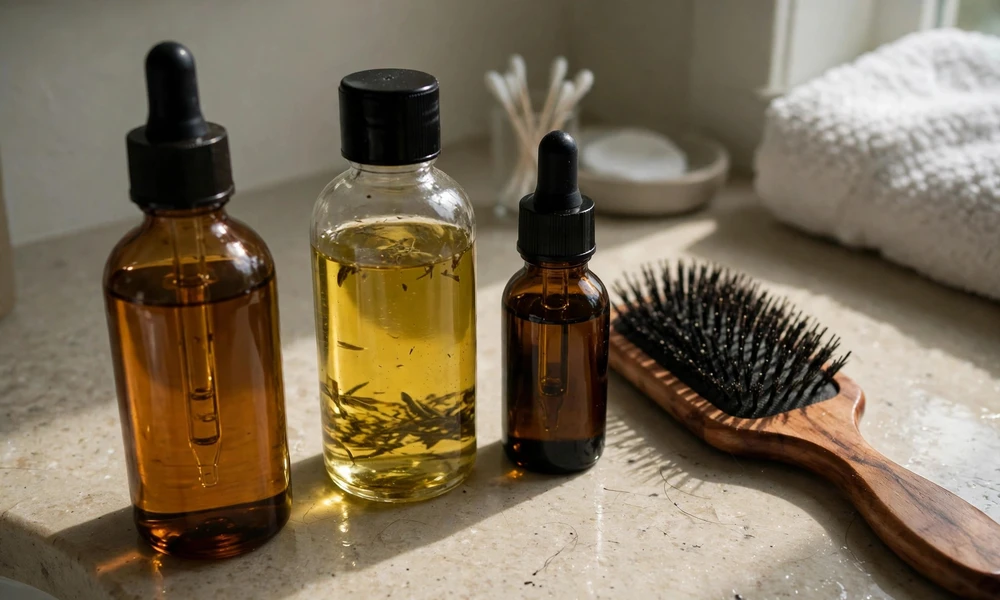
Look next at the ingredient list. A good split-end oil is mostly oil, not mostly silicone. Silicones can smooth hair very effectively, and there is nothing wrong with them in moderation, but an oil that is mostly silicone can build up and leave hair feeling coated rather than soft. A short list with a recognisable base oil, such as argan, jojoba or squalane, is usually a good sign.
Finally, look at the bottle and the price per use. A dropper or pump that gives you two to three drops at a time is worth more than a wide-neck bottle you have to pour. A small bottle is not a problem, because you use so little each time, and a 30 ml bottle often lasts three to four months. Our guide to how to use hair oil covers the same basics, including how little you actually need.
The 9 best hair oils for split ends of 2027
Moroccanoil Treatment Original
What we like: The classic argan-based treatment, reliably smoothing and sealing split ends, with a warm, familiar scent and a texture that absorbs quickly without feeling greasy.
What to consider: It contains silicones alongside the argan oil, so it can build up if you use too much, and the scent is strong enough that some people find it too much. Best for: Thick, coarse and wavy hair. Material: Argan oil. Price range: Mid to premium. Standout feature: The most widely available argan treatment, and a reliable daily sealer for frayed ends.
It smooths split ends visibly, adds shine without heaviness on medium to thick hair, and a small bottle lasts a long time.
Olaplex No.7 Bonding Oil
What we like: A very light, concentrated oil that seals split ends without weighing hair down, with the bond-building technology that has made Olaplex a staple for damaged and colour-treated hair.
What to consider: The bottle is small and the price is premium, and it is so concentrated that more than two drops can leave fine hair looking flat. Best for: Fine, colour-treated and bleached hair. Material: Bis-aminopropyl diglycol dimaleate with lightweight oils. Price range: Premium. Standout feature: The lightest-feeling oil here, and the best choice for hair that is both split and fragile.
It seals without heaviness, and it is one of the few oils that fine hair can use daily without looking lank by midday.
Kérastase Elixir Ultime L’Huile Originale
What we like: A blend of camellia, argan, maize and pracaxi oils that leaves ends smooth and glossy, with a refined scent and a texture that suits most hair types.
What to consider: Premium price, and the blend is richer than the lightest oils, so fine hair needs only a drop. Best for: Medium to thick hair, and hair that looks dull as well as split. Material: Camellia and argan oil blend. Price range: Premium. Standout feature: A four-oil blend that adds visible shine while it seals the ends.
It is a good choice when split ends come with dullness, because it adds a level of gloss that a plainer oil does not, and it layers well under a blow-dry.
Gisou Honey Infused Hair Oil
What we like: Honey and mirsalehi honey blended into a light oil that seals split ends and adds a soft, honeyed scent, with a texture that feels nourishing rather than heavy.
What to consider: The scent is sweet and noticeable, and it is priced at the premium end, so it is a treat rather than a budget staple. Best for: Dry, wavy and medium-thick hair. Material: Honey and mirsalehi honey oil. Price range: Premium. Standout feature: The honey infusion gives ends a soft, conditioned feel that lasts until the next wash.
The honey adds a conditioning quality that a plain oil lacks, and the ends feel softer for longer, which matters when you are trying to stretch the time between trims.
Davines OI Oil
What we like: A light, fast-absorbing oil with roucou oil that seals split ends, tames frizz and adds shine, with a clean, understated scent and a texture that suits most hair.
What to consider: It is not the richest oil here, so very coarse hair may need a second drop, and the bottle is small for the price. Best for: All hair types, especially wavy and frizz-prone hair. Material: Roucou oil. Price range: Premium. Standout feature: The most versatile oil here, light enough for fine hair and smoothing enough for frizz.
If you are not sure what weight your hair needs, start here, because it rarely makes hair look greasy and it handles both split ends and frizz in one step.
Virtue Healing Oil
What we like: A blend of baobab, amaranth and other light oils with keratin protein, designed to seal split ends and strengthen the hair around them, with a clean, light feel.
What to consider: Premium price, and the keratin means it is best for hair that is genuinely damaged rather than just dry. Best for: Damaged, weak and over-processed hair. Material: Baobab and amaranth oil blend. Price range: Premium. Standout feature: The only oil here that pairs sealing with a keratin-based strengthening claim.
The keratin element is aimed at the weakness around the split, not just the split itself, which makes it a better fit for hair that has been through a lot.
L’Oréal Paris Elvive Extraordinary Oil
What we like: An affordable, widely available oil that smooths split ends, adds shine and works as a pre-wash treatment, with a light floral scent and a pump that makes dosing easy.
What to consider: It is richer than the lightest oils, so fine hair should use a single drop, and it contains silicones that can build up with heavy use. Best for: Medium to thick hair on a budget. Material: Camellia and argan oil blend. Price range: Budget. Standout feature: The best value here, and the easiest to find on a high street or supermarket shelf.
It does the core job, sealing and smoothing split ends, at a fraction of the price of the premium oils, and it is a good first oil if you have never used one before.
Rahua Legendary Amazon Oil
What we like: A rich, plant-based oil from the Amazon that seals split ends and adds deep softness, with a natural, woody scent and a texture that suits coarse and curly hair.
What to consider: It is the richest oil here, so fine hair will find it too heavy, and the price is premium. Best for: Coarse, curly and very dry hair. Material: Rahua and ungurahua oil. Price range: Premium. Standout feature: The richest, most nourishing oil here, made for hair that lighter oils barely touch.
It is too heavy for fine hair, but on thick hair it seals the ends and softens the length in a way that lighter oils cannot match.
The Ordinary 100% Plant-Derived Hemi-Squalane
What we like: A feather-light, fragrance-free squalane that seals split ends without any heaviness, at a very low price, with a simple one-ingredient formula.
What to consider: It is so light that very coarse hair may need a richer oil on top, and it offers no scent or extra conditioning beyond sealing. Best for: Fine hair and anyone who wants a fragrance-free option. Material: Hemi-squalane. Price range: Budget. Standout feature: The lightest and cheapest oil here, and the best choice for fine hair that splits easily.
It seals the ends, adds a little shine, and disappears into the hair, which makes it the easiest daily oil for fine hair with split ends.
Which oil is right for your hair type
Fine hair needs the lightest touch. Choose squalane or a very light bonding oil, use one to two drops, and keep it on the last few centimetres of the ends. Anything richer will flatten the hair and make it look greasy by the afternoon, which defeats the purpose.
Thick, coarse and curly hair can take a richer oil and usually needs one. Argan, rahua and honey-infused oils all work well here, and you can afford three to four drops, worked through the ends and up the lengths. A guide to hair oils for dry hair covers the same weight question in more detail, because dryness and split ends usually travel together.
Bleached and colour-treated hair needs sealing plus gentleness. The ends are already fragile, so a light bonding oil or a keratin-containing oil is a better choice than a heavy plant oil, and a pre-wash treatment once a week will do more than a daily drop.
The caveats that matter
Hair oil is low-risk, but it is not magic, and it is not free of downsides. The most common problem is using too much, which leaves hair looking greasy and flat, and can make the scalp itchy if the oil travels up the strand.
| Detail | What is known |
|---|---|
| What oil actually does | Seals the cuticle, smooths frayed fibres, and slows new splits from forming |
| What it does not do | It does not permanently repair a split end; only a trim removes it |
| How much to use | Two to three drops on the ends; one drop for fine hair |
| Where to apply it | On the ends first, then the lengths if needed; not on the roots or scalp |
| When to use it | On damp hair after washing, or as a pre-wash treatment once a week |
| Who should start gently | Fine hair and sensitive scalps; start with one drop and a light oil |
| What to avoid | Heavy oils on fine hair, and using oil to delay a trim for months |
| When to get a trim | When splits are visible, ends feel rough, or the split has travelled up the strand |
If your scalp is sensitive, or you have a skin condition such as eczema or psoriasis on the scalp, keep oil on the ends only and patch-test a new oil on your inner arm first. These are small risks, but they are easy to avoid by keeping the oil where the split ends actually are.
Checklist: choosing a hair oil for split ends honestly
Use these checks before you buy, and again after two weeks of use.
- Check the weight: light squalane or bonding oil for fine hair, richer argan or rahua for thick and curly hair.
- Check the ingredient list: a recognisable base oil near the top, and no heavy fragrance if your scalp is sensitive.
- Check the dose: two to three drops is enough, and one drop for fine hair, applied to the ends only.
- Patch-test first: apply a drop to your inner arm for two days before using it on your hair.
- Check the ends after two weeks: they should feel smoother and look less frayed, not heavy or coated.
- Book the trim: oil buys time, but a split end that is still visible after a month needs cutting, not more oil.
Frequently asked questions
Can hair oil fix split ends?
No, not permanently. Oil seals the cuticle and smooths the frayed fibres so the split looks and feels better, and it slows the split from travelling further up the strand.
How often should I use hair oil on split ends?
Daily is fine, in small amounts, on damp hair after washing. A pre-wash treatment once a week, left on for twenty to thirty minutes before shampooing, adds deeper softness for very dry ends.
Should I put hair oil on wet or dry hair?
Damp hair is usually best, because the oil seals in the moisture from washing.
Can hair oil make split ends worse?
It can if you use too much, because heavy, coated hair is more likely to tangle and snap, and the wrong weight of oil can make fine hair look flat and greasy.
Is argan oil or squalane better for split ends?
Argan oil is better for thick, coarse and curly hair, because it is richer and adds more softness. Squalane is better for fine hair, because it is lighter and will not weigh the hair down. The right choice depends on your hair, not on which oil is more popular.
How do I stop split ends coming back?
Trim every eight to twelve weeks, use oil on the ends after washing, protect hair from heat with a lower dryer setting, and be gentle when brushing, especially when hair is wet.
The bottom line
The best hair oil for split ends in 2027 is not the most expensive or the most famous. It is the one that matches the weight of your hair, that you will use in small amounts after every wash, and that leaves your ends feeling smooth rather than heavy. For fine hair, a light squalane or bonding oil is the smart start. For thick, coarse or curly hair, a richer argan or rahua oil will do more.
Choose one oil, use two to three drops on the ends after washing, and book a trim when the splits are still visible after a month.