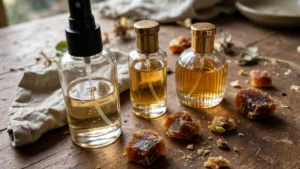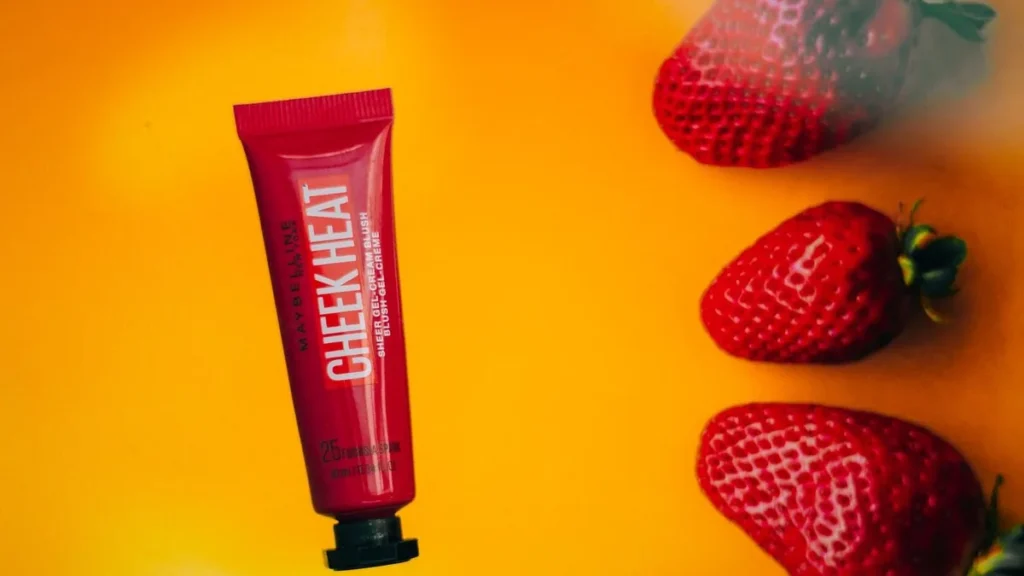
Liquid blush is cheek colour in a fluid form: pigment suspended in a thin, watery or gel base, sold in a tube, a bottle with a doe-foot wand, or a pump. One dot per cheek is usually enough, since the pigment is concentrated.
The appeal is how it looks once it is on. Where powder blush sits on the surface, liquid blush melts into the skin, leaving colour that reads as a flush from underneath rather than makeup on top. The finish is fresh and slightly dewy, the edges are soft, and the colour builds from barely-there to bold without turning chalky.
It is also the blush that causes the most confusion, because it behaves so differently from the cream and powder formulas most people grew up with. It sets fast, it cannot go over powder, and a heavy hand with the applicator is the quickest route to a streaky cheek.
Key takeaways
- Liquid blush is concentrated pigment in a thin fluid base, so one small dot per cheek sheers into a fresh, dewy flush.
- It sets faster than cream blush and is harder to fix once dry, so blend it at once, one cheek at a time.
- It suits almost every skin type, including oily skin, because many formulas dry to a soft stain lasting six to eight hours.
- Its closest relative is cream blush, but liquid is thinner, more pigmented and longer-wearing, while cream is richer and more forgiving.
- Apply it after foundation and before powder; a light press of powder blush on top makes it last even longer.
What liquid blush actually is
At its simplest, liquid blush is coloured fluid for the cheeks. The pigment is held in a base of water, light silicones and film-forming ingredients, rather than the butters, oils and waxes that give cream blush its body. That base lets the colour spread into a thin layer that dries down and grips the skin.
Most liquid blushes are sheer to medium and buildable, so one dot gives a faint flush and a second deepens it without turning heavy. The texture ranges from a watery serum to a thicker gel-cream: watery formulas feel like nothing and dry fastest, while gel-creams give a little more working time and a slightly dewier finish. Both come with a doe-foot wand or sponge-tip applicator, which delivers far more product than you need.
What is inside a liquid blush
The ingredient list explains most of a liquid blush’s behaviour. Water and glycerin give it its fluid texture and help it spread thinly. Silicones such as dimethicone help it glide and blur the look of pores, and film-forming polymers help the pigment grip the skin once the water evaporates.
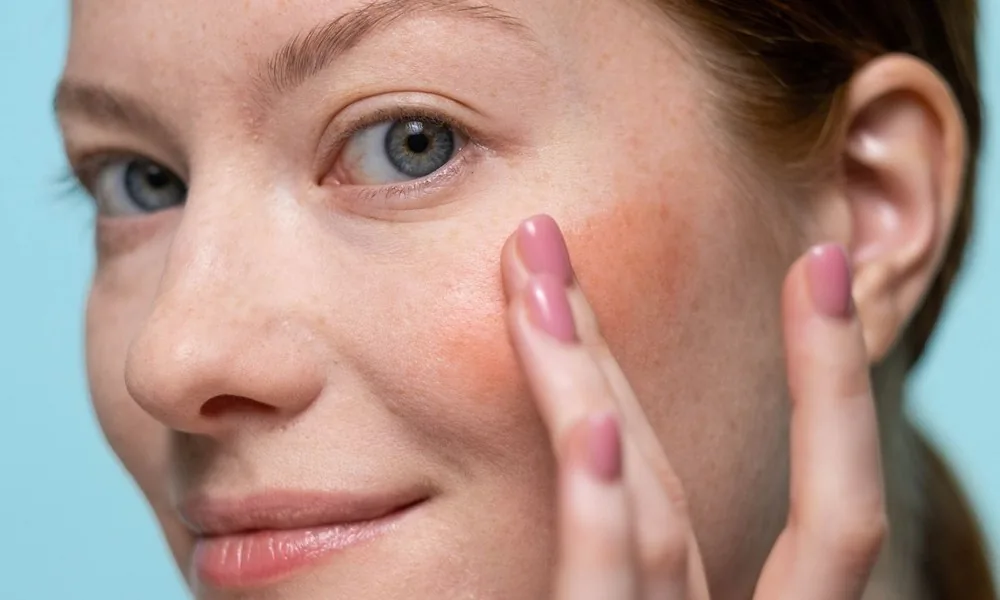
The pigment is what sets liquid blush apart from a stain. A stain uses dyes that sink into the skin, while a liquid blush uses pigments held in a thin film on the surface, which is why the colour stays truer to the shade in the tube and can be layered. Because the base is mostly water, keep the cap on tightly and use it within about a year of opening.
Liquid blush vs cream blush: the core difference
Cream and liquid blush are close cousins. The difference is consistency and time. Cream blush is thicker, richer and slower: it stays workable for a minute or more, so you can blend, adjust and fix mistakes at leisure. Liquid blush is thinner, more pigmented and faster: it starts to set within seconds, so blending must happen immediately. Our guide to What Is a Cream Blush covers the richer formula in full, and it is the best companion read if you are choosing between the two.
That speed is both the strength and the weakness of liquid blush. The quick dry-down is what gives it its long wear: once the film has set, the colour stays put for six to eight hours, often longer than cream on the same skin. But it punishes hesitation. Dot it on both cheeks and then reach for a brush, and the first cheek will already have set into a patch. The fix is a simple habit: one cheek at a time, dot, blend, then move on.
| Feature | Liquid blush | Cream blush | Powder blush |
|---|---|---|---|
| Texture | Thin fluid, serum to gel-cream | Rich balm or whipped mousse | Pressed or loose powder |
| Finish | Fresh, dewy, often dries to a stain | Dewy, fresh, skin-like, soft edges | Soft matte or satin, soft-focus |
| Pigment level | High, one dot per cheek is enough | Sheer to medium, easy to control | Medium, builds gradually |
| Best for | All skin, best for oily and combination | Dry, mature, normal and textured skin | Oily and combination skin, humid weather |
| Typical wear | Six to eight hours, sometimes longer | Four to six hours, longer when set | Six to eight hours on most skin |
| Apply with | Fingertips or a damp sponge, blended at once | Fingertips, dense brush, or damp sponge | A fluffy or angled brush |
| When in your routine | After foundation, before any powder | After foundation, before any powder | After setting powder |
| Biggest mistake | Blending after it has set, which leaves streaks | Applying it over powder, where it turns patchy | Loading the brush without tapping off the excess |
The finishes a liquid blush can give
Not all liquid blushes look the same on the skin, and the finish matters as much as the shade. A dewy finish is the classic liquid blush look: fresh, luminous and slightly glossy. It flatters dry skin in daylight but can look shiny on very oily skin by midday. A satin finish is the middle option, with a soft sheen rather than an obvious glow, and it is the most versatile finish for everyday wear.
A matte liquid blush dries down to a soft, velvety finish with no shine. It suits oily skin better than a dewy formula, though it needs a moisturised base so it does not cling to dry patches. A stain-like finish sits between the two: the dewy look fades within an hour, but a wash of colour stays behind, which is ideal for long days and warm weather.
Which skin types suit liquid blush
Oily skin is where liquid blush shines most. Powder can look flat by midday and cream can slide, while a liquid formula dries down and grips, so the colour stays in place and the finish stays fresh for hours. Combination skin benefits the same way, since the thin formula adds no weight to oily areas and does not emphasise dry ones.
Dry skin can use liquid blush too, but the formula matters. A hydrating, serum-like liquid with glycerin or hyaluronic acid sits comfortably on dry skin and gives a healthy glow, while a fast-drying matte liquid can cling to flaky patches. The trick is preparation: a well-moisturised base, and if the skin is very dry, a drop of face mist pressed over the top after blending brings back the dew. Mature skin suits liquid blush well, because the thin film slips over fine lines rather than settling into them.
Very acne-prone skin should look for a non-comedogenic formula and apply with a clean sponge rather than fingers, so no extra oil is transferred onto the skin.
How long liquid blush lasts
On its own, a liquid blush typically lasts six to eight hours, longer than cream on most skin and about the same as powder on oily skin. Wear depends less on the product than on the skin underneath it: well-hydrated, balanced skin with a properly set base holds colour far longer than dehydrated or oily skin.
Fading has predictable causes: oil loosens the film, heat softens it, and applying liquid blush over a powdered base stops it gripping at all, which is the most common mistake. To make it last, apply it while the base is still fresh, blend one cheek at a time, let it sit for a minute, then set it with translucent powder or a matching powder blush. A few spritzes of setting spray over the finished face lock everything in place.
Choosing a shade of liquid blush
Shade matters more than brand, and more than formula. Warm skin tones, where veins look greenish and gold jewellery flatters, suit peach, coral, warm rose and terracotta. Cool skin tones, where veins look bluish and silver flatters, suit cool pink, berry and plum. Soft rose suits almost everyone, so it is the safest first shade if you are unsure of your undertone, and the shade to buy when you only want one tube.
Depth matters too, and liquid blush punishes a wrong choice more than cream does, because the pigment is stronger. Fair skin needs sheer, light shades, since a highly pigmented liquid can look startling before blending, so dot it on the back of the hand first and pick up less than you think you need. Medium skin can carry rose, mauve and coral easily. Deep skin needs richer formulas, since sheer shades can disappear entirely, and benefits from berry, brick and vivid coral.
Checklist: is liquid blush right for you?
- Your skin is oily, combination or normal, and cream blush slides or fades on you by midday.
- You want a fresh, dewy finish and the longest wear from the smallest amount of product.
- You are happy to blend quickly, one cheek at a time, and do not mind a formula that sets fast.
- You want colour that survives heat and humidity, and like a soft stain left behind.
- You are comfortable starting with a tiny dot and building up.
- You apply blush before powder and will set it lightly when you need extra staying power.
Frequently asked questions
Is liquid blush better than cream blush?
Neither is better outright; they suit different needs. Liquid blush is thinner, more pigmented and longer-wearing, and suits oily and combination skin best. Cream blush is richer, slower to set and more forgiving, and suits dry and mature skin best.
Do you apply liquid blush before or after foundation?
After foundation, and before any powder. Dot it onto the apples of the cheeks over a fresh liquid or cream base, blend immediately, then set with powder if you wish. Applying it over powder is the most common mistake, since the liquid cannot grip a powdered surface and turns patchy.
Can you use liquid blush on oily skin?
Yes, liquid blush is one of the best formats for oily skin. Many formulas dry down to a soft stain that grips the skin and lasts six to eight hours, and the thin texture does not add weight or slide the way a rich cream can.
How do you stop liquid blush going patchy?
Work one cheek at a time and blend the moment the product touches the skin, before it starts to set. Use less than you think you need, dot it on the back of your hand first, and pick it up with fingertips or a damp sponge rather than applying straight from the wand.
Does liquid blush work on mature skin?
Yes, it works well on mature skin. The thin film slips over fine lines rather than settling into them, and the dewy finish restores luminosity that powder can take away. Choose a hydrating formula with a satin or dewy finish, keep the base well moisturised.
How long does liquid blush last once opened?
About a year, like most liquid makeup. Keep the cap on tightly, store it upright at room temperature away from sun, and throw it away if it changes smell, separates and will not mix back together, or starts to irritate the skin.
The bottom line
Liquid blush is the lightest, longest-wearing way to get a fresh, dewy flush, and it earns its place because it does something neither cream nor powder can quite match: strong colour from a tiny amount of product, in a film so thin it feels like nothing on the skin. Blend it the moment it touches the cheek and it lasts all day.
Choose it when your skin is oily or combination, when the weather is hot, or when you want your blush to still be there at the end of a long day. Choose cream when your skin is dry or mature and you want the most forgiving blend.
Note: This guide is for general information only and is not a substitute for personalised advice. If you have sensitive or reactive skin, patch-test any new blush on a small area first and stop using it if irritation appears.