A wig is an investment, and like any good hair, it dries out. Human hair wigs lose moisture with every wash, every hot-tool pass, and every day spent under sun or central heating. The ends go dull, the lengths start to tangle, and a wig that once swung like real hair starts to look tired. A little oil can change that, but only if it is the right oil, used the right way.
The catch is that a wig is not your own hair. Oil that sits on your scalp is absorbed and washed away by your skin. Oil on a wig has nowhere to go. Too much, and it pools at the roots, loosens the knots that hold the hair in, stains a lace front, and leaves the wig looking greasy rather than glossy.
Below are nine hair oils worth considering for wigs in 2027, all chosen for human hair wigs, where oil genuinely helps. Each one is described by what it is good at, what to watch for, and who it suits best, so you can keep a wig soft and believable without shortening its life.
Key takeaways
- Hair oil helps human hair wigs stay soft, shiny, and tangle-free, but it should never be used on synthetic wigs, which cannot absorb it.
- Use a light oil, a pea-sized amount, on the mid-lengths and ends only, and keep it away from the cap, knots, and lace front.
- Argan, jojoba, and grapeseed oils are the safest starting points, because they are light, absorb well, and rarely leave a heavy coating.
- Oil works best as a pre-wash treatment or a light leave-in on the ends, not as a daily drench, and heavy oils such as castor weigh a wig down.
- Oil does not repair split ends or regrow hair, and a wig that is shedding, matted, or stiff may need a wash, a deep condition, or a professional service instead.
What hair oil actually does for a wig
Human hair wigs are made from real hair, but that hair no longer receives the natural oils your scalp produces. Every wash strips a little more moisture, and without the scalp to replenish it, the hair becomes dry, rough, and prone to tangling. A light oil replaces some of that lost lubrication. It smooths the cuticle, so light reflects evenly and the hair looks shiny rather than dull, and it reduces friction between strands, which is what makes a wig tangle at the nape.
Oil also protects the hair from heat and handling. A thin coat on the ends acts as a buffer when you brush, style, or run a straightener through the lengths. That is a real benefit for a wig you wear often, because replacement hair is expensive and a well-kept wig can last a year or more.
Synthetic wigs are a different story. Synthetic fibres are plastic, and they do not absorb oil, so oil simply sits on the surface. It makes the fibres look greasy, attracts dust and lint, and is very hard to wash out. The nine oils below are for human hair wigs only, and that distinction matters more than the brand you choose.
How we chose these oils and what to look for
Look first at the weight of the oil. A wig has no scalp to absorb excess, so a light, fast-absorbing oil is almost always better than a thick one. Argan, jojoba, grapeseed, and camellia oils are light enough to disappear into the hair. Castor oil and unrefined coconut oil are heavy, and on a wig they tend to sit on the surface and make the hair look flat and oily.
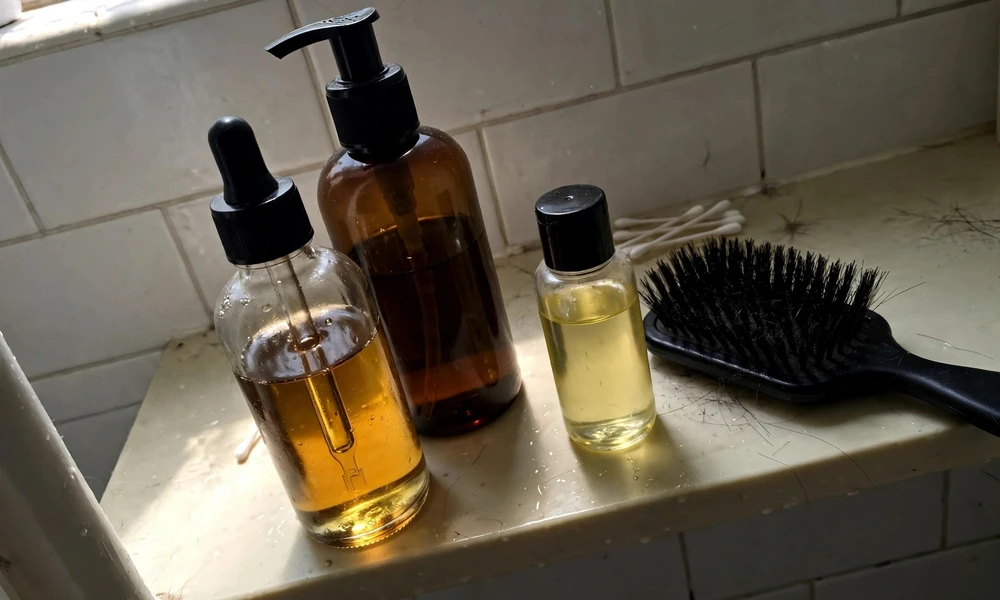
Look next at the formula. A silicone-free oil is the safest choice for a wig, because silicones build up and are hard to remove without a clarifying wash, and frequent clarifying washes dry a wig out further. Fragrance is a smaller concern, but a strong scent can linger on a wig in a way it does not on your own hair, so a lightly scented or unscented oil is a kinder choice if you wear the wig daily. Our guide to what a hair oil actually is explains the difference between a pure oil and a blended treatment, and why that matters when there is no scalp to help.
Finally, look at the amount you will use. A good wig oil should work in a pea-sized amount for a shoulder-length wig, and a little more for longer lengths. If you need a palmful to see a difference, the oil is too light for the job, or the wig needs a wash and a deep condition first.
The 9 best hair oils for wigs of 2027
Moroccanoil Treatment Original
What we like: A light argan oil blend that absorbs quickly, adds shine without weight, and smooths frizz on human hair wigs. What to consider: Premium price, and the scent is noticeable, so use less if you are sensitive to fragrance. Best for: Everyday shine on human hair wigs. Material: Argan oil base. Price range: Premium. Standout feature: Absorbs fast and leaves no greasy film on the lengths.
Olaplex No.7 Bonding Oil
What we like: A very light, concentrated oil that adds shine and softness, with bond-building technology that helps weakened hair feel stronger. What to consider: It is potent, so a single drop goes a long way, and it is easy to use too much on a wig. Best for: Older or heavily styled human hair wigs. Material: Lightweight bonding oil. Price range: Premium. Standout feature: One drop is often enough for a full wig.
Gisou Honey Infused Hair Oil
What we like: A honey-infused oil that adds softness and a gentle shine, with a sweet, light scent that does not linger heavily on a wig. What to consider: It is slightly richer than the lightest oils, so keep it to the ends. Best for: Dry, dull human hair wigs that need softness. Material: Honey-infused oil blend. Price range: Premium. Standout feature: Leaves the hair feeling soft rather than coated.
Kérastase Elixir Ultime L’Huile Originale
What we like: A blend of argan, camellia, and maize oils that gives a polished, expensive-looking shine and smooths flyaways. What to consider: Premium price, and it can look too shiny if you use more than a few drops. Best for: Special occasions and polished styling. Material: Argan, camellia, and maize oil blend. Price range: Premium. Standout feature: A salon-level shine that photographs well.
Davines OI Oil
What we like: A light oil with roucou oil that adds shine and softness, with a soft, clean scent and a texture that disappears into the hair. What to consider: It is a treatment oil, so it works best on damp or freshly washed hair rather than dry, day-old hair. Best for: Post-wash conditioning on human hair wigs. Material: Roucou oil blend. Price range: Mid-range to premium. Standout feature: Excellent as a post-wash finisher.
Apply this one to a freshly washed, towel-dried wig before you style it. It helps the hair dry smooth and keeps the ends from fluffing up as it dries.
OGX Renewing + Argan Oil of Morocco Penetrating Oil
What we like: An affordable argan oil that softens and adds shine, widely available, and light enough for regular use on a wig. What to consider: It is a blend, not a pure oil, so it can build up if you use it daily without washing. Best for: Budget-friendly everyday care. Material: Argan oil blend. Price range: Budget. Standout feature: The best value option in this roundup.
Verb Ghost Oil
What we like: A very light oil that vanishes into the hair, adds shine, and tames frizz without any heavy or greasy feeling. What to consider: It is so light that very dry, coarse wigs may need a richer oil first. Best for: Fine or medium human hair wigs. Material: Lightweight moringa oil blend. Price range: Mid-range. Standout feature: Feels like nothing on the hair, which is the point.
This is the oil to reach for when a wig looks good but feels slightly rough. A few drops smoothed over the lengths will make it feel like new hair without changing how it looks.
Amika Glass Action Universal Elixir
What we like: A glass-like shine oil that smooths the cuticle and gives a reflective, healthy-looking finish, with heat protection built in. What to consider: It is designed for shine, so it will not deeply condition a very dry wig on its own. Best for: Shine and heat protection before styling. Material: Shine elixir with squalane. Price range: Mid-range. Standout feature: Adds heat protection as well as shine.
Use this before hot tools. A light layer on the lengths gives the hair a glassy finish and a little protection from the heat, which is useful when a wig is styled often.
Aveda Dry Remedy Daily Moisturizing Oil
What we like: A buriti oil blend designed for dry hair, which moisturises without a heavy residue and has a soft, natural scent. What to consider: It is richer than the lightest oils, so keep it well away from the roots and lace. Best for: Very dry human hair wigs. Material: Buriti oil blend. Price range: Mid-range to premium. Standout feature: Noticeably softens dry, brittle-feeling hair.
Which oil suits which wig
Human hair wigs fall into two broad groups. Virgin and Remy human hair wigs have intact cuticles and behave most like natural hair, so they take oil well and benefit from a light application after washing. Processed or coloured human hair wigs are more porous and can drink up oil quickly, which means they need a little more, but also that heavy oils can make them look flat. For either type, start with a light oil and a small amount, and only increase if the hair still feels dry.
Length matters too. A short bob needs two drops at most, while a long wig past the shoulders may need four or five, always concentrated on the ends. Curly and wavy human hair wigs often need a little more oil than straight ones, because the curl pattern makes the hair more prone to dryness and frizz. For curls, smooth the oil over the lengths with your fingers rather than brushing it through, which breaks the curl pattern. The same light oils in our best hair oils for frizzy hair roundup work well on a curly wig.
Colour is the last thing to consider. Very light or platinum blonde wigs can pick up a tint from dark or unrefined oils, so choose a clear, refined oil for blonde wigs, and always test on a hidden section first. Dark wigs are more forgiving, but any oil can make a wig look darker and flatter if you use too much, so the rule is the same whatever the colour: start small, check in daylight, and add more only if needed.
The caveats that matter
Oil is a care product, not a repair product. It will not fix a wig that is matted at the nape, shedding heavily, or stiff from product build-up. Those problems need a wash, a deep condition, or a professional service. Oil on a dirty wig just seals the dirt in, so always start with clean hair.
| Detail | What is known |
|---|---|
| Which wigs can take oil | Human hair wigs only; synthetic wigs cannot absorb oil and should not be oiled |
| Where to apply it | Mid-lengths and ends only, never the cap, knots, lace front, or roots |
| How much to use | A pea-sized amount for shoulder length, a little more for long wigs |
| Best oils to start with | Light oils such as argan, jojoba, grapeseed, and camellia |
| Oils to avoid | Heavy oils such as castor, and dark unrefined oils on blonde wigs |
| How often to oil | Once or twice a week, or as a pre-wash treatment before washing |
| When to wash instead | If the wig is matted, shedding, stiff, or coated with product build-up |
| What oil does not do | It does not repair split ends, regrow hair, or replace a wash and condition |
If you wear a wig because of hair loss, a scalp condition, or medical treatment, take extra care with the cap and lace, because oil near the hairline can loosen adhesive and irritate sensitive skin. Keep oil on the hair itself, wash your hands after applying it, and if your scalp is sensitive, choose a fragrance-free oil and test it on your skin first.
Checklist: oiling a wig honestly
Use these checks every time you oil a human hair wig.
- Check the fibre first: human hair can take oil, synthetic fibre cannot, so confirm what your wig is made of before you start.
- Check the amount: start with a pea-sized amount, warm it between your palms, and add more only if the ends still feel dry.
- Check the placement: mid-lengths and ends only, never the cap, knots, lace front, or roots.
- Check in daylight: step into natural light before you go out, because oil can look heavier than it feels indoors.
- Check the wash schedule: oil little and often, and wash the wig every eight to twelve wears so oil does not build up.
- Check the ends: if they stay rough after oiling, the wig may need a trim or a deep condition, not more oil.
Frequently asked questions
Can I use hair oil on a synthetic wig?
No. Synthetic fibres cannot absorb oil, so it sits on the surface, makes the wig look greasy, and attracts dust. It is also hard to wash out. Use a wig-specific shine spray instead, and only a light mist.
How much oil should I put on a wig?
A pea-sized amount for a shoulder-length wig, and a little more for longer hair. Warm it between your palms first, then smooth it over the mid-lengths and ends. If the hair still feels dry, add one more drop, not a palmful.
Can oil damage a lace front wig?
Yes, if it reaches the lace. Oil can stain the lace, loosen the knots, and weaken adhesive, so keep it well away from the hairline and the cap. Apply oil with your hands, not a brush, so you control exactly where it goes.
Should I oil a wig before or after washing it?
Both work, for different reasons. As a pre-wash treatment, oil the ends an hour before washing to soften them. As a leave-in, apply a tiny amount to damp, freshly washed hair to add shine. Do not oil a dirty wig and leave it, because that seals in dirt and build-up.
Will oil make my wig look greasy?
It will if you use too much, or if you put it near the roots. A light oil in a small amount on the ends should look like shine, not grease. If your wig looks greasy, wash it with a gentle shampoo, use less next time, and check the result in daylight before you go out. The same light-touch approach in our best hair oils for dry hair guide applies just as well to a wig.
How often should I oil a human hair wig?
Once or twice a week is enough for most wigs, or before each wash if you wear it daily. If you oil more often than you wash, the oil will build up and the wig will start to look flat and heavy, so keep the two in balance.
The bottom line
The best hair oil for a wig in 2027 is a light one, used in a small amount, on the mid-lengths and ends of a human hair wig. Moroccanoil Treatment and Verb Ghost Oil are the safest starting points, because they are light, forgiving, and hard to overdo. Heavier oils and synthetic wigs do not mix with oil at all, and no oil will rescue a wig that needs a wash, a trim, or a professional service.
Start with a pea-sized amount, keep it away from the cap and lace, and judge the result in daylight. A well-oiled human hair wig looks like healthy, real hair, and that is the whole point of wearing one.