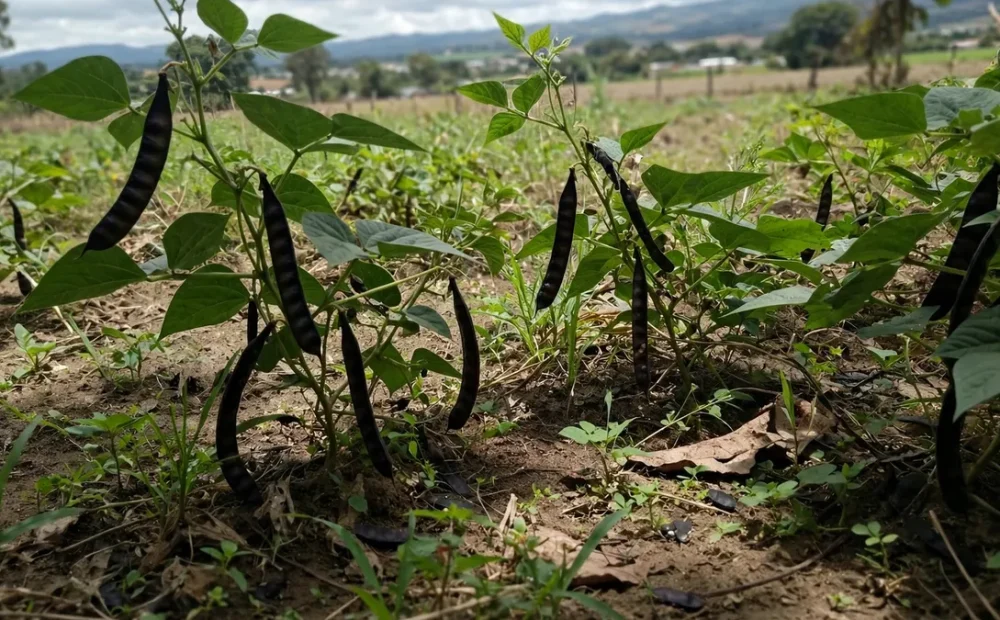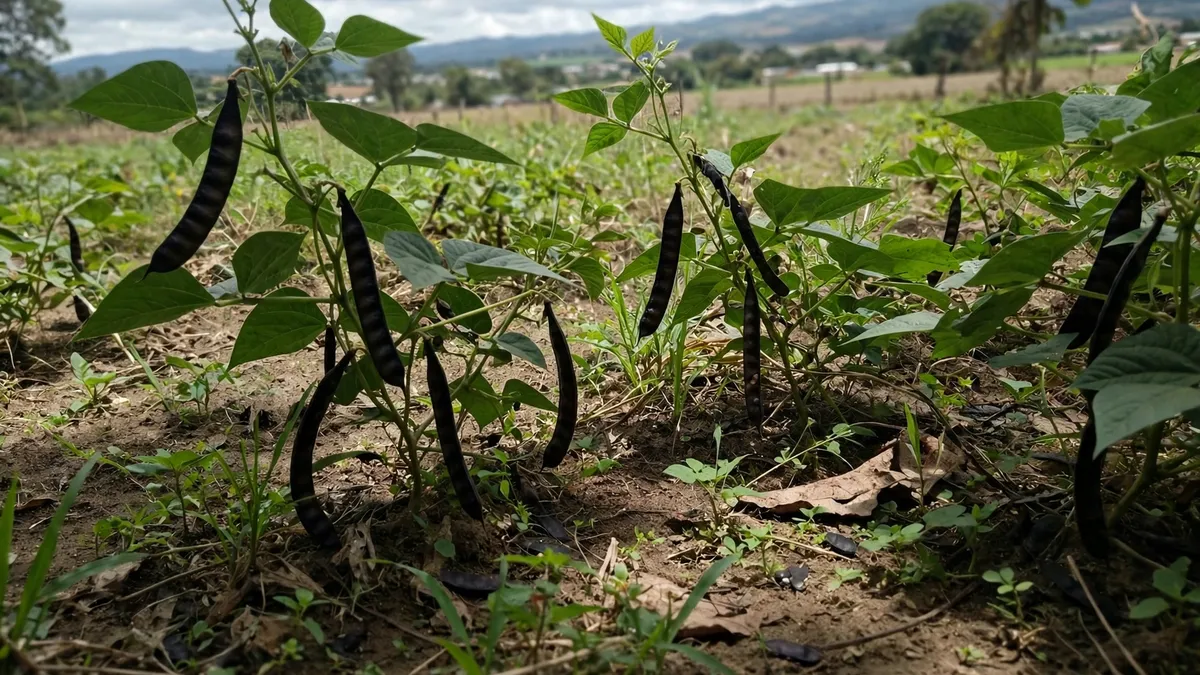

Black beans are small, dark and easy to overlook, yet they sit at the centre of the table across Latin America and the Caribbean. The bean travelled from the high valleys of Mexico to the kitchens of Cuba, Guatemala, Brazil and the Dominican Republic, sown after the rains, picked when the pods dry, and cooked in the pot with onion, garlic, cumin and a sprig of epazote.
A black bean farm retreat puts you on a small farm where that bean still grows, when the pods turn papery and the threshing begins. You sleep in a farmhouse room, eat black beans cooked the farm’s own way, walk the rows at first light, and watch the dried plants beaten and the beans winnowed clean. The farms run from the high plateau of Zacatecas to a dry valley in the Dominican Republic, and the small black bean is the thread that ties them together.
Below are nine black bean farm retreats worth considering in 2027, from central Mexico to a remote farm in San Juan de la Maguana. Each stay is weighed on its strengths, its shortfalls and the traveller it suits, so the choice turns on your way of travelling, not on the map.
Key takeaways
- Black beans are among the oldest cultivated crops in the Americas, and a black bean farm stay is built around the dry-season picking, the threshing and the cooking, so ask the farm when its pods dry before you book.
- The bean is cooked in the pot, for frijoles de la olla, feijoada, moros y cristianos and rice and beans, so a farm that soaks its beans and cooks its pot will feed you differently from one that only sells dried beans.
- The harvest falls in the dry months in Mexico and Central America and in the southern winter in Brazil and Argentina, and the precise week moves with the rain, so confirm the threshing window before booking flights.
- Most black bean farms are small and take only a few guests, so expect plain rooms, shared meals and black dust on your shoes.
- Dried black beans must be soaked and cooked before eating, and harvest dates are a guess, not a promise, so check the kitchen and the calendar before you pay.
What a black bean farm retreat actually is
A black bean farm retreat means three to five nights on a working farm that grows black beans, with the dry-season threshing as the reason for the trip. Guests sleep in a farmhouse room or a converted barn, eat from the farm kitchen, and join the season’s work, walking the rows and seeing the pods picked and threshed.
Black beans have fed people for thousands of years, and the great black bean regions took shape around the dishes they served. The high plateau of Mexico fed the pot-bean kitchens of the centre, the valleys of Cuba fed the rice-and-bean tables of the island, and the mountain kitchens of Brazil fed the feijoada pots.
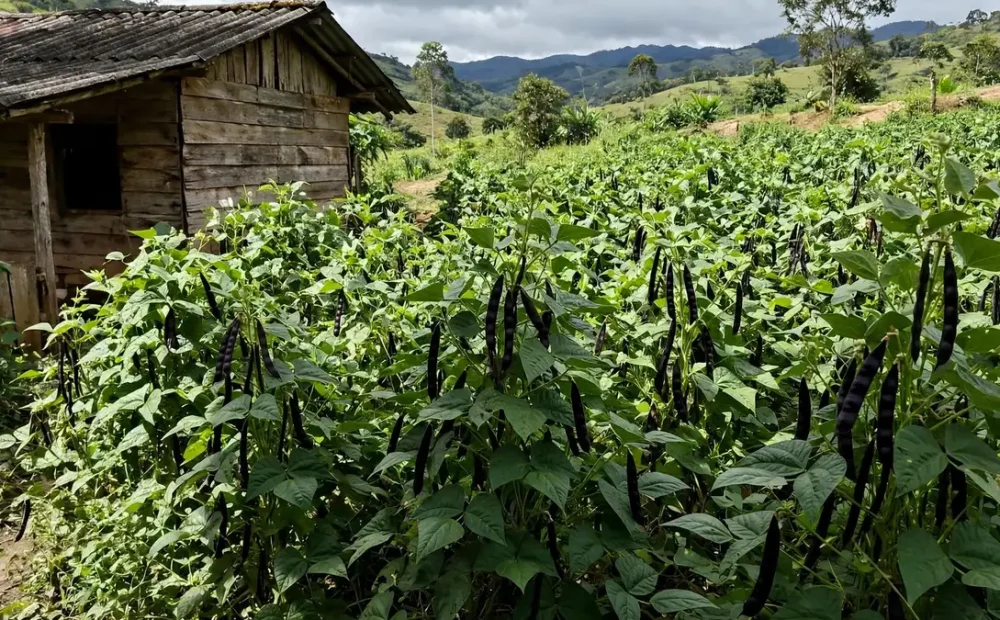
Most of these farms lie in warm country, with low green plants in wide fields and a threshing yard by the barn. Days follow the field’s rhythm rather than a hotel’s clock, with supper at one long table, and the best stays hand you work to do.
How we picked these stays, and what to ask first
We began with where black beans truly grow, not where they sell best. A genuine black bean farm offers fields to walk through, plants to stand among at picking time, and a kitchen working with its own bean. A farm that buys its black beans in is not a black bean farm, whatever the website says.

The best farms host few guests, so the picking stays honest work rather than a show. They also spell out what the nightly rate covers, with meals, the lift from the nearest town and walks through the fields included in the price rather than charged on arrival. A farm that speaks plainly about the picking, the threshing and the cooking usually cares well for its guests too.
The 9 best luxury black bean farm retreats of 2027
Zacatecas, Mexico — Black Beans on the High Plateau
What we like: Black beans in Zacatecas, where the beans grow on the dry high plateau and the farm cooks frijoles de la olla with onion, garlic and epazote. The fields run wide under a hard sky, the farmhouse keeps a wood stove, and the kitchen serves pot beans, rice, tortillas and coffee.
What to consider: The plateau is dry, the sun is fierce at midday, and the farmhouse rooms stay plain.
Style: Mexican high plateau farm stay. Best for: Travellers who want black beans where Mexico grows most of them. Price range: $65–$95 per night. Standout feature: Frijoles de la olla made from beans grown on the high plateau.
Pinar del Río, Cuba — Black Beans in the Tobacco Valleys
What we like: Black beans in Pinar del Río, where the plants grow in the green valleys between the tobacco fields and the farm cooks moros y cristianos from its own crop. The hills keep their limestone mogotes, the towns keep their music, and the kitchen serves rice and beans, roast pork and coffee.
What to consider: The valley is humid at harvest time, and the farm sits far from the cities.
Style: Cuban valley farm stay. Best for: Travellers who want black beans with Cuban cooking. Price range: $100–$130 per night. Standout feature: Moros y cristianos cooked from beans picked on the farm.
Petén, Guatemala — Black Beans in the Jungle Lowlands
What we like: Black beans in Petén, where the beans grow in the jungle lowlands and the farm cooks black bean soup and rice with beans from its own harvest. The forest stands close, the towns keep their markets, and the kitchen serves bean soup, tortillas, rice and chocolate.
What to consider: The lowlands are hot and the farm takes few guests, so the threshing week books out early.
Style: Guatemalan lowland farm stay. Best for: Travellers who want black beans at the edge of the jungle. Price range: $135–$165 per night. Standout feature: Black bean soup from beans grown in the jungle lowlands.
Antioquia, Colombia — Black Beans in the Coffee Hills
What we like: Black beans in Antioquia, where the plants grow between the coffee rows on steep green hills and the farm cooks black beans with rice and plantain from its own crop. The hills are steep, the towns keep their painted balconies, and the kitchen serves beans, rice, plantain and panela water.
What to consider: The hills are steep and the paths are muddy after rain, so pack sturdy shoes.
Style: Colombian coffee country farm stay. Best for: Travellers who want black beans with coffee country cooking. Price range: $170–$200 per night. Standout feature: Black beans with plantain from beans grown in the coffee hills.
Piura, Peru — Black Beans on the Dry Northern Coast
What we like: Black beans in Piura, where the beans grow on the dry northern coast and the farm cooks black beans with rice and grilled fish from its own harvest. The coast is warm, the towns keep their markets, and the kitchen serves beans, rice, fish and chicha.
What to consider: The coast is dry and dusty, and the farm is a long drive from town.
Style: Peruvian coastal farm stay. Best for: Travellers who want black beans beside a warm sea. Price range: $205–$235 per night. Standout feature: Black beans with rice from beans grown on the dry coast.
Minas Gerais, Brazil — Black Beans in the Mountain Kitchens
What we like: Black beans in Minas Gerais, where the beans grow in the mountain country and the farm cooks feijoada and tutu de feijão from its own crop. The hills are green, the towns keep their colonial churches, and the kitchen serves feijoada, collard greens, rice and coffee.
What to consider: The mountain roads are slow, and the farm takes only a handful of guests.
Style: Brazilian mountain farm stay. Best for: Travellers who want black beans in the feijoada country. Price range: $240–$270 per night. Standout feature: Feijoada made from beans grown in the mountain country.
Tucumán, Argentina — Black Beans Below the Sugar Cane
What we like: Black beans in Tucumán, where the plants grow below the sugar cane fields and the farm cooks black beans with rice and grilled meat from its own harvest. The cane runs tall, the towns keep their plazas, and the kitchen serves beans, rice, grilled meat and mate.
What to consider: The harvest falls in the southern winter, and the farm sits far from the cities.
Style: Argentine northern farm stay. Best for: Travellers who want black beans in the sugar cane country. Price range: $275–$305 per night. Standout feature: Black beans with grilled meat from beans grown below the cane.
Comayagua, Honduras — Black Beans in the Central Valleys
What we like: Black beans in Comayagua, where the beans grow in the central valleys and the farm cooks black beans with tortillas and cheese from its own crop. The valleys are wide, the towns keep their colonial streets, and the kitchen serves beans, tortillas, cheese and coffee.
What to consider: The valleys are hot at harvest time, and the farm is a long drive from the coast.
Style: Honduran valley farm stay. Best for: Travellers who want black beans in the Honduran valleys. Price range: $310–$340 per night. Standout feature: Black beans with tortillas from beans grown in the central valleys.
San Juan de la Maguana, Dominican Republic — Black Beans in the Dry Southwest
What we like: Black beans in San Juan de la Maguana, where the beans grow in the dry southwest and the farm cooks moro de habichuelas negras with rice from its own harvest. The valley is dry, the towns keep their markets, and the kitchen serves rice and beans, stewed chicken and coffee.
What to consider: The farm is the most remote stay here, and the harvest falls in the opposite season to Mexico, so plan a year ahead.
Style: Dominican southwest farm stay. Best for: Travellers who want black beans at the far end of the map. Price range: $345–$380 per night. Standout feature: Moro de habichuelas negras from beans grown in the dry southwest.
Which black bean region fits your trip
If you want black beans where the bean story runs deepest, start with Zacatecas or Pinar del Río, where the bean has grown longest and the kitchens run to pot beans and moros y cristianos. Both treat a first-timer gently, with easy walks and long meals at the table.
If you want scenery with your black beans, San Juan de la Maguana and Tucumán put the fields in wide southern country, Petén beside a warm jungle, and Piura beside a warm sea.
If you want the bean that goes with the black bean, our guide to the adzuki bean farm retreats covers a different legume, with dry pods and sweet paste instead of pot beans and threshing yards, and the fava bean farm retreats offer another, with broad pods and green fields instead of black pots and dry plains.
The caveats that matter
Black bean farming answers to the weather: farms give a best guess, never a promise, and a trip pinned to one threshing day gambles on rain. The warning that counts is the bean, easy to miss on a gentle country stay.
| Detail | What is known |
|---|---|
| Best time to visit | The dry months in Mexico and Central America, the southern winter in Brazil and Argentina, once the pods dry and rattle; the week shifts with the rain |
| What the work involves | Walking the rows, watching the pods picked and dried, and seeing the beans threshed and cooked |
| How long a stay runs | Three to five nights, timed to the dry-season threshing weeks |
| Who should take care | Guests with a legume allergy, and anyone unused to strong sun or threshing dust |
| What the kitchen serves | Pot beans, rice and beans, feijoada and tortillas, with farm coffee beside the plate |
| Gluten note | Black beans carry no gluten, but the bread and tortillas served beside them are usually wheat, so ask the kitchen what it can safely serve |
| What to pack | Sturdy closed shoes, a sun hat, a warm layer for cold nights, and clothes you can wash by hand |
| What it does not do | No promised threshing day, no fixed menu, and no hotel-style service on a working farm |
If a legume allergy or a strict gluten-free diet applies, speak to the farm before booking. One question about the kitchen and the beans can spare you a difficult stay, and a farm that answers it honestly is usually worth the visit. The chickpea farm retreats raise the same warning, since the bread on their tables is baked from grain as well.
Checklist: booking a black bean farm stay honestly
Run through these checks before you pay, and once more the week before you travel.
- Get the farm’s threshing window in writing, and ask what happens if the pods are still green on arrival.
- Ask whether supper, the lift from the nearest town and the walks in the fields are covered by the rate.
- Ask whether the picking and cooking happen on the farm, and whether the kitchen can serve a meal without beans.
- Look at the bedroom before you pay, and try the bed, run the taps and test the heating, since the rooms are plain.
- Pack for fierce sun and threshing dust: closed shoes, a hat, a warm layer for cold evenings, and clothes you can rinse by hand.
- Keep one day free for the nearest town, so a threshing that shifts still leaves a good trip behind.
Frequently asked questions
What is moros y cristianos, and what goes in it?
Moros y cristianos is the Cuban dish of black beans cooked with white rice, named for the dark beans and the pale rice in the same pot. The beans are cooked with onion, garlic, cumin and bay, then folded through the rice, and the dish is served beside roast pork or fried plantain, with beans cooked in the farm kitchen from the harvest.
When is the black bean harvest, and how long does the picking last?
The Mexican and Central American harvest falls in the dry months, the Brazilian and Argentine crop runs through the southern winter, and the picking and threshing take a week or two. The exact week moves with the rain, so ask the farm for its threshing window, and book flights only once the window is set.
What does a ripe black bean field look like?
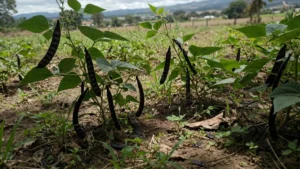
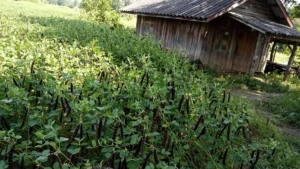
A ripe black bean field stands low and dry, with papery pods hanging on the plants until they rattle when shaken. Split a pod open and the beans inside should be black and hard, and the field should smell of dry leaves and warm earth.
Can guests join the picking and threshing?
Most farms let you walk the rows and help pick and thresh, and some let you sit in the kitchen and cook with the beans. The threshing itself is dusty work, so ask the farm what guests can do before you book, and expect black dust on your hands either way.
Where should a first-time black bean traveller start?
Zacatecas is the easiest first trip: the black bean fields are widest there, the farms are used to guests, and the frijoles de la olla best show what the bean can do. If you want the story as well as the bowl, Pinar del Río is the valley country where the bean has grown for centuries.
Do black bean farms suit travellers who cannot eat gluten?
Mostly. The fields, the picking and the harvest are worth the trip alone, and black beans carry no gluten, but the bread and tortillas beside the beans are usually wheat. Ask the farm what a gluten-free guest can eat, and choose the threshing week, not the baking week.
The bottom line
A black bean farm retreat suits travellers who prefer low dry fields, threshing yards and black beans cooked the farm’s own way to a hotel. The pot comes warm and fresh, and the finest stays feed you from ground they worked themselves.
Fix the threshing week before the travel dates, and keep a spare day at the end. When the black bean pods dry on time you will eat pot beans picked that week, and when they do not, the hills, the valleys and the old towns will still carry the trip.