
Why Satin Dresses Are Worth It in 2027
A satin dress is the piece that makes you hesitate at the till. It looks expensive on the hanger, it feels expensive in your hands, and then the price tag confirms it: often twice or three times what a similar dress in crepe or cotton costs. The question is not whether satin is beautiful. It is whether that beauty is worth paying for, and the honest answer is that it depends on the dress, the fibre underneath the shine, and how often you will actually wear it.
My view is that a good satin dress is worth its price far more often than its critics allow, but a bad one is a worse buy than almost any other dress. Satin is an unforgiving fabric. It shows every shortcut in the making, every crease from sitting down, and every place where the fit is slightly wrong. When the dress is well made, though, those same qualities work in your favour: the drape, the light, the way it moves, and the way one dress can carry an evening without any help from accessories.
This is an argument about value, not a guide to what satin is or how to style it. It sets out what you are really paying for, how to work out the cost per wear before you buy, when a satin dress earns its price, and when the money is better spent on something else entirely. If you buy well, a satin dress can be one of the hardest-working pieces in your wardrobe. If you buy badly, it will hang in the wardrobe unworn, and no bargain price makes that good value.
Key takeaways
- A satin dress earns its price through cost per wear: a well-made dress worn twenty times costs less per outing than a cheap dress worn twice.
- The fibre underneath the shine decides the value. Silk satin and good silk-blend satin age gracefully; thin unlined polyester satin usually does not.
- Weight and lining matter more than the label. A mid-weight, lined satin drapes cleanly and resists creasing far better than a thin, unlined one.
- Satin is worth it when the dress fits well, suits occasions you actually attend, and you are willing to steam it and store it properly.
- Satin is not an investment in the financial sense, and no satin dress is worth buying if it will only suit one event.
The Price Question, Stated Honestly
Satin dresses cost more for reasons that are real, not invented. The weave itself is slower and more demanding to produce than a plain weave, because long floats of yarn pass over several crossing yarns before they anchor, and the surface has to stay smooth and unbroken to catch the light. That makes the cloth harder to cut and sew: it slips under the needle, frays easily, and shows every uneven seam. A factory that makes satin well has to work more slowly and with more skilled hands, and that labour shows up in the price.
The fibre underneath adds a second layer of cost. Silk satin is the most expensive, because silk production is slow and labour-intensive from the mulberry leaf to the finished cloth, and only a small share of raw silk reaches the top grades. Good polyester satin costs far less to make, and it has genuine advantages of its own: it is durable, colourfast, more resistant to creasing, and often washable at home. The gap reflects different raw materials, different making, and different behaviour over years of wear.
How We Judged Whether a Satin Dress Earns Its Price
Value here means cost per wear, not cost per dress. A dress that costs three hundred pounds and is worn thirty times costs ten pounds a wear. A dress that costs sixty pounds and is worn twice costs thirty pounds a wear, and it has also taken up wardrobe space and attention in between. That simple arithmetic is the fairest test of any satin dress, because satin is a fabric that either gets worn or does not. It is rarely a dress you reach for half-heartedly.
The second test is honesty about occasions. A satin dress earns its price when it suits events you genuinely attend: weddings, dinners, evenings out, celebrations, and the kind of occasion where you want to look polished without trying hard. The most expensive dress in a wardrobe is the one that never leaves it, whatever the label says. Our comparison of silk versus satin sets out how the fibre and the weave each change what a garment feels like and how long it lasts, which is the first thing to understand before judging any price.
What Satin Actually Gives You for the Money
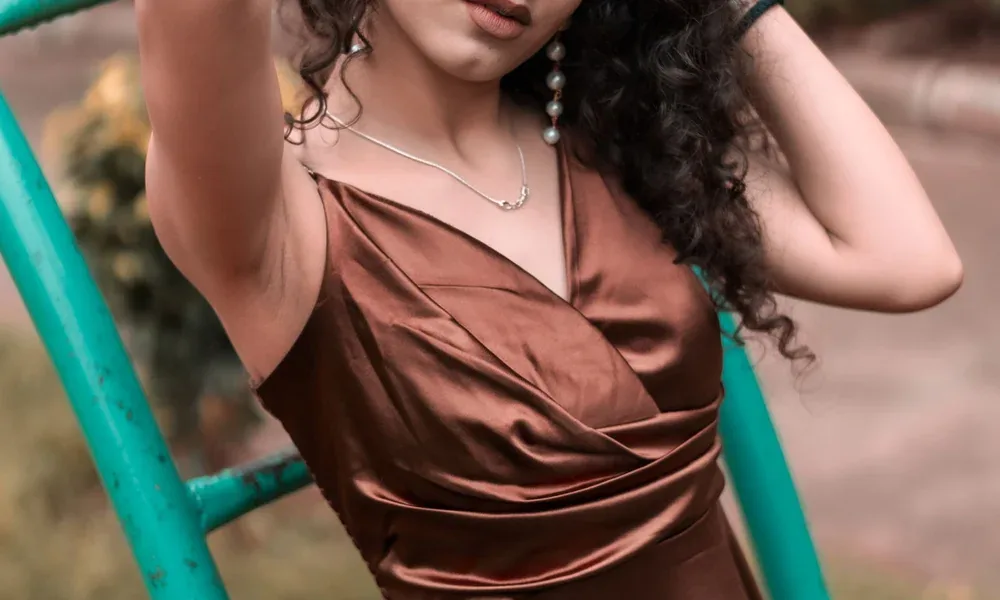
The first thing you are paying for is drape. Satin falls in soft, liquid folds that few other fabrics can match, and that drape does a surprising amount of work. It makes a simple cut look considered, it moves with the body instead of holding its own stiff shape, and it gives a dress a sense of occasion without embellishment, beading, or fuss. That simplicity is part of the value: you are buying a dress that needs less around it.
The second thing is versatility across occasions, which is where the cost-per-wear argument becomes strongest. One well-chosen satin dress in a mid-length cut and a colour that suits you can cover a wedding, a dinner, a celebration, and an evening out, simply by changing the shoes and the layer. A satin dress in black, champagne, navy, or deep green is a quieter proposition: it can be worn again and again without anyone remembering it as the same dress, because the fabric, not a memorable detail, is what people notice.
Where the Money Is Wasted
Satin is worth it far less often than the shop rail suggests, and the failures follow a pattern. The first is the thin, unlined dress. Without weight and without a lining, satin clings, shows every line underneath, and creases within an hour of sitting down. It looks wonderful on the hanger and disappointing on the body, and no amount of steaming fixes a dress that has nothing underneath it. If a satin dress has no lining and the fabric is thin enough to see light through, the price is almost never justified, however low it is.
The second failure is fit. Satin follows the body instead of holding its own shape, so it rarely forgives a size too small or a cut that pulls across the bust or hips. A dress that needs constant adjusting, that you cannot sit in comfortably, or that you keep tugging at will not be worn, and an unworn dress has an infinite cost per wear. Our roundup of the best satin dresses for 2027 shows how different weights and cuts suit different occasions, which is worth checking before committing to any one dress. This is the most common way money is wasted on satin: not on a bad fabric, but on a good fabric in a fit that was never quite right.
The Value Test, at a Glance
Before you buy, run the dress through this test. It takes five minutes in the shop, and it separates the satin dresses that earn their price from the ones that only look as if they do. Every row is a question to answer honestly, not a box to tick hopefully.
| Detail | What is known |
|---|---|
| Cost per wear | A dress worn 20 times at £200 costs £10 a wear; the same dress worn twice costs £100 a wear. Count realistic outings, not imagined ones. |
| Fibre | Silk satin breathes and ages gracefully but needs gentle care; good polyester satin is sturdier and easier to wash but can feel warm and glare harshly. |
| Weight and lining | Mid-weight, lined satin drapes cleanly and resists creasing; thin, unlined satin clings, creases quickly, and shows every line underneath. |
| Fit | Satin follows the body, so a poor fit cannot be hidden. Sit, walk, and raise your arms in the dress before deciding. |
| Occasions | The dress earns its price when it suits events you genuinely attend; a one-event dress is a hire dress with a purchase price. |
| Care | Silk satin usually needs hand washing or dry cleaning; many polyester satins can be gently washed at home if the label allows it. |
| Longevity | Good satin keeps an even lustre and recovers with steaming; cheap satin pills, loses its sheen in patches, and holds creases. |
Your Satin Dress Buying Checklist
- Count the outings first: name at least five real occasions in the next year where you would wear this dress.
- Read the label and know the fibre: silk, polyester, viscose, or a blend, and what that fibre means for care and comfort.
- Check the weight and the lining: hold the dress up to the light and make sure it has a separate lining, not a thin coating.
- Try it sitting down as well as standing, and walk and raise your arms: if it pulls anywhere, it is the wrong size.
- Look at the seams, the hem, and the zip: satin shows uneven stitching, so neat, enclosed finishing is non-negotiable.
- Be honest about the care: if you will not hand-wash it or dry-clean it, do not buy a dress that demands it.
Frequently Asked Questions
Are satin dresses worth the money?
Often, yes, provided the dress is well made, the fibre suits your life, and you will wear it enough times for the cost per wear to fall. A mid-weight, lined satin dress in a versatile colour is one of the best value evening purchases you can make. A thin, unlined dress bought for a single event is not worth any price.
Is silk satin worth more than polyester satin?
It depends on what you value. Silk satin breathes, drapes with a softer liquid weight, and has a deeper, less harsh glow, and it can last for many years with gentle care. Good polyester satin is sturdier, easier to wash, more resistant to creasing, and far cheaper. The argument for silk dresses in general is set out in our piece on why silk dresses are worth it in 2027, which makes a similar cost-per-wear case for the fibre itself.
How many times do I need to wear a satin dress for it to be worth it?
There is no fixed number, but a useful rule is ten wears. If you cannot picture ten outings, the dress is probably a one-event purchase, and hiring or choosing a more versatile piece is the wiser spend.
Why do some satin dresses look cheap?
Usually because the fabric is too thin, the dress is unlined, or the polyester is a harsh, high-glare type that reflects light unevenly. Poor finishing makes it worse: uneven seams, a wavy hem, and a zip that does not lie flat are all visible in satin in a way they are not in matte fabrics.
Do satin dresses last?
A well-made satin dress can last for many years. Silk satin lasts longest with gentle care: hand washing or dry cleaning, careful storage, and steaming rather than ironing. Good polyester satin is more forgiving and can be washed at home if the label allows it.
When is a satin dress definitely not worth it?
When it only suits one event, when the fit is wrong, when it is thin and unlined, or when the care it needs does not match the care you will actually give it. In those cases, a matte fabric will serve you better and cost you less in the end.
The Bottom Line
A satin dress is worth it in 2027 when three things are true: the dress is well made in a fibre that suits your life, it fits well enough to be comfortable all evening, and you will wear it often enough for the cost per wear to fall to a sensible number.
When any of those three things is missing, the money is better spent elsewhere. Buy the dress you will wear ten times, not the dress that photographs well once. Check the label, feel the fabric, sit down in it, and count the occasions before you pay. Bought that way, a satin dress is not an extravagance. It is one of the most honest purchases a wardrobe can hold: beautiful, hard-working, and worth every wear.
Note: Prices and care guidance in this article are general; always follow the care label on your own dress, and check the fibre content before buying.
Meet Our Experts
This article was written by the BrassSmile fashion editors, who cover seasonal style, wardrobe planning, and fabric and fit guidance across our fashion and lifestyle coverage. Every value judgement is checked against one question: would we buy this ourselves, and wear it again?
Why Trust BrassSmile
BrassSmile covers fashion, beauty, lifestyle, travel, and luxury with guides written to be genuinely useful, not just shoppable. We focus on fit, fabric, and real-life wearability, and we do not invent test results or expert quotes.
Sources
Fabric and fibre guidance in this article reflects general textile knowledge and brand care guidance; specific dress details are drawn from the BrassSmile guides linked above. No external sources were used.