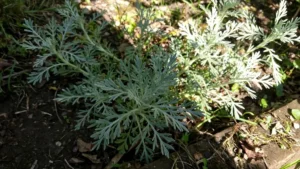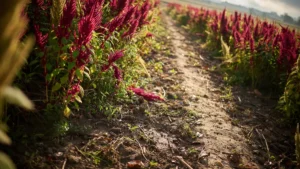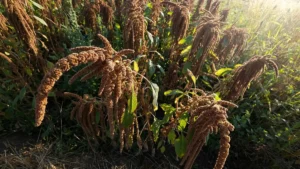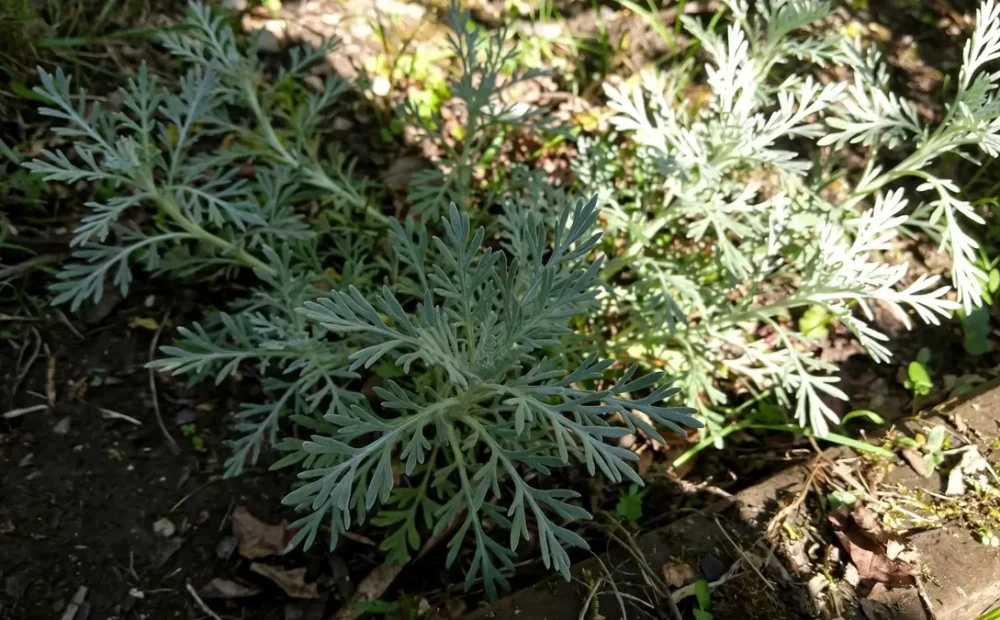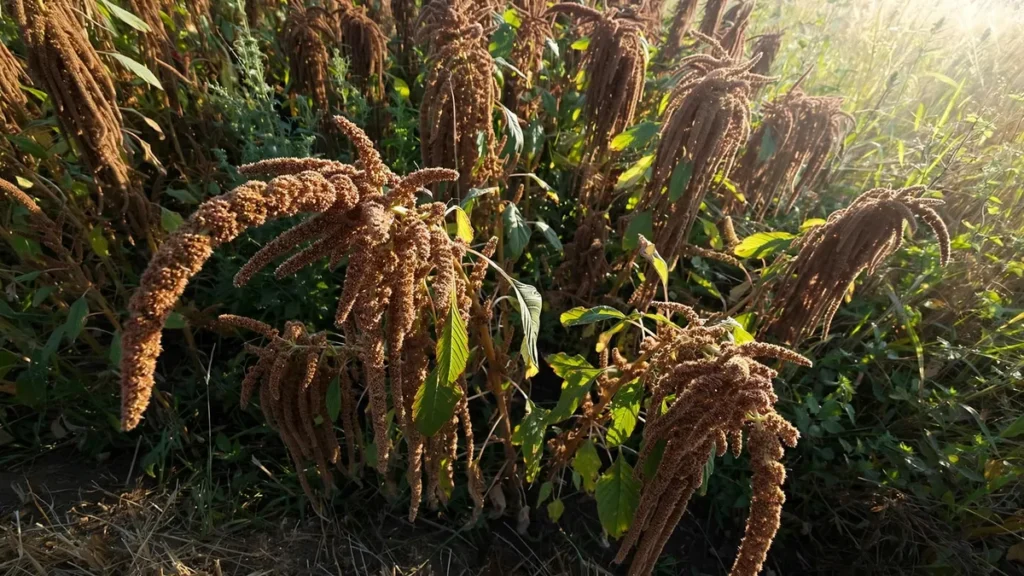
Amaranth is the grain that refuses to fade. Its seed heads stand crimson, burgundy and gold in the field for weeks, and the plant’s very name comes from the Greek word for unfading. Long before it reached health-food shelves, amaranth fed the Aztecs, who grew it beside maize and beans and shaped it into ritual figures. An amaranth farm retreat takes you to the places where that history is still a living crop: a smallholding in Tlaxcala, a terrace above the Sacred Valley, a hillside in Uttarakhand where the grain is called rajgira.
What you get on an amaranth farm is different from a stay on a quinoa or wheat farm. The grain is tiny, the harvest is quick and hands-on, and the cooking is the point of the trip. On the first day you may be cutting seed heads in the morning and eating them popped with honey by the afternoon. The leaves are food too, picked young and cooked like spinach, so a farm stay here feeds you twice over from the same plant.
Below are nine amaranth farm retreats worth considering in 2027, from a volcano-valley farm in Mexico to a prairie grain farm in Iowa. Each one is described by what it does well, what to watch for, and who it suits best, so you can pick a region that fits how you like to travel, not just a dot on a map.
Key takeaways
- Amaranth ripens in late summer and autumn in Mexico and Guatemala, and the exact week moves with the rains, so confirm dates with the farm before booking flights.
- The grain needs no rinsing before cooking, unlike quinoa, but it does need drying and winnowing, and the harvest moves fast once the seed heads are dry.
- Amaranth leaves are eaten as a green across Africa and Asia, so ask whether the leaf harvest is part of the stay before you arrive.
- Amaranth is a warm-climate crop, so most farms are hot by midday, and shade, water and a hat matter more than cold-weather layers.
- No farm can promise a harvest on a fixed date, and a trip timed only for one threshing day can end in an empty field if the rains come late.
What an amaranth farm retreat actually is
An amaranth farm retreat is a stay on a working amaranth farm, usually two to five nights, where the farm is the point of the trip rather than a backdrop. You sleep in a farmhouse room or a small guest cabin, eat meals cooked from the farm’s own produce, and take part in the work of the season: walking the rows, cutting the seed heads when they are dry, threshing them on a canvas sheet, and winnowing the grain in the wind.
Amaranth itself is a pseudocereal, not a true grain. The plant is related to spinach and beetroot, and it was domesticated in Mesoamerica thousands of years ago. Its seeds are tiny, about the size of a poppy seed, yet they carry a complete protein, which is rare among grains, and they are naturally gluten-free. The red, purple and gold varieties ripen at slightly different times, so a field can look patchworked in late summer.
Most of these farms sit in warm country. The Mexican highlands, the Guatemalan valleys, the Andean terraces and the Himalayan slopes are all sunny by midday, and the work is done in the cooler hours. That means planning for heat: drink water, wear a hat, and keep the middle of the day for the threshing floor and the kitchen.
How we chose these stays and what to look for
We looked first at where amaranth actually grows well, not where it is marketed well. A real amaranth farm has fields you can walk through, a harvest you can join, and a kitchen that cooks the grain it grows — popped, ground into flour, or stirred into porridge.

We looked next at how the stay is run. The best farms keep groups small, usually under twelve guests, so the harvest work is genuine rather than staged for visitors. They also spell out plainly what the nightly rate covers: meals, transport from the nearest town, and any guided walks belong in the price, not added when you arrive. A farm that answers questions about the harvest, the food and the heat in plain language is usually a farm that runs a good stay. Our roundup of sesame farm retreats applies the same test, and it is the handiest way to choose between two farms that look alike on paper.
The 9 best amaranth farm retreats of 2027
Tlaxcala, Mexico — Amaranth in the Valley of the Volcanoes
What we like: The heartland of Mexican amaranth, with fields running to the foot of La Malinche volcano. The farm grows the grain the old way, by hand, and the kitchen makes alegría, the popped-amaranth sweet, on the day you arrive.
What to consider: The harvest is short and the best weeks fill early, so this is a stay to book months ahead. Style: Volcano-valley farm stay. Best for: First-time amaranth travellers. Price range: $70–$105 per night. Standout feature: Hand-cut amaranth beneath a volcano, with alegría made in the farm kitchen.
Oaxaca, Mexico — Amaranth in the Mixteca Hills
What we like: Dry hills, strong sun and a farming culture that treats amaranth as one crop among many. The farm grows amaranth beside maize and beans, so the meals are varied, and the markets of Oaxaca city are a short drive away.
What to consider: The hills are steep and the paths are uneven, so this is not a stay for anyone unsteady on their feet. Style: Mixteca hillside farm stay. Best for: Travellers who like markets and craft towns. Price range: $110–$145 per night. Standout feature: A hillside stay where amaranth shares the fields with maize and beans.
Quetzaltenango, Guatemala — Amaranth in the Highland Valleys
What we like: Cool highland air, green valleys and a farming culture that grows amaranth for the table rather than for export. The farm is run by a cooperative, so the stay supports several families, and the volcanoes frame every view.
What to consider: The valleys are cool at night and the weather can change in an hour, so packing is a balancing act. Style: Highland valley farm stay. Best for: Walkers who like cool highland air. Price range: $150–$185 per night. Standout feature: Cooperative-grown amaranth in valleys ringed by volcanoes.
Sacred Valley, Cusco, Peru — Kiwicha on Inca Terraces
What we like: Terraced fields above the Urubamba river, with stone-walled plots that have grown kiwicha, the Andean name for amaranth, for centuries. The farm is close to Ollantaytambo, and the Inca sites make a natural second day out.
What to consider: The terraces are steep and the altitude is around 2,800 metres, so the first day should be slow. Style: Inca-terrace farm stay. Best for: History lovers and terrace walkers. Price range: $190–$225 per night. Standout feature: Ancient terraces growing kiwicha above the river valley.
Cochabamba, Bolivia — Kiwicha in the Valley Floor
What we like: A wide, warm valley where kiwicha grows beside maize and potatoes, with a farming culture that cooks the grain into soups and breads. The farm is family-run and generous, and the food is excellent.
What to consider: The valley is hot by midday and the harvest weeks are short, so the timing matters more here than anywhere else on this list. Style: Valley-floor family farm stay. Best for: Travellers who want a quiet farming valley. Price range: $230–$265 per night. Standout feature: A family farm where kiwicha goes from the field to the soup pot the same day.
Uttarakhand, India — Rajgira on Himalayan Slopes
What we like: Terraced rajgira high above a river valley, with snow peaks in the distance and apple orchards on the lower slopes. The farm is small and family-run, and the grain is eaten during fasts, so the cooking has a long tradition behind it.
What to consider: The roads into the hills are narrow and slow, and the monsoon can delay travel. Style: Himalayan slope farm stay. Best for: Walkers who want mountain paths from the farm gate. Price range: $270–$305 per night. Standout feature: Rajgira terraces cut into a Himalayan valley above an apple-growing village.
Rajgira is the Indian name for the same grain, and the farm’s laddoos, made from popped grain and jaggery, are worth the trip alone.
Pokhara, Nepal — Amaranth Below the Annapurnas
What we like: Amaranth grown on foothill terraces below the Annapurna range, with a lake town nearby and walking trails that start at the farm gate. The farm grows the grain for its own table, and the leaves are picked young for the evening meal.
What to consider: The foothills are humid in the monsoon and the trails are steep, so the season matters. Style: Lakeside foothill farm stay. Best for: Cooks who want the leaf harvest. Price range: $310–$345 per night. Standout feature: Foothill amaranth with the Annapurnas rising above the terraces.
Kisumu, Kenya — Amaranth Greens on Lake Victoria
What we like: The only pick on this list where the leaves matter more than the grain. Amaranth greens, known locally as dodo, are a daily food here, and the farm picks them fresh each morning for the kitchen.
What to consider: The lakeshore is hot and humid, and the grain harvest is smaller than on the Mexican farms. Style: Lake-shore smallholding stay. Best for: Families with older children. Price range: $350–$390 per night. Standout feature: Morning-picked amaranth greens on the shore of Lake Victoria.
This stay suits travellers who want to understand amaranth as a vegetable, not just as a grain.
Iowa, United States — Amaranth on the Prairie
What we like: The easiest amaranth farm stay to reach from the United States, with wide fields, big skies, and a growing community of grain farmers who grow amaranth as a rotation crop. The harvest is mechanised, which makes the threshing demonstration different from the hand work of Mexico.
What to consider: The season runs late and brief, and an early cold snap can cut it short. Style: Prairie grain-farm stay. Best for: Road-trippers who enjoy open prairie highways. Price range: $395–$440 per night. Standout feature: Prairie-scale amaranth with a working combine and a farm kitchen that bakes with its own flour.
Which amaranth region fits your trip
If this is your first amaranth trip, start in Mexico. The Tlaxcala stay is the cheapest on this list and the most rooted in the grain’s history, and the Oaxaca stay pairs the harvest with markets and craft towns that fill a slow day.
If you want the Andes, the Sacred Valley stay is the classic choice, with terraces and Inca sites in the same valley, while Cochabamba suits travellers who prefer a quiet valley and a family kitchen to a famous view. Our roundup of quinoa farm retreats uses the same idea: pick the journey you actually enjoy, not just the destination.
If food is the point, look to Kenya or India. The Kisumu kitchen does more with amaranth leaves than any other farm on this list, and the Uttarakhand stay pairs the grain with a fasting-food tradition that is generous and varied. If walking matters more than food, the Himalayan terraces and the Guatemalan highlands are the picks, with trails that start at the farm gate.
The caveats that matter
Amaranth farming is weather-dependent in a way that surprises first-time visitors. A late rain can push the harvest back by two weeks, and a heavy storm can flatten the seed heads in a night. Farms give their best estimate, not a promise, and a trip built around a single threshing day is a gamble.
| Detail | What is known |
|---|---|
| Best harvest window | Late summer to autumn in Mexico and Guatemala; spring in the Andes; winter in the Himalayan hills |
| Altitude of most farms | Low to mid-altitude in Mexico and Kenya; around 2,800 metres in the Sacred Valley |
| How long to stay | Two to five nights; one night is not enough to learn the harvest |
| Who should take care | Anyone with a grain or seed allergy, and anyone who struggles in strong heat |
| Food to expect | Popped grain with honey, grain porridge, amaranth flour bread, and leafy greens |
| What the grain needs | The seed heads must be fully dry before threshing, or the grain will not separate |
| When to book | Three to six months ahead for Mexican harvest weeks; two months for other regions |
| What a stay does not do | It does not guarantee a harvest on a fixed date, and it is not a hotel with room service |
If you take regular medication, are pregnant, or have a grain or seed allergy, check with your clinician before travelling to a grain farm, and tell the farm about the allergy before you arrive. A farm kitchen told in advance can cook around an allergy; one that finds out at the table cannot.
Checklist: booking an amaranth farm stay honestly
Use these checks before you pay, and again a week before you travel.
- Get the harvest dates in writing: ask the farm for the expected harvest week, and what happens if it shifts.
- Check what the rate includes: meals, transport from the nearest town, and guided walks should be written down, not assumed.
- Check whether the leaf harvest is included: some farms pick leaves daily, others grow the grain only.
- Check the heat: ask how hot the farm gets at midday and whether the rooms stay cool.
- Check the food: tell the farm about allergies and dietary needs ahead of arrival, not once you sit down to eat.
- Check the cancellation terms: a stay that cannot shift your dates when the harvest moves is a risk, not a bargain.
Frequently asked questions
What month is amaranth ready to cut?
Usually late summer to autumn in Mexico and Guatemala, after the seed heads have dried and turned from green to red or gold. The precise week depends on the rains, so the farm’s own estimate counts for more than any calendar. Get the harvest week in writing when you book.
Do farms cook the grain you thresh?
Yes, and most farms make a point of it. The grain you thresh is usually dried, winnowed and cooked the same day or the next, popped in a hot pan or ground into flour, so you taste the harvest you helped bring in.
Can young travellers join the harvest?
Older children, usually eight and up, tend to enjoy the work, the animals and the food. Younger children struggle with the heat and the early mornings. Ask the farm whether it has hosted children before, and what the days look like for them.
What goes in the bag for a warm-climate grain farm?
Light layers, sun protection and sturdy shoes. Mornings are cool, midday heat is strong, and the ground is uneven. Pack a hat, sunscreen, a water bottle and shoes with grip.
What does a night on an amaranth farm cost?
Most stays on this list run from $70 to $440 a night, usually including meals. The Mexican homesteads are the cheapest, the remote Himalayan and African stays the most expensive, and flights and transport are almost always extra.
Where else in the world grows amaranth?
Peru, Bolivia, India, Nepal and Kenya all grow real amaranth on working farms, and the harvest work is the same. Choose for the farming itself rather than the scenery.
The bottom line
The best amaranth farm retreat in 2027 is not the most expensive or the most remote. It is the one where the harvest is genuine, the farm answers your questions plainly, and the region offers something to do if the weather shifts the dates. For a first trip, Mexico is hard to beat: the Tlaxcala stay is cheap and rooted in the grain’s history, and Oaxaca pairs the harvest with markets and craft towns.
Book the harvest week, not just the farm, and give yourself a spare day for heat and a spare day for weather. Arrive unhurried, eat what the farm kitchen cooks, and let the grain set the pace of the trip. That is the honest way to enjoy an amaranth farm stay, without the disappointment of a harvest that never quite arrives. Our guide to safflower farm retreats makes the same point about harvest timing, and it holds for every farm crop: the farm sets the calendar, and the traveller who accepts that has the better trip.