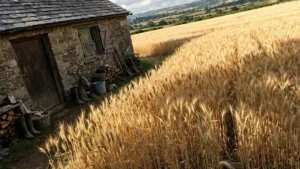
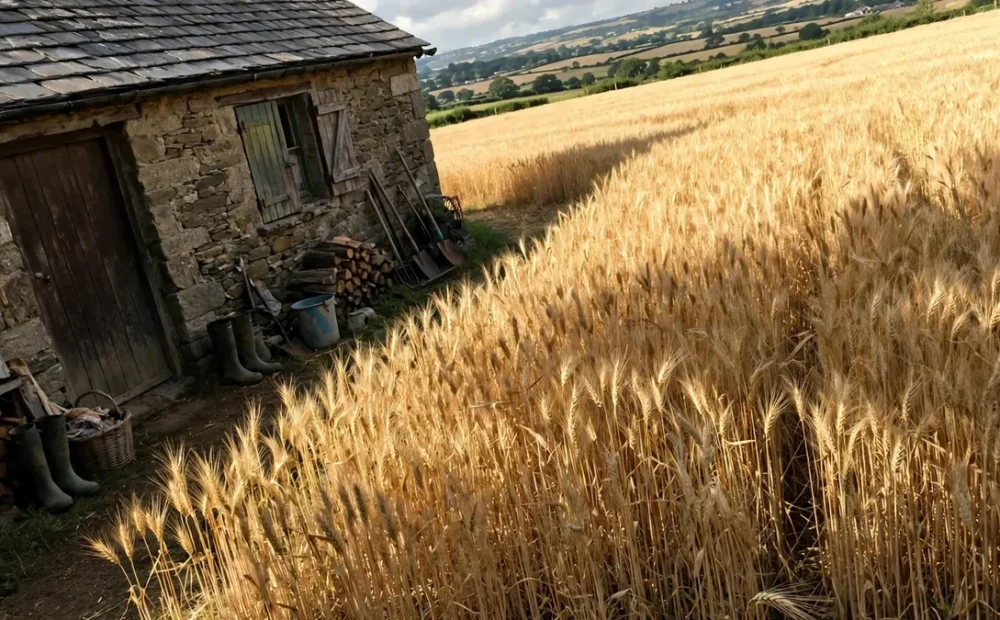
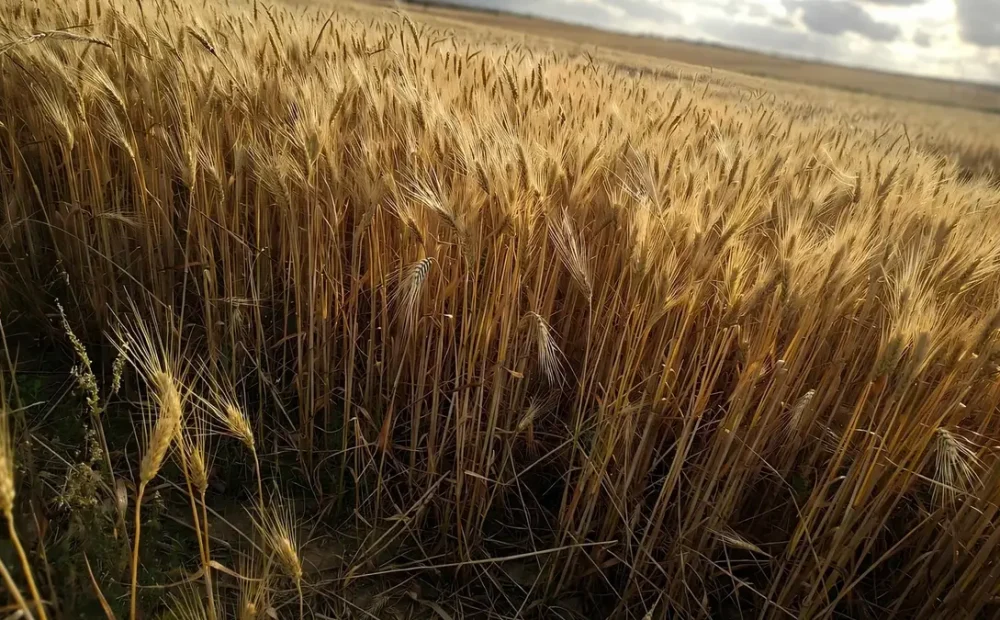
Wheat is the grain that feeds more people than any other crop on earth. It grows in golden fields from the plains of Hungary to the steppe of Kazakhstan, and at harvest the combines move through it in long lines, cutting, threshing and pouring the grain into trailers while the dust hangs in the evening air. The bread on the table, the pasta on the plate and the flour in the bakery all begin in those fields.
A wheat farm retreat puts you on a small farm where that grain still grows, when the fields turn from green to gold and the harvest begins. You sleep in a farmhouse room, eat bread baked from the farm’s own flour, walk the field edges at dawn, and watch the grain cut, milled and baked. The farms run from the hills of Tuscany to the wide wheatbelt of Western Australia, and the wheat is the thread that ties them together.
Below are nine wheat farm retreats worth considering in 2027, from the oldest wheat country in Europe to a remote steppe farm. Each of the nine is weighed on what it does well, where it falls short and the traveller it fits, so the pick comes down to your travelling style rather than the map.
Key takeaways
- Wheat is the world’s most widely grown food grain, and a wheat farm stay is built around the harvest, the mill and the bakery, so ask the farm which variety it grows before you book.
- Bread wheat makes the flour for loaves, durum wheat makes the flour for pasta, and the two grow in different soils and climates, so a farm that grows durum will feed you differently from one that grows bread wheat.
- The northern harvest falls in July and August, and the southern cutting runs in November and December, and the exact week moves with the rain, so confirm it before booking flights.
- Most wheat farms are small and take only a few guests, so expect plain rooms, shared meals and dust on your boots.
- Harvest dates are a guess, not a promise: a stay planned around one cutting day can end with the wheat still green in the field.
What a wheat farm retreat actually is
A wheat farm retreat means three to five nights on a working farm that grows wheat, with the wheat harvest as the reason for the trip. Guests sleep in a farmhouse room or a converted barn, eat from the farm kitchen, and join the season’s work, walking the field edges and seeing the grain cut by the combine, milled and baked in the farm oven.
Wheat has been grown for bread for thousands of years, and the great wheat regions took shape around the mills and bakeries they served. The plains of Hungary fed the bakers of the Danube, the fields of Castile fed the bread ovens of Spain, and the steppe of Kazakhstan fed the mills of Central Asia.
Most of these farms sit in open country, with wide golden fields and a stone mill by the barn. Life on these farms runs to the field’s rhythm rather than a hotel’s, with supper at one long table, and the finest stays put you to work in the harvest rather than leaving you to watch.
How we picked these stays, and what to ask first
We began with where wheat truly grows, not where it sells best. A genuine wheat farm offers fields to walk through, grain to stand among at harvest, and a mill, a bakery or a stone oven working with its own flour. A farm that buys its flour in is not a wheat farm, whatever the website says.
The strongest farms keep guest numbers small, so the harvest stays real work, not a show for visitors. They also set out plainly what the nightly rate covers, with meals, the ride in from the nearest town and walks through the fields included rather than billed on arrival. A farm that talks plainly about the harvest, the milling and the baking usually looks after its guests well too.
The 9 best luxury wheat farm retreats of 2027
Val d’Orcia, Tuscany, Italy — Wheat Fields in the Tuscan Hills
What we like: Wheat in the Val d’Orcia, where the golden fields roll between cypress trees and stone farmhouses and the farm bakes its bread from its own grain in a wood oven. The hills are gentle, the villages are old, and the kitchen serves ribollita, pecorino and unsalted Tuscan bread with farm olive oil.
What to consider: The fields are the smallest on this list, the harvest is short, and the summer towns fill with visitors.
Style: Tuscan hill farm stay. Best for: Travellers who want wheat with hills and old villages. Price range: $65–$95 per night. Standout feature: Bread baked in a wood oven from the farm’s own wheat.
Danube Plain, Bulgaria — Wheat on the Black Sea Plain
What we like: Wheat on the Danube Plain, where the fields run flat to the horizon and the farm mills its grain in a stone mill and bakes banitsa and white loaves from it. The villages keep their painted houses, and the kitchen serves yoghurt, white cheese and warm bread with the farm honey.
What to consider: The plain is flat and the farms are plain, so the rooms are simple, and the harvest days are hot and dusty.
Style: Bulgarian plain farm stay. Best for: Travellers who want wheat on a wide open plain. Price range: $100–$130 per night. Standout feature: Banitsa and white loaves baked from grain milled on the farm.
Mazovia, Poland — Wheat Around the Old Capital
What we like: Wheat in Mazovia, where the fields spread around Warsaw and the farm bakes rye-wheat loaves and poppy-seed rolls from its own flour. The countryside keeps its timber churches and stork nests, and the kitchen serves beet soup, pierogi and dark bread with farm butter.
What to consider: The fields are broken by forest, so the views are patchy, and the harvest falls late in a wet year.
Style: Polish country farm stay. Best for: Travellers who want wheat near an old capital. Price range: $135–$165 per night. Standout feature: Rye-wheat loaves and poppy-seed rolls from the farm’s own flour.
Scania, Sweden — Wheat in the Southern Farmland
What we like: Wheat in Scania, where the fields lie between the sea and the beech woods and the farm bakes crispbread and soft loaves from its own grain. The light is long in summer, the farmhouses are red, and the kitchen serves pickled herring, new potatoes and rye bread with farm cheese.
What to consider: The harvest falls late and the weather turns fast, so the cutting week is easy to miss.
Style: Swedish south farm stay. Best for: Travellers who want wheat with long summer light. Price range: $170–$200 per night. Standout feature: Crispbread and soft loaves baked from Scania wheat.
Great Hungarian Plain, Hungary — Wheat on the Puszta
What we like: Wheat on the Great Hungarian Plain, where the fields stretch across the puszta and the farm mills its grain and bakes lángos and white loaves. The plain is vast, the horse herds still graze it, and the kitchen serves goulash, paprika chicken and fresh bread with farm wine.
What to consider: The plain is the hottest stay on this list in harvest season, and the farm is far from the towns.
Style: Hungarian puszta farm stay. Best for: Travellers who want wheat on a vast plain. Price range: $205–$235 per night. Standout feature: Lángos and white loaves from grain milled on the puszta farm.
Castile and León, Spain — Wheat on the High Plateau
What we like: Wheat in Castile and León, where the fields cover the high meseta and the farm bakes lechazo bread and rustic loaves from its own flour. The plateau is dry and bright, the villages keep their stone churches, and the kitchen serves roast lamb, chickpeas and country bread with farm wine.
What to consider: The plateau is dry and the sun is fierce at harvest, so the field work is best at dawn.
Style: Spanish meseta farm stay. Best for: Travellers who want wheat on a high dry plateau. Price range: $240–$270 per night. Standout feature: Rustic loaves baked from wheat grown on the meseta.
Western Australia Wheatbelt, Australia — Wheat in the Wide South-West
What we like: Wheat in the Western Australia wheatbelt, where the fields run for miles under a wide sky and the farm mills its grain and bakes damper and white loaves. The country is vast, the wildflowers bloom after rain, and the kitchen serves lamb, bush tomatoes and fresh bread with farm honey.
What to consider: The harvest falls in November and December, the opposite season to Europe, so the trip needs planning a year ahead.
Style: Australian wheatbelt farm stay. Best for: Travellers who want wheat in the southern summer. Price range: $275–$305 per night. Standout feature: Damper and white loaves from grain grown in the wheatbelt.
Swartland, South Africa — Wheat Among the Cape Hills
What we like: Wheat in the Swartland, where the fields roll between the Cape hills and the farm bakes roosterkoek and farm loaves from its own flour. The hills are golden at harvest, the vineyards lie nearby, and the kitchen serves bobotie, braai bread and farm butter with local wine.
What to consider: The harvest falls in November, the opposite season to Europe, and the farm is a long drive from Cape Town.
Style: Cape wheat country farm stay. Best for: Travellers who want wheat with Cape hills and vineyards. Price range: $310–$340 per night. Standout feature: Roosterkoek and farm loaves baked from Swartland wheat.
Kazakh Steppe, Kazakhstan — Wheat on the Endless Steppe
What we like: Wheat on the Kazakh steppe, where the fields run to the horizon and the farm mills its grain and bakes baursak and flatbreads. The steppe is vast, the sky is enormous, and the kitchen serves beshbarmak, kumis and warm bread with farm butter.
What to consider: The steppe is the most remote stay on this list, and the harvest falls early, so the cutting week is short and easy to miss.
Style: Central Asian steppe farm stay. Best for: Travellers who want wheat at the far end of the map. Price range: $345–$380 per night. Standout feature: Baursak and flatbreads from wheat grown on the steppe.
Which wheat region fits your trip
If you want wheat where the bread story runs deepest, start with the Val d’Orcia or the Danube Plain, where the grain has been milled and baked the longest and the ovens run to wood-fired loaves. Both ease a newcomer in, with gentle walks and unhurried table meals.
If you want scenery with your wheat, the Kazakh steppe and the Western Australia wheatbelt put the fields in wild country, Scania puts them under long northern light, and Swartland puts them among Cape hills and vineyards.
If you want the grain that goes with the wheat, our guide to the barley farm retreats covers the malt every beer on the farm table is built on, and the hop farm retreats offer a different harvest altogether, with tall bines and kilns instead of combines and mills.
The caveats that matter
Wheat farming answers to the weather: farms give a best guess, never a promise, and a trip pinned to one cutting day gambles on the rain. The real warning is the gluten, easy to overlook on a gentle country stay built around bread.
| Detail | What is known |
|---|---|
| Best time to visit | July into August in the north, November into December in the south, once the grain turns golden; the precise week shifts with the rain |
| What the work involves | Walking the field edges, watching the grain cut by the combine, and seeing it milled and baked |
| How long a stay runs | Three to five nights, timed to the late-summer cutting weeks |
| Who should take care | Guests with coeliac disease or a wheat allergy, because bread is the heart of the stay, and anyone unused to strong sun or harvest dust |
| What the kitchen serves | Farm bread, stews, roast meats and cheese, usually with the farm wine poured beside the plate |
| Gluten note | Wheat carries gluten in every kernel, so coeliac travellers should ask the farm what it can safely serve |
| What to pack | Sturdy closed shoes, a sun hat, a warm layer for cold plain nights, and clothes you can wash by hand |
| What it does not do | No promised cutting day, no fixed menu, and no hotel-style service on a working farm |
If coeliac disease, a wheat allergy, or a condition that heat worsens applies, speak to the farm before booking. One question about the kitchen and the bread can save you a hard stay, and a farm that answers it plainly is usually worth visiting. The emmer farm retreats sound the same caution, since every emmer kernel carries gluten too.
Checklist: booking a wheat farm stay honestly
Run through these checks before you pay, and once more the week before you travel.
- Get the farm’s cutting window in writing, and ask what the plan is if the wheat is still green on arrival.
- Confirm that supper, the transfer in from the nearest town and the field walks are all part of what you pay per night.
- Ask whether the milling and baking happen on the farm, and whether the kitchen can serve a meal without wheat.
- Look at the bedroom before you pay: the rooms are simple, so test the bed, the water and the heating.
- Pack for hard sun and dusty tracks: shut shoes, a hat, a warm layer for cold evenings, and clothes you can wash by hand.
- Keep a spare day for the nearest town, so a harvest that shifts still leaves you a fine trip.
Frequently asked questions
What is the difference between bread wheat and durum wheat?
Bread wheat is the soft grain milled into flour for loaves, while durum wheat is the hard amber grain milled into semolina for pasta. They grow in different soils and climates, so a farm that grows durum will feed you pasta where a bread wheat farm feeds you loaves.
When is wheat harvested, and how long does it last?
The northern harvest falls in July and August, the southern cutting runs in November and December, and the cutting itself takes a week or two at most farms. The exact week shifts with the rain, so ask the farm for its cutting window rather than one date, and hold off booking flights until the window is set.
What does a ripe wheat field look like?
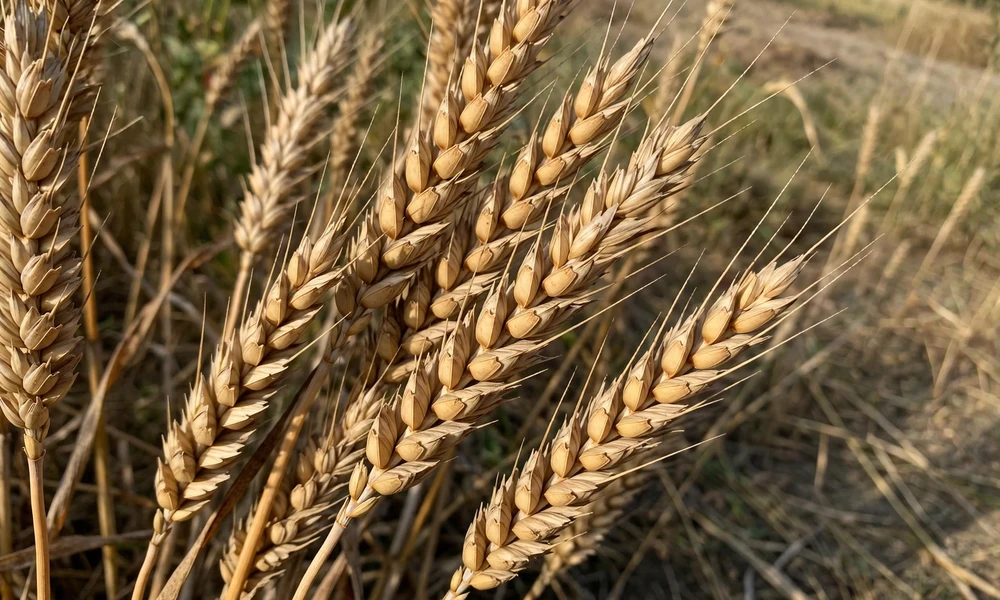
A ripe wheat field turns from green to gold, and the ears bend under their own weight. Rub an ear between your palms and the grain should feel hard and dry, with no green left in the kernel, and the field should smell of warm straw.
Can I join the harvest, or only watch it?
Most farms let you walk the field edges and ride in the combine cab, and some let you help with the grain carting and the milling. The cutting itself is machine work, so ask the farm what guests can do before you book, and expect dust on your clothes either way.
Where should a first-time wheat traveller start?
The Val d’Orcia is the easiest first trip: the wheat fields are at their prettiest there, the farms are used to guests, and the bread best shows what wheat can do. If you want the story as well as the loaf, the Danube Plain puts you in the grain country that fed the Black Sea trade.
Do wheat farms suit travellers who cannot eat gluten?
Partly. The fields, the mills and the harvest are worth the trip alone, and the kitchens serve good food, but the bread is the heart of the stay. Ask the farm what a gluten-free guest can eat, and book the cutting week rather than the baking week.
The bottom line
A wheat farm retreat suits travellers who prefer wide golden fields, stone mills and bread from the farm’s own flour to a hotel. The grain is golden, the bread is warm and fresh, and the finest stays feed you from land they farmed themselves.
Decide the harvest week before the travel dates, and keep a spare day at the end. When the wheat ripens on time you will eat bread from grain cut that week, and when it does not, the hills, the plains and the old towns will still carry the trip.